
What Matte Photo Paper Is and When It Beats a Glossy Print


The coating decides the glare, the black depth and how well the print survives being handled. Matte changes each one, and in some rooms it is the wrong call.
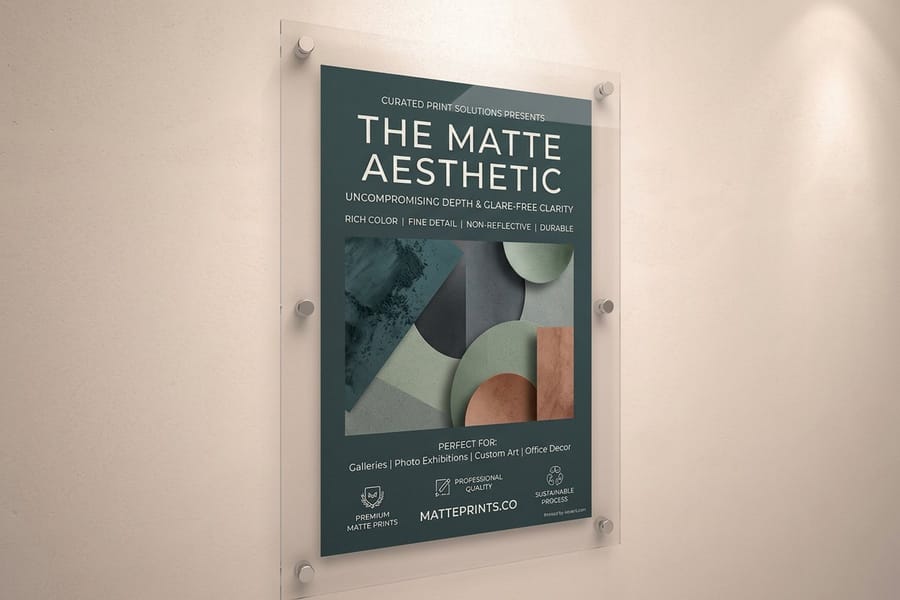
Matte photo paper is photo stock with a microscopically rough ink receiving coating, so light scatters instead of reflecting back as one bright spot. That removes glare from every viewing angle and hides fingerprints, and it costs you some depth in the darkest tones, where black reads as very dark charcoal rather than a true black. Pick it for framed work, bright rooms and prints people handle. Pick gloss or a gloss laminate when the image lives on deep blacks and saturated color.
Quick answer
A rough coating, no glare, and a slightly lighter black
Matte photo paper scatters light instead of mirroring it. The receiving coating dries with an uneven surface, so a single ray of light leaves as many weak ones and no viewing angle catches a hot spot. The same scattering lets a little light back out of the darkest ink, which is why matte blacks sit a step short of gloss. Everything else follows from those two facts: no glare behind glass, fingerprints that do not show, a surface you can sign in pencil, and shadow detail that needs a nudge of contrast in the file before you send it.
What Matte Photo Paper Is Made Of

Underneath the marketing word, matte is a coating. Photo paper is a base sheet plus an ink receiving layer, and that layer is what decides everything you can see. A glossy layer dries to a smooth film. A matte layer dries with a microscopically uneven surface, so an arriving ray of light leaves as a spray of weak rays instead of one strong one.
Two families sit under the same word, and they do not behave alike:
- Resin coated matte. A paper core sealed between thin plastic layers, with the matte receiving coat on top. It stays flat, dries fast, resists moisture and takes handling well. This is the everyday matte behind posters, prints and photo cards.
- Fine art matte. Heavier cotton rag or alpha cellulose with a matte inkjet coating and no plastic core. Thicker, more texture under a fingertip, and a surface that marks if you drag it across a table edge. It costs more and it looks it, which is why gallery editions live here.
There is a detail most buyers never see. Pigment photo printers carry two different black inks, one formulated for glossy surfaces and one for matte, and the machine physically switches between them. That is how much the coating changes the way ink sits. On a press it shows up differently, as a matte coated stock that takes ink into the surface rather than holding it on top. Our paper stocks guide covers how coating changes ink behavior across the rest of the catalog.
Matte, Satin, Gloss and Laminate, Side by Side
Finishes are usually sold as a taste question. They are not. Each one moves four things at once, and once you see them in a row the choice makes itself.
| Finish | Glare | Black depth | Fingerprints | Best for |
|---|---|---|---|---|
| Matte | None at any angle. | Deep charcoal rather than true black. | Practically invisible. | Framed work, bright rooms, anything handled or read from the side. |
| Satin or luster | A soft sheen, no hard hot spot. | Close to gloss. | Visible up close. | Portraits and editions where you want depth without a mirror. |
| Gloss | One bright reflection you have to work around. | The deepest black available. | Every one of them shows. | Controlled light, product shots, saturated color that must snap. |
| Laminate | Depends on the film you pick, matte or gloss. | Slightly lifted by the added layer. | Wipes clean. | Prints that get touched, shipped, rolled or hung in a busy space. |
Read the glare column against the room. A print facing a window or sitting under a downlight will show a gloss hot spot from most standing positions, and no amount of image quality survives that. Read the black column against the picture. A high contrast night shot leans on the bottom quarter of the tone scale, and matte simply cannot reach as far down it.
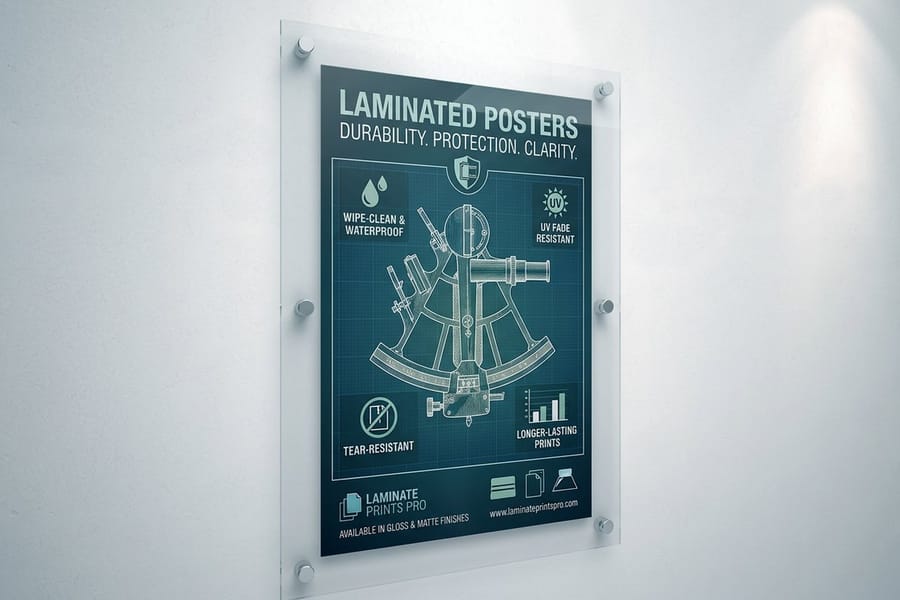
Laminating is the move people forget. A matte film over a printed sheet keeps the non-reflective look and adds scuff and moisture resistance, which is why laminated posters outlast bare stock in a lobby. Put a gloss film on instead and you have thrown away the reason you chose matte. If you want the reasoning on the other side of the trade, read the glossy photo finish guide, and for the full comparison across every stock we run, the matte vs gloss comparison goes further than photo paper alone.
Where Matte Wins, and Where It Costs You

Matte wins wherever you do not control the light. A gallery wall, an office corridor, a shop window, a trade show booth with spotlights pointed down at your work: in each of those the viewer stands where they stand, and a glossy surface hands them a reflection instead of an image. Matte hands everyone the same picture.
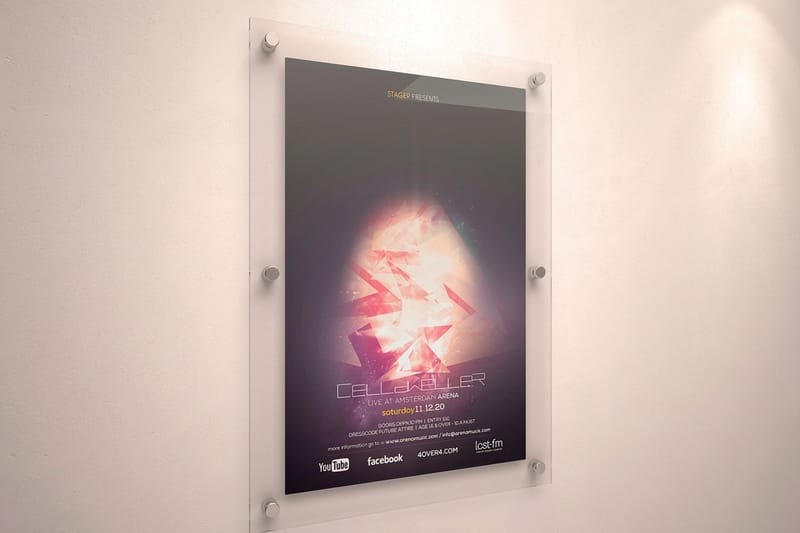
It wins again behind glass. Glass produces its own reflection, and a glossy print underneath adds a second one just behind it, so the two interfere at exactly the angle a person standing in front of the frame uses. Matte under glass leaves you one reflection to position around instead of two. Use a mat or a spacer so the surface never touches the glass, because a photo surface pressed flat against glass in a humid room can bond to it.
Where it costs you is the bottom of the tone scale. Silhouettes, night photography, black backgrounds and heavy monochrome all lose some separation, and color saturation reads a touch quieter than the same file on gloss. That is a real loss, not a rounding error, and it is the honest reason a product photographer shooting on black will refuse matte. Large prints viewed from across a room care much less, because distance flattens the difference and the absence of glare matters more than the last stop of shadow.
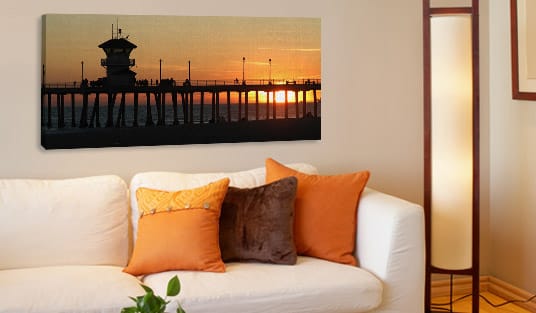
One more practical point. Matte takes pencil and pen, so artists sign and number in the border. That alone decides the finish for anyone selling editions, and it pairs naturally with the sizing worked out in our framed photo sizes guide. If your subject is a texture rather than a photograph, canvas prints give you a non-reflective surface with a weave in it, and premium canvas prints start at $59.
How to Prepare a File for a Matte Print and What to Order

Prepare for the finish before you upload, because nothing about the tone scale can be fixed after the sheet is printed.
- Add contrast, then lift the black point. Push the curve a little steeper than looks right on screen, and raise the darkest value slightly so shadow detail does not collapse into one flat mass. Screens show a black no matte print can reach.
- Do not build shadows out of pure black only. A rich black with the other channels under it holds more separation on an absorbent surface than 100 percent black alone.
- Supply the resolution the size needs. A poster read from across a room is forgiving, a framed print seen from arm length is not. Our guide to enlarging a photo for printing gives the working numbers.
- Judge the proof under the light it will live in. Matte read next to a window looks flatter than it will on a lit wall, and that misreading is the most common reason a customer asks for a reprint.
- Start from the right size. The blank template library gives you a correctly sized layout with the bleed already in place.
Then pick the product for how the piece will hang. Matte posters start at $25 and cover everything from a wall grid to an event backdrop. Mounted prints start at $39.99 and come bonded to a rigid board, so they hang flat with no frame and no waves. Framed prints start at $73.57 and arrive ready to put on a hook. For a poster that will be handled all season, laminated posters start at $25 with a film that wipes clean. Browse the finishes together in poster printing, or the wider image focused range in the photography printing collection. If you are still deciding between rolled and mounted delivery, our guide to printing photo posters walks through the ordering steps.
Wally explains matte photo paper
Light scatters, glare disappears, black softens
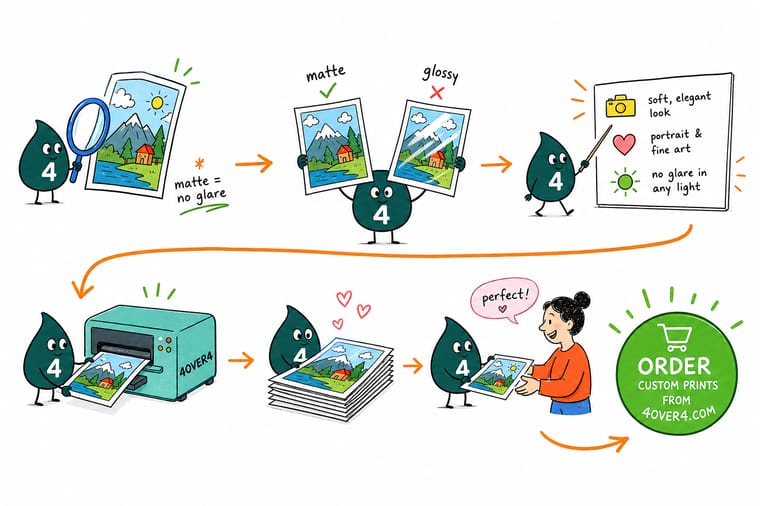
Wally holds two prints of the same photo under a lamp. The glossy one throws a bright patch straight back at him and he has to tilt it to see the picture. The matte one looks identical from wherever he stands, because its coating is rough enough to send the light everywhere at once. Look into the shadows and the trade shows up: the matte black is a deep charcoal, not a black hole. That is the deal. Take it for anything framed, lit from above or handled, and give it a little extra contrast in the file before you upload.
Order matte posters →Specs and pricing
Matte, laminated and mounted, with live sizes and prices
Compare the three ways a matte print leaves our shop, with the configuration choices and starting prices straight from the 4OVER4.COM configurator.



Print it
Order a matte print that reads from every angle



Explore more
Where to go next



By the numbers
Matte prints, framed prints and canvas
Common Questions
Your matte photo paper questions, answered
What is matte photo paper?
Matte photo paper is photo stock whose ink receiving coating has a microscopically rough surface instead of a smooth film. Light that lands on it scatters in many directions rather than reflecting back as a single bright spot, so the print carries no glare and can be read from any angle. The same scattering lets a small amount of light escape from the darkest ink, which is why the deepest black on matte looks like very dark charcoal next to the same file printed on gloss. It comes in two broad families: resin coated matte, which is flat, quick drying and durable, and heavier fine art matte, which has a cotton or alpha cellulose feel, more visible texture and a surface that scuffs more easily.
Is matte photo paper the same as satin or luster?
No. Satin, luster and pearl sit between the two extremes. They keep a small amount of directional reflection, so the blacks come out deeper than matte while the glare stays much softer than full gloss. Photographers who sell prints often land on luster for that reason. If you want a print that never shows a hot spot under a spotlight or a shop window, matte is still the only finish that gets you there, and luster is the compromise when you need some of the black depth back.
Do matte prints fade more slowly than glossy ones?
Not because they are matte. Fade resistance comes from the ink set, the coating chemistry and how much ultraviolet light the print takes, not from how the surface reflects. What matte does give you is damage that shows less: a scuff or a fingerprint that would be glaring on a gloss surface mostly disappears on matte. Framing under glass and keeping the piece off a sunlit wall will do far more for its lifespan than the finish choice.
Can you write on the back of a matte print?
Yes, and on the front margin too. The absorbent matte coating takes pencil, ballpoint and most archival pens without beading or smearing, which is why artists sign and number matte editions in the border. Try the same thing on a resin coated gloss surface and the ink sits on top and rubs off. If you sell prints and want a signature, an edition number or a title written by hand, matte makes that easy.
Should I frame a matte print behind glass?
That is where matte earns its keep. Glass adds a reflection of its own, and a glossy print under glass gives the viewer a second reflection to fight, so the image goes unreadable at the exact angle someone standing in front of it uses. Use a mat board or a spacer so the print never touches the glass. Photo surfaces pressed against glass in a humid room can stick to it, and separating them afterward takes the emulsion with it.
Will a dark photo look flat on matte paper?
It will lose some depth in the bottom quarter of the tone scale, and a night scene or a low key portrait is where you notice it first. The fix happens in the file, not at the printer: add a little contrast, lift the black point slightly so the shadow detail is not all crushed into one value, and judge the result under the light the piece will actually hang in. If the image lives or dies on a true black, print it on a gloss or laminated stock instead and accept the reflections.
Does a matte finish cost more than gloss?
At 4OVER4.COM the finish is not what moves the price. Matte Posters start at $25 and Laminated Posters start at $25 as well, so what you pay is driven by size, quantity and what happens after printing. Mounted Prints start at $39.99 because the print gets bonded to a rigid board, and Framed Prints start at $73.57 because a frame and hardware are added. Choose the finish on how the piece will be lit and handled, then let the mounting decide the budget.
Get Started
Choose a matte finish in the photo print configurator
Pick your size, choose matte, laminated or mounted, and we print work that stays readable from every seat in the room.
Legal Disclaimer
Gold Standard guarantees apply to all standard orders placed through 4over4.com. Price match requires verifiable proof of a competitor's published price for an equivalent product with matching specifications and turnaround time. Satisfaction guarantee covers manufacturing defects and print quality issues. Contact support with order number and documentation. On-time delivery rate based on tracked orders 1999 to 2026. Individual results may vary based on shipping carrier performance.
