
Vinyl vs Coroplast vs Metal Yard Signs and Which One Lasts Outside


Three product names, two real materials, and one of them is not a board at all. Each one is a different material, mounts differently, costs differently, and quits at a different point.
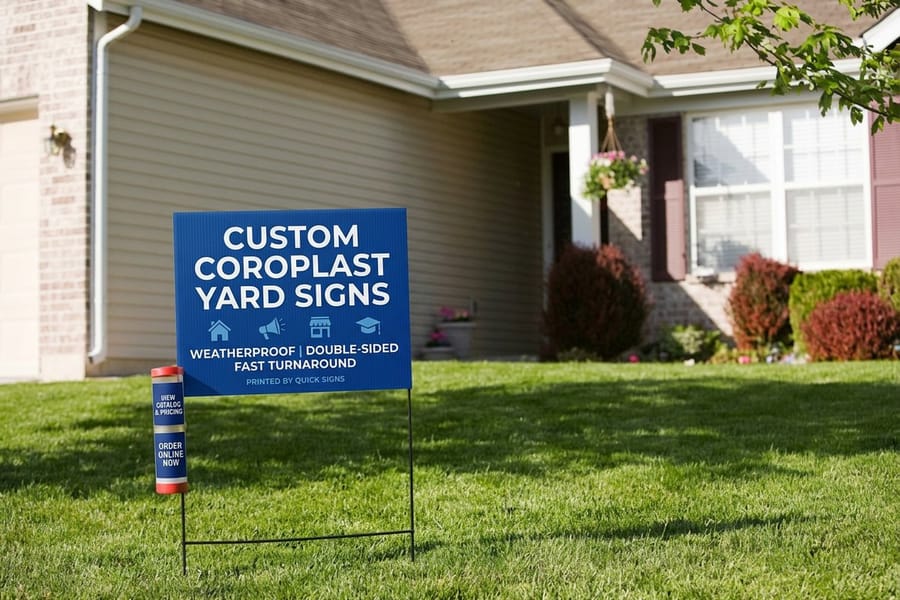
For a sign staked in a lawn the answer is coroplast, and at 4OVER4 our vinyl, coroplast and metal yard sign products all print on the same 4mm white corrugated plastic, from $25. Real metal is a separate product, .040" aluminum from $36, which lasts years but has no hollow core for a stake and must be bolted to a post or a fence. Real vinyl is a printed face from $25 that scales to 48" x 96" but has no rigidity, so it needs a wall, a window or a frame behind it.
Quick answer
The board decides the mount, and the mount decides the material
Coroplast is stiff along its flutes and hollow inside, which is the only reason an H-stake works. Aluminum is one solid sheet with no channel, so it bolts rather than plants, and it repays the extra cost on any message that stays up past this season. Vinyl is a printed face measured in thousandths of an inch, so it goes on glass, on a wall or in a frame, and never straight into grass. Match the material to how the sign will be held up and the price question answers itself.
Two of These Three Names Are the Same Board
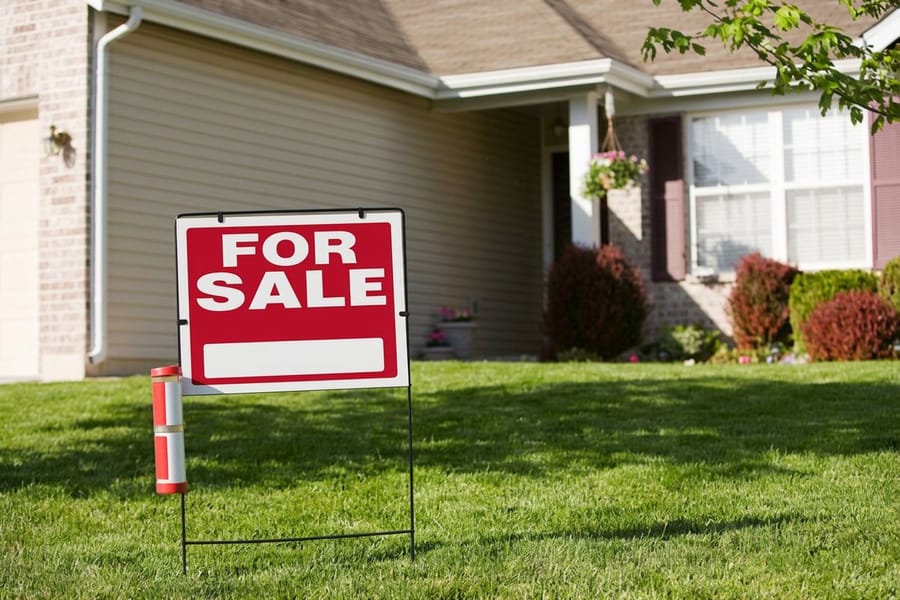
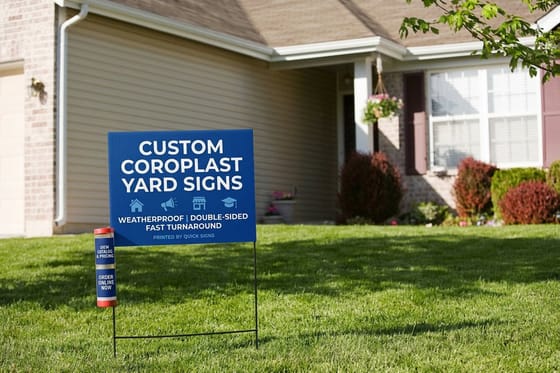
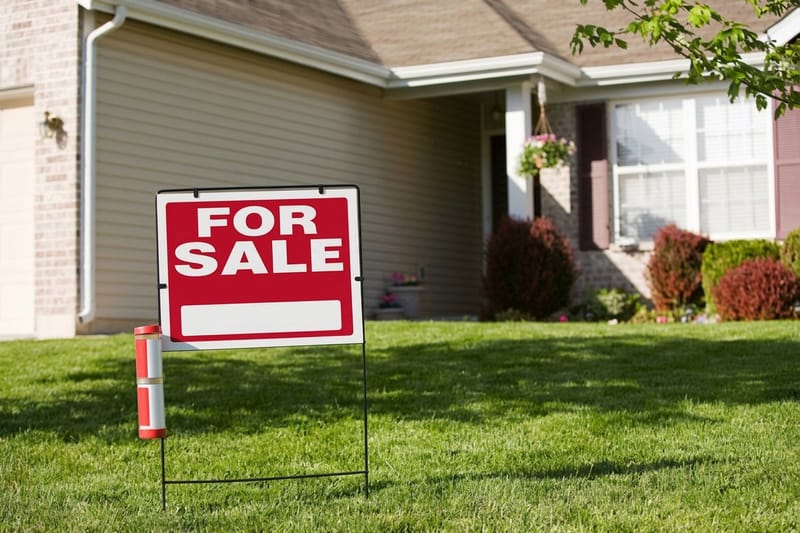
Open vinyl yard signs, coroplast yard signs and metal yard signs side by side and the configurator gives you the same product three times: 4mm white coroplast, four sizes from 12" x 18" up to 18" x 24", one side or both, grommets or an H-stake, from $25 for a single sign.
That is not a bait. It is what the yard sign trade has meant by the word for twenty years. Corrugated plastic replaced posterboard on lawns because it costs almost nothing, weighs almost nothing and does not turn to pulp in rain, and the search terms never caught up with the material. People type "metal yard sign" when what they picture is a sign that lasts, and they type "vinyl yard sign" when what they picture is a sign that survives weather.
So the real comparison is not between three yard signs. It is between the coroplast board, a genuine metal panel, and a printed vinyl face, and only one of those three plants itself in soil.
| If you asked for | What you get here | The product to order |
|---|---|---|
| A yard sign | 4mm white coroplast, staked or grommeted, from $25 | Coroplast yard signs |
| Actual metal | .040" rust-proof aluminum, drilled to mount, from $36 | Aluminum signs |
| Actual vinyl | A printed vinyl face across 10 materials, from $25 | Vinyl signs |
Everything below compares those three real materials. If you only need to know which one goes on a lawn this weekend, it is the first row, and the whole range sits on yard signs printing.
Coroplast, Aluminum and Vinyl Compared
Six things separate them, and price is the least interesting one. Read the mounting row first, because it eliminates two of the three materials for most jobs before cost ever comes up.
| Coroplast | Aluminum | Vinyl | |
|---|---|---|---|
| Material | 4mm white corrugated plastic, two skins over hollow flutes | .040" solid aluminum sheet, rust-proof | Printed vinyl face, 10 material choices including adhesive and blockout |
| How it mounts | H-stake into the flutes, or grommets on the corners | Drilled holes, screwed or bolted to a post, fence or wall | Sticks, hangs or fits a frame. Nothing to stake |
| Sizes | 12" x 18", 12" x 24", 18" x 24", plus custom to 18" x 24" | 12" x 18", 18" x 24", 24" x 36" | 14 sizes, 11" x 17" up to a made-to-order 48" x 96" |
| Starts at | $25 for one 12" x 18" sign | $36 for one 12" x 18" sign | $25 for one 11" x 17" sign |
| Standard turnaround | 5 business days, with 3-day and 2-day rush | 4 business days, with 3-day, 2-day, Next-Day and Same-Day rush | 2 business days, with next-day and same-day rush |
| Where it gives up | Sun dulls the print and the flutes work loose around the stake | No hollow core, so it cannot take a lawn stake on its own | No rigidity at all, so it needs something behind it |
The turnaround row surprises most buyers. The plastic board is the slowest of the three and the metal panel is the one you can rush to Same-Day, which flips the usual assumption that the cheap material is the fast one. If a date is driving the order rather than a budget, check how metal sign printing works before you default to plastic.
Where Coroplast Gives Up, and When That Is Fine
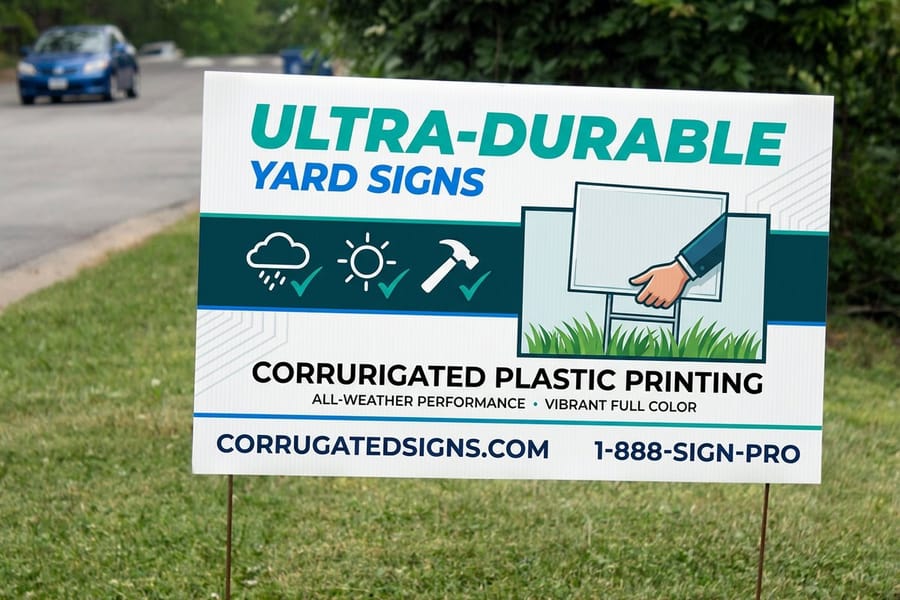
Coroplast fails in three predictable ways, and two of them are avoidable in the file.
Flute direction. The hollow channels give the board all of its stiffness, so it is rigid along them and floppy across them. An H-stake works by sliding two wire legs up inside two channels, which only happens when the flutes run top to bottom. Order a landscape sign with the flutes running side to side and you get a board that will not take the stake and will fold along its own grain. Vertical flutes for staked signs, horizontal for anything hung from grommets.
Sun on the print. The plastic outlasts the ink. A board that spends a summer facing south loses depth in the darks first, and a heavy red or a deep blue goes flat before a black does. That is why campaign and open-house work suits coroplast: the message expires before the print does.
The stake hole. Every time a sign is pulled up and replanted, the flutes around the legs open a little wider. Signs that get moved between showings age faster than signs that get planted once and left, and the failure shows up as a board that leans rather than a board that breaks. Order a few spares on a run rather than a few spare stakes.
None of that is a reason to avoid it. For a listing, a garage sale, a route of campaign signs or a grand opening, coroplast is the right answer and the cheapest way to be visible on a street. The cost and stake breakdown covers how the price moves with quantity, and how to design a yard sign covers keeping the message readable from a moving car.
When a Metal Panel Earns the Extra $11
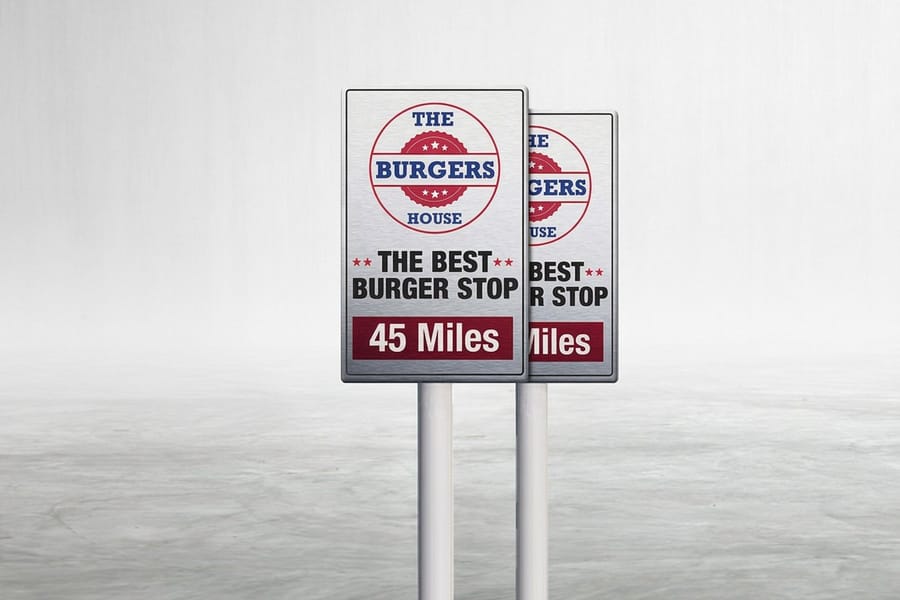
The gap between a $25 coroplast board and a $36 aluminum sign is eleven dollars at the smallest size, and it buys a different category of object. Aluminum does not fade the way plastic does, does not warp in heat, does not rust, and stays flat for years rather than months. It also comes in 24" x 36", a size no yard sign product here offers.
Order it when the sign is answering a question that will still be asked next year. Parking rules, entrance directions, site safety, hours on a gate, a name on a fence. Those messages do not expire, so paying once beats reprinting plastic every spring.
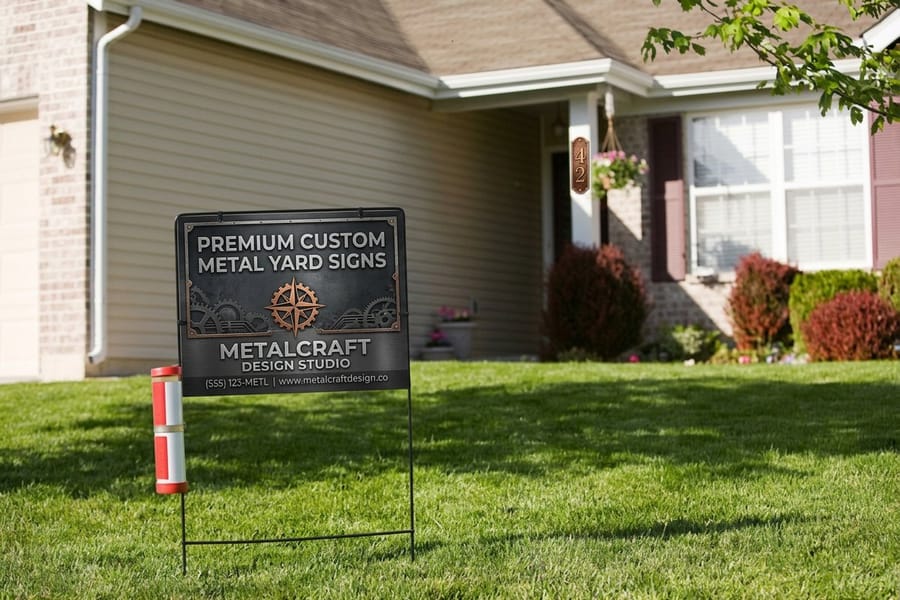
The catch is mounting. Aluminum has no hollow core, so there is nothing for a stake to enter. You order it with drilled holes and optional rounded 0.75" corners, then screw or bolt it to a post, a fence or a wall. People do plant aluminum on a lawn, but on a U-channel post they buy separately, and that hardware belongs in the comparison before you decide metal is only eleven dollars more.
One more reason to look at it: speed. Aluminum runs a 4 business day standard with Next-Day and Same-Day rush available, which is the fastest rigid outdoor option on the site. Our guide to aluminum signs against coroplast and PVC goes deeper on the three rigid substrates, and sign permit rules by state matters before you fix anything permanently in a right of way.
Vinyl Is a Face, Not a Panel
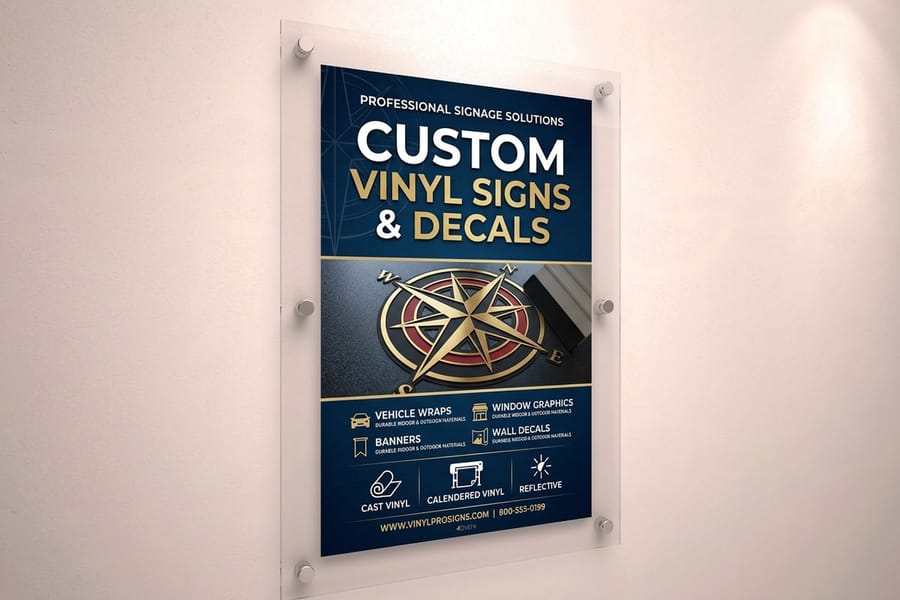
The reason vinyl keeps appearing in yard sign searches is that vinyl is genuinely the toughest printed surface we offer. It is just not a board. Vinyl signs start at $25 and run 14 sizes from 11" x 17" up to a made-to-order 48" x 96", across 10 materials that include 10mil semi gloss and hi gloss, blockout vinyl, permanent and removable adhesive, backlit film and weatherproof polypropylene. Gloss lamination on one side or both is what makes the difference outdoors, because it takes the scuffs and the moisture instead of the print.
Where that beats both other materials: anything wider than 18" x 24", anything that goes onto glass or a wall, anything backlit, and anything that has to come off cleanly later. A removable adhesive face on a storefront window does a job no staked sign can do.
Where it loses: on a lawn. There is no thickness to stiffen and no channel to stake. Mounted to a rigid panel it becomes a sign, and hung from a frame it becomes a banner, but on its own in the open air it drapes. If the plan involves grass and a hammer, go back to coroplast; if it involves a wall, a window or a frame, vinyl is the better face. Durable outdoor sign materials compares the full outdoor range, and you can start from a correctly sized layout in the blank template library.
The Verdict, in Four Decisions

Pick by how long the sign has to live and by what it mounts to, not by the material name in the product title.
- One season or less, planted in soil. Coroplast, from $25. Open houses, campaigns, garage sales, grand openings, directional runs. Order the H-stakes with the signs and add a couple of spares.
- Years, fixed to a post, fence or wall. Aluminum, from $36, with drilled holes. Parking, hours, entrances, site rules, anything you do not want to reprint.
- Bigger than 18" x 24", or onto glass or a wall. Vinyl signs, from $25, laminated if it lives outdoors. Storefronts, windows, backlit panels, large directional graphics.
- Not sure, and it has to be up this week. Aluminum has the shorter standard turnaround and Same-Day rush, so it is the safer choice against a hard date.
For most people reading this the answer is the first line, and the honest version of the comparison is that our vinyl, coroplast and metal yard sign listings all deliver it. Compare the live sizes and prices on yard signs printing, or read yard sign sizes and materials if the size is still open.
Wally explains the three materials
One plants, one bolts, one needs a wall
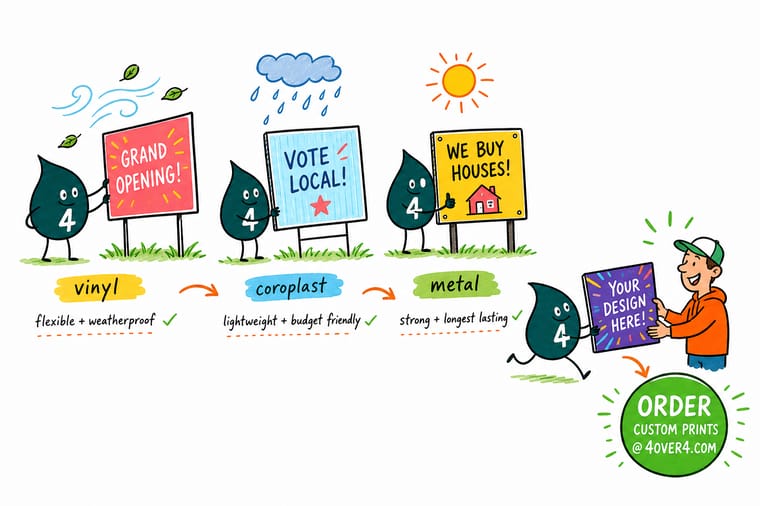
Wally holds all three up. The coroplast board is hollow inside, so the H-stake slides up the flutes and the sign plants in seconds. The aluminum panel is solid all the way through, so there is nowhere for a stake to go and he reaches for screws and a post instead. The vinyl sheet flops over his arm, because it is a printed face and not a board, and it only becomes a sign once something rigid is behind it. Pick by how the sign gets held up and the material picks itself.
Order coroplast yard signs →Specs and pricing
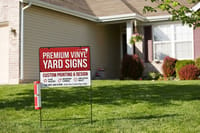
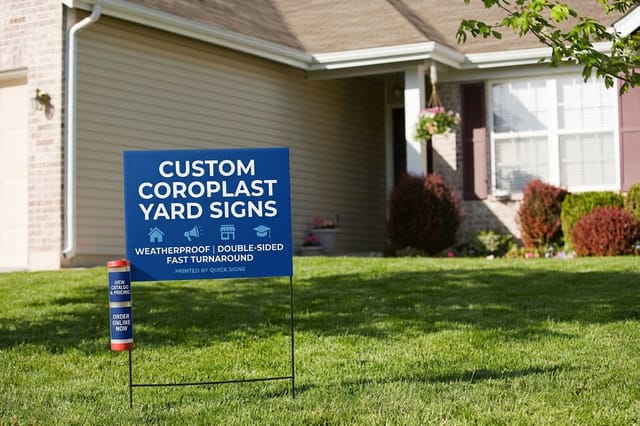
The three yard sign listings, side by side
Same 4mm coroplast board under all three names. Compare the live sizes, options and starting prices straight from the 4OVER4.COM configurator.

Print it
Order the material the job actually needs
Explore more
Where to go next

By the numbers
The shop that prints all three yard sign materials
Common Questions
Your yard sign material questions, answered
Are vinyl yard signs and coroplast yard signs actually different?
At 4OVER4 they are the same board. Open vinyl yard signs, coroplast yard signs or metal yard signs and each one configures to 4mm white coroplast in four sizes from 12 by 18 inches up to 18 by 24 inches, printed one side or both, with grommets or an H-stake, from $25 for a single sign. The names exist because that is what people search for. If you genuinely want a metal panel, order aluminum signs; if you want a printed vinyl face, order vinyl signs. Both are separate products with different materials and different sizes.
Which way should the flutes run on a coroplast sign?
Top to bottom on anything you plan to stake, side to side on anything you plan to hang from grommets. Coroplast gets nearly all of its stiffness from the direction of the hollow channels, so it is rigid along the flutes and floppy across them. The H-stake works by sliding its two wire legs up inside two of those channels, which only happens if they run vertically. Get it backwards and you have a board that will not mount and will not hold its shape.
How long does a coroplast yard sign last outdoors?
Long enough for a listing, a campaign or a season, which is what it is built for. The board itself shrugs off rain from the day it goes in. What ages is the print in strong direct sun, and the flutes around the stake, which work loose after months of wind. Signs that come back looking tired have usually been moved five or six times rather than weathered. If the message needs to sit on a post for years rather than months, that is the point where a .040 inch aluminum panel is the cheaper answer per season.
Can you stake an aluminum sign into a lawn?
Not the way you stake coroplast. Aluminum has no hollow core, so there is nothing for an H-stake to slide into. It is ordered with drilled mounting holes and optional rounded 0.75 inch corners, and it goes onto a post, a fence, a gate or a wall with screws or bolts. Plenty of people do plant aluminum in a yard, but they do it on a U-channel post or a frame that they buy separately. Budget for that hardware before you compare the price against a $25 coroplast board.
Which material handles wind the best?
Aluminum, because it is bolted at two or four fixed points instead of balanced on two wire legs. Among staked signs, the one that survives is the smaller one: an 18 by 24 inch coroplast board catches noticeably more wind than a 12 by 18 inch board on the same stake. Two things help on any lawn. Push the stake in until the board sits low rather than perched, and set the face square to the road so the wind hits the edge rather than the whole panel.
Do I need to print both sides?
Only if people will approach from two directions. A sign at the end of a driveway that everyone sees head on wastes the second side. A sign on a corner lot, a median or a road people drive both ways earns it. On coroplast the second side is a configurator option on every yard sign product, and it is worth checking against simply ordering two single-sided signs and staking them back to back, which also gives you a spare when one gets knocked over.
Get Started
Spec 4mm white coroplast or aluminum in the yard sign configurator
Pick the size, print one side or two, add grommets or an H-stake, and see the price change before you commit. One sign or a hundred, same board.
Legal Disclaimer
Gold Standard guarantees apply to all standard orders placed through 4over4.com. Price match requires verifiable proof of a competitor's published price for an equivalent product with matching specifications and turnaround time. Satisfaction guarantee covers manufacturing defects and print quality issues. Contact support with order number and documentation. On-time delivery rate based on tracked orders 1999 to 2026. Individual results may vary based on shipping carrier performance.
