
How to Write Long-Form Blog Posts That Actually Rank


A practical method for planning, structuring and maintaining a long post: where the outline comes from, which sections get quoted, when to split the topic, and how to reuse the research once it is written.
Long-form posts rank because they close more of the searcher's questions, not because they are long. Build the outline from the top ten results, the People Also Ask box and your own support inbox, give every question its own subheading, and answer each one in the first sentence beneath it. Length follows from coverage. Padding one answer out to 3,000 words moves your best passage down the page and costs you the citation.

Quick answer
Count the questions your draft answers, not its words
Coverage is the thing that ranks, and length is what coverage looks like from the outside. Pull the outline from the results page rather than from memory, give each question a subheading, and answer it in the sentence directly underneath so a skimmer and an answer engine both get a complete passage. Keep utility queries short, because depth is a penalty there. When one section starts pulling its own searches, give it a page instead of another thousand words.
Why Word Count Is a Symptom, Not a Cause
The top results for a competitive term are usually long, so the tempting conclusion is that length is the lever. It is not. What actually varies between the page at position two and the page at position eleven is how many of the searcher's questions each one closes. Coverage produces length. Length does not produce coverage.
Run the test on your own draft. Take each paragraph and write down the question it answers. Two paragraphs answering the same question means one of them is padding, and padding is not neutral: it pushes your best passage further down the page, where fewer readers and fewer answer engines reach it. A tidy 1,400 word post that closes nine questions will beat a 3,200 word post that closes four, every time.
The limit is worth naming, because most advice on this topic skips it. Length hurts on task queries. Somebody searching for a paper weight conversion, a template size, or an office phone number wants the shortest correct answer, and Google has spent years getting better at giving them exactly that. Save depth for topics people are trying to understand, and keep utility pages short on purpose. Our note on writing content that sells without sounding salesy makes the same argument from the conversion side.
One more thing that gets mistaken for length: internal density. A long page that links nowhere is a dead end. A long page that links out to the three sub-topics it summarises, with anchors that name the thing rather than saying read more, gives both readers and crawlers somewhere to go next.
Build the Outline From the Results Page, Not From Your Head

Most long posts fail at the outline stage, before a word is written. The writer lists what they know, arranges it sensibly, and publishes a page that answers the questions they find interesting rather than the ones people typed. Five sources fix that, and none of them takes more than an hour.
| Source | What it gives you | Time to mine | Where it misleads |
|---|---|---|---|
| Top ten results | The subheadings competitors agreed are mandatory, and the format the query rewards. | 30 minutes | It rewards copying. Use it for the floor of your outline, never the ceiling. |
| People Also Ask | Literal follow-up questions, in the searcher's own phrasing, ready to become H2s. | 10 minutes | It expands as you click, so it will happily give you forty questions for a topic that has six. |
| Your support inbox | The objection and the confusion nobody publishes, which is the part competitors cannot copy. | An afternoon, once | Loud customers are not average customers. Look for the question asked repeatedly. |
| Forum and community threads | Why the standard answer fails in practice, plus the vocabulary real people use. | 45 minutes | Anecdotes read as evidence. Treat them as leads to verify, not as facts to quote. |
| Search Console queries | Terms your existing pages already half-rank for, which are the cheapest sections to add. | 15 minutes | It only shows demand you already touch. It is blind to everything you have never written about. |
Read the last column before the second. Every source has a failure mode, and the outline that survives is the one built from three or more of them rather than from whichever tab was open. When the list is done, group the questions into sections, put the one with the highest search demand first, and cut anything that answers a question you invented. The beginner's guide to content marketing covers how this outline slots into a wider plan, and content marketing analytics covers how to tell afterwards whether it worked.
One Post, Three Formats: Give the Research a Second Life in Print
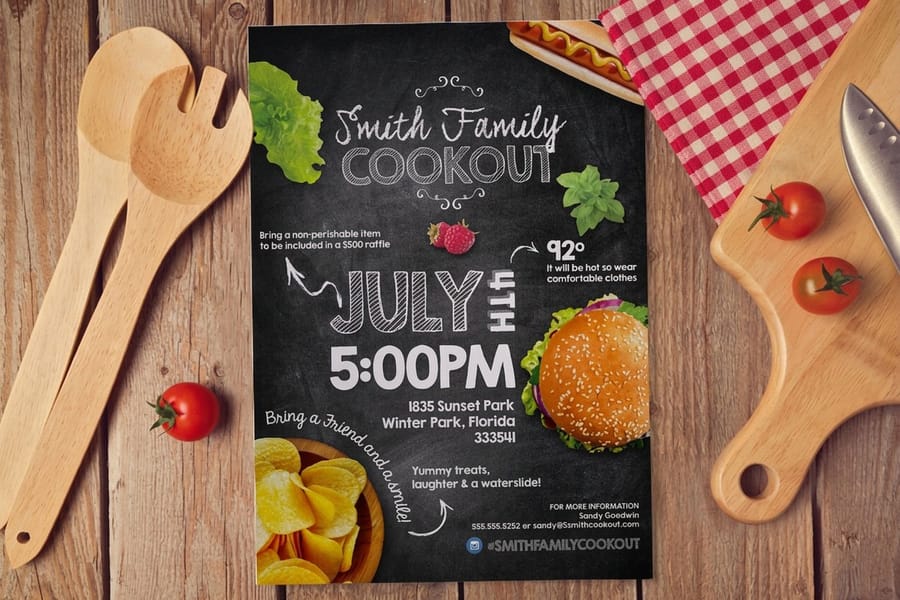
A pillar post is the most expensive thing a small content team makes and usually the least reused. The research behind 3,000 good words is enough for a sales leave-behind, a trade show handout, and a mailer, and each of those reaches somebody who was never going to find the URL. This is where a printer is genuinely useful to a blog.
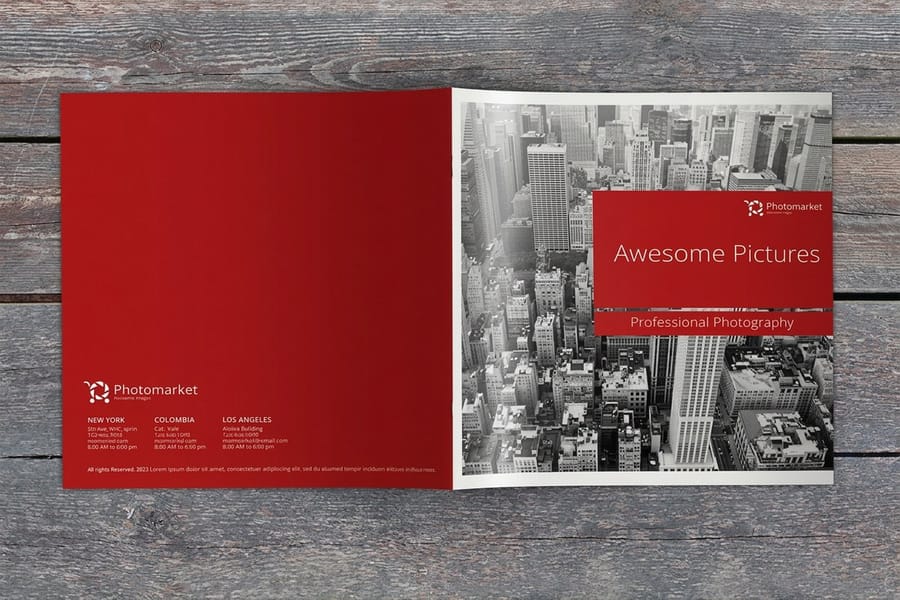
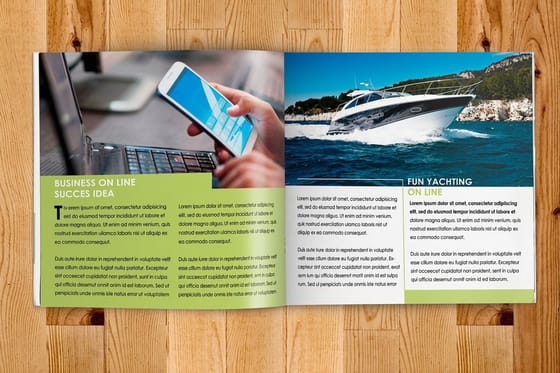
The pillar becomes a printed guide. When the post exists to be kept rather than skimmed, a booklet is the right object: it stays on a desk, it survives a follow-up call, and it does not compete with a browser tab. Standard Booklets start at $240.55, which puts a small run in reach of a single trade show or a quarter of sales follow-ups.
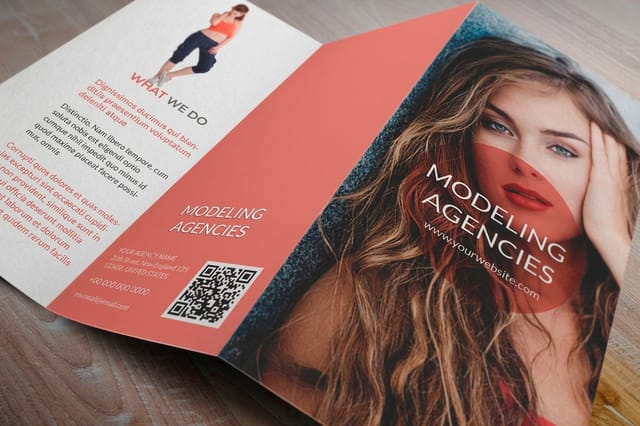
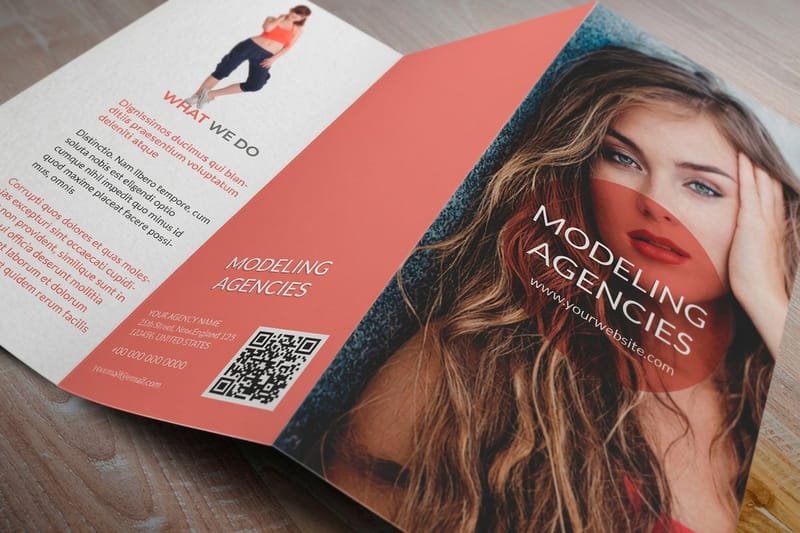
The three best sections become a brochure. Pull the sections with the highest time on page, drop the background, and you have a handout. Standard Brochures start at $57.11 and fold into panels that map neatly onto three H2s. For a one-page version for an event table, Standard Flyers start at $39.54.
One takeaway becomes a mailer. The single most quoted line in the post, printed large, with a QR code to the full page, is a better postcard than anything written specifically as an ad. Standard Postcards start at $16.48. If direct mail is new to you, direct mail against digital compares the two honestly, including where mail loses.
The trade-off is real and worth planning around: print freezes the content. Anything with a price, a version number, or a year in it will be wrong before the box is empty. Set the stable parts in ink, point the QR code at the live post for everything else, and order the quantity you will actually hand out rather than the one that lowers the unit price. Browse the whole range in marketing materials before you commit to a format.
Structure That Survives a Skim, and the Refresh Cycle That Keeps It Ranking

Long pages are not read, they are scanned until something stops the eye. Structure is what makes them work, and the same structure is what makes them quotable by an answer engine, so you only have to get it right once.
Write each H2 as the question a person would type, then answer it in the first sentence underneath. That single habit does more for a long post than any other edit, because it means a reader who lands mid-page gets the answer without scrolling and a machine lifting a passage gets a complete one. Keep one claim per sentence. Put comparisons in a table rather than in prose, because a table is easier to scan and far easier to quote. Use lists only when the items are genuinely parallel, since a page of bullets reads as notes rather than as an argument. If your drafts come out uniform and airless, humanising AI copy covers the tells to strip.
Then plan the maintenance, because a long post is an asset with a service interval. Twice a year, open the results page for your main query and look at the pages around you rather than at your own position. Three new faces in the top ten, or a format shift from articles to comparison pages, means the intent moved and your outline is now out of date. Fix it in place. Never change the URL to signal a rewrite: the links, the age, and the history all live on that address, and a new slug throws them away for a cosmetic gain.
Track the right thing afterwards. Sessions on a pillar post are a vanity number if none of them reach a page where something can happen, which is the argument in the converting content funnel. Watch scroll depth to the section you consider the payoff, clicks onto the supporting pages, and whether the post is still the one that gets quoted when somebody asks the question out loud. And if you are still setting the blog up, how to start a small business blog covers the decisions that make all of this cheaper later.
Wally explains long-form
Nine answers beat nine hundred extra words
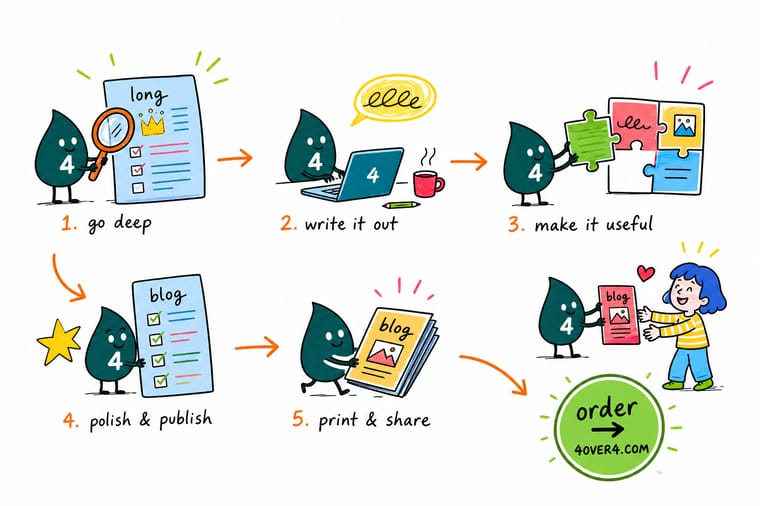
Wally puts two drafts on the scale. The heavy one says the same thing four times in nicer language. The lighter one gives every question its own heading and answers it in the first line. The lighter one wins, because a reader landing in the middle of it still gets an answer, and so does anything quoting the page. When one of those headings starts attracting searches of its own, Wally gives it a page rather than another paragraph, then prints the finished pillar as a booklet for the people who will never type the query at all.
Turn the pillar into a printed booklet →Specs and pricing
Formats for the offline half of a content plan
Sizes, stocks and starting prices for the three formats a long post converts into most easily, straight from the 4OVER4.COM configurator.



Print it
Put the research in someone's hands


Explore more
Where to go next




By the numbers
The print side of your content plan, handled
Common Questions
Your long-form questions, answered
How long should a blog post be to rank?
There is no target number, and picking one is how posts get padded. Open the queries you want, read the pages already ranking, and count the distinct questions each one answers. Your draft has to answer those plus at least one the others missed. If that takes 900 words, the post is 900 words. If the topic genuinely splits into eight sub-questions with their own search demand, you are looking at a pillar post plus several supporting pages rather than one very long article.
Will adding more words to an old post improve its rankings?
Only if the new words answer something the page did not answer before. Bolting an extra 600 words of restated background onto a page that already ranks eighth usually changes nothing, and it can dilute the passage that was being quoted. The reliable version of the same move is to reread the current top results, list what they cover that you do not, and add sections for those gaps with a subheading each.
Should I split a long post into several shorter ones?
Split when a section starts attracting its own searches. The signal is easy to read in Search Console: if a single H2 is picking up impressions for queries the rest of the page never touches, that section wants a page. Keep the pillar as the overview, give the section its own URL with room to go deeper, and link both directions with a descriptive anchor rather than a bare title.
How often does a long-form post need updating?
Put a calendar reminder on every post that matters and check the results page twice a year. You are not looking at your own rank, you are looking at whether the pages around you have changed shape. If three of the top ten are new, or the format shifted from articles to comparison tables, the intent moved and your page needs to move with it. Prices, screenshots, and anything with a year in it get checked more often than that.
Do long posts still work when AI answers the question in the results?
They work differently. Answer engines lift short, self-contained passages, so the parts of your page that get quoted are the definition sentence, the comparison table, and the numbered steps rather than the narrative. Write those as if they will be read out of context, because they will be. The depth underneath is what makes the page worth citing in the first place, and it is what the reader finds when the citation sends them over.
What is the fastest way to reuse a long post offline?
Take the three sections that get the most time on page, set them as a short printed piece, and put a QR code to the live post on the back. A brochure covers it for handouts and trade shows, a booklet is the right home for a pillar guide you want a prospect to keep, and a postcard carries one strong takeaway plus the link. Print the stable parts only, and let the code do the work of pointing at anything you plan to keep editing.
Get Started
Order 25 booklets from $240.55
Set your best three sections as a brochure, keep the full guide as a booklet, and put a QR code on a postcard so the print work sends people back to the page.
Legal Disclaimer
Gold Standard guarantees apply to all standard orders placed through 4over4.com. Price match requires verifiable proof of a competitor's published price for an equivalent product with matching specifications and turnaround time. Satisfaction guarantee covers manufacturing defects and print quality issues. Contact support with order number and documentation. On-time delivery rate based on tracked orders 1999 to 2026. Individual results may vary based on shipping carrier performance.
