
How to Customize Your Print Order From Size to Coating to Shape


Five choices turn a stock product into your product. Here is the order to make them in, what each one closes off, and where the money actually goes.
You customize a print order in five choices, taken in this order: size, stock, coating, shape, then folding. Each one narrows what is still available after it, so picking a die-cut shape before the stock is settled is the quickest way to a quote you did not expect. Size and stock are cheap to change and decide the most. Coating changes the surface. A custom shape changes the tooling, which is why it is the steepest step on the price ladder.
Quick answer
Size, stock, coating, shape, fold, in that order
Customization is a sequence, not a menu. The size you pick decides which shapes and folds are still on the table. The stock decides which coatings will bond, whether a fold needs scoring, and how a cut edge holds. Coating decides whether anyone can write on the piece. A shape decides whether a cutting die has to be made, which is the one choice that changes the tooling rather than the materials, and the one that moves the price furthest. Folding comes last because it depends on all four.
The Five Levers on Any Print Order
Open any product on 4OVER4.COM and the configurator asks the same five things in the same order. Size, then stock, then coating, then shape, then folding. The order is not decoration. Each answer removes options from the ones after it, which is why a customization that felt simple on paper sometimes comes back as a quote instead of a price.
| Lever | What it changes | What it locks after it | Effect on price |
|---|---|---|---|
| Size | The trim dimensions of the finished piece. | Which shapes fit, which folds are possible, and whether the job prices instantly or needs a quote. | Standard sizes price live. A size outside the range moves the job off the grid. |
| Stock | Weight, rigidity and whether the surface is coated or uncoated. | Which coatings can bond to it, whether a fold needs scoring, and how a die-cut edge holds. | Small steps. Going from a lighter card stock to a heavier one is the cheapest upgrade on the list. |
| Coating | The surface: gloss, matte, UV, silk or soft touch film, spot gloss. | Whether anyone can write on the piece, and how the color reads under light. | Real but moderate. Silk laminated business cards start at $74.53 against $17.57 flat. |
| Shape | The outline, from rounded corners to a fully custom cut. | The safe area for type, and whether the job needs a new cutting die. | The steepest step. Custom shaped business cards start at $95.56. |
| Fold | Half, tri, Z, gate, or a folder with pockets. | Which panel is page one, and how much stock you can get away with. | Modest on its own. Folding heavy stock adds a scoring pass first. |
Read the third column before the fourth. Most orders that go sideways do it because a choice near the top of the list quietly closed a door further down, not because anything was expensive. If you want the shortest possible route, start from a product in the custom printing collection, since those are the ones built to take a size, shape or finish that is not the default.
Size and Stock Decide What Is Still Possible
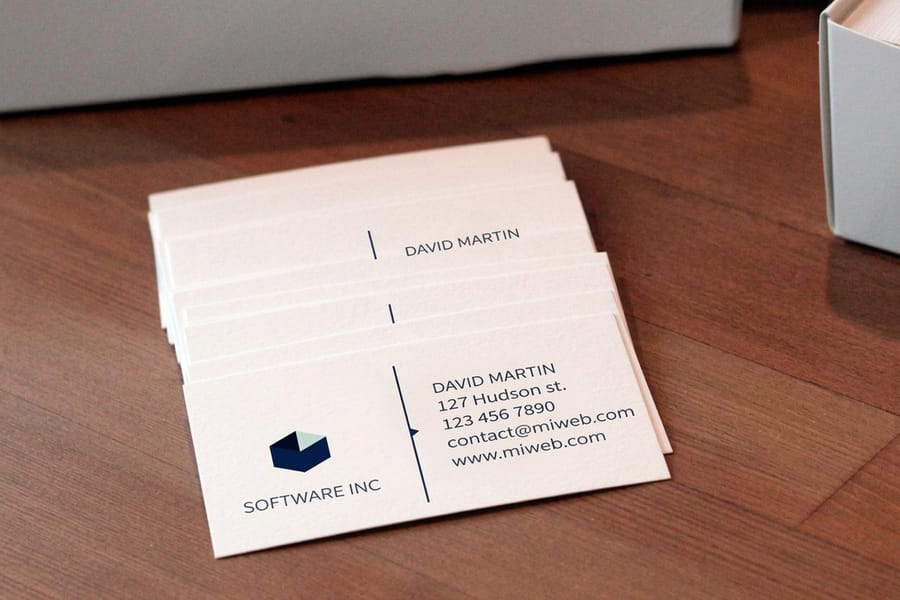
Size comes first because every other choice is measured against it. A business card is 3.5 by 2 inches unless you say otherwise, a presentation folder is 9 by 12 inches closed so it swallows a letter sheet without the corners poking out, and a postcard sits on one of the standard mailing sizes for a reason worth knowing: the postal rate is tied to the dimensions, so an inch in the wrong direction costs money on every piece you mail rather than once on the print bill.
The custom size field is bounded on both ends. Type a width and height inside the range and the price updates like any other option. Type something outside it and the configurator refuses and shows you the size it rejected, which is more useful than it sounds, because it tells you how far off you are and whether trimming a quarter inch brings the job back onto the grid.
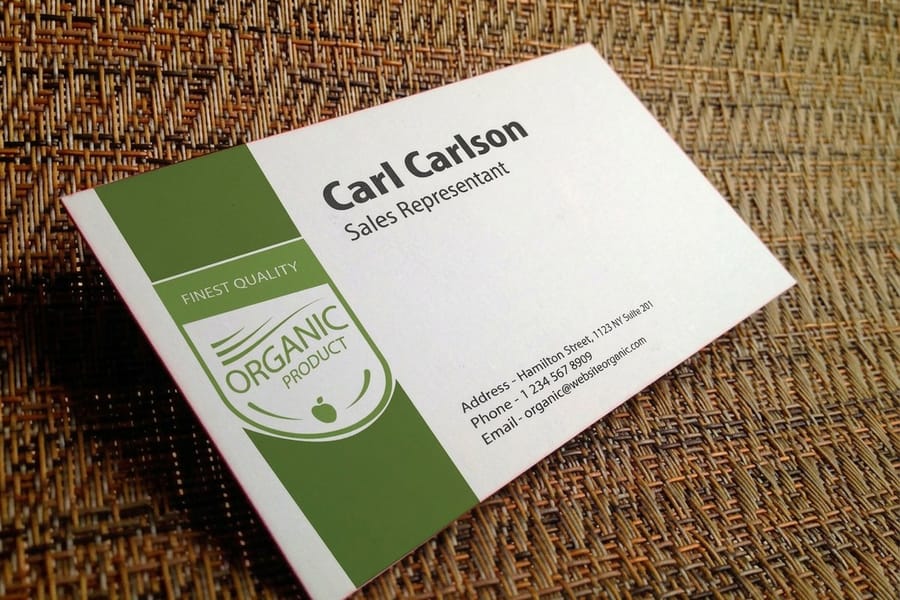
Stock is the second question and the one people underrate. On cards, the practical choice is between a standard card weight and a heavier one, and the heavier sheet is noticeably more rigid the moment the piece gets larger than a business card. Heavier is not automatically better. Thick stock cracks along a fold unless it is scored first, so a folded piece and a flat piece want different papers. Coated stock takes sharp, saturated color and resists handling. Uncoated takes a pen, which matters on appointment cards and on anything a customer writes on.
Two habits save most of the trouble. Build the file at the finished size with bleed already extended, using a layout from the blank template library rather than a canvas you set up by eye. And if you are unsure between two card weights, read business card stock explained and then order standard business cards at $17.57 as a physical reference before you commit a large run to a paper you have only seen on screen.
Coatings and Finishes Change the Surface, Not the Structure
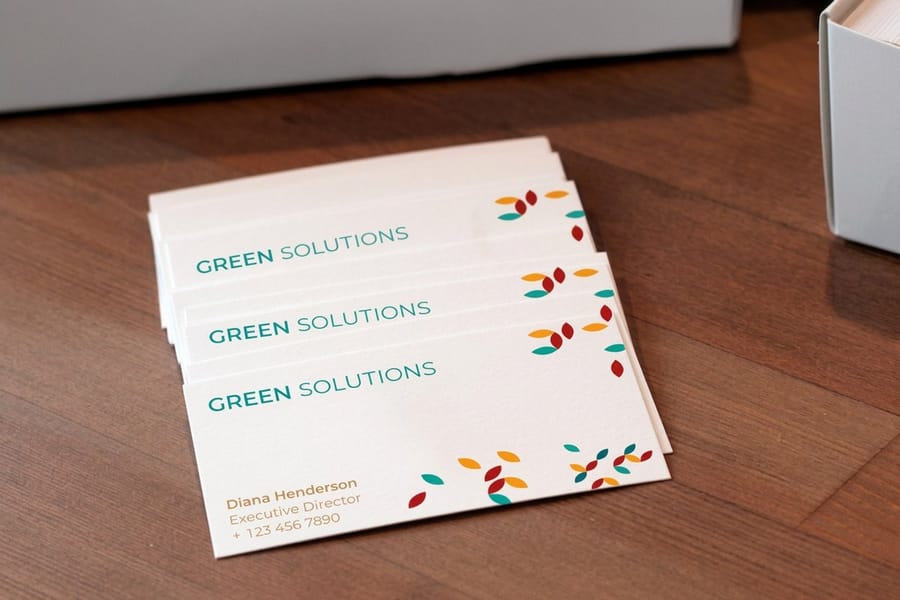
Coating is where customization gets visible fastest and where the trade-off is most often missed. Gloss and matte aqueous coatings are thin liquids applied in line with the press, so they cost little and add no time. UV is harder and glossier. Silk and soft touch are laminations, which means a plastic film bonded to the sheet rather than a liquid dried onto it, and that difference drives everything that follows.
Film protects. A laminated card survives a wallet, a pocket and a rainy walk in a way a coated one does not, and the edges stay clean. Film also seals. You cannot write on a silk laminated card with a ballpoint, and the ink you do get down will smear under a thumb. Every printer has taken the same call from a dentist or a salon owner holding a beautiful soft touch card they cannot write an appointment time on. If someone will write on the piece, the fix is specified at order time, not afterwards: leave the back uncoated, or ask for a writable panel free of film.
The other honest trade-off is optical. Gloss makes color jump and shows every fingerprint. Matte hides fingerprints and mutes saturation slightly, which is a fair price on a photo-heavy design and a poor one on a logo built from a single bright color. Spot gloss splits the difference by putting shine only where you want it, over a matte field, so the contrast does the work.
Price behaves sensibly here. Silk laminated business cards start at $74.53 against $17.57 for the flat version, so a finish roughly quadruples the entry price of a card while the shape lever multiplies it further. If you are choosing between the two common surfaces, matte against gloss on business cards lays out how each one behaves in the hand.
Custom Shapes and Die Cuts, and When They Repay the Cost
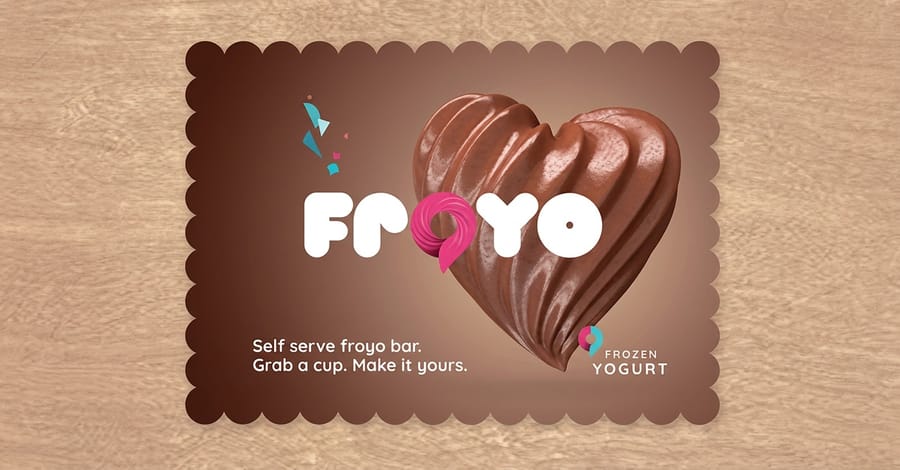
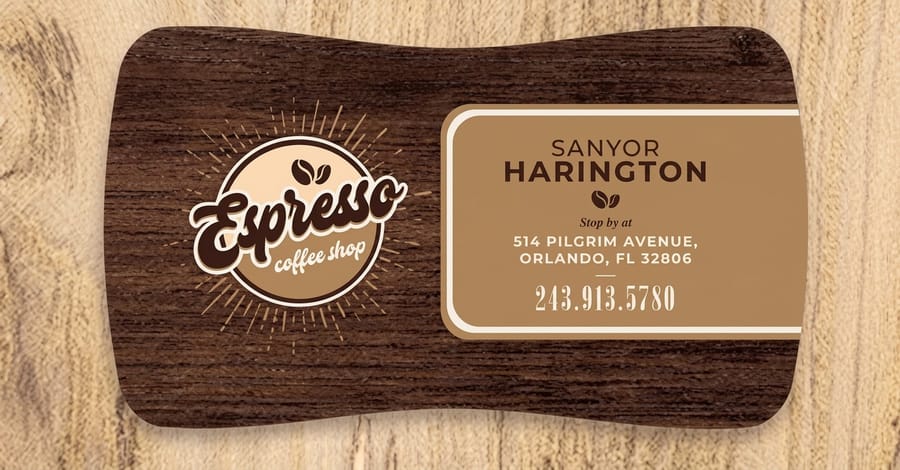
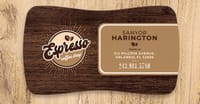
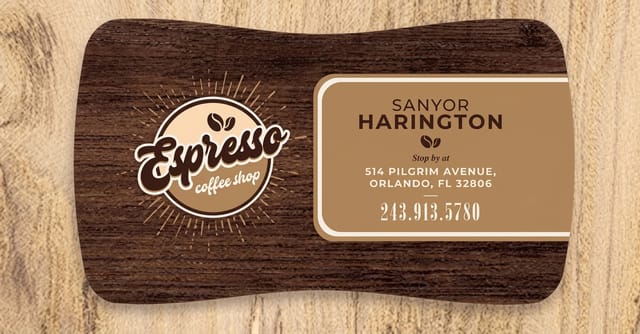
A shape is the one customization that changes the tooling rather than the materials. Rounded corners are a standard option and behave like any other click. A genuinely custom outline is a cutting die, which is a physical tool made for your artwork, and it has to be built before a single piece runs.
That is why the price step is bigger than it looks. Custom shaped business cards start at $95.56 and custom shaped postcards at $135.11, against $16.48 for standard postcards. What you are buying is not better paper. It is a tool, plus the setup to run it, and the second job on the same die is the one where the math improves.
Design for the cut from the start. Keep type and logos comfortably inside the line, because a curve removes usable area faster than a straight trim, and an outline that sweeps toward the center will clip a name that sat happily on a rectangle. Draw the die line as one closed path on its own layer, in a named spot color, so nobody on the prepress side mistakes it for artwork. Then look at the shape from ten feet away: if it does not read as anything at that distance, it is decoration, and a heavier stock would have bought more attention for less money.
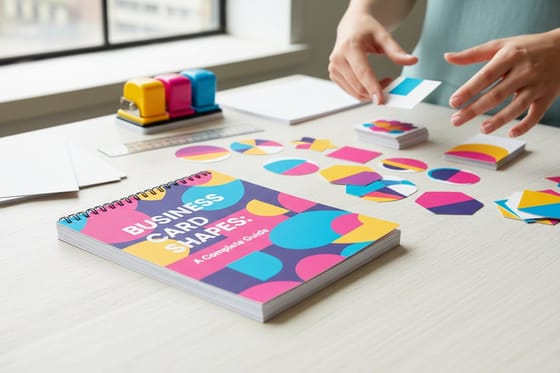
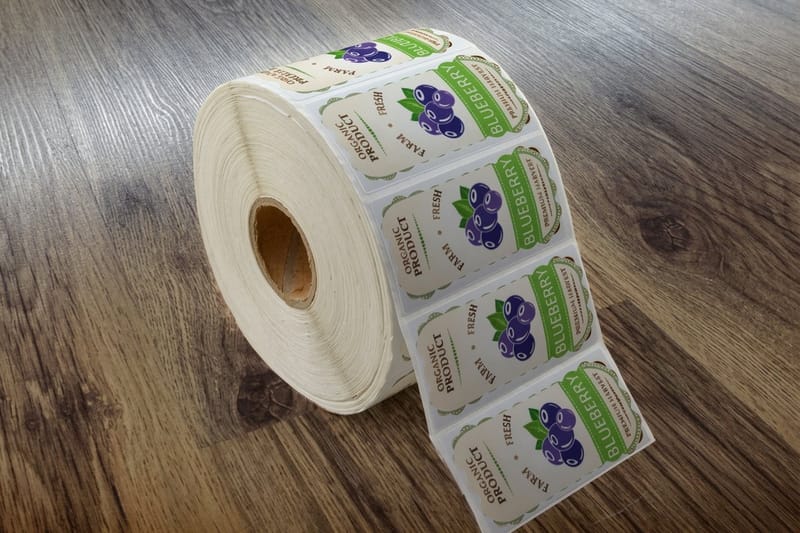
Shapes repay the cost where the piece competes physically with other pieces. A die-cut sticker at $93.37 that follows the logo outline is doing real work, because the shape is the product. A card handed over one at a time in a quiet room rarely needs one. For the full breakdown, die-cut card printing explained and the business card shapes guide cover which outlines are standard and which ones need their own tooling.
Customizing Folders, Where Quantity Is the Real Decision
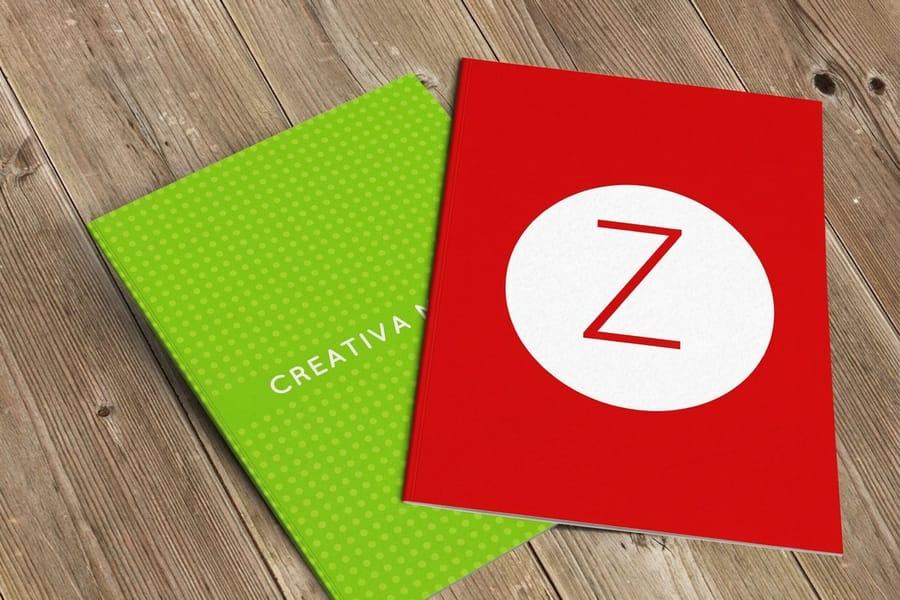
Folders are the piece most people mean when they ask about customizing a print order, and the choices split cleanly. The structure is close to fixed: 9 by 12 inches closed, pockets on the inside, and a slit in the right pocket that holds a business card at an angle. What you customize is the artwork across the cover, the stock, the coating, the pocket count, and whether the card slit is there at all.
Then there is the decision that dwarfs all of those. Short run presentation folders start at $108.75 and print digitally, which means no plates, no make-ready, and a sensible price on a few dozen folders. Pocket folders start at $844.54 and print offset. That gap is not a quality ladder. It is the cost of setting up an offset run, spread across the quantity you order, and it only turns into a bargain once the quantity is large enough to divide it down.
So work the number first. Count the folders you will genuinely hand over in a year, including the ones that sit in a drawer and go out of date. If that number is small, short run wins on price and on waste, since a rebrand will not leave you with a pallet of obsolete covers. If your sales team empties a box every month, offset pricing takes over and the per-folder cost drops well below the short run figure.
On the artwork, two things go wrong repeatedly. Heavy coverage across the fold cracks if the stock is not scored first, so keep dark solids off the spine or accept a scoring pass. And the pocket covers roughly the bottom third of the inside panel, so anything you print there is hidden the moment a sheet goes in. Our guides to custom business folders and pocket folder printing go through the panel layout, and standard folder sizes covers the dimensions before you draw anything. To compare every folder we make, the presentation folder category lists them side by side.
Wally walks the order form
Five choices, and each one narrows the next
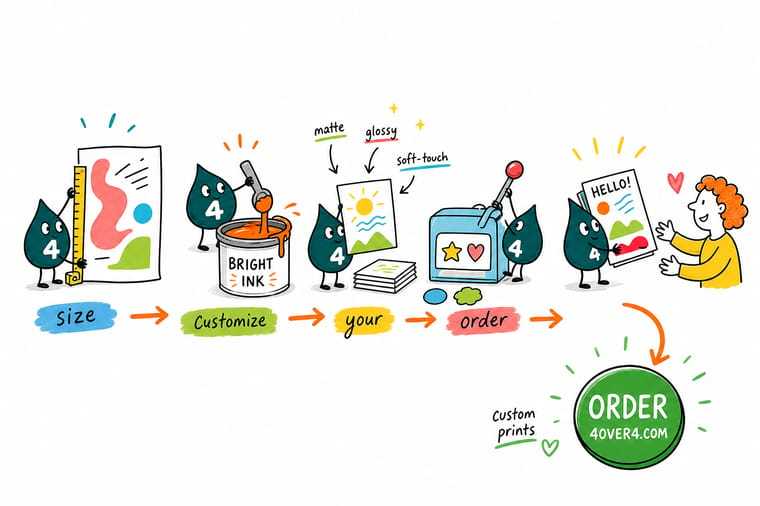
Wally sets the size first, because everything is measured against it. He picks the stock second, since a thin sheet will not hold a fold or a die-cut edge. Coating comes third, and he leaves a bare strip on anything a customer has to write on. Shape is fourth, and he only pays for a cutting die when the outline is doing real work. Folding is last, because it depends on all four. Take them out of order and something you already chose quietly rules out the thing you wanted.
Shop the custom printing collection →Specs and pricing
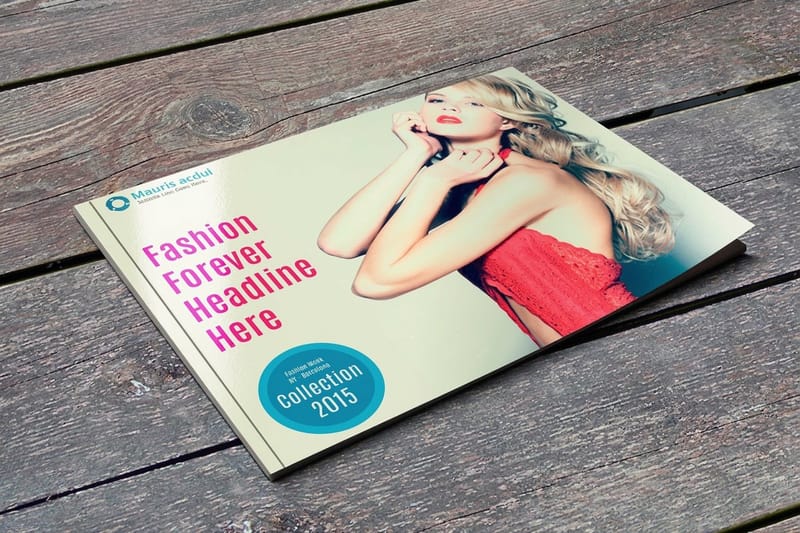
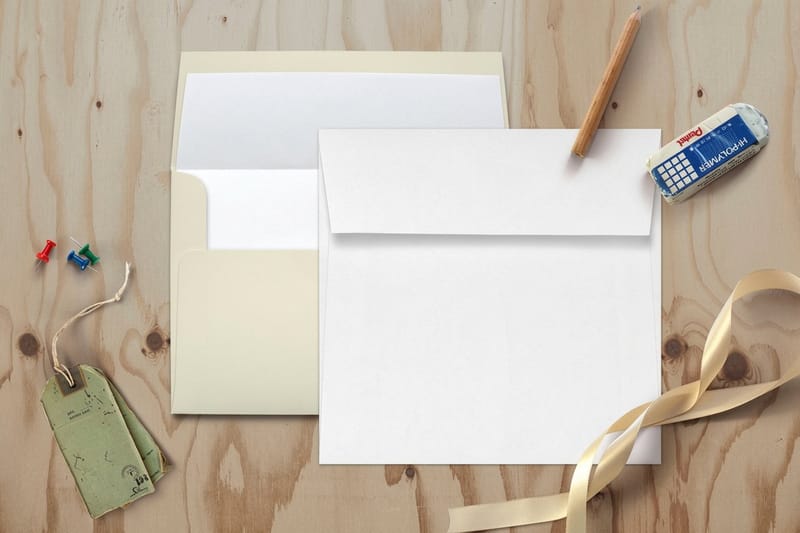
The same product, flat, shaped, and folded
Open each configurator and watch the levers move. Sizes, stocks, coatings and starting prices come straight from the 4OVER4.COM ordering system.
Print it
Start from a product built to be customized
Explore more
Where to go next
By the numbers
25+ years of customizing print orders
Common Questions
Your customization questions, answered
Can I order a size that is not in the dropdown?
On most products, yes. The size selector carries a custom option that takes your own width and height, and it is bounded: the configurator accepts anything inside the range the press and the cutter can handle and refuses the rest, telling you which size it turned down. If the piece you want sits outside that range, it stops being a self-serve order and becomes a quote, which our team handles by email. Before you type a custom size, check the standard list, because a size on the grid runs on the normal schedule and prices instantly.
Does a custom shape delay the job?
A rounded corner does not, because it is a standard option that runs off tooling we already have. A genuinely new outline does, because the shape has to be cut from a die and the die has to exist before anything runs. Plan for the extra step when the outline is unusual, and expect the first job on a new shape to take longer than the reorder, which uses the same die again.
Can I write on a laminated business card?
Not with a ballpoint or a rollerball. Silk and soft touch lamination bond a thin plastic film to the sheet, and ink sits on top of the film instead of soaking in, so it smears with a thumb. Cards that get written on need either an uncoated surface or a writable panel left free of film on the back. Decide that before you order, because it has to be built into the job, not added later.
What do I need in the file for a die-cut shape?
Supply the artwork at full size with a bleed extending past the cut, and put the die line on its own layer as a single closed path in a clearly named spot color so nobody mistakes it for artwork. Keep type and logos well inside the line, because a curved cut eats usable area faster than a straight trim, and a shape that sweeps in toward the middle will clip a name that sat comfortably on a rectangle. Our checklist on bleed, cut line and safety covers the measurements.
Which folder option gives a custom look for the least money?
Short run presentation folders, starting at $108.75. They print digitally, so you get full color coverage, your own artwork across the whole cover, and business card slits without paying for an offset make-ready. Pocket folders start at $844.54 because that is what an offset run costs to set up, and it only pays off across a large quantity. Work out how many folders you will actually hand over in a year first, then pick the process that matches the number.
Do customization choices change the turnaround?
Coating and stock usually do not, because they are part of the normal run: the coater is in line with the press, and a heavier sheet is still one pass. What adds time is a step that happens off the press, which means a new cutting die, a fold that needs scoring first, or a custom size that has to be quoted before anything is scheduled. If the deadline is tight, keep the size standard and spend the customization budget on stock and coating instead.
Get Started
Order 50 postcards from $16.48 and move one lever at a time
Set the size, choose the stock, add a finish, and cut it to any shape you like. Every option prices live before you commit.
Legal Disclaimer
Gold Standard guarantees apply to all standard orders placed through 4over4.com. Price match requires verifiable proof of a competitor's published price for an equivalent product with matching specifications and turnaround time. Satisfaction guarantee covers manufacturing defects and print quality issues. Contact support with order number and documentation. On-time delivery rate based on tracked orders 1999 to 2026. Individual results may vary based on shipping carrier performance.
