
EDDM vs Targeted Direct Mail and Which One Wins Your Budget


One path buys neighborhoods, the other buys names. The cost, the waste, the size of the piece and the volume rules all follow from that single choice.
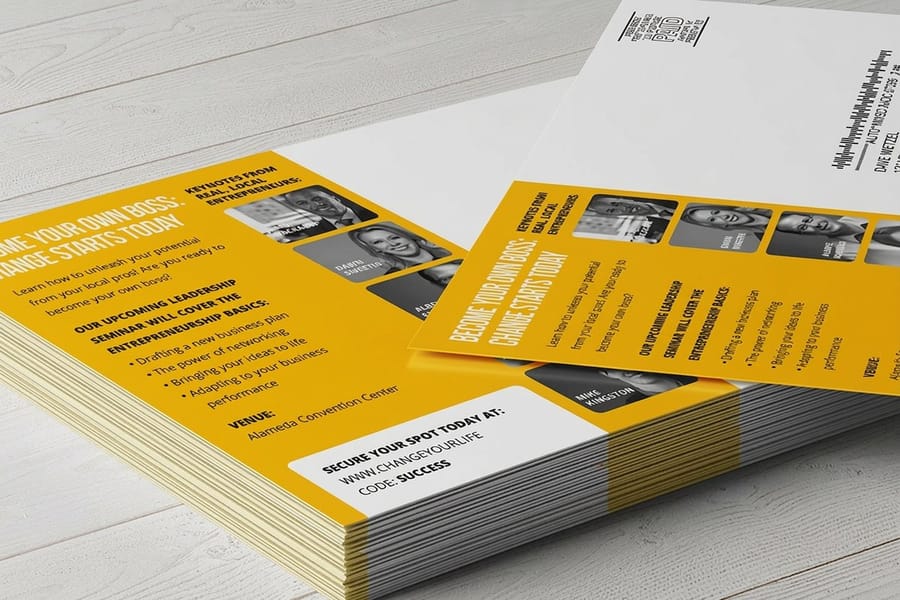
EDDM mails every active address on the USPS carrier routes you pick, with no mailing list, but the piece must be larger than a letter. Targeted direct mail buys individual addresses from a list, so you can mail a small 4 by 6 postcard to only the households that match your customer. Choose EDDM when a large share of a neighborhood could buy from you. Choose targeted mail when your buyer is rare, when you sell to businesses, or when you need to exclude people you already serve.
Quick answer
Buy geography, or buy names
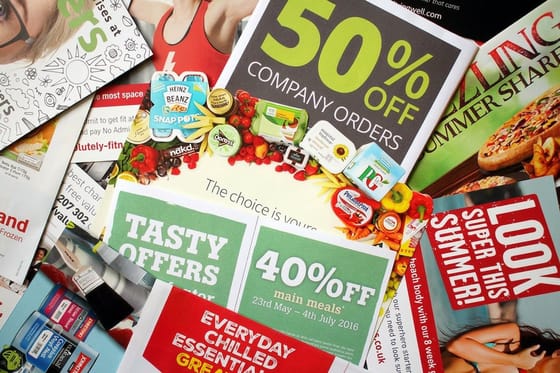
EDDM removes the mailing list and replaces it with a map. You select carrier routes, every active address on them receives the piece, and USPS charges the lowest saturation rate. The catch is the size floor: the piece must beat a letter, so a 4 by 6 postcard is not eligible and print cost rises. Targeted mail keeps the list, pays for it, and buys back the ability to skip everyone who will never buy. Density decides which trade is better. Common buyer, mail the route. Rare buyer, buy the names.
What Actually Separates EDDM From Targeted Mail
Both routes end with a printed piece in a mailbox. Everything before that is different, and the difference starts with what you are allowed to select.
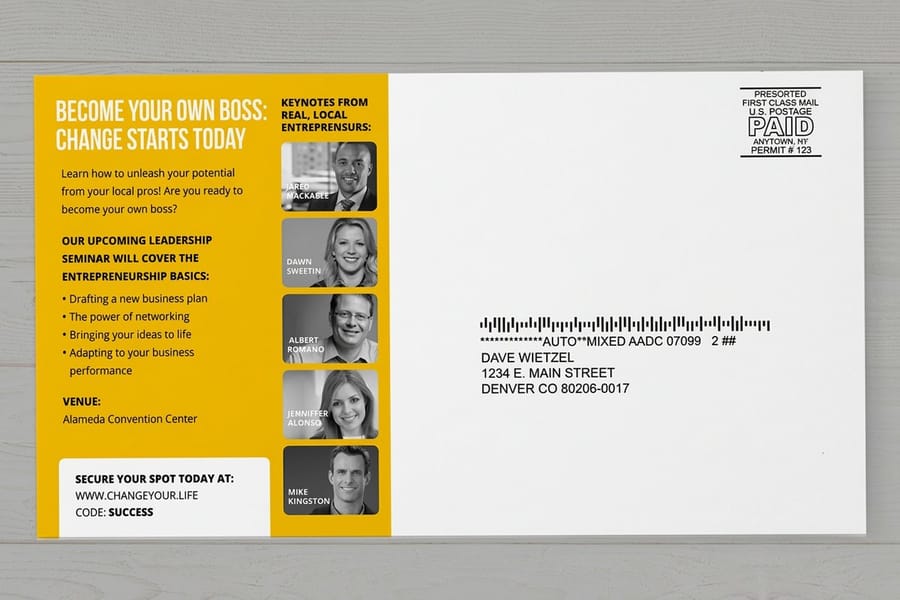
EDDM selects carrier routes. A carrier route is one letter carrier's daily walk, typically a few hundred addresses in a defined shape. You pick routes on the USPS mapping tool, you get every active delivery point on them, and you address the piece to the postal customer rather than to a named person. No list exists in the transaction at all.
Targeted mail selects addresses. You define who you want, a data provider or your own CRM supplies the names, and each piece carries an individual address and barcode. That means you can mail 340 homeowners with a pool across four ZIP codes and skip every apartment between them.
| Path | Who receives it | List needed | Volume rule | Permit |
|---|---|---|---|---|
| EDDM Retail | Every active address on the routes you choose, residential or residential plus business. | None. | Up to 5,000 pieces per ZIP code per day. | Not required. |
| EDDM BMEU | Same route coverage, submitted through a business mail entry unit. | None. | No daily ZIP cap. | Required. |
| Targeted Marketing Mail | Only the individually addressed households or businesses on your list. | Yes, rented, compiled or your own. | 200 pieces or 50 pounds minimum. | Required. |
Look at the last two columns before the first. A shop mailing 900 pieces once a quarter and a franchise mailing 40,000 a month are not really choosing between the same two things. The full EDDM walkthrough covers the route tool and the bundling rules, and the list guide covers what you are actually buying when you rent names.
The Size Rule That Quietly Changes Your Print Cost

This is the part most comparisons skip, and it is where the cheaper option stops being obviously cheaper.
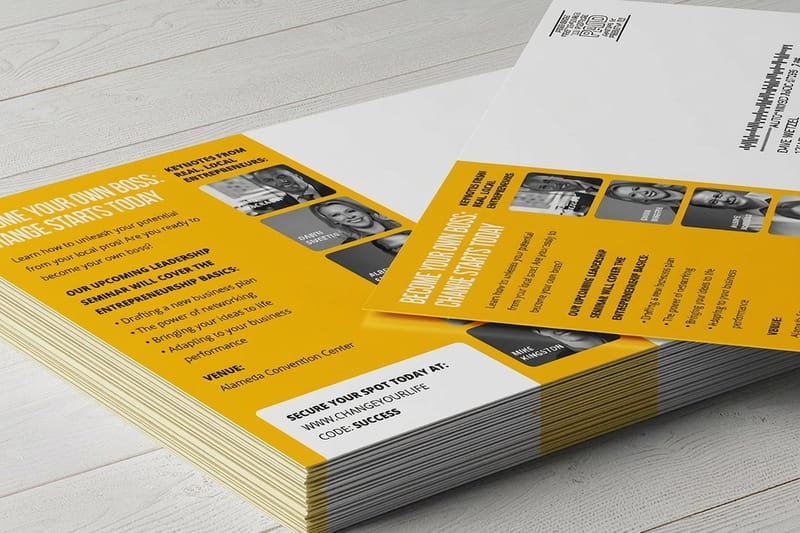
An EDDM piece has to be larger than a letter. It must exceed at least one of three limits: 6.125 inches high, 11.5 inches long, or 0.25 inches thick. The ceiling is 15 by 12 by 0.75 inches. A 4 by 6 postcard fails that test, so the everyday small card is off the table before you start designing. Most EDDM work lands on 6.5 by 9 or 8.5 by 11.
Paper does not care about postage tiers. A 6.5 by 9 card uses roughly two and a half times the stock of a 4 by 6, and that shows up on the invoice. Standard postcards start at $16.48 while oversized postcards start at $51.62, which is the shape of the gap you are absorbing when the size floor pushes you upward. Targeted mail has no such floor, so a lean 4 by 6 reminder card stays available.
The honest way to compare is one number: cost per piece delivered, print plus postage plus list. EDDM zeroes the list line and lowers the postage line, then hands part of that back on the print line. Targeted mail does the reverse. Our cost per piece breakdown shows the arithmetic with each line separated, and the size requirements guide gives the exact dimension window. If you want to lay the piece out correctly before quoting, start from a correctly sized file in the blank template library.
When Saturation Beats Targeting, and When It Does Not
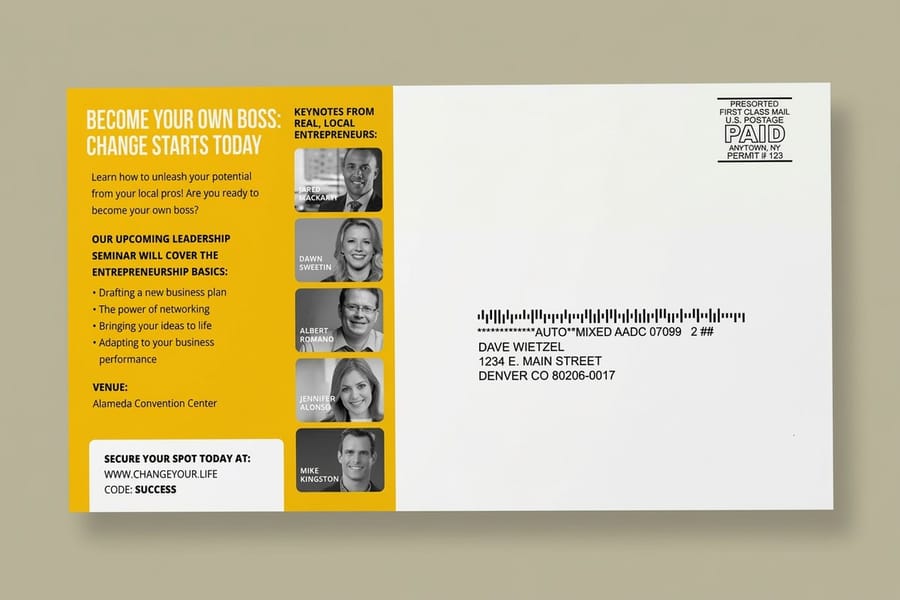
There is a rule of thumb that survives contact with real campaigns: saturation wins when your buyer is common, targeting wins when your buyer is rare.
Put a rough number on it. If you believe more than one household in five on a route could realistically buy from you, mailing all of them costs less than paying a data provider to find the fifth. Pizza, lawn care, house cleaning, urgent care, a new grocery store, a hardware shop opening on the corner: the qualifying rate is high and the geography is the qualifier.
Flip it. Sell mobility scooters, orthodontics, commercial HVAC service, or luxury travel and your buyer might be one household in fifty. Now saturation means paying for 49 pieces of waste to reach one prospect, and the list fee that looked expensive is the cheapest line in the campaign. Anything business-to-business goes the same way for a structural reason: EDDM cannot be mailed to businesses only.
Three more signals push you toward targeted mail regardless of density. You need a name in the copy. You are mailing an offer tied to a past purchase. Or you are excluding existing customers, which saturation physically cannot do. The campaign planning guide covers offer construction for both, and postcards versus flyers versus letters covers the format choice once you have picked an audience.
How to Run Both Without Doubling the Budget
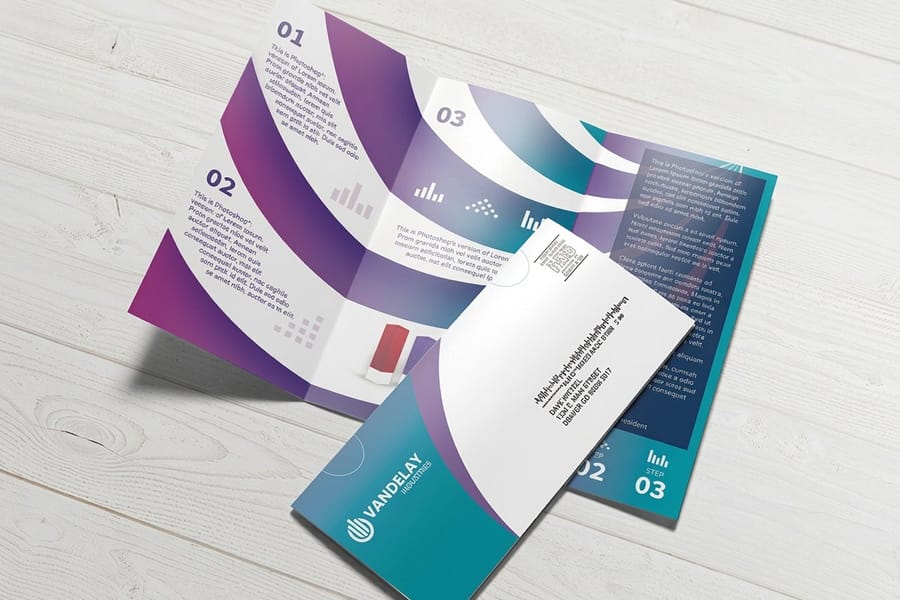
Most local businesses that mail well end up using both, in sequence, and it is not an expensive habit if you set it up properly.
Use EDDM as the discovery pass. Pick three or four routes that look right, drop a direct mail postcard to each, and put a different QR destination or a different phone extension on each route so responses are attributable. You are buying data about neighborhoods, which is why the waste is tolerable at this stage.
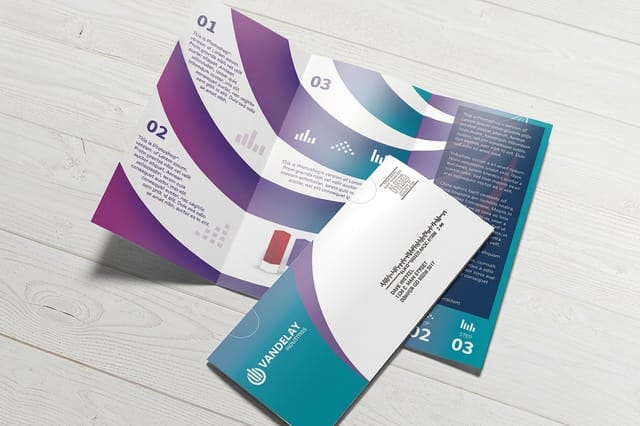
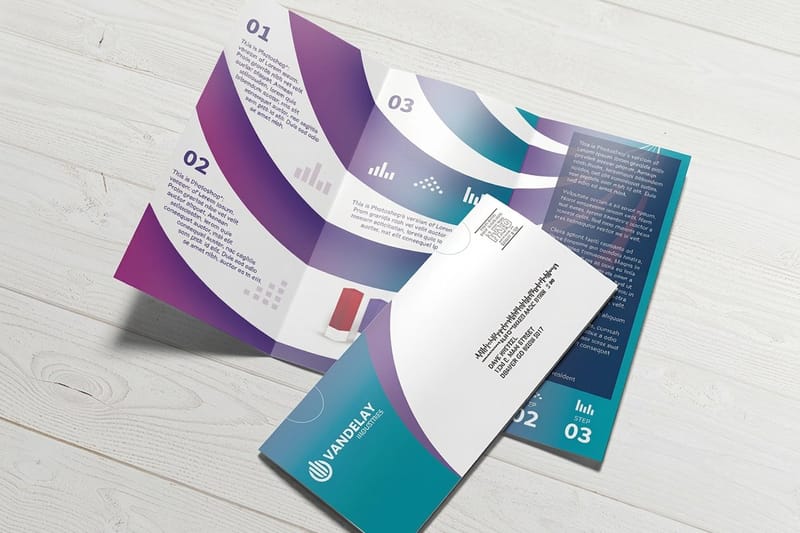
Then use targeted mail as the follow-up. Everyone who responded is now a named address, and the routes that produced them tell you what to ask a data provider for next. That second mailing can be a smaller piece, a heavier piece, or a direct mail brochure when the offer needs more room to explain itself. Direct mail brochures start at $238.73, so they belong in front of a qualified list rather than a whole route.
Two practical notes. Keep the creative consistent between the two drops so the second piece is recognised rather than read cold. And keep the response mechanism identical in structure but unique in destination, or you will not be able to tell which half of the campaign paid. If you would rather not touch the postal paperwork at all, our direct mail services print, address and mail in one order, and the postcard printing range covers every size either path allows.
Wally explains the choice
One map, or one list of names
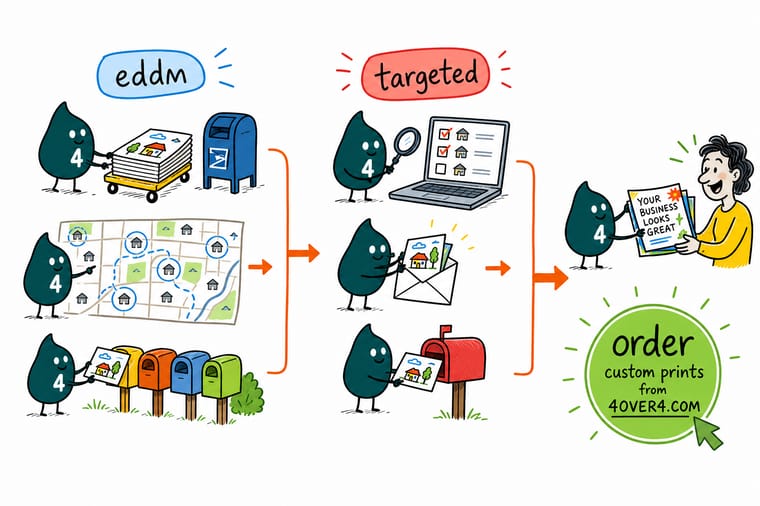
Wally has two stacks. The left stack goes to every mailbox on the carrier route, so he needs no list at all, but USPS will only take it if the card is bigger than a letter. The right stack has a name and a barcode on each piece, so he can skip the houses that will never call, and he pays a data provider for the privilege. His rule is simple. If most of the street could buy from him, he mails the street. If one house in fifty could, he buys the names and mails those.
Price direct mail postcards →Specs and pricing
Mailpiece options, sizes, and starting prices
Compare the formats both paths allow, with live configuration choices and starting prices straight from the 4OVER4.COM configurator.

Print it
Mailpieces for either route

Explore more
Where to go next

By the numbers
Twenty five years of mail work, counted four ways
Common Questions
Your EDDM and targeting questions, answered
Is EDDM cheaper than targeted direct mail?
Per piece, usually yes. EDDM removes the mailing list entirely and rides the lowest saturation postage tier, so the two most expensive line items in targeted mail either shrink or disappear. Per customer acquired, the answer flips whenever your buyer is rare. Paying a low rate to reach 5,000 households where only 60 fit your service is more expensive than paying a higher rate to reach exactly those 60. Work the arithmetic on cost per qualified household, not cost per piece, and the decision usually makes itself.
Do I need a mailing list to run EDDM?
No, and that is the single biggest practical difference. EDDM addresses the piece to the postal customer rather than to a person, so there is no list to buy, clean, or license. You choose carrier routes on the USPS route tool, print the required endorsement on the address side, bundle the pieces in the counts USPS asks for, and drop them. Targeted mail cannot move without a list, whether you rent it, build it from your own customers, or compile it from public records.
What size does an EDDM piece have to be?
It has to be bigger than a standard letter, which means it must exceed at least one of these: 6.125 inches high, 11.5 inches long, or 0.25 inches thick. The maximum is 15 inches long, 12 inches high and 0.75 inches thick. In practice that rules out the common 4 by 6 postcard and pushes most campaigns to a 6.5 by 9 or 8.5 by 11 piece. Our guide to EDDM size requirements walks through the dimensions that clear the window without wasting paper.
Can EDDM reach businesses only?
You can choose residential plus business, or residential only. What you cannot do with EDDM Retail is mail to businesses only, so a pure business-to-business campaign has to run as targeted mail with a compiled business list. That single rule sends most B2B work down the targeted route regardless of budget.
How many EDDM pieces can I send at once?
EDDM Retail is capped at 5,000 pieces per ZIP code per day and needs no mailing permit, which is why small local businesses use it. Above that volume you move to the BMEU path, which lifts the cap but requires a permit and a formal mailing statement. Targeted USPS Marketing Mail has its own floor instead of a ceiling: 200 pieces or 50 pounds minimum, plus a permit.
Which one gets a better response?
Neither wins on the format alone, and any source that quotes you a single response rate for EDDM is selling something. Response tracks relevance. A roofing offer mailed to every home in a hail-damaged ZIP performs well as saturation because nearly every household qualifies. The same budget spent mailing every home to sell orthodontics performs badly, because most of those homes have no teenager. Test one route against one matched list segment, put a different QR destination on each, and let your own numbers answer it.
Get Started
500 direct mail brochures cost $238.73, or 48 cents a name
Pick your size, choose saturation routes or an addressed list, and we print, address and drop the mailing for you.
Legal Disclaimer
Gold Standard guarantees apply to all standard orders placed through 4over4.com. Price match requires verifiable proof of a competitor's published price for an equivalent product with matching specifications and turnaround time. Satisfaction guarantee covers manufacturing defects and print quality issues. Contact support with order number and documentation. On-time delivery rate based on tracked orders 1999 to 2026. Individual results may vary based on shipping carrier performance.
