
Cheapest Place to Print on Cardstock and How the Price Really Drops


Cardstock pricing is not a mystery, it is a fixed setup cost divided by however many pieces you order. That division favors an online press at some quantities and favors the shop on the corner, and what each option quietly costs you.
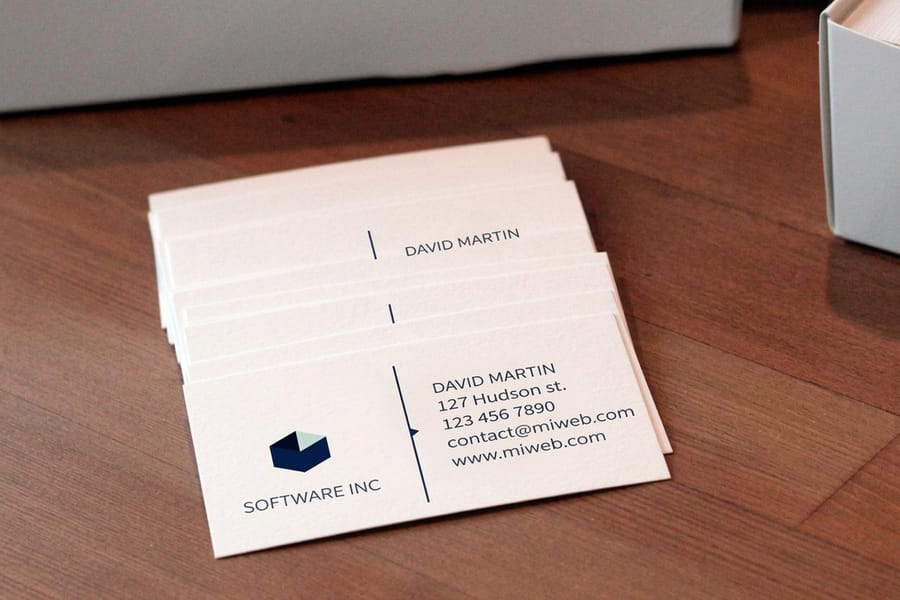
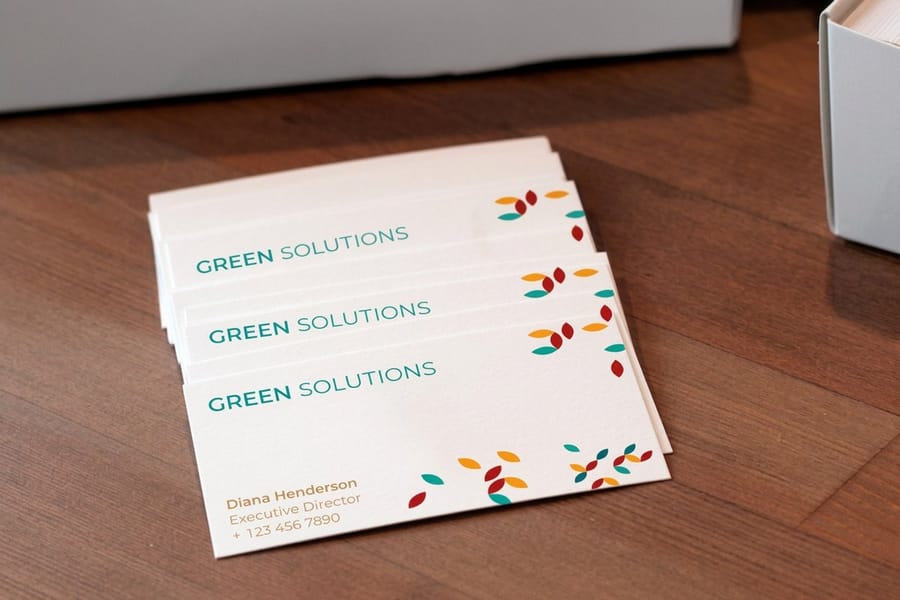
The cheapest place to print on cardstock is an online gang run printer, once the order passes roughly 100 pieces. Your job shares a large press sheet with other orders, so plates and make-ready are split rather than billed to you alone. At 4OVER4.COM that puts standard business cards at $17.57 to start, standard postcards at $16.48 and standard bookmarks at $16.48. Under about 100 pieces, a walk-in copy shop usually still wins, because you are paying for sheets and nobody sets up a press.
Quick answer
Setup is charged once, so the price falls as you spread it
Every cardstock job carries a fixed cost that has nothing to do with how many pieces you order. Plates, make-ready, ink setup and press wash happen once whether you print 50 or 5,000. A gang run press splits that cost across several customers on the same sheet and then across your own quantity, which is why the unit price collapses between 100 and 1,000 pieces and barely moves after that. A copy shop charges per sheet with no setup at all, so its price is flat: sheet 900 costs exactly what sheet nine cost. Those two pricing models cross near 100 pieces, and that crossing point is the whole answer.
How to Get Cardstock Printed for the Least Money, Step by Step
Five decisions set the price of a cardstock job, and they are made in this order on every configurator worth using. Get them in the wrong order and you end up paying rush prices for a job that was never urgent.
- Pick a standard size before anything else. Standard sizes are the ones already ganged onto shared press sheets. A custom trim size pulls your job onto its own sheet and the shared saving evaporates before you have chosen a single other option.
- Choose 14pt coated as the baseline. It is the cheapest cardstock on nearly every product, and it is genuinely good stock. Move up only where the piece gets handled, which is covered further down.
- Set the quantity next, not last. Quantity is the biggest lever on the page. Check the tier above the one you had in mind before you commit, because the jump is often smaller than it looks.
- Leave turnaround on standard. Every step faster removes your job from the shared sheet. If the deadline allows standard production, that is money you keep.
- Supply a print ready file. Bleed, safe margin, CMYK, 300 dpi. A file that needs fixing costs time and sometimes a reprint. Start from the correct layout in the blank template library and the problem never comes up.
Run that sequence on standard business cards, which start at $17.57, and you will see the per piece number drop as you move down the list rather than after you have already locked the expensive choices in.
Copy Shop, Office Store, Local Printer or Online Press
The cheapest option changes at about 100 pieces, and nothing else about the comparison matters as much as that number. Below it you are buying sheets. Above it you are buying press time, and press time is what gang run splits.
| Where | How it is priced | Cheapest when | What you give up |
|---|---|---|---|
| Copy shop counter | Per sheet, with no setup charge. | Under roughly 100 pieces, or a same hour deadline. | Bleed to the edge, real coatings, and any price improvement from ordering more. |
| Office supply store | Per sheet on a short menu of stocks. | Small runs where you also need the trip anyway. | Stock choice, and the price barely moves with quantity. |
| Local commercial printer | Setup plus run, quoted per job. | Odd sizes, custom stock, or work needing a press check. | You carry the whole setup cost yourself on a small run. |
| Online gang run press | Setup shared across the sheet, then per piece. | Anything above about 100 pieces on a standard size. | Same day pickup, and the freedom to change your mind after the file is in. |
Read the last column before the third. The copy shop is not losing on price alone, it is losing because a sheet trimmed on a guillotine cannot carry ink to the edge, so every design ends up inside a white border. That is why a 500 piece run of standard postcards at $16.48 to start is both cheaper per piece and a better looking object than the same artwork run off at a counter.
The honest limit is time. Gang run schedules your job onto the next sheet in that stock, so if you need cardstock in your hand this afternoon, the copy shop wins and you should pay them. Our guide on local printers versus online printing goes through the same trade-off from the local shop side.
Which Cardstock Weights and Coatings Add Cost
Stock is the second largest line in a cardstock quote after quantity, and the differences are small enough that people upgrade without noticing what it did to the total.
| Stock | How it feels | Relative cost | Use it for |
|---|---|---|---|
| 14pt coated | Firm, slight sheen, bends before it creases. | The baseline on most products. | Cards, postcards, flyers on cover stock, anything mailed in volume. |
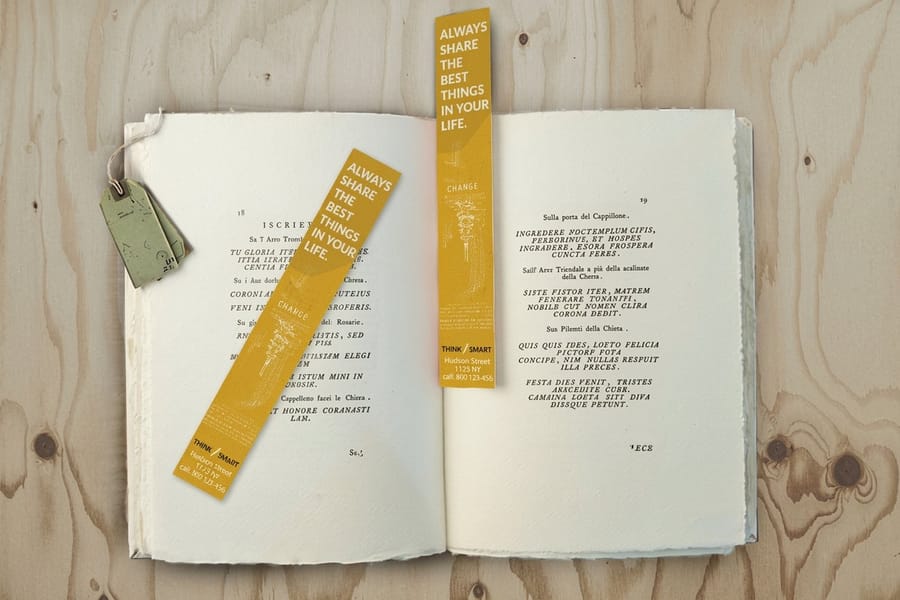
| 16pt coated | Clearly more rigid, holds a straight edge. | A small step up from 14pt. | Wallet cards, bookmarks, and anything wider than about 4 by 9 inches. |
| Uncoated cover | Matte and toothy, takes pen ink. | Above coated on most runs. | Appointment cards and forms that get written on. |
| Specialty stocks | Pearl, kraft, and heavy layered stocks. | The largest jump of the four. | Pieces where the material itself is the message. |
Coating follows the same logic. Gloss is standard on most cardstock products and adds nothing to the price. Matte and soft touch are separate finishing passes with their own cost, and soft touch in particular is a laminate rather than a varnish. If the goal is the lowest total, stay on 14pt gloss and put the saved money into quantity, where it compounds. The card stock guide and the cardstock versus paper stock explainer cover how each weight behaves once it is printed.
One warning that costs people real money: writing on coated cardstock does not work. Ballpoint skates and gel ink smears. If staff will be filling anything in by hand, order uncoated even though it prices higher, or you will pay for the run twice.
Where the Cheapest Choice Turns Into the Expensive One
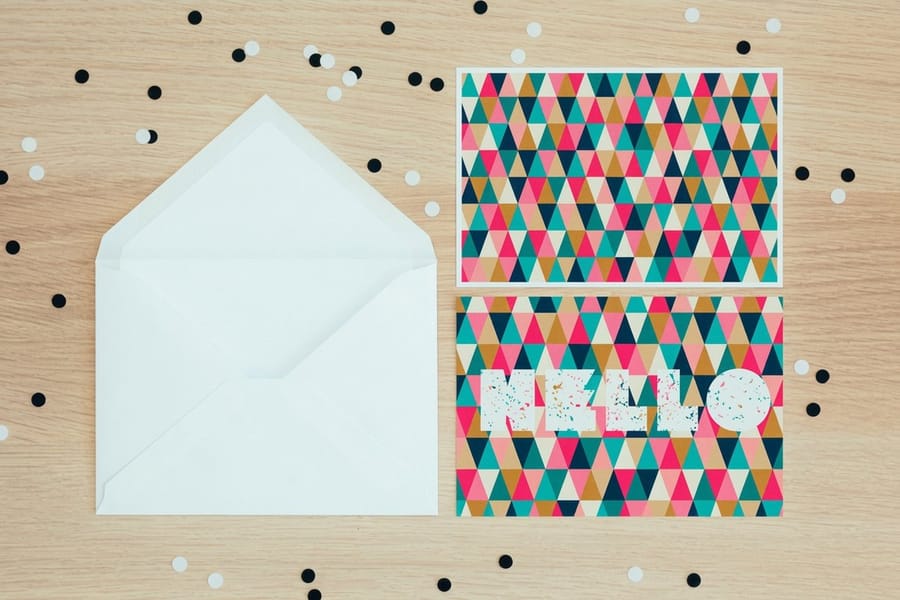
Three cheap decisions reliably cost more than they save, and every printer sees all three every week.
Under-ordering. A run of 100 feels careful. Reordering 100 twice more costs far more than 500 did, because you pay the fixed part of the job three times. If the artwork has no date on it and no phone number that is about to change, order the tier up.
Going too thin on a handled piece. 14pt is right for a mailed postcard and wrong for a card that lives in a wallet for six months. The step to 16pt is one of the smallest upgrades on the configurator and it is the difference between a card that still looks new and one that has gone soft at the corners.
Buying speed you did not need. Rush pricing is the most expensive money in printing, and most of it is spent on jobs whose real deadline was a week out. Set the delivery date first, then work backward, and use standard turnaround wherever it fits.
Once those three are settled, stack the smaller savings. Deals rotate by product family, and coins earned on earlier orders apply at checkout, which is worth timing a large run around. Our article on daily deals and coins explains how the two combine, and estimating printing costs before you order gives you a number to check the quote against. If you are pricing a specific piece, start from business card printing, postcard printing or bookmark printing and change one option at a time.
Wally explains why bulk cardstock is cheaper
One big sheet, several jobs, one setup bill split between them
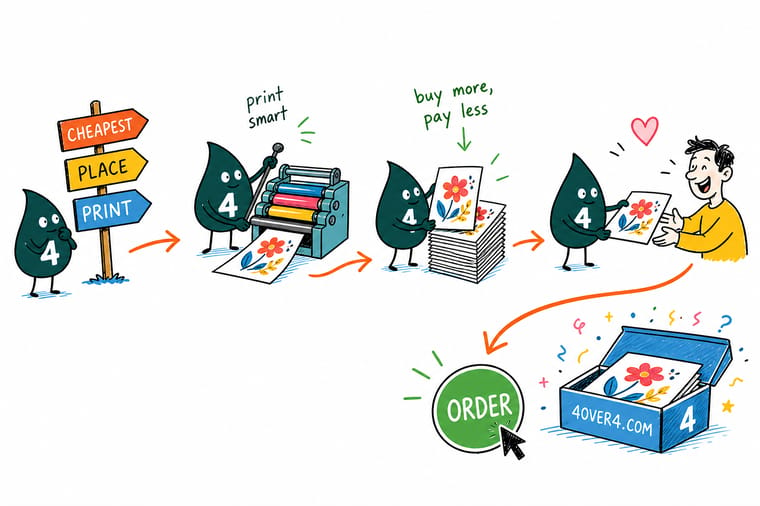
Wally sets up the press once. That setup costs the same whether he prints fifty cards or five thousand, so he lays your cardstock job onto a big sheet next to other people's jobs and everyone pays a slice of it instead of the whole thing. Order more and your slice gets thinner per piece. Ask for it by this afternoon and Wally has to pull your job off the shared sheet and give it its own press slot, which is exactly where the saving goes.
Price cardstock business cards →Specs and pricing
Cardstock products, sizes, and starting prices
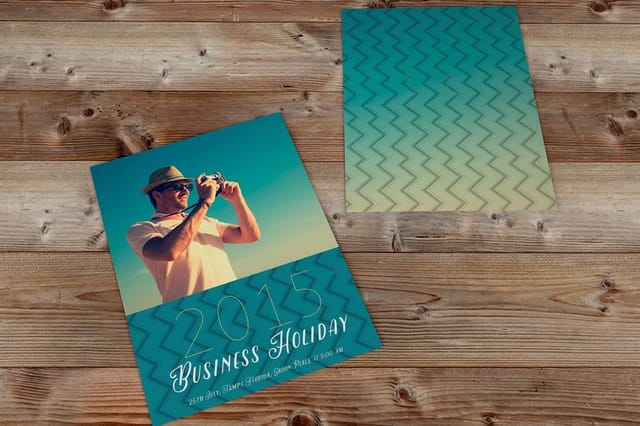
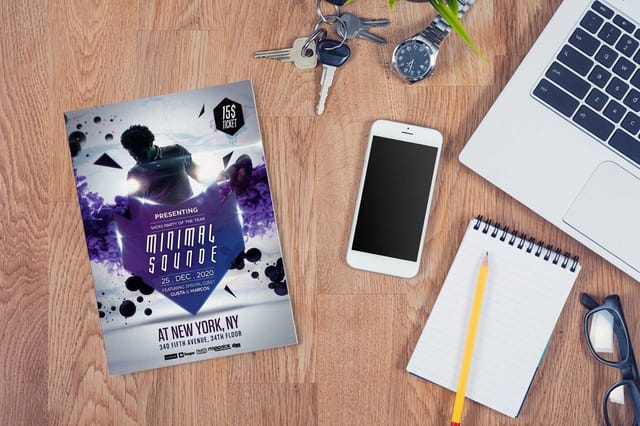
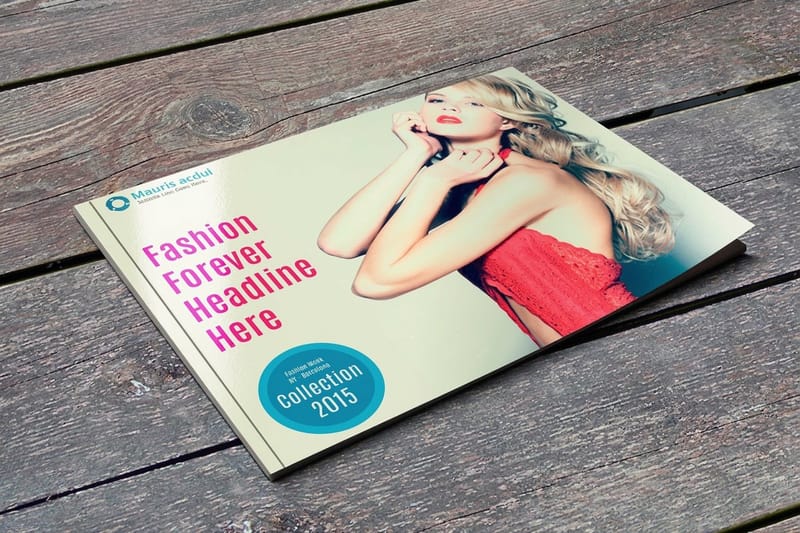
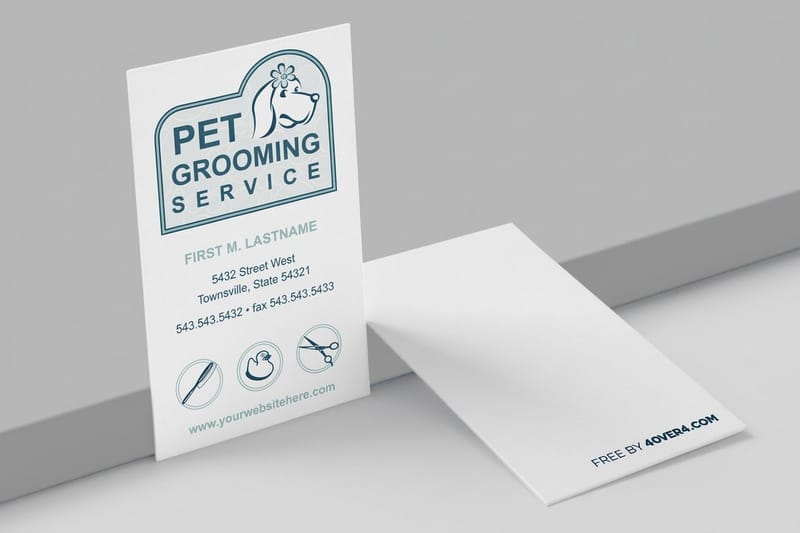
Three of the cheapest cardstock products we print, with live size, stock and quantity options and starting prices straight from the 4OVER4.COM configurator.


Print it
Order cardstock at the price the quantity earns
Explore more
Where to go next


By the numbers
The shop quoting your cardstock run, counted
Common Questions
Your cardstock pricing questions, answered
Where is the cheapest place to print on cardstock?
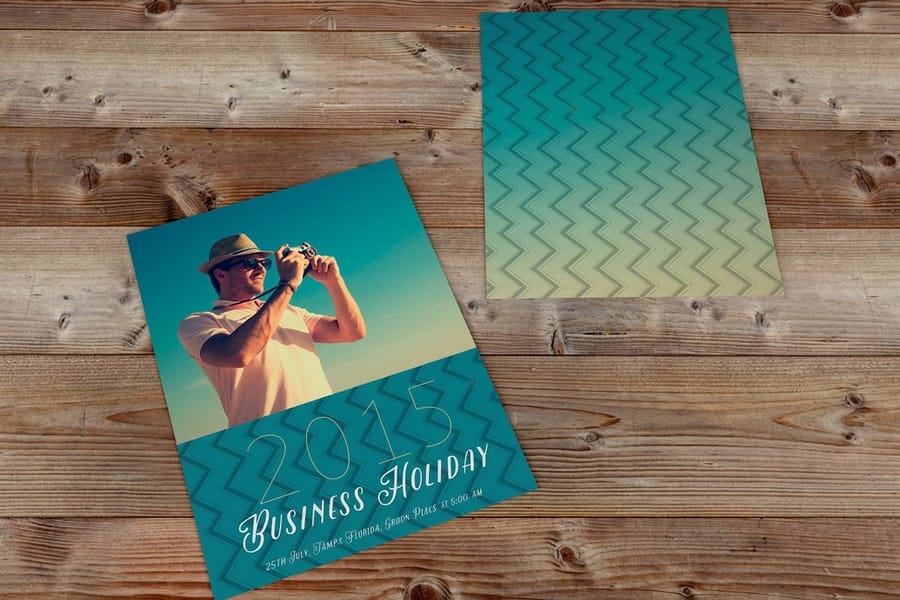
For anything over roughly 100 pieces, an online gang run printer is the cheapest, because your job shares a press sheet with other orders and the setup cost is divided instead of charged to you alone. At 4OVER4.COM, standard business cards on cardstock start at $17.57, standard postcards at $16.48 and standard bookmarks at $16.48. Below about 100 pieces, a walk-in copy shop can still come out ahead, since you pay for a handful of sheets and no press is set up at all.
Is it cheaper to print cardstock at home?
Only for a few sheets, and often not even then. A ream of decent cardstock plus toner or ink puts most home setups above a printer on a per-sheet basis once you count wasted misfeeds, and consumer printers rarely feed anything heavier than about 100lb cover without jamming. Home printing also gives you no bleed, no professional trim, and no coating, so the edges show white borders and the finish sits flat. It is fine for a test proof and poor value for a real run.
What is gang run printing and why does it lower the price?
Gang run means several customers' jobs are imposed onto one large press sheet and printed in a single pass. Plates, make-ready, ink setup and press wash are charged once and split across everyone on that sheet, so each job pays a fraction of the fixed cost. The trade-off is scheduling: your job waits for the next sheet going out in that stock and coating, which is why standard turnaround is cheap and same day is not. Our guide on how bulk printing price breaks work walks through the same math on the quantity axis.
What cardstock weight is the cheapest to print?
14pt coated cover is the cheapest cardstock in almost every configurator, and it is the default on most business card and postcard products. 16pt costs a little more per piece and is noticeably more rigid, which matters on anything above about 4 by 9 inches or anything that lives in a wallet. Uncoated and specialty stocks such as pearl or kraft cost more again, because they run in smaller volumes and share fewer sheets with other jobs.
Does ordering more cardstock always cost less per piece?
Per piece, yes, but the curve flattens. The steep savings happen between the smallest run and roughly 1,000 pieces, where a fixed setup cost is being spread across a fast growing number of units. After that, the setup is already thin and the paper plus press time dominate, so doubling the order again saves far less. Order the quantity you will actually use inside a year, because cardstock ordered and never mailed is more expensive than a slightly higher unit price.
Can I get cardstock printed cheaply and fast at the same time?
Usually not both. Speed is what you pay for after quantity: a rush or same day job is pulled out of the shared sheet and given its own press slot, so the gang run saving disappears. If the deadline is fixed, cut cost somewhere else instead, by dropping to a single sided print, staying on a standard size, or choosing 14pt gloss over a specialty stock. If the deadline is soft, standard turnaround plus a larger quantity is the cheapest combination available.
Do coins and daily deals make cardstock cheaper than the listed price?
They stack on top of the configurator price rather than replacing quantity breaks, so treat them as a second layer. Coins earned on previous orders apply at checkout, and deals rotate by product, which means the cheapest real total is often a larger standard turnaround run placed while that product family is on deal. Choosing the right quantity still moves the price more than any discount does.
Get Started
Price 50 postcards at $16.48, then try 500
Pick a standard size, stay on 14pt coated, set the quantity you will actually use, and leave turnaround on standard. That is the cheapest cardstock you can order without printing it twice.
Legal Disclaimer
Gold Standard guarantees apply to all standard orders placed through 4over4.com. Price match requires verifiable proof of a competitor's published price for an equivalent product with matching specifications and turnaround time. Satisfaction guarantee covers manufacturing defects and print quality issues. Contact support with order number and documentation. On-time delivery rate based on tracked orders 1999 to 2026. Individual results may vary based on shipping carrier performance.
