
Business Website Mastery That Turns Visitors Into Customers


Your site is live and the phone is quiet. This is how to find the page that loses people, fix it in the right order, and give every printed thing you hand out a destination worth visiting.
A business website works when a stranger can tell in a few seconds what you do, where you do it, and how to hire you, and when the page they landed on carries proof next to the claim. Mastery is not a redesign. It is finding the top landing page in analytics, matching its first line to what people searched, cutting the page weight that loses phone visitors, moving reviews and real photos beside the promise they support, and giving every printed card, postcard or flyer its own landing page so you can see which one brought the call.
Quick answer
Fix the page that receives the traffic, in this order
Start with the landing page analytics puts at the top, not the homepage. Match its first line to the search that brought people there, put one contact action above the first scroll, cut the image and script weight that makes it crawl on a phone, then move your reviews and your own job photos next to the claims they back up. Once the page converts, give every printed piece its own destination so you can tell which one is working. The diagram below shows what has to sit above the fold and what is better placed underneath it.
Find the Page That Loses the Visitor

Open analytics and sort landing pages by sessions. The page at the top is the one to fix. It is usually not the homepage, because search sends people straight to whichever page mentions what they typed, and that page has to work on its own.
Read it the way a brochure gets read, one panel at a time. A good brochure gives each panel a single job: what this is, why it is credible, what it costs, how to order. A service page that tries to do all four in one scroll of dense copy loses people at the first ambiguity. Split the page into blocks with the same discipline and the weak block becomes obvious.
Then match the symptom to the cause. Most sites show one of these five patterns, and each one has a different first move.
| Symptom | What it usually means | Where to look | First move |
|---|---|---|---|
| Traffic is steady, enquiries are not | The visitor found you and then could not find the next step. | The top landing page, not the homepage. | Put one contact action above the first scroll, repeat it at the bottom. |
| People leave within seconds | The page did not answer what the search result promised. | The first sentence, against the search term. | Rewrite the opening line in the words people actually type. |
| Phone bounces, desktop is fine | Layout or weight breaks on a small screen. | The live URL on a real phone, on mobile data. | Cut hero image weight, stack the columns, enlarge tap targets. |
| The form collects spam, not jobs | You are asking a stranger for more than they will give. | The number of required fields. | Reduce it to name, one contact method, one sentence. |
| People return but never call | Information is present, trust is missing. | Reviews, dated photos, address, a named person. | Move proof next to the claim it supports. |
Work one row at a time and measure for two weeks before touching the next. Changing five things at once means you learn nothing about which one mattered. If the page you are fixing exists to serve a single offer, the structures in our landing page frameworks guide will save you a round of guessing.
Speed and Mobile Are Not Design Preferences
A slow page loses the visitor before any of your copy gets read, and on a phone it loses them faster. Google reports Largest Contentful Paint as good at two and a half seconds or under, and most small business sites miss it for reasons that have nothing to do with hosting.
Three things cause it almost every time. A hero photograph uploaded straight from the camera at 4,000 pixels wide when the page displays it at 1,200. A font family loading six weights and two italics when the design uses regular and bold. And a tail of scripts nobody removed: an old chat widget, a heatmap trial from two years ago, two analytics tools measuring the same thing. Fix those and the page usually halves in weight without a single design change.
- Export images at the width they display, serve WebP, and set explicit width and height so the layout stops jumping while they load.
- Load two font weights. Every extra weight is another file blocking the first paint.
- Delete any third party script whose purpose you cannot state in one sentence.
- Test on a phone over mobile data, not on office wifi next to the router. That gap is where the false sense of speed lives.
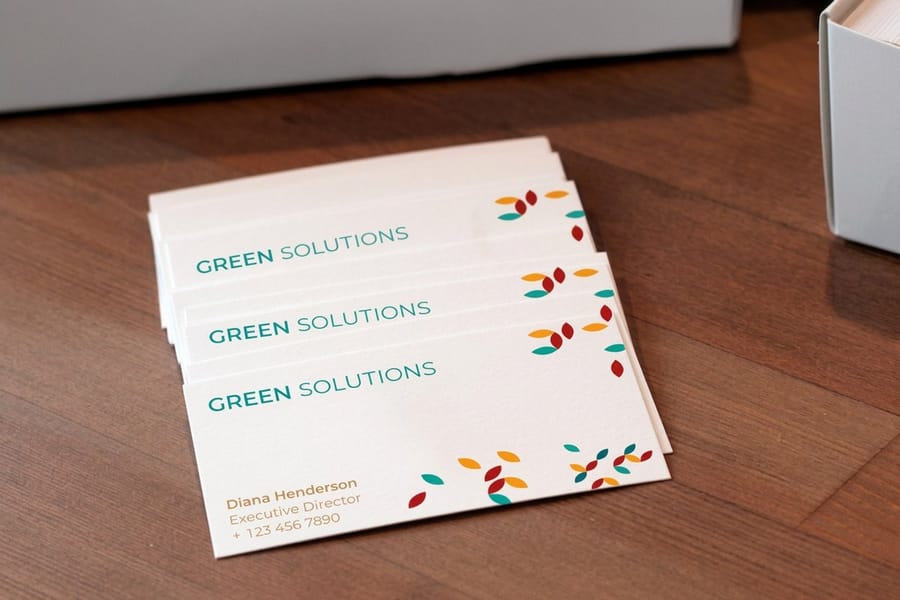
Mobile layout deserves the same honesty. Tap targets need room, phone numbers need to be tappable links, and a three column feature row has to become one column rather than three squeezed slivers. Remember where phone traffic comes from: somebody met you, took a business card, and typed the URL later, standing outside somewhere with one bar of signal. That is the condition your page has to survive.
What Makes a Stranger Trust a Small Business Site

A visitor who is nearly ready to contact you is running one question: is this a real business that will turn up. Nothing on a page answers it faster than specifics. A named owner with a photograph taken in the actual workshop. A street address rather than a PO box. A license or registration number. Photographs of your own finished work, dated, instead of stock images that appear on four competitor sites.
Reviews carry the most weight, and they carry it best when they sit next to the claim they support. A review that mentions punctuality belongs beside the paragraph about scheduling, not on a testimonials page. Pull two or three onto the service page itself and leave the full set where people can check them.
Getting those reviews is its own job, and asking at the wrong moment is why most requests go unanswered. Ask the day after the work is finished, while the relief is fresh, and make the path one tap. A short review-request postcard left behind at the end of a job, with a QR code that opens your Google review form, converts far better than an email sent a week later. Our guide to review QR codes covers generating one that lands on the write-a-review screen instead of the profile page, and the psychology of 5 star reviews covers how to ask without sounding like you are begging.
One more trust item is quietly load bearing: your forms have to be honest about what happens to the data. A one line note saying who sees the message and that it will not be sold costs nothing and removes a real hesitation. If you serve customers in Europe, the GDPR rules for business websites set out what your cookie banner and form consent actually have to say.
Close the Loop Between the Site and What You Hand People

A website only reaches people already looking for you. Print reaches the ones who are not, and it hands them an address to visit later. The mistake almost everybody makes is printing the homepage URL on all of it, which turns every campaign into untraceable direct traffic.
Give each piece its own destination. A short vanity path, a QR code, or a tracked link, each pointed at a page that repeats the offer printed on the paper. Now the visit shows up in analytics as its own line, and after one month you know which piece paid for itself.
| Piece | What it does for the site | What goes on it | Starts at |
|---|---|---|---|
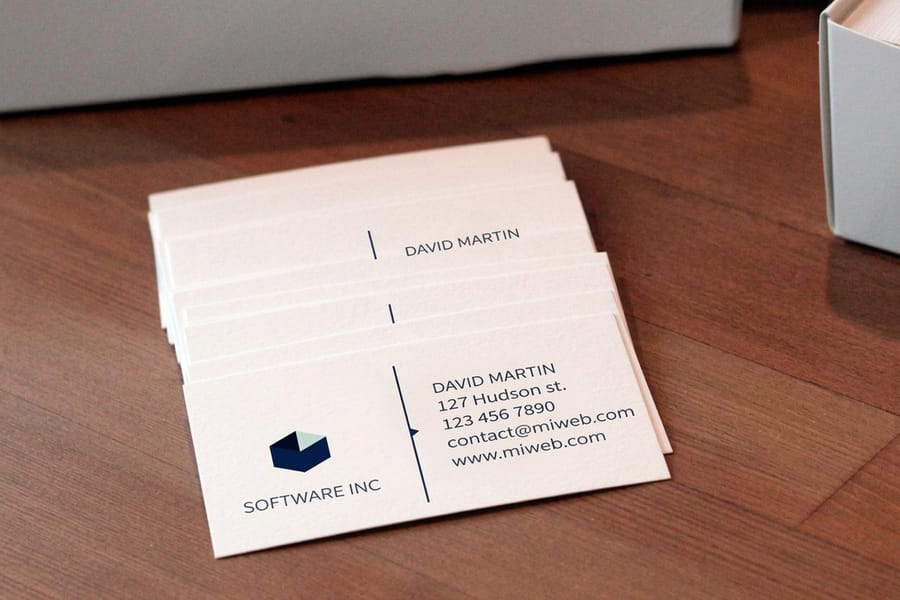
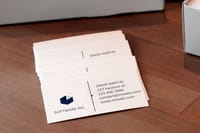
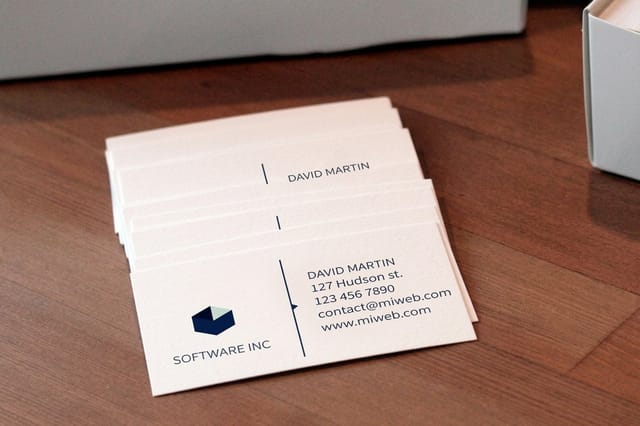
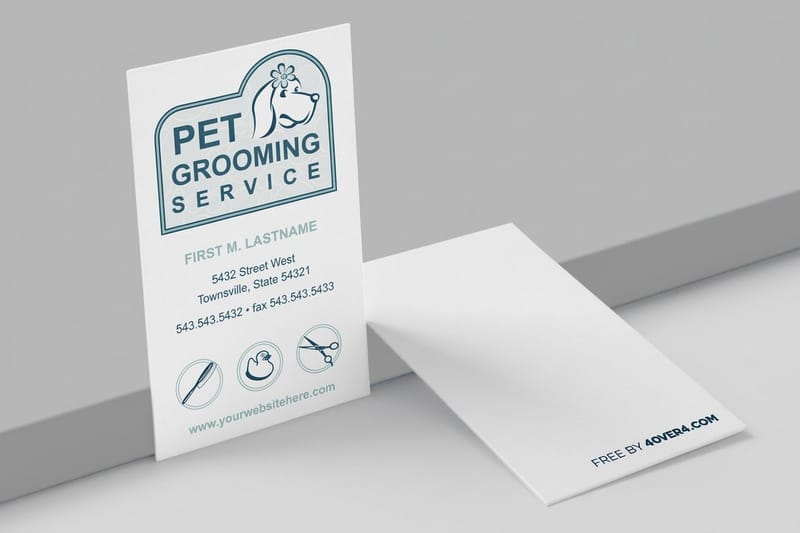
| Standard business cards | Carries the URL into a pocket after a real conversation. | Short vanity URL and one line saying what you do. | $17.57 |
| Standard postcards | Puts one offer on one street and points it at one page. | A dedicated landing URL, never the homepage. | $16.48 |
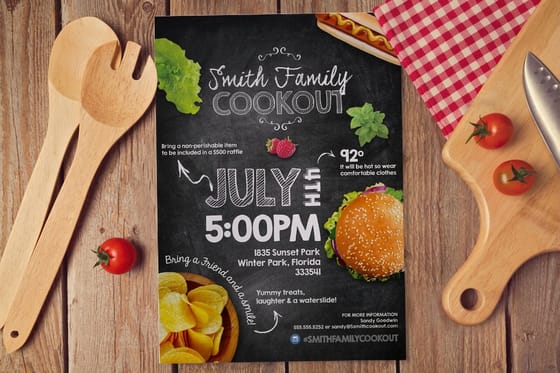
| Standard flyers | Reaches people where they already stand, at a counter or a door. | A QR code opening the same offer as the paper. | $39.54 |
| Standard brochures | Answers the long questions a web page cannot hold without sprawling. | The pricing page URL, so the paper never goes stale. | $57.11 |
| Die-cut stickers | Keeps the URL on a laptop, a van door or a shipping box for months. | Logo and URL. Nothing else fits at that size. | $93.37 |
Two limits worth naming. QR codes only work when the destination is genuinely useful on a phone, so send them to a fast page, never to a PDF. And printed prices age badly: put the range on the site and the URL on the paper, so a price change does not turn a box of brochures into scrap. If you are laying anything out yourself, the correctly sized files in our blank template library stop the bleed and trim problems before they start.
The Order to Fix Things In, and What to Leave Alone
Ranking the work matters more than the work itself, because the first three items usually produce the whole change and the rest is decoration. Run it in this order.
- Fix the top landing page. One promise in the first line, one action above the fold, proof next to the claim. Nothing else until this is done.
- Cut the page weight. Resize the hero, drop unused font weights, delete dead scripts. Measure on a phone before and after.
- Make contact obvious. A tappable number, a three field form, and the hours you actually answer. Reply speed is part of the website whether you count it or not.
- Add real proof. Your own photographs, a named person, an address, current reviews. Replace every stock image of a person.
- Give each print piece its own landing page. Then run one campaign, measure it for a month, and keep whichever piece produced calls.
- Only then talk about design. By this point you will know which pages matter, which is the only sane brief to hand a designer.
Leave three things alone. A blog you will not keep updated, because stale posts date the whole site. A chat widget with nobody behind it, because an unanswered chat is worse than no chat. And a redesign proposed before you know which page carries your traffic, because you will pay to move the problem rather than solve it.
Once the site converts, the sensible next step is feeding it more of the right people rather than more people. Email nurture sequences keep the ones who were not ready, and a content funnel maps what to publish at each stage. If you are still building the site itself, start with the build order for a new business website and come back here once it is live.
Wally explains the loop
Paper carries the address, the page closes the job
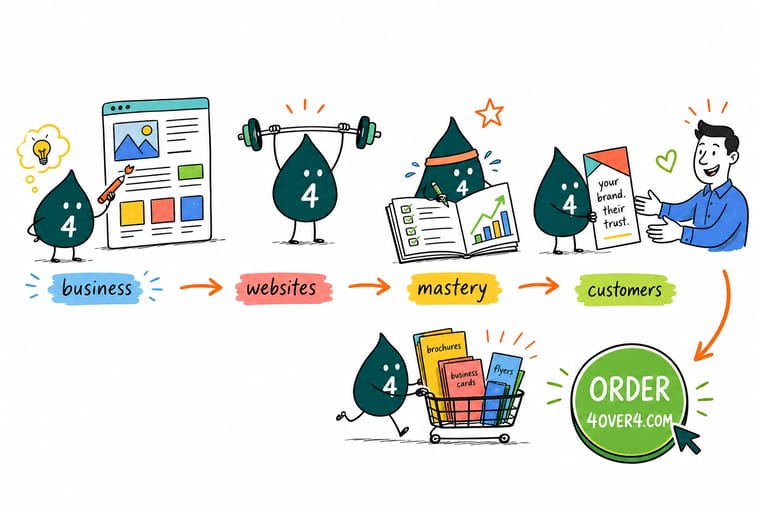
Wally does not redesign the site. He opens analytics, finds the page most people land on, and reads the first line out loud against the search term. Then he shrinks the hero photo, deletes the chat widget nobody answers, and moves two reviews up next to the promise. Last, he prints a card with a short URL on it, hands it to somebody, and watches that exact page light up in the report the next morning. That is how he knows which piece paid for itself.
Print business cards with your URL →Specs and pricing
The print that feeds a website, sized and priced
Sizes, stocks and starting prices straight from the 4OVER4.COM configurator, for the three pieces that send the most traffic to a small business site.


Print it
Give every campaign a piece of paper and a page


Explore more
Where to go next




By the numbers
The print partner behind the websites
Common Questions
Your business website questions, answered
Why does my business website get traffic but no enquiries?
Almost always because the page people land on does not repeat the promise that brought them there, or it hides the way to make contact. Open your analytics, sort landing pages by sessions, and read the top three the way a stranger would. If the first line on the page does not use the words that were typed into search, rewrite that line. If the phone number or form sits below three screens of scrolling, move one contact action above the first scroll and leave a second at the bottom. Those two edits change more than a redesign does, and they take an afternoon.
How fast does a business website need to be?
Fast enough that the main content appears in about two and a half seconds on a phone using mobile data, which is the threshold Google reports as good for Largest Contentful Paint. The usual culprits are a hero image exported at full camera resolution, a font family loading six weights when the page uses two, and chat or heatmap scripts added years ago and never removed. Export the hero at the width it actually displays, serve WebP, and delete every script you cannot name the purpose of. Upgrading hosting rarely fixes a page that is shipping four megabytes.
How many pages does a small business website really need?
One page for each thing you sell, one about page with a real person on it, one contact page, and a location page if customers come to you. That is the working minimum. Adding a separate page for every variation of a service splits your own ranking signal and gives you five thin pages instead of one strong one. Write one page per service that is genuinely good, then add more only when you have a distinctly different job to describe.
Do I need a blog for a business website?
Only if you will keep it fed. A blog is a commitment to publishing answers to questions your customers actually ask, and four posts abandoned in 2022 do more harm than an empty section, because they date the whole site. If you cannot commit, put that effort into your service pages instead. If you can, write the questions you answer on the phone every week, one page each, and link every one of them back to the service it supports.
Does printed marketing still help a website?
It does the one thing the site cannot do for itself, which is put your address in front of someone who was not searching. A card handed over after a conversation, a postcard in a mailbox on a street you already serve, a sticker on a van in traffic: each of them ends with a URL. The trick is giving every piece its own landing page or tracked short link, so the visit shows up in analytics as traffic from that campaign rather than as direct traffic you cannot explain. Standard business cards start at $17.57 and standard postcards at $16.48 at 4OVER4.COM, which is a small budget line against the cost of a paid click.
When is a redesign actually the right answer?
When the platform stops you making changes, not when the site looks dated. If you cannot edit a headline without a developer, cannot add a page, or the theme has not had a security update in two years, the structure is the problem and a rebuild is honest. If the site works and simply looks old, spend the money on photography of your own work, better service copy and page speed. Those move enquiries. A new skin on the same weak service page moves nothing.
Get Started
25 die-cut stickers cost $93.37 and carry a URL
Print the cards, postcards and flyers that carry your address into pockets and mailboxes, each one pointed at a landing page you can measure.
Legal Disclaimer
Gold Standard guarantees apply to all standard orders placed through 4over4.com. Price match requires verifiable proof of a competitor's published price for an equivalent product with matching specifications and turnaround time. Satisfaction guarantee covers manufacturing defects and print quality issues. Contact support with order number and documentation. On-time delivery rate based on tracked orders 1999 to 2026. Individual results may vary based on shipping carrier performance.
