
Booklets vs Catalogs vs Brochures for Showing a Product Line


Three formats, three constructions, three different jobs. Page count, binding and shelf life decide which one shows your products, with real starting prices.
Pick by product count: a brochure for two to twelve products, a booklet for ten to sixty, a catalog for sixty and up when buyers need to look items up. A brochure is one folded sheet with four to eight panels. A booklet is folded sheets stapled through the spine, always a multiple of four pages, practical to about 64. A catalog is the same thing past that point, glued into a square spine once the block reaches about an eighth of an inch.

Quick answer
Page count picks the format before taste does
Count the products, then count the pages they need. Two to twelve products fit a folded brochure. Ten to sixty want a stitched booklet, sized in multiples of four because one folded sheet makes four pages. Sixty and up with part numbers and specs want a catalog, which becomes a different object at roughly 48 pages, when the block is thick enough to glue a square spine. Cost of entry barely separates the two bound formats. Shelf life does: printed prices age, printed products do not.
Three Formats, Three Different Constructions
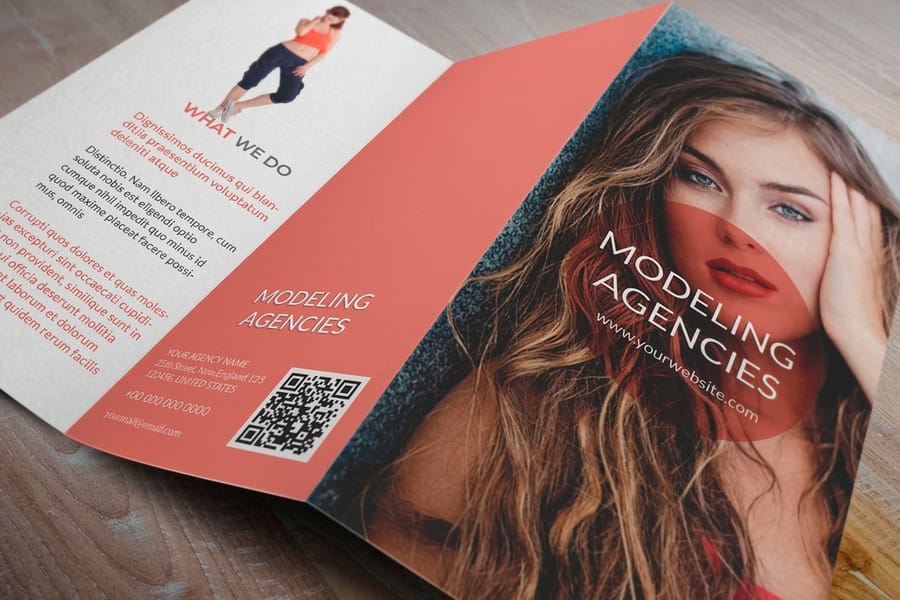
Before you argue about which one sells better, look at how each is physically made. That single fact decides page count, cost per unit, how the piece behaves on a rack, and how long it stays useful.
| Format | How it is built | Practical page range | Products it holds | Starts at |
|---|---|---|---|---|
| Brochure | One sheet, scored and folded. No stitching, no glue. | 4, 6 or 8 panels | 2 to 12 | $57.11 |
| Booklet | Folded sheets nested and stapled through the spine. | 8 to 64 pages, multiples of 4 | 10 to 60 | $240.55 |
| Catalog | Stitched at low counts, perfect bound with a glued square spine once the block is thick enough. | 16 to 200+ pages | 60 and up | $240.55 |
Read the fourth column, then the fifth. Booklets and catalogs share a starting price at 4OVER4.COM because at low page counts they are the same object built the same way. The word on the cover is marketing. The staple or the glued spine is the product.
That also explains the one number people get wrong. A brochure cannot have five panels, because a sheet folds in even divisions. A booklet cannot have 22 pages, because a folded sheet makes four. Sort your content into those units early and you will not have to pad the back of the book with a blank spread.
When a Brochure Is the Right Piece
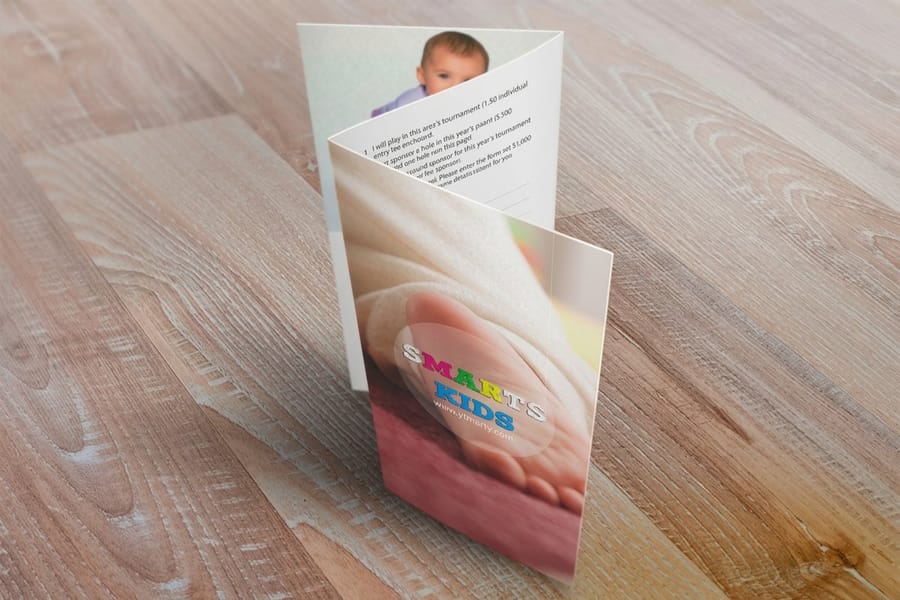
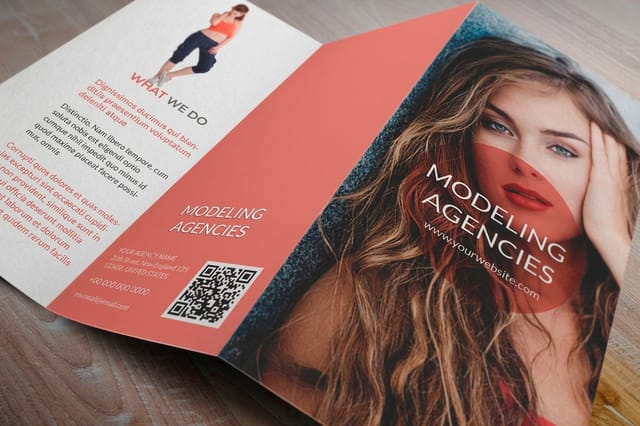
Use a brochure when you are selling one idea and a handful of products underneath it. A landscaping company with four service packages, a clinic with three treatment tiers, a distillery with six bottles. The fold gives you a sequence, and a reader turns panels faster than they turn pages.
The constraint is panel width. Fold an 8.5 by 11 sheet into a tri fold and each panel is roughly 3.67 inches, and the inside tuck panel has to be cut about an eighth of an inch narrower so it does not buckle against the fold. That is enough room for one product photo, a name, and about forty words. Two products per panel already means small type. Twelve products across six panels means nobody reads any of them.
The other advantage is distribution. A folded tri fold fits a number 10 envelope and a standard literature rack, so it can be mailed and displayed without a custom holder. Standard brochures start at $57.11, which is low enough that you can hand them out without doing arithmetic in your head. Pick the fold before you design: our brochure fold types guide covers the panel math for gate, roll and Z folds, and the brochure sizes guide lists the flat and folded dimensions side by side.
Where a brochure fails: any time the reader needs to compare items. Comparison wants a grid, a grid wants a full page, and a brochure has no full pages.
When the Line Needs a Booklet
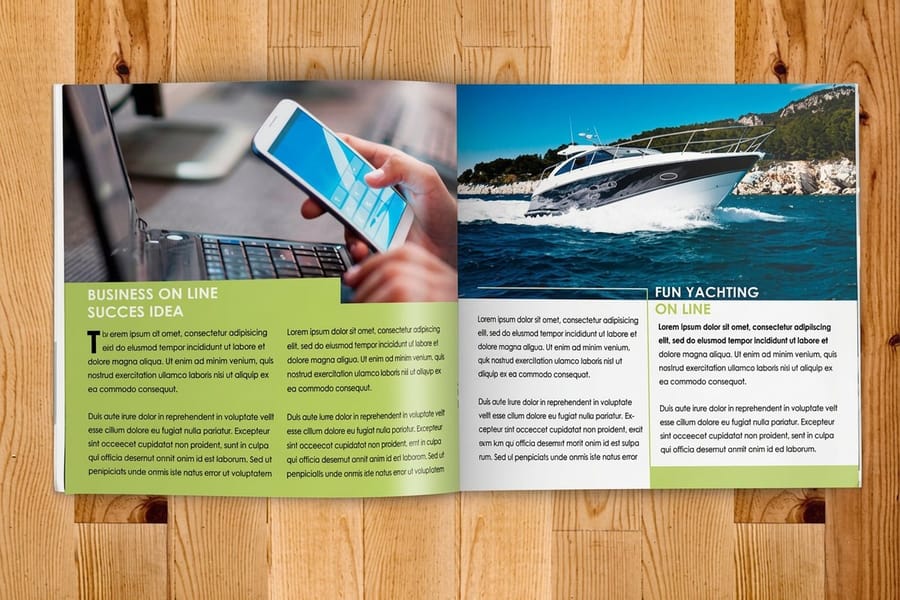
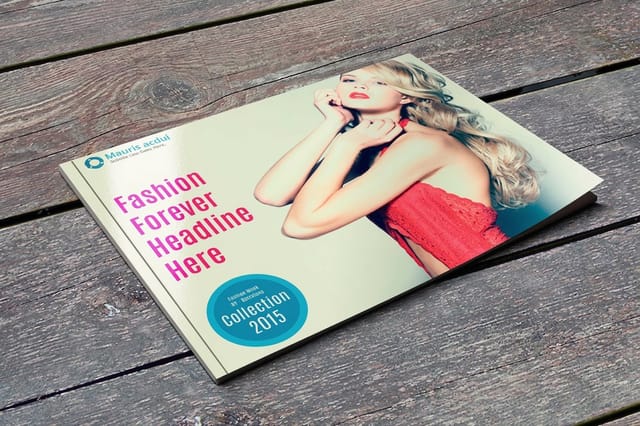
A booklet is the format for a curated line, roughly ten to sixty products, where each one deserves an image and a short description but not a full spec table. Furniture collections, apparel lookbooks, equipment ranges, menus of services. You get real pages, so you can give a hero product a spread and put six secondary items on a grid page.
Plan the page count before the layout, not after. Saddle stitching nests folded sheets, so your total is 8, 12, 16, 20, 24 and so on, covers included. Landing on 22 pages of content means cutting to 20 or padding to 24, and padding always looks like padding. The page counts and creep guide walks through the arithmetic with real examples.
Creep is the second thing to plan for. As sheets nest, the inner ones push outward, and the face trim takes more off them than off the outer sheets. On a 12 page booklet you will never see it. On a 40 page booklet printed on 100 lb text you will, as page numbers drifting toward the spine on the inner spreads. Keep folios and anything else critical at least a quarter inch inside the trim and the drift stops mattering.
Standard booklets start at $240.55 and run from 8 pages up. Stock choice does more to the finished feel than page count does: a gloss text block reads bright and photographic, an uncoated block reads calm and premium and shows fingerprints far less. The booklet paper and finish guide compares them, and the full range sits in booklets and catalogs printing.
When Only a Catalog Will Do
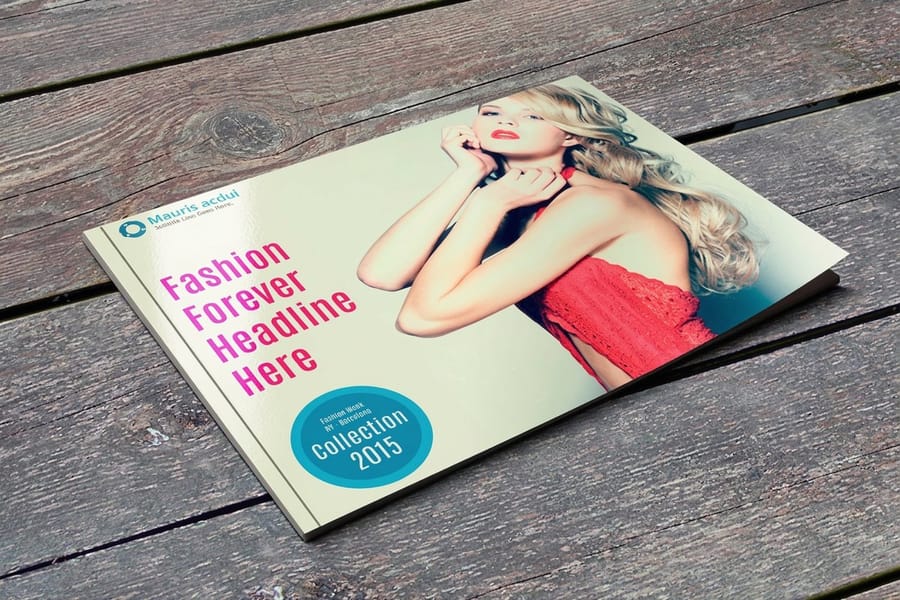
You need a catalog when the reader is going to look something up. That is the real test. A brochure and a booklet are read front to back; a catalog is opened at page 74 to check a part number. Once you need an index, a category structure, and consistent spec blocks, you are building a reference book and you should stop pretending otherwise.
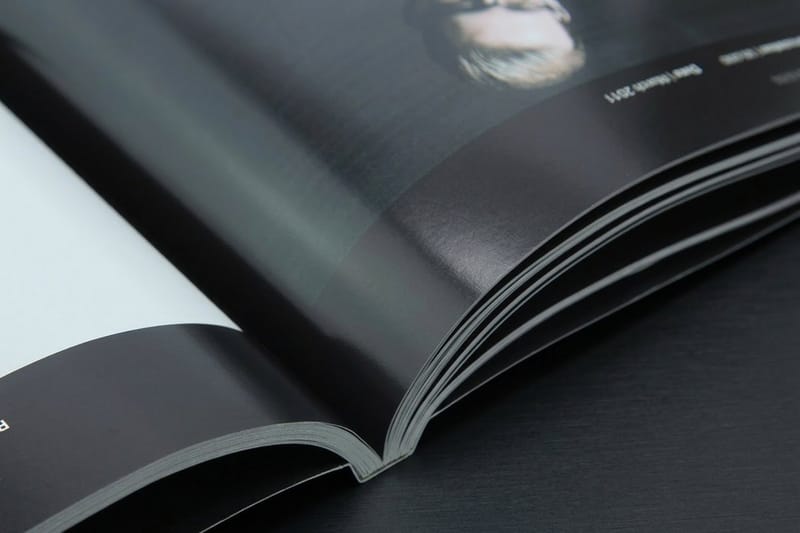
Two thresholds govern the build. Around 48 pages the page block gets thick enough, roughly an eighth of an inch on typical text stock, for a glued square spine to hold, which is also the point where you can print a title on the spine so the book is findable on a shelf. Around 64 pages a saddle stitch starts to fight you: the staple strains, the book will not lie flat, and the face trim gets visibly uneven. Between those two numbers either binding works and the choice is about how the piece will be used.
Perfect binding costs you inner margin. Between a quarter and three eighths of an inch on each inside edge disappears into the glued spine, so an image that crosses the gutter loses its middle and a table that starts too close to the spine becomes unreadable. Build the grid with that gutter allowance from page one rather than fixing it at proof stage. Standard catalogs start at $240.55, and the catalog binding and specs guide covers stock weights and cover options in detail.
The honest downside is time. A 96 page catalog is weeks of photography, copy and proofing, and every printed price in it is a commitment. Print the products, and keep prices on an inserted sheet you can reprint cheaply.
The Verdict, and What Most Companies Should Actually Print
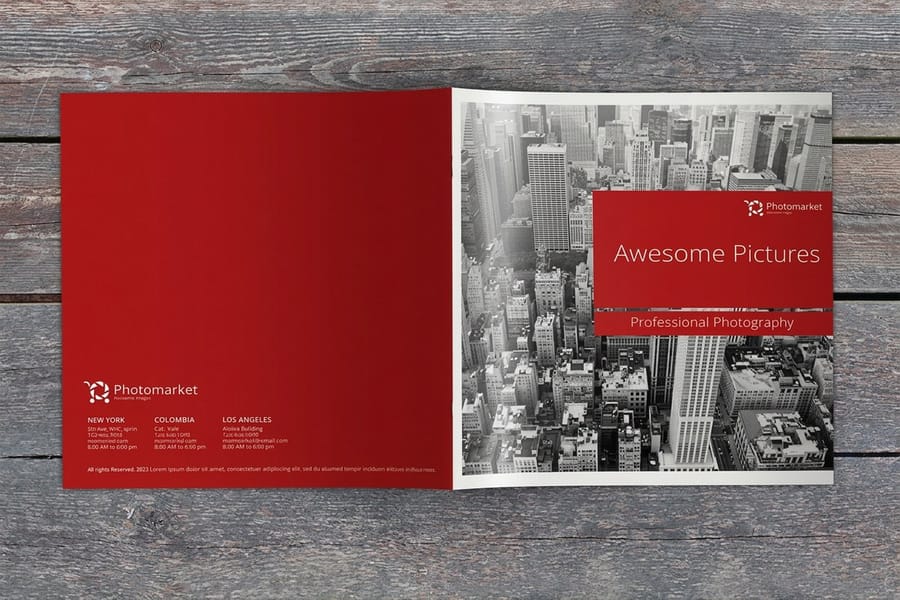
For most businesses showing a product line, the booklet wins. It is the only one of the three that gives you real pages without committing to a reference book, it survives a trade show table, and at 16 to 32 pages it covers the size of range most companies actually sell.
Choose a brochure if you have fewer than a dozen products, need something mailable and rack ready, or need volume at the lowest unit cost. Choose a booklet for ten to sixty products where images do the selling. Choose a catalog only when the reader needs to look items up by number and the range will not change for a year.
Two combinations beat any single piece. The first is a booklet plus a brochure: the booklet for buyers who ask, the brochure for everyone who walks past. The second is a pocket folder holding loose sheets, which is the right call when your prices or specs move often, since you reprint one page instead of the whole book. If you only need a single sheet with no fold at all, standard flyers start at $39.54 and cover that job.
Whichever you pick, set the file up at the finished flat size with bleed, and start from a correctly sized layout in the blank template library. If the choice is a fold against a stitch, the brochure printing range and the booklets and catalogs range both show live pricing so you can compare the same quantity across formats before you design anything.
Wally explains the three formats
One sheet, a staple, or a glued spine

Wally folds a single sheet and gets a brochure: four to eight panels, nothing stitched, fits an envelope. He nests a few folded sheets and staples through the fold and gets a booklet, always a multiple of four pages because each folded sheet makes four. He keeps adding pages until the staple gives up, mills the spine flat, glues it and gets a catalog with a square spine you can print a title on. Same paper, three constructions, three different jobs.
Price a product booklet →Specs and pricing
Brochures, booklets and catalogs, side by side
Compare the three formats at the same quantity, with the live configuration choices and starting prices straight from the 4OVER4.COM configurator.


Print it
Order the format your product line actually needs

Explore more
Where to go next



By the numbers
One shop for the booklet, the catalog and the brochure
Common Questions
Your booklet, catalog and brochure questions, answered
What is the actual difference between a booklet and a catalog?
Construction, and it shows up at the spine. A booklet is folded sheets nested inside one another and stapled through the fold, which printers call saddle stitching. A catalog past roughly 48 pages is usually perfect bound: the pages are gathered, the spine edge is milled flat, glue is applied, and a wrap cover is clamped on, giving you a square spine you can print a title on. Below about 48 pages there is not enough thickness to glue, so a short catalog is physically a booklet no matter what you call it on the cover.
How many products fit comfortably in each format?
Roughly: two to twelve products in a brochure, ten to sixty in a booklet, sixty and up in a catalog. Those are readability limits, not printing limits. A tri fold panel is about 3.67 inches wide on a folded 8.5 by 11 sheet, so it holds one hero product with an image and a short paragraph, or three products in a stacked list. Try to squeeze twelve SKUs onto six panels and the type drops below 8 point and nobody reads it.
Why does my booklet page count have to be a multiple of four?
Because one sheet of paper folded once produces four printable pages. Saddle stitching nests those folded sheets, so the total is always divisible by four: 8, 12, 16, 20 and so on. If your content lands on 22 pages you either cut to 20 or add two blank or filler pages to reach 24. Covers count in that total. A 24 page booklet means 24 pages including the front and back cover, which is a common misunderstanding that turns a quote into a reprint.
What is creep and when do I need to worry about it?
When folded sheets nest, the inner sheets push outward past the outer ones. The face trim then cuts more off the inner pages than the outer ones, so page numbers and outer margins drift inward as you go deeper into the book. It is invisible on a 12 page booklet, noticeable around 32 pages, and obvious by 48 on thick stock. The fix is shifting the inner spreads slightly toward the spine at imposition, and keeping anything critical at least a quarter inch from the trim edge.
Can I put a brochure fold and a booklet in the same campaign?
That is usually the right answer, not a compromise. The booklet or catalog is the piece you hand to a serious buyer or mail to a house list. The brochure is the rack piece and the leave behind, cheap enough to hand out at a trade show without counting. Because a tri fold 8.5 by 11 sheet folds to 3.67 by 8.5 inches, it drops into a number 10 envelope and into a standard literature rack, which a booklet does not.
Which format holds up best on a trade show table?
The booklet, by a distance. A folded brochure will not stand, curls in humidity, and ends up in a pile. A stitched booklet on a cover stock front lies flat, stacks square, and reads as something worth keeping. If your table also needs to carry loose price sheets and a spec insert, a pocket folder does that job better than any bound piece, because you can swap the contents the morning of the show.
Get Started
25 catalogs cost $240.55, 50 brochures $57.11
Set the page count, pick the stock, and we print brochures that fold clean, booklets that lie flat, and catalogs with a spine you can read across a room.
Legal Disclaimer
Gold Standard guarantees apply to all standard orders placed through 4over4.com. Price match requires verifiable proof of a competitor's published price for an equivalent product with matching specifications and turnaround time. Satisfaction guarantee covers manufacturing defects and print quality issues. Contact support with order number and documentation. On-time delivery rate based on tracked orders 1999 to 2026. Individual results may vary based on shipping carrier performance.
