
Lamination Finishing for Durable Gloss, Matte, and Soft-Touch Print


A thin protective film, sealed over your print, that guards the surface and transforms the feel. Choose gloss for shine, matte for a soft non-glare look, or soft-touch for a velvet finish, and give your printed piece a surface worth holding on to.
Lamination bonds a thin plastic film over a printed piece under heat and pressure. It protects the surface from water, scuffs, and fingerprints, deepens the color, and gives the paper a finish you can feel. The three finishes are gloss for maximum shine and color, matte for a calm non-glare look, and soft-touch for a velvet, premium hand feel. It layers under spot UV and foil for pieces that are both protected and unforgettable.
Start here
A film that changes how print feels and lasts
Lamination is a finishing step that seals a thin plastic film over your printed piece, protecting it and changing how it looks and feels. It makes print water resistant, scuff proof, and richer in color, and it comes in three finishes: glossy for shine, matte for a calm non-glare surface, and soft-touch for a velvet feel. Learn what each one does, where it fits, and how it compares to coatings, then choose the finish that makes your piece worth keeping.
Why lamination is the finish that makes print last
Hand someone an unfinished card and they notice the message. Hand them a laminated one and they notice the message and the object. That extra beat, the weight, the smooth resistance under the thumb, the way the color sits a shade deeper, is lamination quietly doing its job before a single word is read.
Lamination is the finishing step that seals a thin, clear film over your printed piece, so the ink is protected and the surface is transformed. It is what keeps a restaurant menu usable after a hundred greasy hands, what stops a membership card from fraying in a wallet, and what lets a plastic card survive being carried every day for years. Cheap print looks cheap partly because it is bare, and a good finish is what separates a keepsake from a throwaway.
This page walks through what lamination is, the three finishes you can choose from, where each one earns its place, and how it compares to coatings. If you already know you want it, order free paper samples first so you can feel the difference in your own hands before you commit a full run.
What lamination actually is, and how it is applied

Lamination bonds a plastic film to the surface of a printed sheet using heat and pressure. The film fuses to the ink and stock and becomes the new outermost layer, which is why a laminated piece feels like one solid object rather than paper with something on top. Because the film is a physical layer and not a liquid, it is thicker and far more durable than any sprayed-on coating.
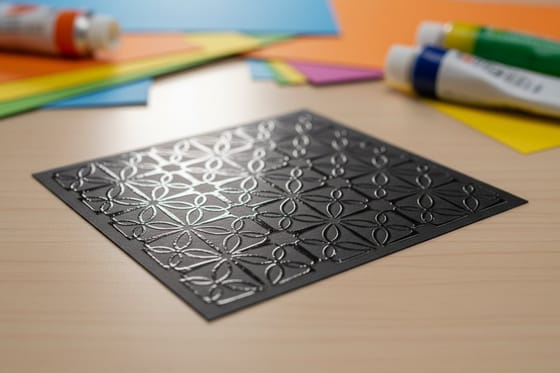
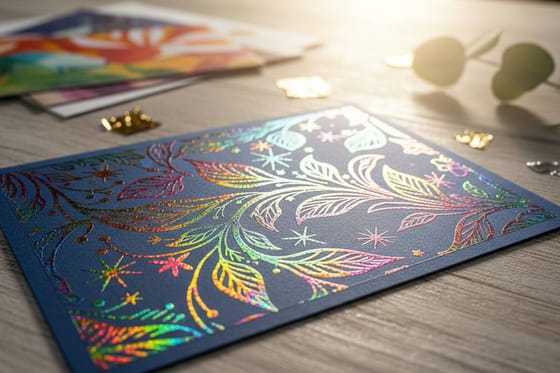
The finish belongs to a whole family of surface treatments we run in-house, so you are never choosing in isolation. Lamination is the tough, all-over base. Spot UV and special-effect UV coatings add shine to specific details on top of it, foil stamping presses metallic accents into it, and water sealing pushes durability even further for pieces that live outdoors or get wet. Many of the best-looking cards combine two or three of these on purpose.
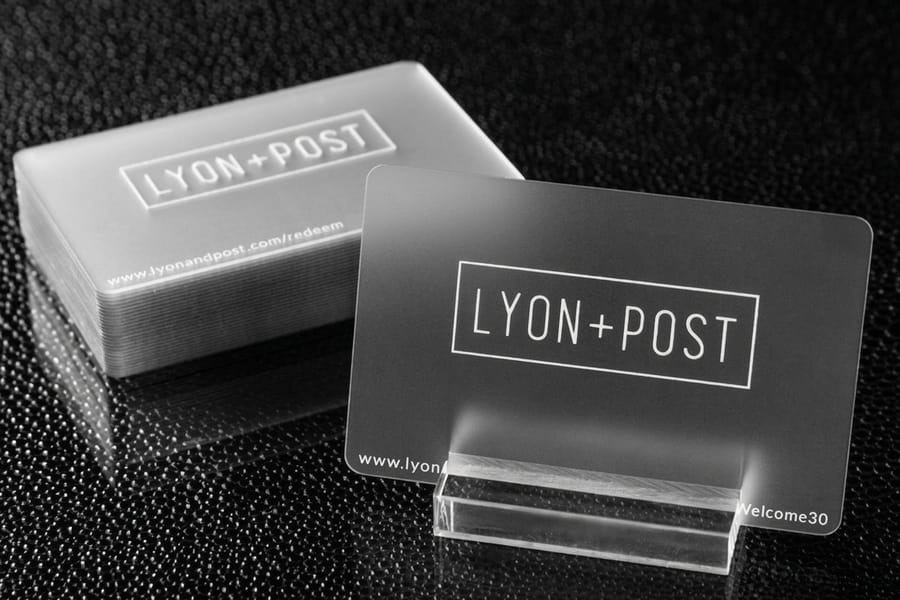
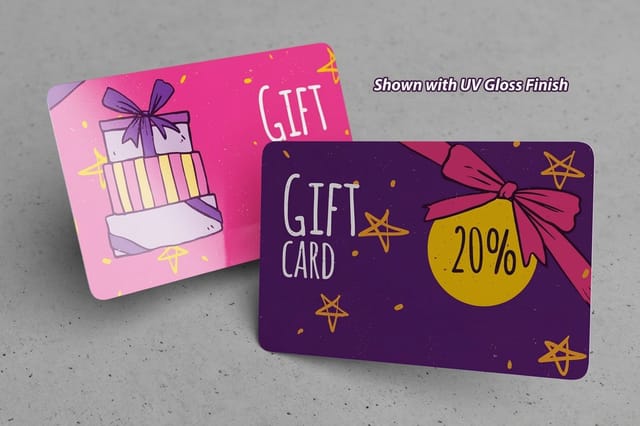
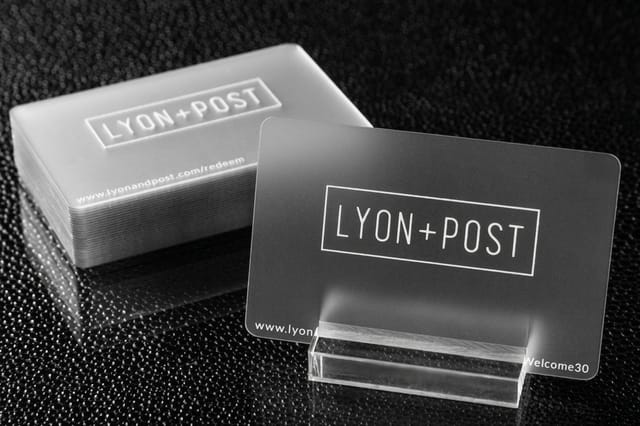
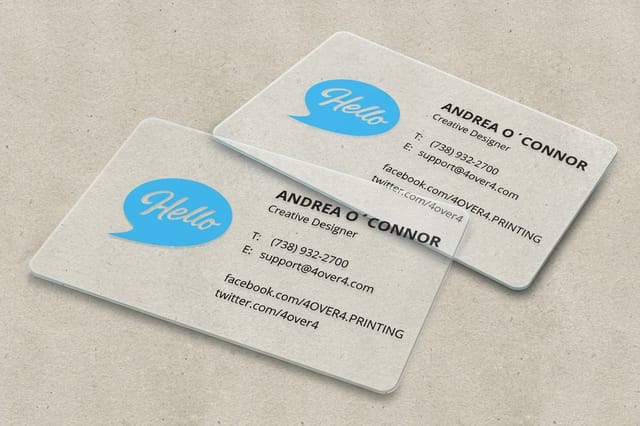
You can laminate almost any cover-weight print, and you decide how far to take it: one side for a quick lift, both sides for a sealed edge that resists curling. Our frosted and clear plastic cards are lamination taken to its natural conclusion, where the film and stock are the entire product.
Gloss lamination: shine, depth, and maximum color
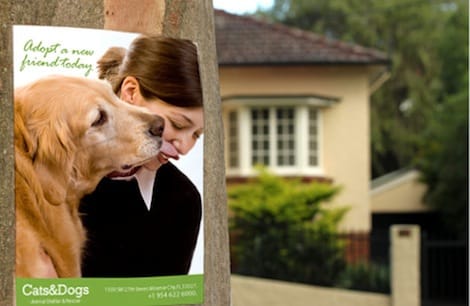
Gloss lamination gives you a reflective, wet-looking surface that makes color as vivid as print gets. Light bounces off it, blacks go rich, and photographs gain the kind of contrast that reads as bold and confident from across a room. If your design leans on imagery, bold color blocks, or a photo you are proud of, gloss is the finish that shows it off.
The tradeoff is glare and fingerprints. A high-shine surface reflects overhead lighting and picks up smudges, which can distract on a piece people study up close in bright rooms. Gloss shrugs off spills and scuffs beautifully, so it is a natural fit for menus, product cards, and anything that has to look energetic and survive handling at the same time.
Gloss also pairs cleanly with contrast-driven layouts. If you want the color under the film to hold up from screen to press, our guide on CMYK vs RGB explains where saturation gets lost and how to protect it.
Matte lamination: calm, non-glare, and quietly premium
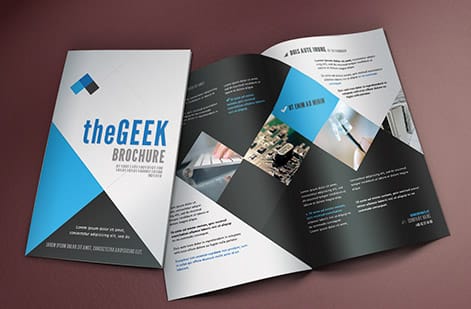
Matte lamination scatters light instead of reflecting it, so the surface reads soft, even, and free of glare. It is the finish that signals restraint: understated, modern, and easy on the eye. Type stays crisp and readable from any angle, which is why matte is the default choice for text-heavy pieces, luxury packaging, and brands that want to feel considered rather than loud.
Because it does not shine, matte hides fingerprints far better than gloss and gives a piece a tactile, almost paper-like smoothness while keeping all of lamination's toughness underneath. Colors sit a touch more muted than they do under gloss, which most designers read as elegant rather than flat, especially on a clean, spacious layout.
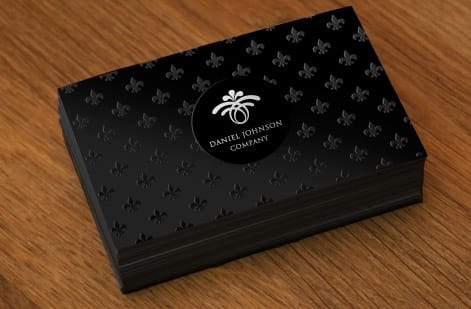
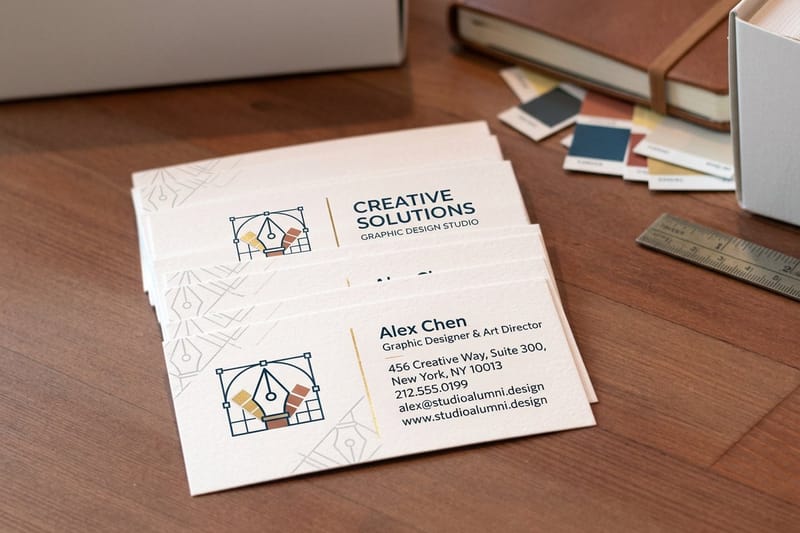
Matte is also the better base when you plan to add contrast on top. A raised, glossy spot UV logo or a line of foil pops hardest against a quiet matte field, which is exactly the effect on so many high-end business cards.
Soft-touch lamination: the finish people remember by feel
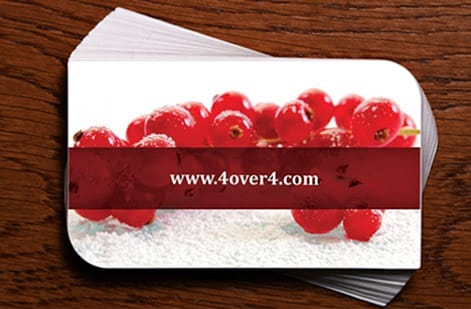
Soft-touch lamination, also called velvet or suede, is a specialty matte film with a cushioned, grippy texture that feels like brushed fabric under the thumb. It is the finish that people comment on out loud, because the surprise is physical: the card looks understated and then feels unmistakably expensive the moment it is picked up. For a first impression that lingers, nothing on paper beats it.
It keeps every practical benefit of matte, no glare, hidden fingerprints, a durable sealed surface, and adds a sensory layer that is impossible to convey on a screen. That is exactly why premium business cards, invitations, and packaging reach for soft-touch when the goal is to feel high-end rather than just look it.
Soft-touch is also the ultimate base for accents. A metallic foil monogram or a glossy spot UV mark against a velvet background creates a contrast you can see and feel at once, which is the trick behind the most memorable cards we print.
Where lamination earns its keep

Lamination pays off anywhere a printed piece has to survive contact with the real world or make a premium impression. The classic candidates are the things people hold and keep: business cards, loyalty and membership cards, gift and hotel key cards, and the plastic cards where the film is the whole point.
It is just as useful on pieces that take abuse. Restaurant menus laminate to shrug off spills and grease, folders and presentation covers laminate so the corners stop fraying, and bookmarks, hang tags, and table tents laminate so daily handling does not wear them thin. In each case the finish quietly doubles the working life of the print.
And it scales into full projects. When laminated cards or menus ship as part of a larger rollout, our kitting and fulfillment team can collate, pack, and send them so the finished, protected pieces arrive ready to use. If you are not sure which pieces are worth laminating, our print experts will talk it through with you.
Lamination vs UV coating vs aqueous: how to choose
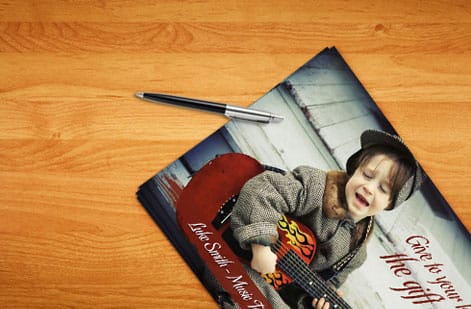
People use finish names interchangeably, but they behave differently. Aqueous and UV coatings are liquids applied to the sheet and cured, so they add sheen and a light layer of protection and stay thin and close to the paper. Lamination is a film laid over the whole surface, so it is thicker, tougher, more water resistant, and the only option that meaningfully changes how the piece feels in the hand.
The practical rule is about durability versus emphasis. Choose lamination when you want an all-over protective shell and a specific tactile finish across the entire piece. Choose a coating when you want to spotlight one element, which is where spot UV and our special-effect UV coatings shine, adding a raised, glossy, or textured accent to a single detail rather than the whole card.
The two are not rivals. The best pieces combine them. A soft-touch laminated base with a spot UV logo, or a matte laminated cover with a foil title, layers protection and emphasis together. If the piece will get genuinely wet or live outdoors, add water sealing on top for the highest resistance we offer.
How to add lamination, and what it costs
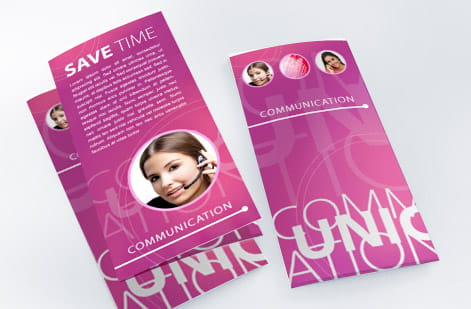
Adding lamination is a choice you make while configuring the product, not a separate order. On products that support it, you pick the finish and whether to seal one side or both, and the price updates as you go. The cost behaves predictably: it scales with the size of the piece, the stock, one-sided versus two-sided coverage, and the quantity, and the per-piece premium falls as the run grows.
Because the finish is invisible on a screen and unmistakable in the hand, order free paper samples before you commit so you can feel gloss, matte, and soft-touch side by side and match the film to the stock. When you are ready, the fastest path is to start from a layout in our design templates and choose the finish as you build.
For large runs, unusual stocks, or a combination of lamination with foil, spot UV, and kitting, our team will put together a custom finishing quote. Reach out through contact and tell us what the piece needs to do, and we will spec the finish that gets it there.
Compare the finishes
Which lamination should you choose?
All three protect the print equally well. The difference is look and feel, so match the finish to the job the piece has to do.
| Finish | Look | Feel | Best for | Good to know |
|---|---|---|---|---|
| Gloss | Reflective, high shine | Slick and smooth | Photos, bold color, menus, product cards | Most vivid color, shows glare and fingerprints |
| Matte | Flat, no glare | Soft, paper-like | Text-heavy pieces, upscale brands, folders | Hides fingerprints, ideal base for accents |
| Soft-touch | Deep matte | Velvet, cushioned grip | Premium cards, invitations, packaging | The finish people remember by feel |
Infographic
The anatomy of a laminated print
A film seals over your ink, so the color stays rich and the surface stays protected. Save this as a quick reference when you spec your next finish.
Lamination is the durable, all-over base. Layer spot UV or foil on top and you protect the whole piece while making one accent shine.
Specs and pricing
Laminated plastic card specs and live pricing
Our plastic cards are lamination at full strength, where the film and stock are the whole product. Here are the live specs and price-per-unit for white plastic cards, straight from the configurator.
| Quantity | Price Per Unit | Total |
|---|---|---|
| 250 | 90.4¢ | $226.11 |
| 500 | 55.3¢ | $276.63 |
| 1,000 | 37.8¢ | $377.68 |
| 2,000 | 34.7¢ | $693.46 |
| 2,500 | 35.3¢ | $882.94 |
| 3,000 | 33.6¢ | $1,009.25 |
| 3,500 | 32.4¢ | $1,135.55 |
| 4,000 | 31.5¢ | $1,261.87 |
Print it laminated
Laminated cards, ready to configure
The finishing family
Pair lamination with the rest of our finishing services
Lamination is the base. These treatments layer on top of it, so one piece can be protected, tactile, and glossy all at once.
Wally explains lamination
A finish you can feel, doing quiet work you can trust
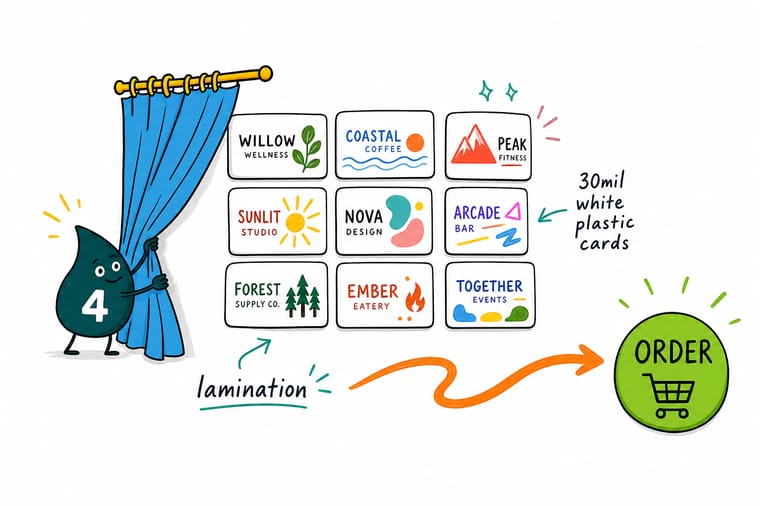
Wally thinks of lamination as armor with good manners. The film seals your ink away from water and wear, deepens the color, and turns a flat card into something people want to hold. Pick gloss to make color pop, matte to keep things calm, or soft-touch for that velvet handshake. Design it, choose the finish, and let 4OVER4 seal it in.
Configure a laminated card →See it in use
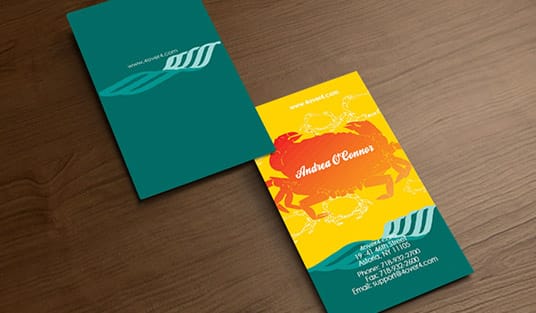
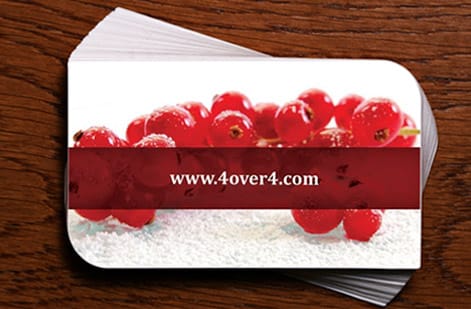
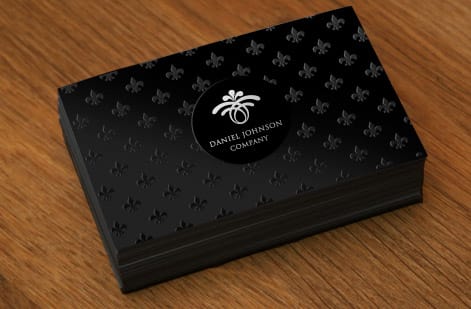
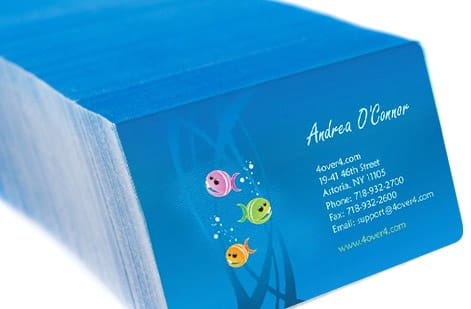
Real customer work, finished in-house
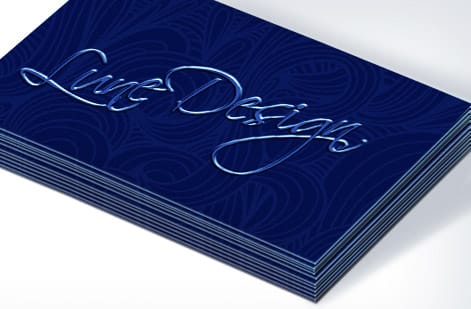
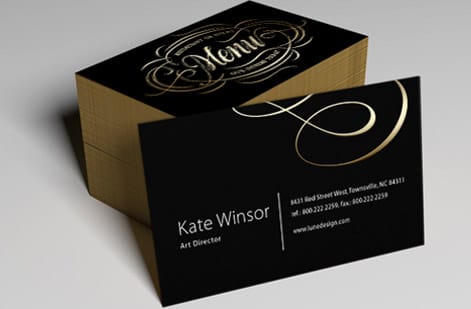
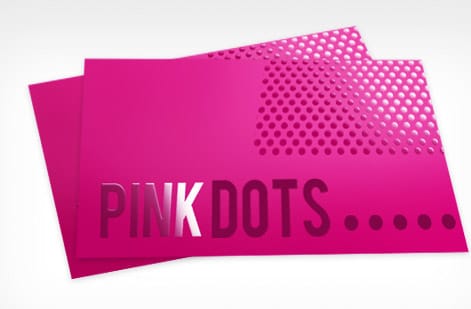
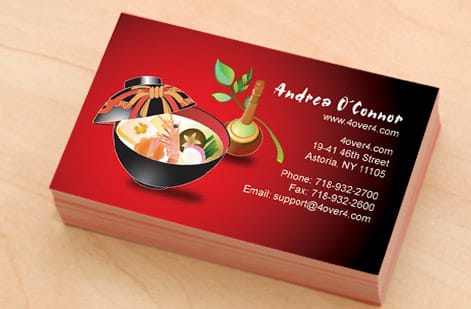
Get Started
Ready to give your print a finish worth holding?
Choose gloss, matte, or soft-touch, seal one side or both, and watch the price update live as you build. Order free samples first if you want to feel the difference.
Explore more
Where to go next

By the numbers
The laminator and the stocks it finishes
Common Questions
Common questions about lamination
What is lamination in printing?
Lamination is a finishing step that bonds a thin, clear plastic film to the surface of a printed piece using heat and pressure. The film becomes the new top layer, so the ink underneath is sealed away from moisture, oil, and abrasion. Beyond protection, lamination changes how the piece looks and feels: it can add a wet-looking shine, a flat non-glare softness, or a warm velvet texture, depending on the film you choose.
What is the difference between gloss, matte, and soft-touch lamination?
Gloss lamination is reflective and high-contrast, so photos and saturated colors look their most vivid. Matte lamination scatters light instead of bouncing it, which removes glare and gives the piece a quiet, premium restraint that also hides fingerprints. Soft-touch (sometimes called velvet or suede) is a specialty matte film with a grippy, cushioned feel that reads as luxury the moment someone picks it up. All three protect the print equally well. The choice is about look and hand feel.
Is lamination the same as UV coating or aqueous coating?
No. Coatings are liquids that are rolled or sprayed onto the sheet and then cured, so they add a thin layer of protection and sheen but stay close to the paper. Lamination is a physical film laid over the whole surface, which makes it thicker, tougher, and more water resistant than any coating. If you want a hard, durable shell, lamination wins. If you want to spotlight one shiny detail on an otherwise matte piece, our spot UV and special-effect UV coatings are the better tools.
Does lamination make a print waterproof?
Lamination makes a print highly water resistant rather than fully waterproof. The film keeps splashes, humidity, and damp hands from reaching the ink, which is why laminated menus and cards survive daily use. On single-sided lamination, water can still creep in at the unsealed edges over time. For anything that will be wet often, laminate both sides so the film seals around the perimeter, or ask us about full water sealing.
Can you write on a laminated card?
Gloss lamination is slick, so standard ballpoint and pencil will smear or skip on it. Matte and soft-touch films have more tooth and accept a permanent or dry-erase marker better. If a piece needs a signature or a handwritten field, plan for it up front: we can leave a spot uncoated or route you to a stock and finish that takes ink cleanly.
Should I laminate one side or both?
Laminate the side people see for a quick upgrade, or both sides for maximum durability. Double-sided lamination seals the edges, resists curling, and keeps a card flat and crisp after months of handling, which is exactly why premium business cards and loyalty cards are almost always laminated front and back.
How much does lamination add to the cost?
Lamination is priced as an add-on that scales with the same levers as the print itself: the size of the piece, the stock, whether you laminate one side or two, and the quantity in the run. Larger quantities spread the setup cost thin, so the per-piece premium shrinks as your order grows. The fastest way to see real numbers is to configure the product and toggle the finish, or contact our team for a custom finishing quote.
Legal Disclaimer
Gold Standard guarantees apply to all standard orders placed through 4over4.com. Price match requires verifiable proof of a competitor's published price for an equivalent product with matching specifications and turnaround time. Satisfaction guarantee covers manufacturing defects and print quality issues. Contact support with order number and documentation. On-time delivery rate based on tracked orders 1999 to 2026. Individual results may vary based on shipping carrier performance.
