
The Brand Evolution System for Modern Creators in 6 Print Pieces
A creator brand does not evolve all at once. It evolves in six print pieces, bought in the order of how expensive each one is to get wrong. Here is the sequence, with the live starting price on every piece.
Buy the six pieces in this order: business cards, postcards, die-cut stickers, premium labels, hang tags, then custom mailer boxes. Cards start at $17.57 and boxes start at $711.78, so the sequence runs from the cheapest place to discover a problem to the most expensive place to be stuck with one. Every piece before the box is still easy to reprint.
The picks
Six picks, ordered by commitment, from $25.27 hang tags
Work left to right and stop wherever your brand actually is right now. The first four pieces come in under $170 combined at the lowest quantity, which is enough to put a new identity in front of real people. The packaging pieces wait until the mark stops moving. Prices come from the configurator and drop per unit as your quantity climbs.
The ladder
What each piece does, and what it costs to change your mind
Every stage in the system has one job and one level of risk attached to it. The risk column is the part most creator kits leave out, and it is the reason the order matters: a card is a Tuesday reprint, a box is a printed run you live with. Read the row, then tap the piece to jump to its section.
| Piece | Starting price | The job | Cost of changing your mind |
|---|---|---|---|
| 1. Premium business cards | From $17.57 | Prove the mark works at 3.5 in x 2 in, in a hand, under bad light. | Low. A bad card is a hundred pieces of recycling and a Tuesday reprint. |
| 2. Standard postcards | From $16.48 | Announce the change to the people who already follow you. | Low. Mail 250, learn what lands, change the back before the next run. |
| 3. Die-cut stickers | From $93.37 | Put the logo on laptops and water bottles where strangers see it. | Medium. The cut line is locked to the shape, so a logo tweak means a new cut. |
| 4. Premium labels | From $29.16 | Brand the product itself, and carry the legal and ingredient copy. | Medium. Copy changes with the formula, so order in shorter runs. |
| 5. Standard hang tags | From $25.27 | Make merch read as bought rather than home-printed. | Medium. Tied to sizes and prices that shift every season. |
| 6. Custom mailer boxes | From $711.78 | Own the ten seconds between the doorstep and the phone camera. | High. Printed flat on a cut-and-crease shape sized to your product. |
Before you print anything
Settle three things first
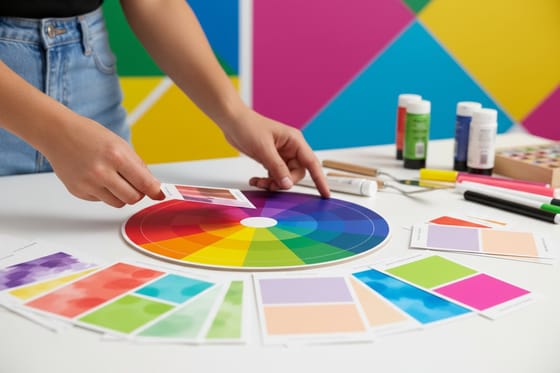
Pick the logo lockup, the two or three brand colors as printable build values, and one type pairing. Those three decisions are what make six separate print orders look like one brand instead of six experiments. If any of them is still under debate, the answer is not to print smaller, it is to finish the decision. Our guides on building a brand style guide and choosing a brand color palette take about an afternoon between them, and a page of printed booklets from $240.55 turns that style guide into something a collaborator can hold. If you are replacing an existing mark rather than setting a first one, read how to redesign a logo without losing recognition before you open the file.
1. Premium business cards: the smallest, cruelest test of a logo
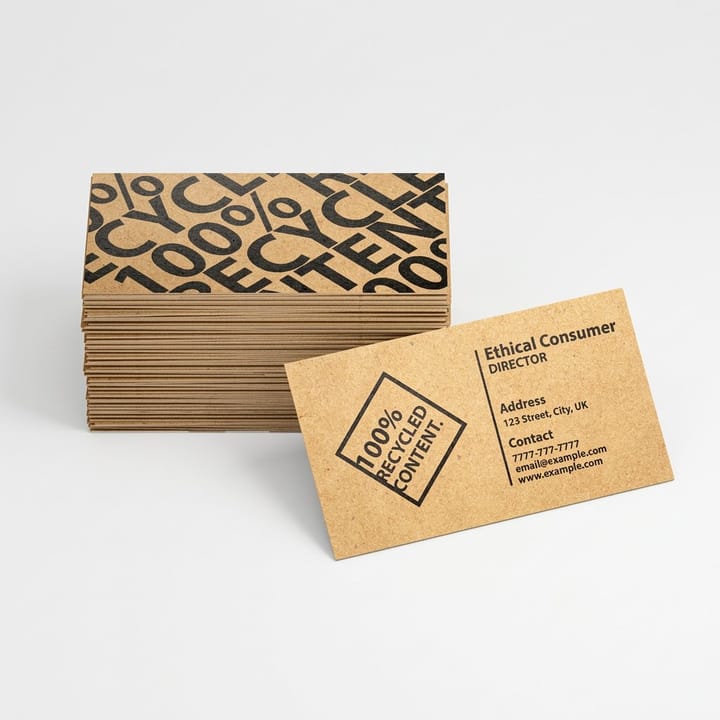
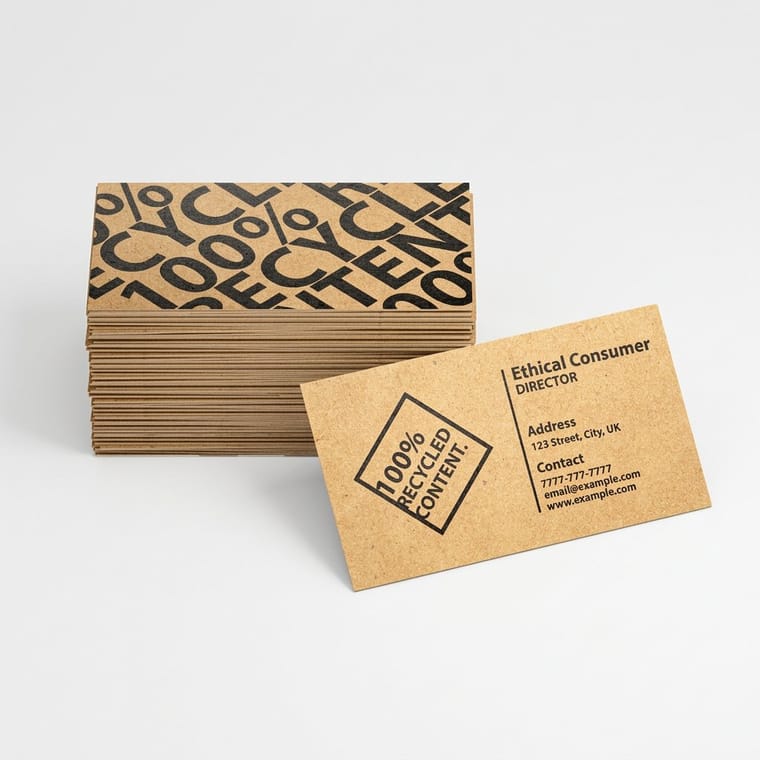
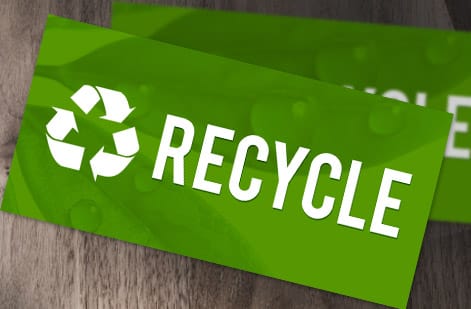
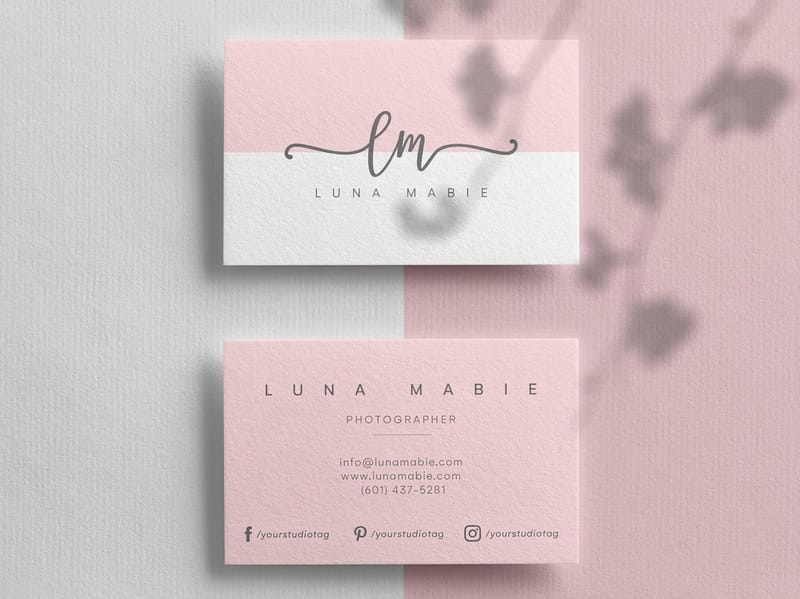
Start here because it costs the least to be wrong. Premium business cards start at $17.57 at 4OVER4.COM, which buys you the first honest look at your mark printed at 3.5 in by 2 in. Hairline strokes fill in. A gradient that looked rich on screen goes flat. Type set at 6pt in a light weight disappears against a dark stock.
That is the whole point of putting cards first in the system. You are not buying networking material, you are buying a proof of the identity at the worst size it will ever have to work at. If the logo holds on a card, it will hold on a label, a tag, and a box. If it does not, you have lost twenty dollars instead of seven hundred.
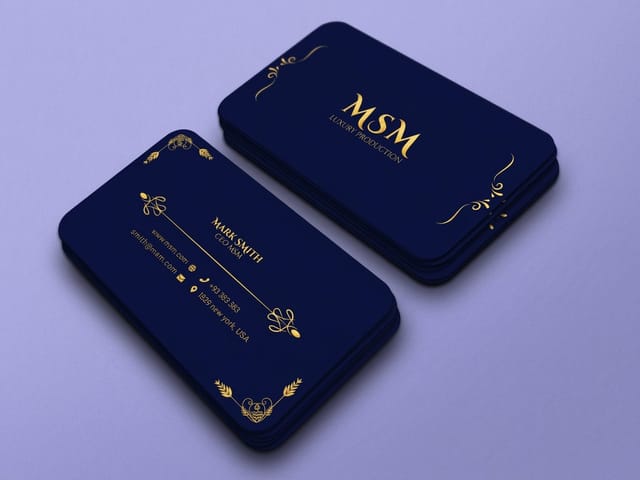
Two upgrades are worth knowing about before you commit the whole run. Soft touch business cards start at $40.28 and add a laminate with a suede feel that also mutes color slightly, so a bright brand reads calmer than the file suggests. Raised foil business cards start at $86.78 and lift a metallic mark off the surface, which works on a simple logo and turns to noise on a busy one. Order the plain premium card first, then test a finish once the artwork is settled.
If your logo has more than one lockup, decide now which one goes on the card. Our breakdown of the logo variations every brand needs covers the horizontal, stacked, and icon-only versions and where each belongs.
2. Standard postcards: tell the people who already follow you
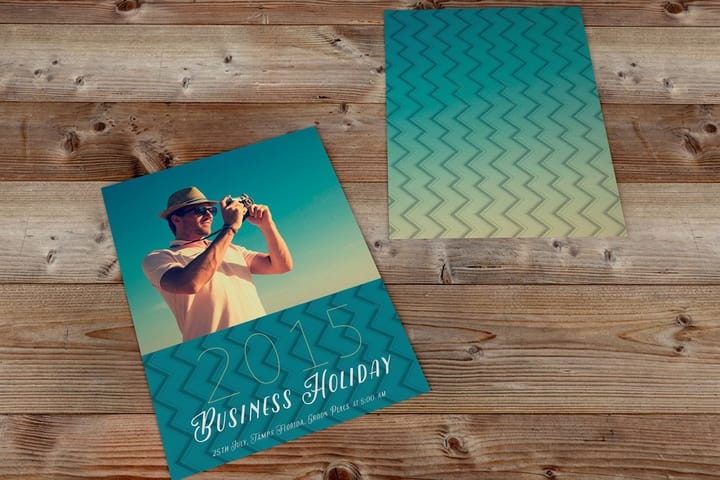
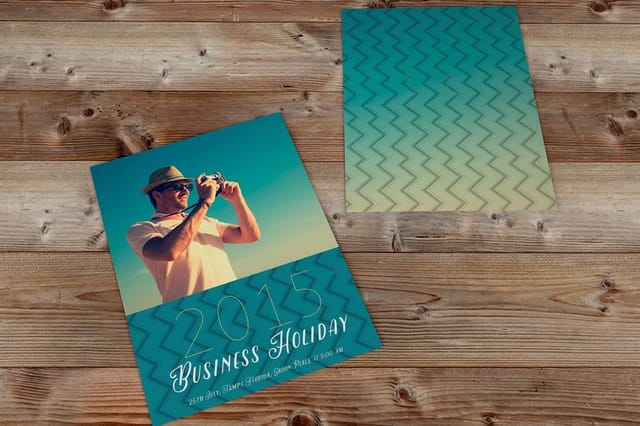
A rebrand that only happens on a feed is a rebrand half your audience missed. Standard postcards start at $16.48 and are the cheapest piece in this kit, which makes them the right tool for the announcement, the studio-sale invite, and the thank-you that goes in the second order.
Postcards do something a story post cannot: they sit on a desk. The person who bought from you in March gets a physical reminder in October, at a moment you chose, and there is no algorithm between the two of you. Print a short run, mail it, and watch what comes back before you commit to a bigger drop.
Use the back like a landing page rather than a poster. One headline, one offer, one link or QR code, and the address block kept clear so it actually mails. There are seven layout ideas that hold up in our piece on making a brand statement with modern postcards, and if you would rather not start from a blank canvas, our design templates give you a sized, bleed-correct starting file.
3. Die-cut stickers: the only ad your audience asks to carry
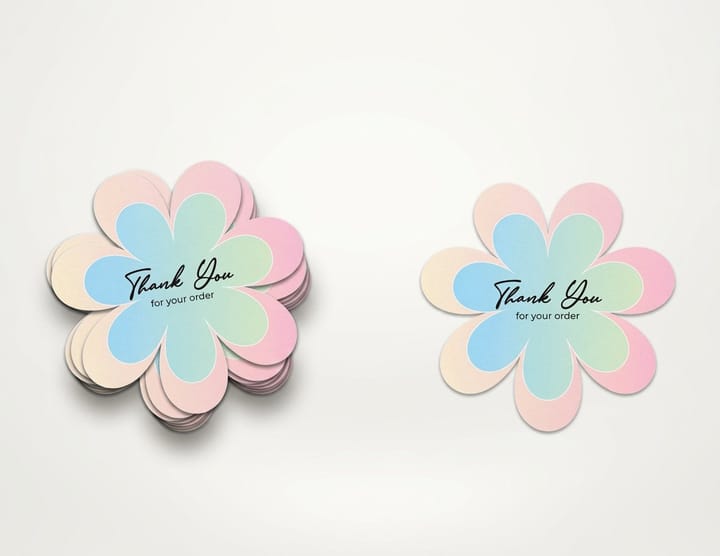
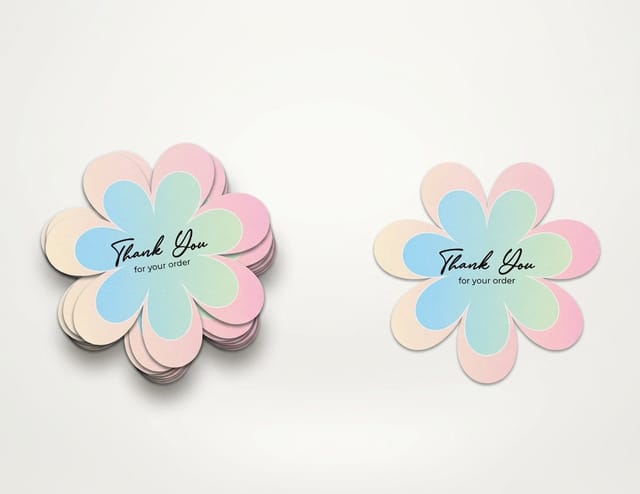
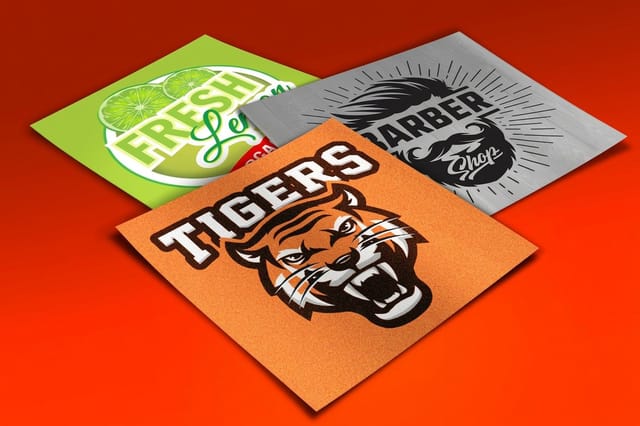
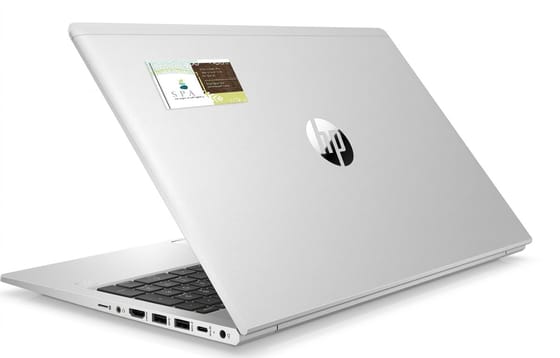
Die-cut stickers start at $93.37 for a run, and they are the piece in this system that does the most work per dollar once it leaves your hands. Cut to the outline of your mark rather than a square, a sticker reads as an object instead of a print, and that is why it ends up on a laptop lid rather than in a drawer.
Slip one into every order, leave a bowl of them at the market table, and the logo travels to rooms you will never be in. It is also the fastest audience test you can run. People do not put a mark they dislike on their own gear, so the pile that vanishes in one weekend is telling you the identity works.
Here is the limit nobody mentions: the die follows your artwork, so the cut line is part of the design. A mark with thin arms, long ascenders, or an isolated dot gets a cut path with weak points that peel or tear. Keep the outline chunky, add a border so the shape has something to hold on to, and avoid a sliver of vinyl narrower than the width of the stroke it hangs off. There are more angles on the format in our article on how custom stickers rebrand a business.
4. Premium labels: where the brand touches the product
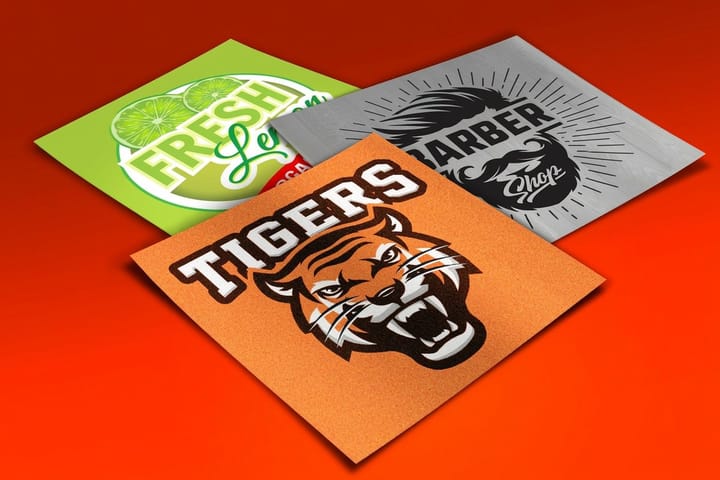
Up to now the branding sat beside the product. Premium labels start at $29.16 and put it on the product, which is a different job with different rules. A label has to carry the mark, the product name, the size or weight, and whatever the category legally requires, all inside a footprint set by the container you already bought.
Measure the container before you design. A label sized to the flat artboard and not to the curve will either wrap onto itself or leave a gap where the two ends meet, and both look like a mistake on a shelf. Leave a clear margin on all four sides so a slightly crooked application still reads as intentional.
The reason labels sit fourth in the ladder and not last is that they change often. A reformulated batch, a new size, a corrected weight, and the copy is out of date. Order labels in shorter runs than you think you need, and keep the artwork in a file where the variable text lives on its own layer. If your packaging is going to grow into a full set, our guide to creating custom brand packaging maps out the pieces in order.
5. Standard hang tags: the difference between merch and homemade
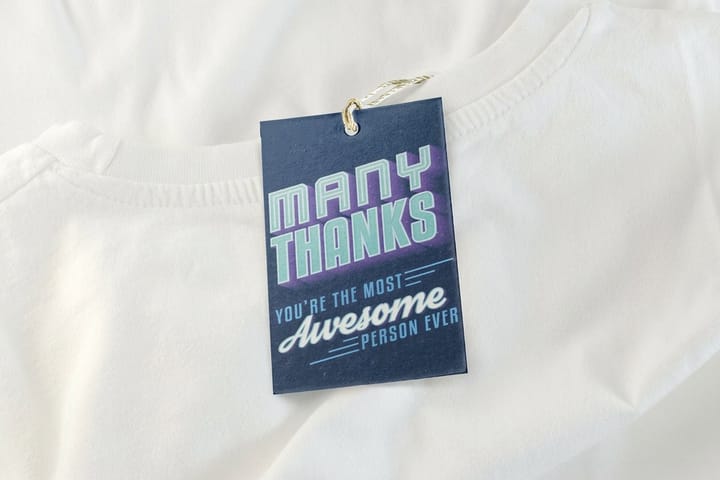
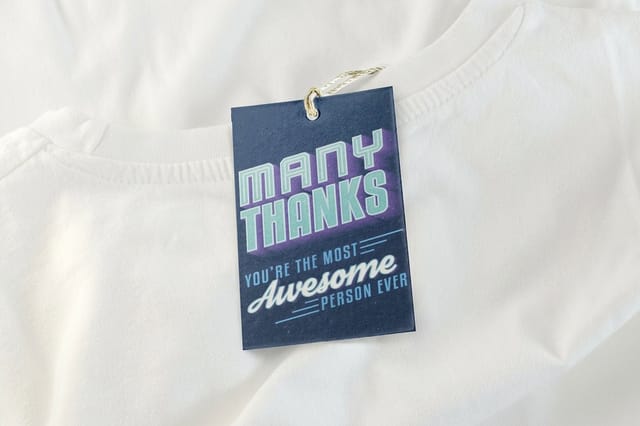
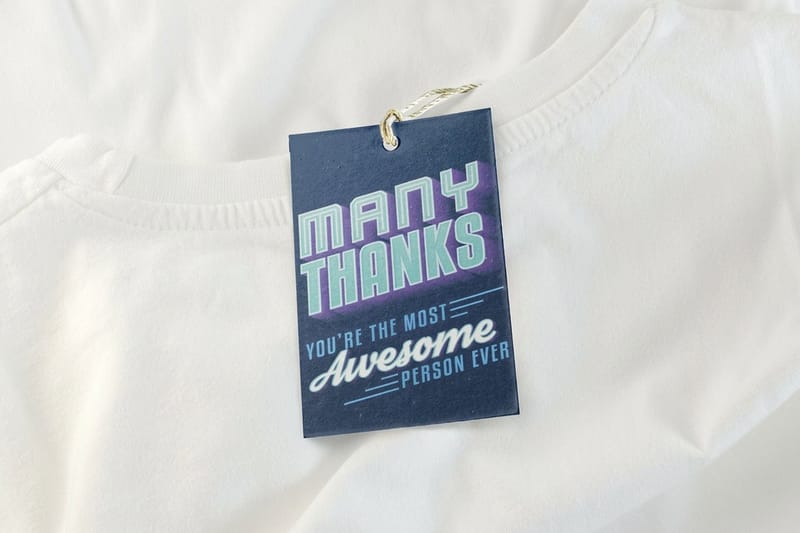
The first time a creator sells a physical good, the packaging usually gives it away. A printed shirt in a poly bag with a handwritten price is a favor. The same shirt with a standard hang tag looped through the collar is a product. Tags start at $25.27, which is the cheapest upgrade in perceived value anywhere in this kit.
Give the tag both sides. The front carries the mark and nothing else, because that is the side facing out on a rack. The back is where the size, the price, the care instructions, the fabric, and a QR code to the shop actually belong. Punch the hole at least a quarter inch in from the edge or the string tears out the first time someone flips the tag over.
Hang tags share a weakness with labels: they carry information that expires. Prices move, sizes sell out, and a seasonal line replaces last season's. Print them in the run size that matches one drop rather than a year. If the merch line is turning into a real part of the business, the strategy side is covered in our guide on how to market a clothing brand.
6. Custom mailer boxes: the last piece, and the one you commit to
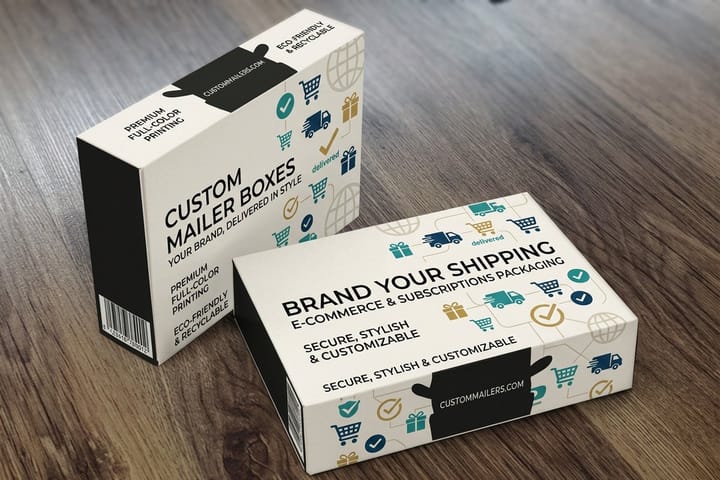
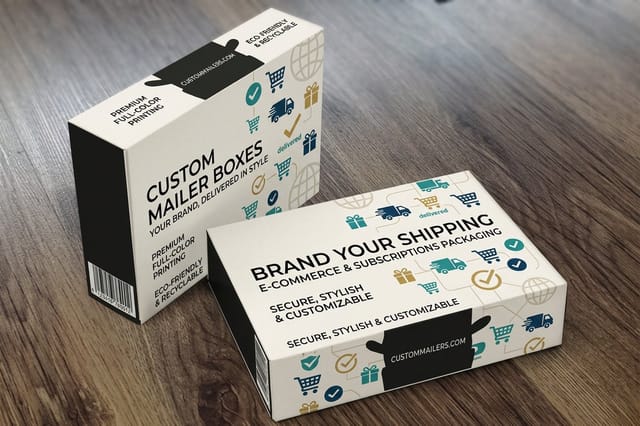
Custom mailer boxes start at $711.78, roughly forty times the entry price of the business cards you started with. That gap is the whole argument for the order of this system. A box is printed flat and creased to a shape sized around your product, so the artwork, the dimensions, and the die are all fixed for the run. There is no quiet fix later.
Which is exactly why it belongs last. By the time you order boxes, the cards have shipped, the stickers are on laptops, the labels and tags are on the product, and nobody on your side wants to change the mark any more. The box is the reward for that stability, not the way to reach it.
Print the inside, not just the outside. The exterior is seen by a delivery driver; the interior is seen at the exact moment the customer opens it, which is also the moment a phone camera is usually pointing at it. A message, a pattern, or a thank-you printed on the inner face costs nothing extra on a run that is already being printed and does more for the unboxing than a glossy exterior.
Two cheaper pieces get you most of the same feeling before you are ready to commit. Tissue paper starts at $126.32 and turns a plain stock mailer into a branded open. Printed packaging tape starts at $347.11 and brands a box you did not print. Real examples of both are collected in our roundup of brand packaging examples for small businesses.
Specs and pricing
The two pieces creators reorder most
Cards and stickers are the ones that run out. Here are the live specs and the price ladders for both, so you can see where the per-unit price starts to bend in your favor.

| Quantity | Price Per Unit | Total |
|---|---|---|
| 100 | 17.6¢ | $17.57 |
| 200 | 11.5¢ | $23.07 |
| 300 | 9.15¢ | $27.46 |
| 400 | 7.96¢ | $31.86 |
| 500 | 7.25¢ | $36.26 |
| 600 | 6.77¢ | $40.64 |
| 700 | 6.43¢ | $45.04 |
| 800 | 6.18¢ | $49.43 |
| Quantity | Price Per Unit | Total |
|---|---|---|
| 25 | $3.73 | $93.37 |
| 50 | $1.91 | $95.56 |
| 100 | 100.0¢ | $99.95 |
| 200 | 56.3¢ | $112.59 |
| 300 | 41.4¢ | $124.13 |
| 400 | 33.9¢ | $135.65 |
| 500 | 29.2¢ | $146.10 |
| 600 | 26.4¢ | $158.17 |
Wally explains the commitment ladder
Cheap pieces first, printed boxes last

Wally climbs the six steps in order. The card at the bottom costs $17.57 and tells you in one afternoon whether the mark survives at 3.5 by 2 inches. The box at the top costs $711.78 and is printed flat and creased to your product, so the artwork is locked for the run. Climb in that order and every mistake stays cheap. Skip to the top and you pay for the lesson.
Shop the packaging collection →See it in use
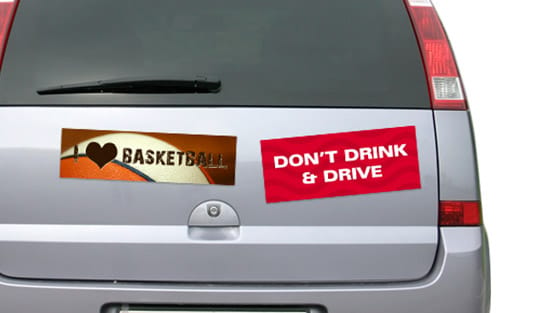
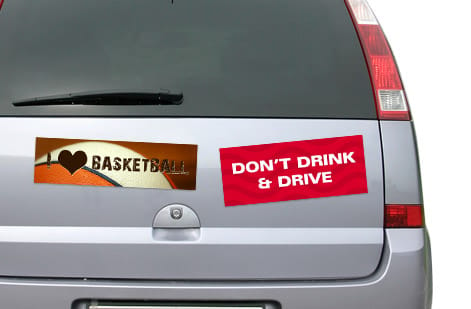
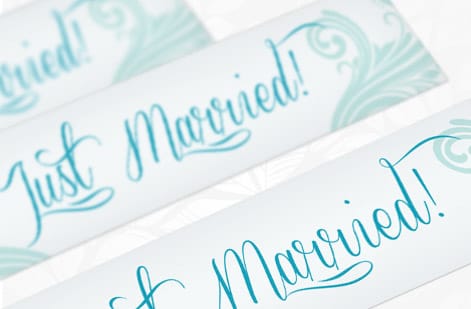
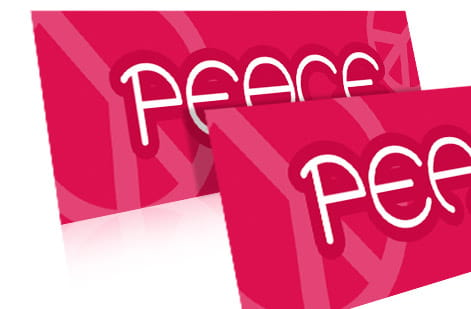
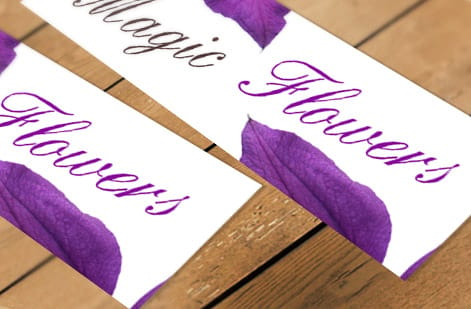
Stickers creators have shipped in boxes

Explore more
Where to go next

By the numbers
What a creator brand can be printed across
Common Questions
Questions creators ask before they print the set
What should a creator print first when the brand changes?
Print business cards first. They start at $17.57 at 4OVER4.COM and they show the mark at 3.5 in by 2 in, which is the smallest and least forgiving size it will ever have to work at. Thin strokes, tight counters, and low-contrast color pairings all fail on a card before they fail on anything expensive, so a twenty dollar run is the cheapest audit of an identity you can buy.
In what order should I buy the six pieces?
Follow the entry price, low to high: business cards at $17.57, postcards at $16.48, die-cut stickers at $93.37, premium labels at $29.16, hang tags at $25.27, then custom mailer boxes at $711.78. The order is not about budget, it is about reversibility. Each step commits you a little harder to the artwork, and the last one commits you to a printed and creased shape for the whole run.
How much does the full six-piece brand kit cost?
At the lowest quantity of each product the six starting prices add up to about $893 at 4OVER4.COM, and the largest single line is the mailer boxes at $711.78. Most creators do not buy all six at once. The first four come in under $170 combined, which is enough to launch the identity, and the packaging pieces wait until orders justify them. Every price drops per unit as quantity climbs, so a larger single run always beats repeated small reorders.
Do I need custom mailer boxes, or is tape and tissue enough?
Tape and tissue are enough until your shipping volume makes the box itself a bottleneck. Printed packaging tape starts at $347.11 and tissue paper starts at $126.32, and together they brand a plain stock mailer for well under the price of a custom box run. Move to custom mailer boxes when the product needs a specific interior fit, when you want the inside printed for the unboxing moment, or when you are shipping enough that a per-box price beats buying stock boxes plus wrap.
Will my logo print the same across cards, labels, and boxes?
Not automatically. The same file printed on a coated card, a label stock, and corrugated board will land in three slightly different places, because each surface absorbs ink differently and corrugated is the least controlled of the three. Specify your brand color as a build value rather than trusting a screen conversion, order the cheap pieces first, and check the printed card against the printed label before the box run goes in.
What size should a die-cut sticker be?
Between 2 and 3 inches on the longest side covers most creator use: it is big enough to read a wordmark across a room and small enough that people will actually put it on a laptop or a bottle. Go larger only if the mark is a full lockup with a tagline. Remember that the cut follows your outline, so any part of the shape thinner than the stroke it hangs from is a tear waiting to happen.
How often should I reprint hang tags and labels?
Reprint them per drop or per batch, not per year. Both carry information that expires, hang tags carry the price and size, labels carry the weight and ingredients, so a big run saves money right up until one line of copy changes and the whole box becomes waste. Keep the variable text on its own layer in the source file and reorder in short runs matched to the season.
Can I keep the old logo on some pieces during a rebrand?
Yes, and it is usually cheaper to do that than to bin working stock. Change the pieces the customer sees first and most often, cards, stickers, and postcards, and let existing labels, tags, or boxes run out. Set an end date so the mixed period is a few weeks and not a year. The sequencing side of this is worked through in our step-by-step rebrand rollout plan.
Get Started
Print the set your brand is ready for
Start with the cards, add the stickers, and let the boxes wait until nothing about the mark is still moving. Every price at 4OVER4.COM updates live as you set the size, stock, and quantity.
Legal Disclaimer
Gold Standard guarantees apply to all standard orders placed through 4over4.com. Price match requires verifiable proof of a competitor's published price for an equivalent product with matching specifications and turnaround time. Satisfaction guarantee covers manufacturing defects and print quality issues. Contact support with order number and documentation. On-time delivery rate based on tracked orders 1999 to 2026. Individual results may vary based on shipping carrier performance.
