
The 6-Piece Cannabis Dispensary Compliance Set Inspectors Actually Check
A dispensary passes or fails an inspection on six printed pieces, and only two of them travel with the product. Here is the full set, what each one has to carry, and where each one costs you money if you buy it wrong.
A compliant dispensary print set is six pieces: the container label, a tamper seal, a child-resistant exit bag, a batch hang tag, door window clings and posted aluminum signs. The label carries every required statement, the seal proves the package was not opened, the bag gets it out the door, the tag links the lab result, and the clings and signs handle the notices that must be readable at the door and on the wall.

The picks
The 6-piece dispensary compliance set, priced live
Buy the two batch-driven pieces short and often, and the other four in quantity. Every price below comes from the configurator and drops as the run climbs. Start from a design template if you need the layout built, then swap in your license number and lot fields.
- 1. Cannabis labels, from $25. The one piece a regulator reads first. Split it into a brand panel and a compliance panel so a rebrand never forces a compliance reprint.
- 2. Cannabis stickers as tamper seals, from $25. A seal across the closure that shows it was opened. Order it in a tamper-evident material, not a standard vinyl that lifts clean.
- 3. Cannabis packaging, from $711.78. The child-resistant exit pouch itself, printed. It carries a per-run minimum, so it only beats stock bags plus labels at volume.
- 4. Die-cut hangtags, from $36.26. The batch tag with the QR to that lot lab result. Die-cut so the tag shape matches the jar neck or the pre-roll tube.
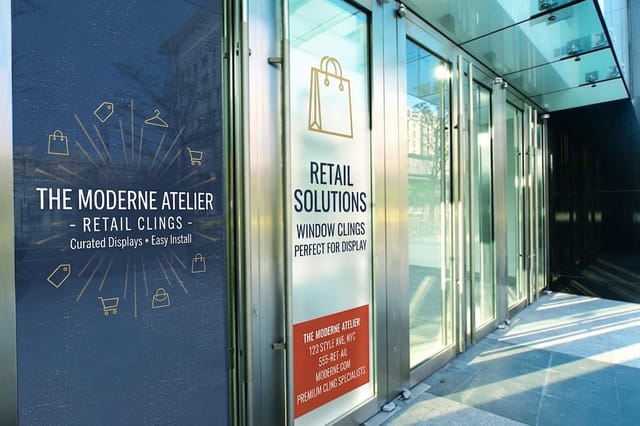
- 5. Retail window clings, from $30. Age and entry notices at the door. Clings come off in one piece when hours or a rule change, which happens more than you expect.
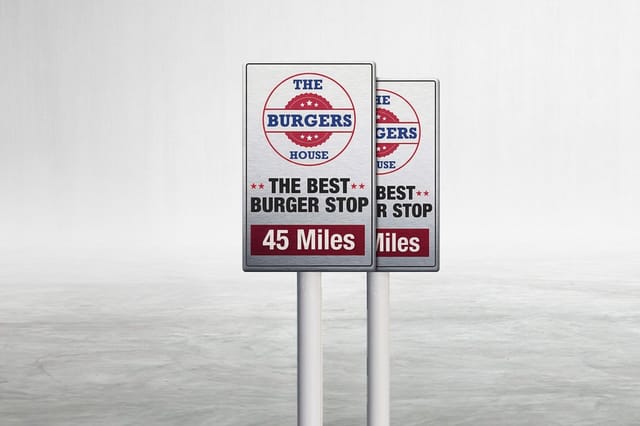
- 6. Aluminum signs, from $36. The posted notices that never change: license display, no consumption on the premises, house rules. Metal survives daily cleaning.




Start here
How the six pieces divide up
Split the set by how often it has to be reprinted and the ordering gets simple. The label and the hang tag carry a lot number and a test date, so they turn over with your product. The seal, the exit bag, the clings and the metal signs carry no batch data, so they are bought in bulk and held. Below we walk all six in the order a unit meets them, from the packaging bench to the front door.
What each piece carries
The six pieces, what goes on them and where they sit
Required content is set by your state agency, so treat this row as the shape of the job rather than the letter of your rule. What does not vary is which piece each type of information belongs on. Tap a piece to jump to its section, then check the exact wording and symbol size against your own regulator before the file goes to press.
| Piece | What it carries | Where it sits |
|---|---|---|
| 1. Cannabis labels | Universal symbol, potency per serving and per package, batch or lot, packaged or harvest date, licensee name and number, warning text | On the container itself: jar, tube, tin or pouch face, wherever it stays through the sale |
| 2. Tamper seals | No required text in most states, so brand it. Its job is physical evidence of opening | Across the closure, bridging lid to body or flap to face, one seal per unit |
| 3. Exit packaging | Store name, license, and any exit-bag statement your agency requires | The bag the customer carries out, sealed at the counter after the ID check |
| 4. Batch hang tags | Batch number, test date, QR to the certificate of analysis, strain and terpene detail | Tied at the jar neck or the tube cap, added at pack-out, replaced each lot |
| 5. Window clings | Age restriction, no entry without ID, hours, and any local visibility notice | Entry door and street-facing glass, at standing eye level |
| 6. Aluminum signs | Licence display, no consumption on premises, no resale or diversion, camera notice | Behind the counter, at the vestibule and in the back-of-house, screwed to the wall |
1. Cannabis labels: the piece an inspector reads first

Everything a regulator needs to see sits on the container, and that means it sits on the cannabis label. Universal symbol, THC and CBD content per serving and per package, batch or lot number, packaged or harvest date, the licensee name and license number, and the warning block your state writes for you. Miss one of those and the unit is not sellable, no matter how good the pouch it went into looks.
The build that saves money is two labels, not one. Put the brand, the strain and the artwork on a front panel, and put every required statement on a separate back panel. When the marketing changes you reprint one label. When the state amends its warning wording you reprint the other. Printing both on a single wrap means every change is a full reorder of both.
Stock matters more than dispensary owners expect. Paper labels scuff and darken where resin or a wiped counter touches them, and a smudged batch number is the same problem as a missing one. A BOPP or vinyl face survives cold storage, condensation and handling, which is why most shops move to it after the first paper run. The trade-off is written up plainly in paper vs vinyl vs clear labels.
Size is the constraint nobody plans for. A pre-roll tube gives you barely 2 inches of flat surface, and the universal symbol has a minimum height in most states that does not shrink to fit your layout. Measure the tube, then lay out the panel, in that order. How to choose the correct label size walks the measuring step, and designing compliant warning labels covers the contrast and type minimums that get files rejected.
2. Tamper seals: proof the package was not opened on the way home

A tamper seal is the cheapest piece in the kit and the one most often ordered wrong. Shops order cannabis stickers in standard vinyl, apply them across the lid, and then find the seal peels off a glass jar in one piece and goes right back on. That is a sticker, not a seal.
What you want is a tamper-evident stock: a material that fragments when lifted, or leaves a void pattern printed into the adhesive layer. Say tamper-evident on the order and the material changes, not the artwork. The mechanics of each type are laid out in how tamper-evident stickers work.
Placement is the other half. The seal has to bridge the closure, so lid to body on a jar, flap to face on a pouch, cap to tube on a pre-roll. A seal parked flat on a lid proves nothing. Apply to a clean, dry surface at room temperature and press the whole footprint down, because a corner that never bonded is a corner a customer can lift.
Textured stock fights you here. Kraft and soft-touch matte pouches have a rough or low-energy surface, and a seal that will not fully bond on it will lift at the edge inside a week. If your exit pouch is matte kraft, order a smaller seal in a more aggressive adhesive and test one before the full run. A packaging print proof check is the right moment to catch that.
3. Exit packaging: child-resistant is a closure, not a print

The exit bag is the piece the law is loudest about, and the piece most often misunderstood. Child resistance lives in the closure mechanism and the certification behind it, not in what is printed on the outside. Printing your brand on a certified pouch does not affect the rating. Cutting a clear window into one, or switching to a lighter film to save money, can.
Opaque matters as much as child-resistant. Many jurisdictions want the product not visible from outside the bag once it leaves the counter, so a clear pouch that looks great on a shelf is the wrong choice at the register. Printed cannabis packaging gives you an opaque, resealable pouch with your brand on it, and the resealable part is what keeps it child-resistant after the first opening rather than just at the counter.
Here is the honest cost line. Custom printed pouches start at $711.78 because film runs in bulk and the die and print setup are spread across the order. That per-unit price is excellent at ten thousand bags and poor at eight hundred. A shop doing modest volume is better off buying stock certified exit bags and branding them with a large printed label or a cannabis sticker, which is the same look at a fraction of the commitment.
Whichever route you take, order the bag to the basket, not to a single unit. Most sales leave with two or three items plus a receipt, so a pouch sized to one eighth jar means the budtender reaches for a second bag and the compliance story falls apart at the door. Our guide to child-resistant packaging requirements covers what states commonly ask for.
4. Batch hang tags: the lab result, one scan away

The certificate of analysis is the document a serious customer asks for and a compliance officer expects you to produce. A die-cut hang tag tied at the jar neck puts it one scan away: batch number, test date, and a QR that opens the COA for that specific lot.
Two things break these tags in practice. The QR gets printed too small or reversed out of a dark background, and phones stop reading it under shop lighting; keep it at least 0.8 inches square and dark on light. And the QR points straight at a lab PDF whose filename changes at the next upload, so every tag printed before the change now leads nowhere. Point it at a short URL on your own domain that you can repoint, and the printed tag outlives the file behind it. Printing QR codes goes through quiet-zone and contrast minimums.
Die-cut is worth the small premium here. A rectangular tag with a punched hole rotates on the string and shows its blank back half the time. A shaped tag that hugs the jar shoulder or the tube cap sits where you put it. Order these in the same short runs as your labels, because the batch number on the tag has to match the batch number on the container, and mismatched stock is worse than no tag at all.
The tag is also where strain, terpene profile and grow notes belong. That copy sells, but it is not required content, so keeping it off the compliance panel means a marketing change never touches a regulated field. The same separation logic is covered in the complete guide to packaging and labeling.
5. Window clings: the notices that have to be readable from outside
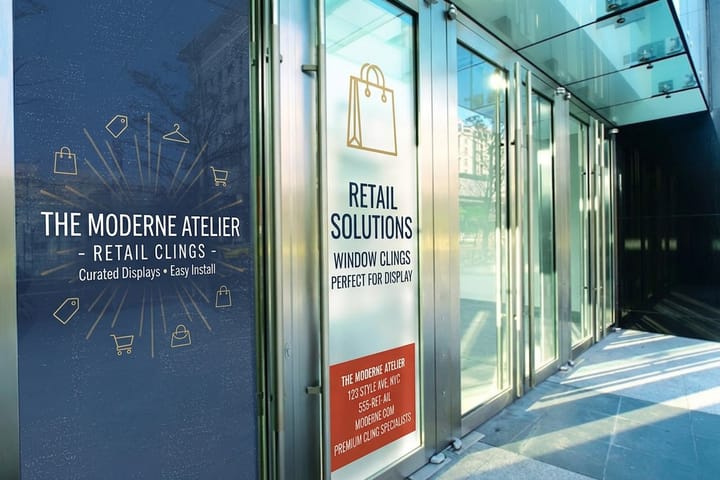
Before anyone reaches the counter they pass the door, and the door has to say who may come in. Retail window clings carry the age notice, the no-entry-without-ID line, your hours, and whatever local posting your municipality adds. This is also the surface most likely to be photographed during a complaint, so treat it as compliance signage rather than decoration.
Cling or adhesive decal is a real decision. Static cling holds by surface tension, repositions, and lifts off clean when a rule or an opening hour changes, which for a dispensary is often. Adhesive vinyl holds better in summer heat and on textured glass, but it takes solvent and patience to remove. Most shops end up with clings on anything with a date or an hour on it, and adhesive on the permanent stuff.
Get the reading side right before you send the file. Artwork mounted on the inside of the glass and read from the street has to be printed reversed, and a first-surface file applied second-surface reads backwards to every person outside. Say which side it mounts on when you order.
Many states and cities also limit how much product or interior can be visible from the public sidewalk, and clings are how shops solve that without boarding up the window. Check the exact percentage with your local authority, then size the artwork to it. For a broader look at what belongs on retail glass, see the packaging and labels range and our retail packaging guide.
6. Aluminum signs: the postings that outlive your branding
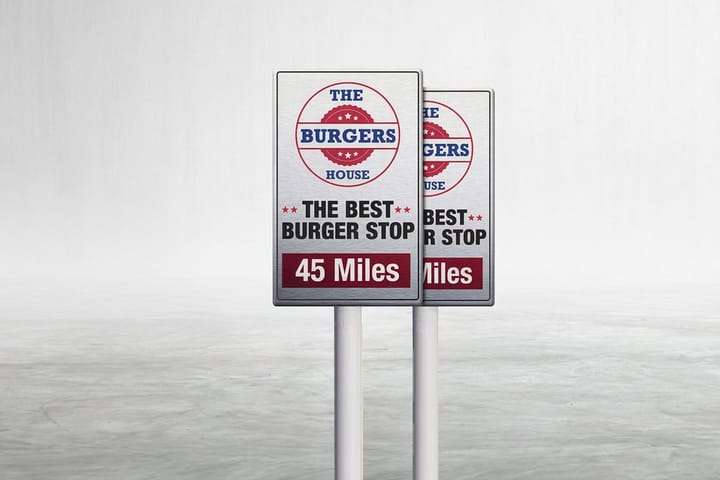
Some notices go up once and stay up: the license display, no consumption on the premises, no resale or diversion, the camera notice, the employee-only line on the back-of-house door. Print those on paper and you will be reprinting them every few months as they curl, fade and get wiped. Aluminum signs take daily cleaning, do not soften in a humid vault room, and screw flat to a wall.
The limit is the point. Aluminum cannot be updated, so put nothing on it that changes. Hours, current menu, promotions and anything with a date belong on a cling or a poster. Licence numbers are the borderline case: if your license number is stable, print it; if you expect a renewal to change it, leave a framed slot for a printed insert instead.
Mounting height decides whether these get read at all. Post the entry notices at standing eye level in the vestibule where a customer waits during the ID check, and the counter notices behind the register facing the customer, not the budtender. A sign mounted above a door frame is legally posted and practically invisible.
Order these with the same brand colors and type as the rest of the kit. A dispensary where the door cling, the jar label and the wall sign match reads as a shop that runs a tight process, which is exactly the impression you want in front of an inspector. If you need the artwork built, our design templates give you layouts to drop a logo and a license number into.
Specs and pricing
Compare the two pieces you reorder most
Labels and batch tags turn over with every lot, so they are the two lines a dispensary reprints all year. Cannabis labels start at 25 pieces and die-cut hangtags at 100 for $36.26, on a 3 to 5 business day turnaround.


| Quantity | Price Per Unit | Total |
|---|---|---|
| 1 | $25.00 | $25.00 |
| Quantity | Price Per Unit | Total |
|---|---|---|
| 100 | 36.3¢ | $36.26 |
| 200 | 20.9¢ | $41.74 |
| 300 | 16.5¢ | $49.43 |
| 400 | 12.9¢ | $51.62 |
| 500 | 11.6¢ | $58.23 |
| 600 | 11.2¢ | $67.00 |
| 700 | 10.2¢ | $71.40 |
| 800 | 9.47¢ | $75.80 |
Wally sorts the six by how often you reprint them
Two pieces change every batch, four you buy once
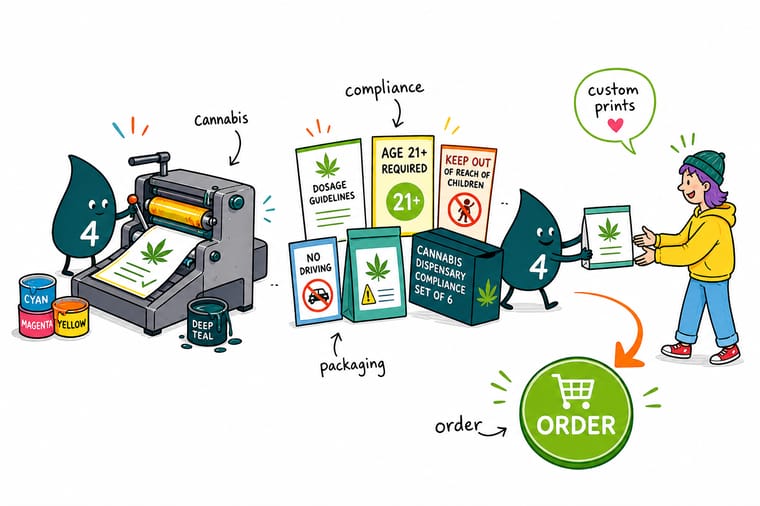
Wally walks a single sale end to end. The container label and the batch hang tag carry a lot number and a test date, so they get reordered with the product. The tamper seal, the exit bag, the window clings and the posted metal signs carry nothing that changes, so they are bought in quantity and held. Split your order that way and the compliance spend stops feeling random. 4OVER4 prints all six, and the price updates live as you set the run.
Shop dispensary printing →See it in use
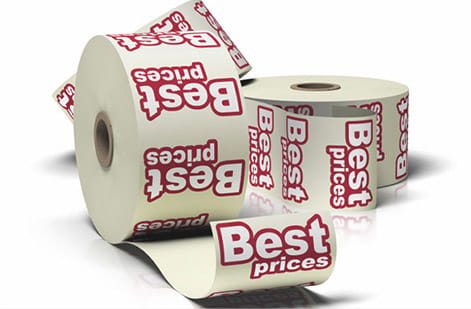
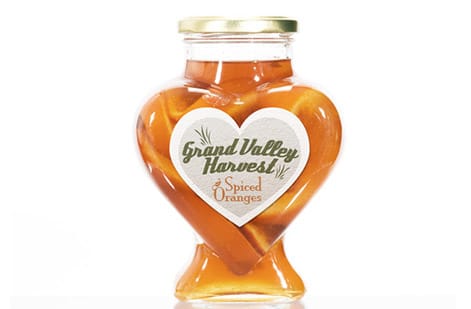
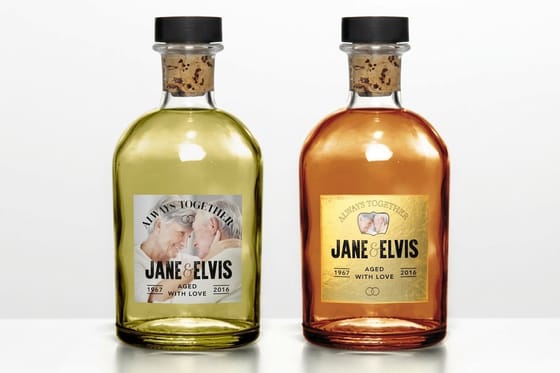
A look at our custom label output



Explore more
Where to go next





By the numbers
Printing that survives a compliance check
Common Questions
Common questions about dispensary compliance printing
What has to be printed on a cannabis label?
Almost every state asks for the same core set: the state universal symbol, THC and CBD content per serving and per package, a batch or lot number, a packaged or harvest date, the licensee name and license number, and a warning block written by the agency. The wording, the symbol size and the minimum type size are set state by state and get amended, so pull the current spec from your own regulator before the file goes to press rather than copying another shop label.
Does the exit bag have to carry the compliance text?
No. The required statements belong on the container the product stays in, because that is what the customer keeps after the bag is thrown away. The exit bag has a different job, which is being child-resistant and opaque on the way out of the store. Some agencies do ask for a store name, a license number or an exit statement on the bag as well, but that is in addition to the container label, never instead of it.
Is a regular sticker good enough as a tamper seal?
Not on glass. A standard vinyl or paper sticker lifts off a jar lid in one piece and can be reapplied, which is exactly the thing a seal is supposed to prevent. Order a tamper-evident material instead: it either fragments when lifted or leaves a void pattern behind in the adhesive. It is a material selection on the order, not something you can fix in the artwork.
Is printed child-resistant packaging cheaper than stock bags plus labels?
Only at volume. Custom printed cannabis packaging starts at $711.78 at 4OVER4.COM because film runs in bulk, so the per-unit price is strong in the thousands and weak in the hundreds. A shop moving modest volume usually does better buying stock certified exit bags and branding them with a large printed label or sticker, which starts around $25 and reorders in days.
How do I keep a batch QR code working after the lab reposts the file?
Point the QR at a short URL on your own domain and redirect that to the lab certificate, rather than encoding the lab PDF address directly. When the lab renames or reposts the file you change the redirect and every tag already printed keeps working. Print the code at least 0.8 inches square, dark on a light background, with clear space around it, or shop lighting will beat it.
What happens to my printed stock when the state changes a label rule?
You reprint whatever carries the amended statement. That is the argument for splitting your label into a brand panel and a separate compliance panel: an amendment costs you one short run of compliance labels instead of a full reorder of both. It is also the reason to order regulated pieces in quantities you will use within a few months rather than a year of stock.
Which pieces need reordering with every batch?
The container label and the batch hang tag, because both carry a lot number and a test date that change with the run. Tamper seals, exit bags, window clings and posted metal signs carry no lot data, so they are bought in larger quantities and held. Planning the order that way keeps your reprint spend on the two pieces that actually have to move.
How fast can replacement compliance labels be printed?
Labels are one of the quicker items in the catalog, and a new batch usually needs nothing more than a lot number and a date swapped in the file. If a lot is waiting on labels to go on the shelf, same-day printing covers the time-sensitive pieces so a Friday test result does not cost you the weekend. Set the file up once with the variable fields isolated and every reorder after that is a small edit.
Get Started
Print the compliance set as one order
Labels, tamper seals, exit packaging, batch tags, door clings and posted signs, all from 4OVER4.COM. Set your sizes, stocks and quantities and watch every price update live. Check the required wording with your state agency before you approve the proof.
Legal Disclaimer
Gold Standard guarantees apply to all standard orders placed through 4over4.com. Price match requires verifiable proof of a competitor's published price for an equivalent product with matching specifications and turnaround time. Satisfaction guarantee covers manufacturing defects and print quality issues. Contact support with order number and documentation. On-time delivery rate based on tracked orders 1999 to 2026. Individual results may vary based on shipping carrier performance.
