
The Founder Story Formula That Makes Customers Care


Four parts in a fixed order, the one part almost everyone leaves out, and how much of the story fits on each thing you print.
A founder story works when it runs in four parts: the before, the break, the build, and the bridge. The first three are about you and the fourth hands the story to the customer, which is the part most drafts never reach. Write the long version first, cut it to fit the surface it has to live on, and keep every detail checkable, because the specific ones are the only ones anyone repeats.
Quick answer
Before, break, build, bridge, and the handoff at the end
The formula is four parts in a fixed order, and the order is what makes it work. The before names what was broken for you specifically. The break is the day you acted, usually two sentences, usually missing. The build is what you made and what it cost. The bridge changes the subject from you to the reader and asks for something. Three parts earn the fourth, and a story that never hands over is a biography.
The Four Parts of a Founder Story, in Order
Every founder story that works is doing the same four jobs. Naming them makes the writing much faster, because you stop staring at a blank page and start filling four boxes.
Before. The situation that was broken, described the way you actually experienced it. Not the market, not the industry. A year, a place, and a specific annoyance you can still feel.
Break. The day you stopped putting up with it. This is one or two sentences, and it is the part almost everybody skips. Without it the story goes from complaint to product with nothing in between, and the reader never sees a decision being made.
Build. What you made and what it cost you to get it right. The failed first batch belongs here. So do the numbers you know: how many versions, how long, what you had to learn.
Bridge. Why any of it matters to the person reading. This is where the subject of the sentences changes from you to them, and it is the only part that asks for anything.
| Part | The question it answers | How it fails | Room to give it |
|---|---|---|---|
| Before | What was wrong, and who did it bother? | Written as a market description instead of a memory. | About a quarter of the words. |
| Break | What made you act, and when? | Left out entirely, so the story has no turn in it. | The shortest part. Two sentences is plenty. |
| Build | What did you make, and what did it cost? | Replaced with adjectives about craft and passion. | The longest of the first three. |
| Bridge | Why should the reader care today? | Still about the founder, so nothing is asked of anyone. | The final paragraph, always. |
Order matters more than polish here. A reader who meets the build before the before has no idea why the effort was worth making, and a story that ends on the build reads as a biography. If you want the wider set of messages that sit around this one, our guide to brand messaging covers the rest of the sentences a small business needs to keep straight.
Where the Story Actually Meets a Customer
A story nobody encounters is a document, not an asset. The about page is the easy part. The harder question is which printed surface carries which length, because the answer decides how much you write.
| Surface | Words it holds | What the story does there | Starts at |
|---|---|---|---|
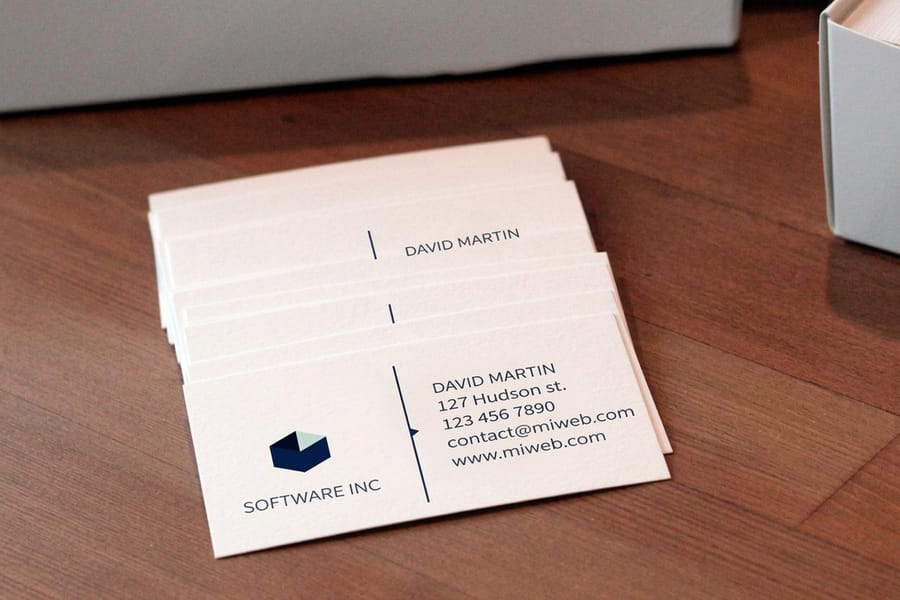
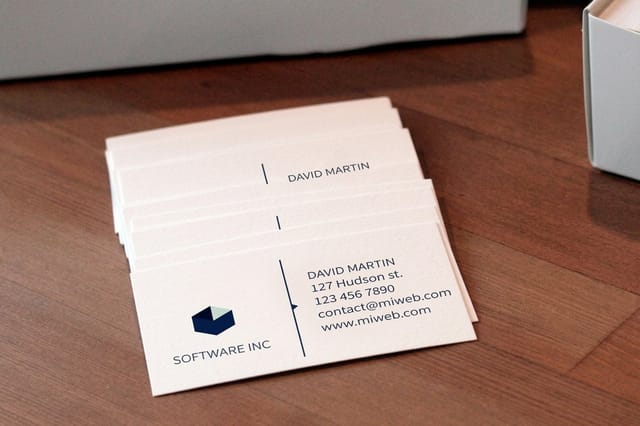
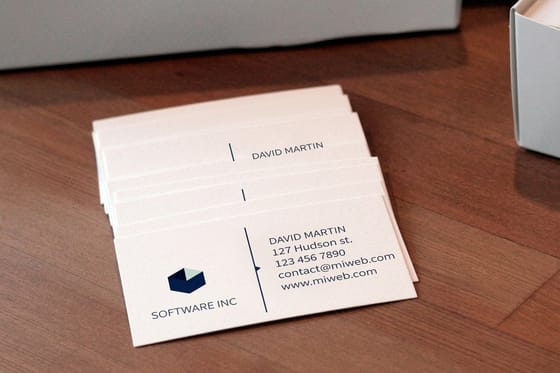
| Business card back | 10 to 15 | One line that gives a stranger a reason to ask a follow-up question. | $17.57 |
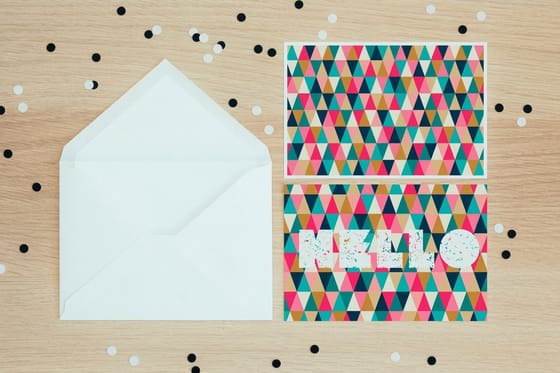
| Postcard back | 40 to 70 | Turns a thank you card or a mailer into something worth keeping. | $16.48 |
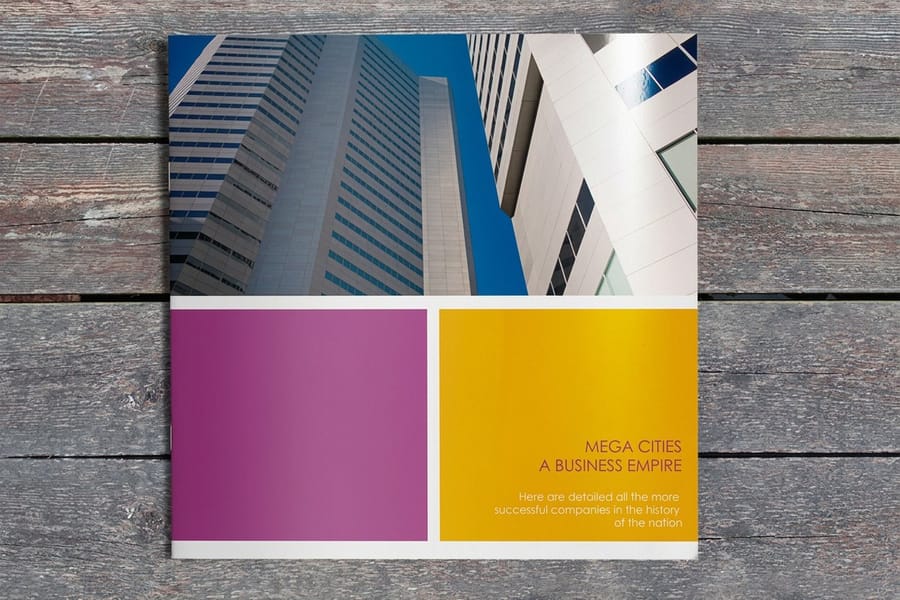
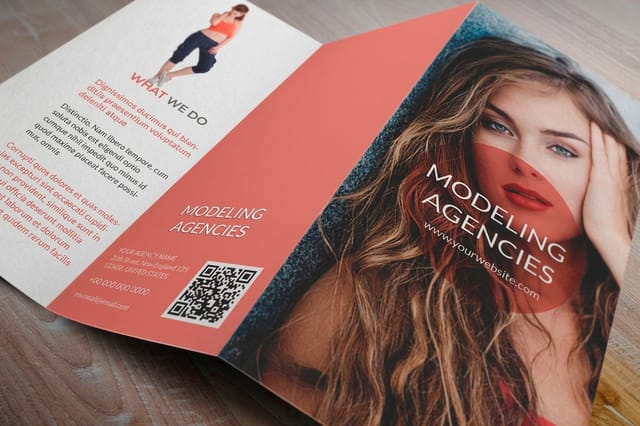
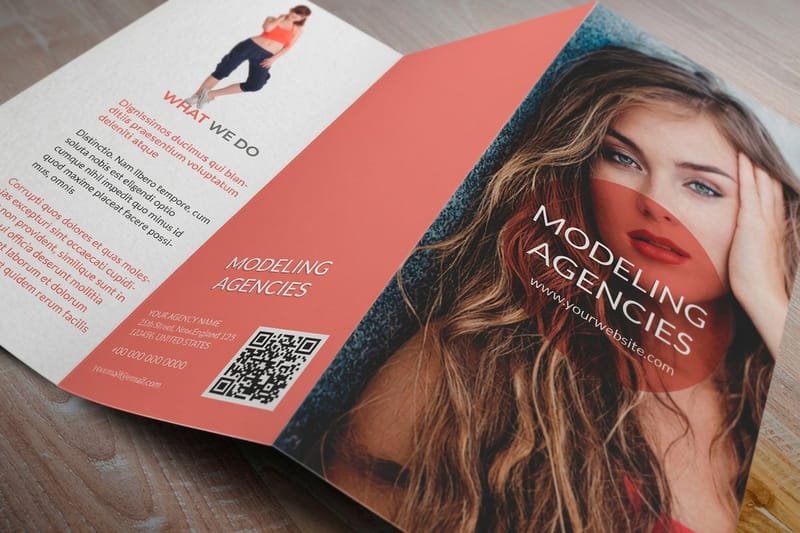
| Brochure inside panel | 150 to 250 | The full four parts, read by someone already holding your material. | $57.11 |
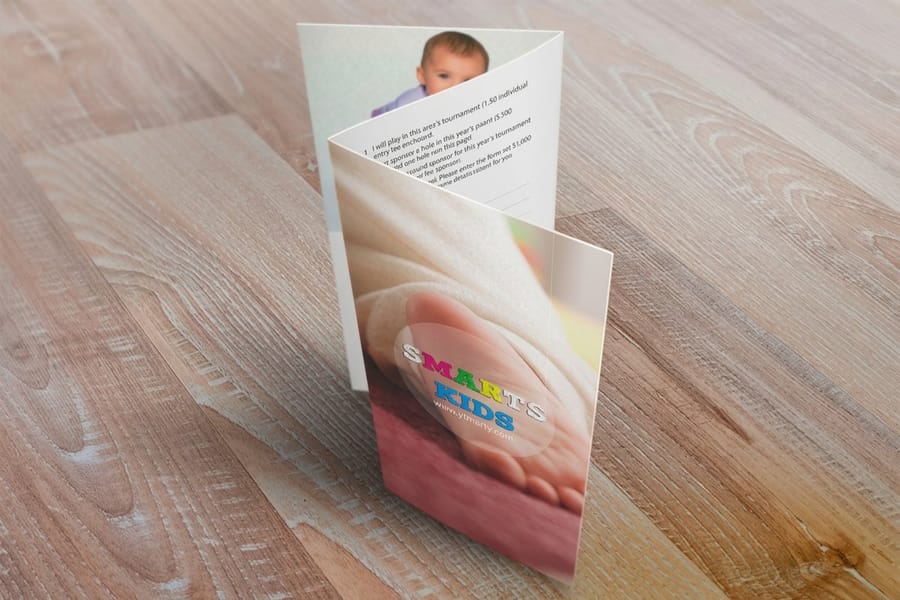
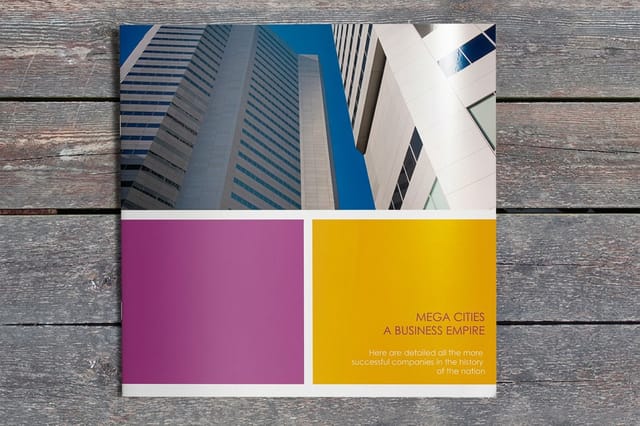
| Booklet spread | 400 and up | The long version with photographs, for wholesale buyers and press. | $240.55 |
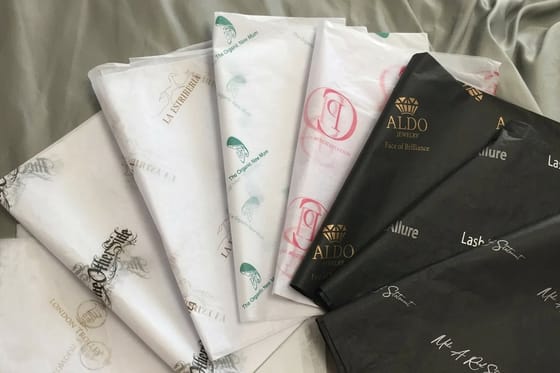
| Printed tissue paper | A mark or a phrase | Carries the story into the unboxing without a word of explanation. | $126.32 |
Read the second column before you write anything. Most founders write four hundred words, fall in love with the draft, then try to squeeze it onto a card back and lose the sentence that mattered. Write long, cut hard, and keep each cut version in the same file so the short one never contradicts the long one.
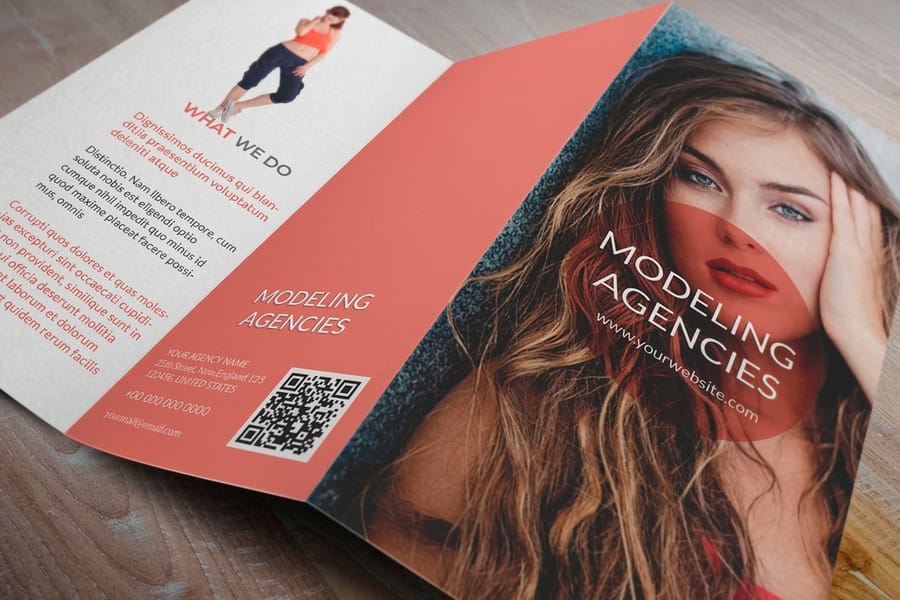
Two placement rules save reprints. Keep the story off the front of a business card, since that space belongs to your name and your phone number. And keep it off anything read while walking, which means a flyer at an event is the wrong home for it. Set the files up from a correctly sized layout in the blank template library, and browse the whole set of formats in marketing materials if you are still deciding what to print.
Five Ways Founders Ruin Their Own Story
The same handful of mistakes turn up in almost every draft, and four of the five are fixable in an afternoon.
- The founder stays the hero to the last line. Your history is the setup. The customer is the one who has to do something at the end. If your final sentence is about your journey, rewrite it so it is about what the reader gets on Tuesday.
- An origin nobody can check. The invented garage, the borrowed hardship, the rounded-up number of years. Wholesale buyers, journalists and competitors all check, and a corrected origin story follows a brand around for a long time. Anything that goes in print should be something you would repeat under questioning.
- Adjectives standing in for facts. Passionate, artisanal, obsessed with quality. Swap the product name into those sentences and they still work, which is the test that shows they say nothing. Replace each one with the thing that made you use the word.
- The story starts at the launch. Beginning with the day the doors opened skips the before and the break, which is everything that made the launch interesting. Start earlier than feels natural.
- Written once and never touched. A brand that began with one handmade item and now runs a full catalog has a story that quietly contradicts its own shelf. Reread it every time the range changes, and keep print runs modest in a year when the business is still moving. Our brand refresh checklist covers what else moves when the story does.
There is one more, less common but more expensive: printing the story before anyone has heard it out loud. That is what the next section is for.
Test the Story Before You Print It in Volume
Three cheap tests catch most of the problems, and none of them needs an agency.
Read it aloud. If you run out of breath mid-sentence, the sentence is too long for print. Anything you stumble over twice comes out.
Tell it to somebody, then wait a day. Ask them to tell it back. Whatever they kept is your story. Whatever they dropped was filler, no matter how much you like it. This test is brutal and it takes ten minutes.
Put "so what" after the last sentence. If you can answer it, the bridge is doing its job. If the honest answer is "so I worked hard", the story stops at the build.
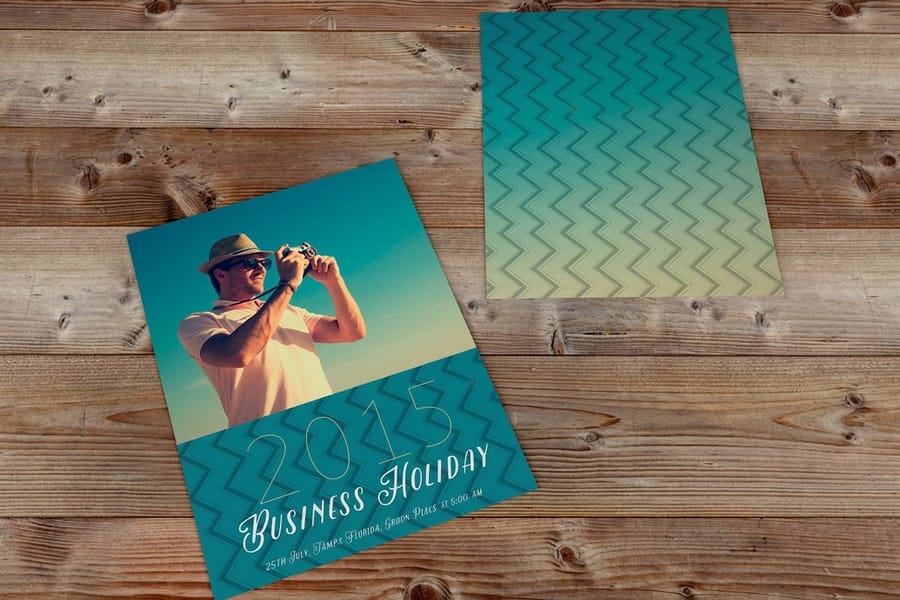
Then print small before you print big. A short run of postcards hands the story to fifty real customers and tells you in a week whether anyone repeats it back. The trade-off is honest: per piece, a small run costs noticeably more than a large one, because setup is the same either way and it gets spread across fewer sheets. You are paying for the information, and it is cheaper than a pallet of brochures nobody reads. Order free paper samples at the same time so you know how the stock feels before the words are final, and if the story is heading for a longer piece, product launch storytelling and the first-time entrepreneur launchpad pick up where this leaves off.
Wally explains the founder story formula
Three parts about you buy you the fourth
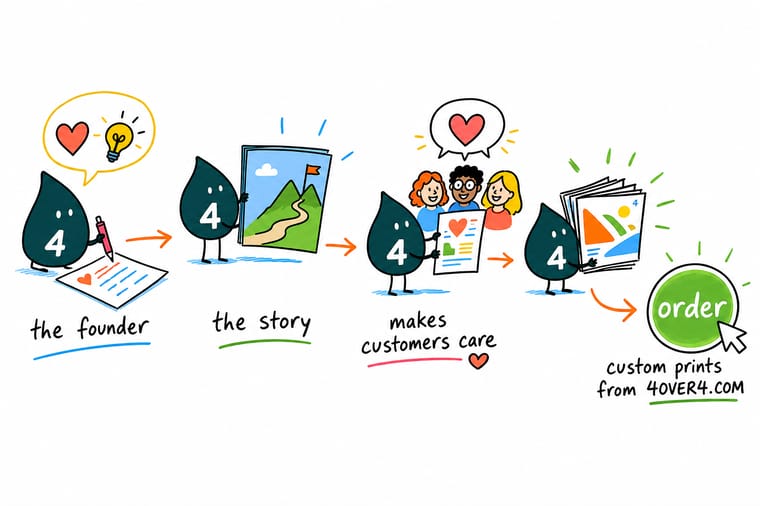
Wally lays the story out in four cards. Before is what was broken, with a year and a place on it. Break is the day he stopped tolerating it, and it is two sentences long. Build is what he made and what it cost him to get right. Then he turns the fourth card around and hands it over, because the bridge belongs to the customer. Take that card away and all you have left is a nice story about Wally.
Print your story on a brochure →Specs and pricing
Sizes and starting prices for the pieces that carry a story
Cards, brochures and postcards hold three very different lengths of the same story. Compare the sizes, stocks and starting prices straight from the 4OVER4.COM configurator.


Print it
Put the story somewhere a customer will hold it
Explore more
Where to go next

By the numbers
The print partner behind a lot of first brochures
Common Questions
Founder story questions, answered
How long should a founder story be?
Write four hundred to six hundred words first, because that is the length where you find out what actually happened. Then cut it down for every surface it has to live on. An about page can carry the long version. A brochure panel takes roughly two hundred. A postcard back holds about sixty. A business card holds one line. Cutting a long draft leaves the strong sentences behind; writing short from the start leaves you with a slogan and nothing under it.
What if my origin is boring? I just saw a gap in the market.
That is a story, and it is more common than the dramatic kind. The gap is your before, the moment you quit the job or spent the savings is your break, and what you had to solve to make the thing work is your build. Boring usually means vague. "I noticed a gap in the market" is vague. "Every supplier in town had a four week lead time and I needed two" is not, and it is the same sentence with the detail put back in.
Should the founder story be first person or third person?
First person on anything a customer holds, third person in a press kit or a wholesale line sheet. First person carries the tone that makes a small brand feel like a person answering the phone. Third person reads as a company description, which is what a buyer or a journalist wants to lift into their own copy. Keep both versions in the same file so they never drift apart.
Do I need a photo of myself in it?
One photo of you doing the work beats a portrait, and both beat a stock image. If you print the story on a brochure or a booklet, keep faces out of the fold and out of the trim area, and supply the image at 300 dpi at final size. A photograph pulled from social media is usually 72 dpi and prints soft, which undercuts the exact impression the story is trying to make.
How often should the story be rewritten?
Revisit it whenever what you sell stops matching what the story says you built. A brand that started with one handmade product and now sells a full range needs its build section updated, or the story quietly contradicts the catalog. In practice that is every couple of years, plus any time you change what the business does. Reprint order quantities are worth planning around that, which is an argument for a smaller run of printed pieces during a year when things are still moving.
Where should the story go online versus in print?
Online it lives on the about page and in a two sentence version on the home page. In print it belongs where the reader has already decided to spend a minute with you: the inside panel of a brochure, a booklet spread, the back of a thank you postcard, or a slip in the box. It does not belong on a flyer meant to be read in three seconds, and it does not belong on the front of a business card where it steals room from your phone number.
Does the founder story really change whether people buy?
It changes who they trust when the price is close. The story does not sell a commodity on price, and it will not rescue a product that does not work. Where it earns its place is the moment a customer is choosing between you and a bigger competitor and wants a reason that is not the discount. Treat it as the tiebreaker it is, put real detail in it, and stop expecting it to do the job of the product.
Get Started
Brochures run 50 for $57.11 in three business days
Write the long version, cut it to fit, then print the piece that carries it. Brochures for the full four parts, postcards for the short one, business cards for the single line.
Legal Disclaimer
Gold Standard guarantees apply to all standard orders placed through 4over4.com. Price match requires verifiable proof of a competitor's published price for an equivalent product with matching specifications and turnaround time. Satisfaction guarantee covers manufacturing defects and print quality issues. Contact support with order number and documentation. On-time delivery rate based on tracked orders 1999 to 2026. Individual results may vary based on shipping carrier performance.
