
Postcards vs Letters for Direct Mail and Which One Wins


Nadia is our customer education voice, built from the knowledge of our production team, with over 20 years in printing.
The difference between a postcard and a letter is the envelope: a postcard is one card read the moment it lands, and a letter is a folded sheet someone has to open first. In postcards vs letters for direct mail, the format decides the push, and the comparison below covers visibility, cost, and USPS rules, when a letter still wins, and why postcards take most campaigns.
For most direct-mail campaigns, postcards win. They are read instantly with no envelope to open, cost less per piece, and qualify for lower postage at standard sizes. Letters win when you need depth, privacy, or an enclosed document. For awareness, promotions, and reminders, the postcard is the faster, cheaper, higher-visibility choice.
The short answer
The difference between a postcard and a letter, in print terms
A postcard is one printed card. A letter is at least two printed pieces, a sheet and an envelope, plus any insert. On the press floor that is the postcard vs letter difference, and it sets the price, the schedule and how fast the reader sees your offer. The table compares postcards vs letters at 500 of each.
| Factor | Postcard | Letter |
|---|---|---|
| What you print | One card, 4x6, 5x7, 6x9 or 6x11 | An 8.5x11 letterhead folded into a #10 envelope (4.125 x 9.5 in) |
| Stock | 14pt or 16pt cover, gloss, matte or uncoated | 70# uncoated text or 24# Royal Laid sheet, White Wove or Royal Laid envelope |
| Print cost for 500 | $51.62 for standard postcards at the starting size | $147.18 for letterheads plus $146.12 for printed #10 envelopes |
| Production | 3 business days for standard postcards | 5 business days for letterheads, 7 for printed envelopes |
| Assembly | None, the card mails as it is | Fold, insert, seal |
Start here
Where the letter still beats the card
For most marketing mail, the postcard wins. A 4x6 or 6x9 card is seen the instant it lands, costs less per piece with no envelope or insert, and qualifies for lower postage at standard sizes. A letter still wins for long copy, privacy, or an enclosed document. The blueprint below lays the two formats side by side on visibility, cost, space, and USPS format.
Open rates: postcard vs letter
The biggest difference between a postcard and a letter shows before anyone reads a word. A direct-mail postcard has no envelope, so the headline on its 4x6 to 6x11 face is visible the instant it lands in a hand or a mailbox. A letter in a #10 envelope has to clear an extra hurdle first: the recipient has to decide to open it. Plenty of envelopes never get that far, and the message inside goes unseen.
That structural gap is why postcards tend to win on visibility for broad, promotional mail. Your headline, your offer, and your brand register on the walk from the mailbox to the counter, whether or not the person intended to engage. A letter can be more persuasive once opened, but it only gets to persuade if it clears the envelope test first.
Letters keep their own work, the messages that need privacy or depth, covered below. To put an offer in front of as many eyes as possible, the postcard removes the envelope, the single biggest point of failure in the mail. The blueprint above lays the two formats side by side on these tradeoffs.
Cost per piece
Postcards cost less to produce because you print one part instead of two or three. A letter campaign pays for a #10 envelope, the trifold that fits an 8.5x11 sheet inside it, and often an inserted second page, and every one of those steps adds material and handling to each mailer. At 500 pieces a standard postcard prints for about 10 cents, while a letterhead and a printed envelope together run about 59 cents. A postcard is one piece of card with nothing to stuff, fold, or seal. If you mail for a candidate, our guide shows how to plan campaign mailers that reach the right voters on budget.
For the same budget, a leaner cost per piece lets you reach more households or mail the same list more often, and frequency is one of the things that drives response in direct mail. Postcards also tend to qualify for lower USPS postage at standard sizes, so you save on the print side and on the postage side.
If your campaign lives or dies on reach, that math usually favors the postcard. You can lay out a mail-ready design fast with our online design tool, then compare a standard postcard against a larger format in the pricing panel to see exactly how size changes the number.
USPS rules and sizing
The post office prices mail by class, and size is what decides the class. Postcards that fall inside the standard postcard dimension range earn the lowest postcard postage, which is a real part of why they are so cost-effective. Go larger and the piece is priced as a letter or a flat, but you gain far more room and a card that stands out in a stack. Oversized postcards are the popular middle ground: a little more postage in exchange for a lot more impact.
Whatever size you choose, design for machinability. Keep the address block, the barcode clear zone, and the return-address area unobstructed so the USPS equipment can read and route the piece without a surcharge. A crowded design that crosses into those zones can get kicked to manual handling or bounced back.
The details are worth getting right, and we have dedicated guides for them: how to address a postcard for the layout rules, and EDDM postcard sizes if you are mailing a whole route through Every Door Direct Mail.
When a letter still wins, and the recommendation
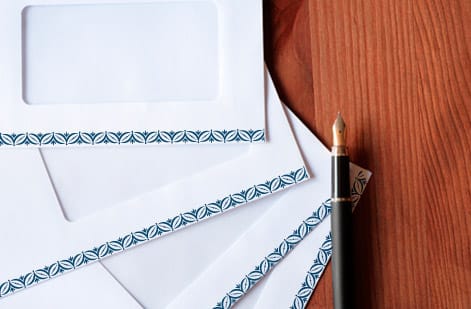
Letters keep a clear lane. When the message needs a full 8.5x11 page of copy to persuade, a personal one-to-one tone, an enclosed document, or genuine privacy, the envelope earns its cost, and a #10 window envelope lets the address print on the letter itself. Statements, invoices, formal outreach, and high-value personalized offers all belong in a letter, where the envelope even adds a small sense of ceremony. If that describes your campaign, print a letter and do it well.
For most marketing mail, though, the recommendation is the postcard. Awareness, promotions, event invites, appointment reminders, and re-engagement all reward visibility and frequency over depth, and that is exactly where the postcard is faster, cheaper, and harder to ignore. The smart play for many businesses is even to test both against a slice of the same list, then scale whichever wins.
When you are ready to run it, start from direct-mail postcards below, choose a standard or oversized size, and set your stock and quantity with the price updating live. Order free paper samples first if you want to feel the card before your campaign goes to press.
Wally weighs the mailbox math for you
Seen instantly, priced leaner, harder to ignore
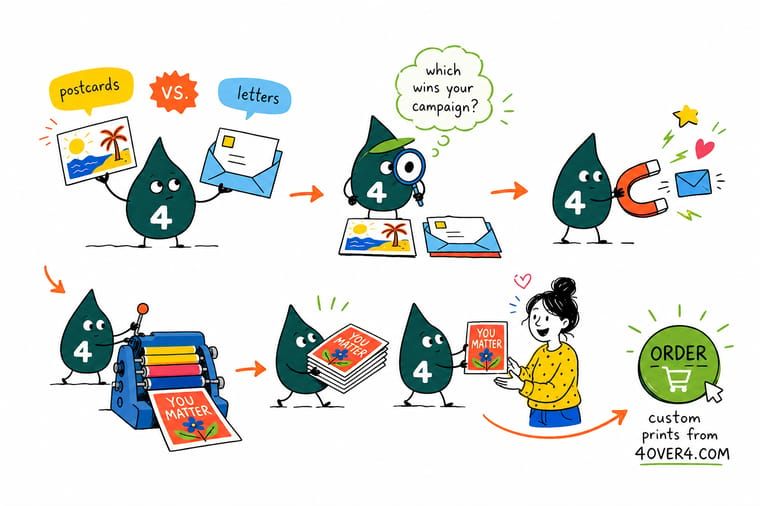
Wally puts the two formats on a scale: the postcard is read the moment it lands, costs less with no envelope, and qualifies for lower postage at standard sizes. The letter wins its own lane for depth, privacy, and documents. For promotions, reminders, and awareness, Wally sends the postcard, and 4OVER4 prints it mail-ready at the size and stock your campaign needs.
Print direct-mail postcards →Quick reference
Postcard vs letter, side by side
Five factors separate a 4x6 to 6x11 postcard from an 8.5x11 letter in a #10 envelope: visibility, cost per piece, message space, USPS postage and best use. Read across each row to see where each format wins.
| Factor | Postcard | Letter |
|---|---|---|
| Visibility | Postcard: seen instantly | Letter: must be opened first, so the message competes with the decision to open the envelope at all. |
| Cost per piece | Postcard: lower | Letter: higher, because it adds an envelope, folding, and often an insert to every mailer. |
| Message space | Postcard: focused | Letter: roomier, with space for long copy, a personal note, and an enclosed document. |
| USPS postage | Postcard: qualifies for lower rates at standard sizes | Letter: standard letter postage, with size and weight rules of its own. |
| Best use | Postcard: promotions, reminders, awareness | Letter: statements, personal outreach, anything private or document-heavy. |

Specs and pricing
Direct-mail postcard specs and live pricing
Direct-mail postcards come in nine sizes from 4x6 to 6x11 on 14pt or 16pt cover, in gloss, matte or uncoated, with a high gloss UV front as an option. Runs start at 500 pieces and print in 4 business days. The live specs and price per unit sit below.
| Quantity | Price Per Unit | Total |
|---|---|---|
| 500 | 17.9¢ | $89.68 |
| 1,000 | 17.1¢ | $170.53 |
| 2,000 | 9.35¢ | $186.95 |
| 3,000 | 6.84¢ | $205.13 |
| 4,000 | 5.58¢ | $223.31 |
| 5,000 | 4.83¢ | $241.51 |
| 6,000 | 4.56¢ | $273.85 |
| 7,000 | 4.37¢ | $306.18 |
Print it
Print your direct-mail campaign at 4OVER4
Three cards cover most mail drops: direct-mail postcards from 500 pieces in 4 business days, standard postcards from 50 pieces at $16.48 in 3, and oversized postcards from 5.5x8.5 to 6x11 at $51.62 for 50 when the card has to stand out in the stack.
See it in use
Mail campaigns we printed this year
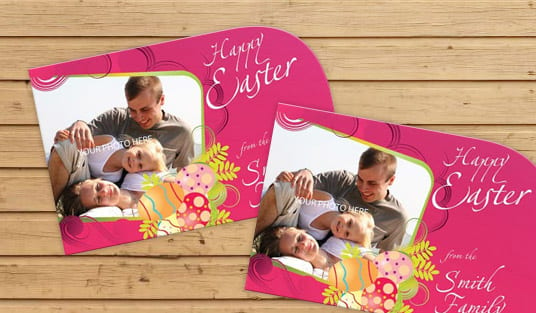
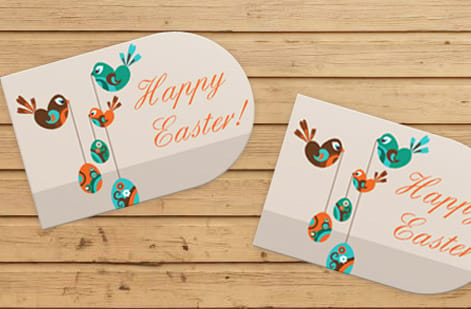
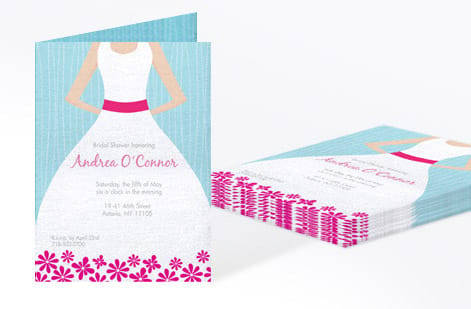
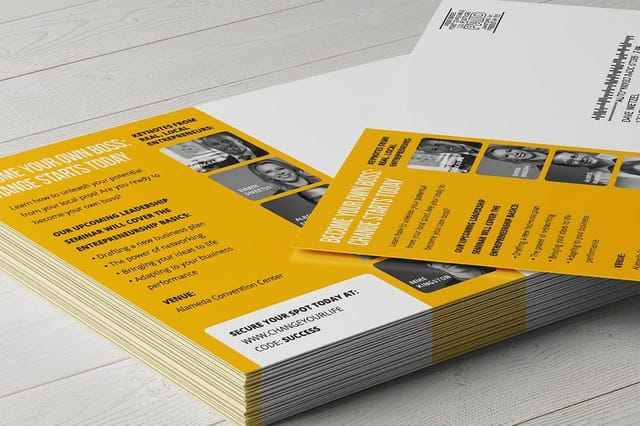
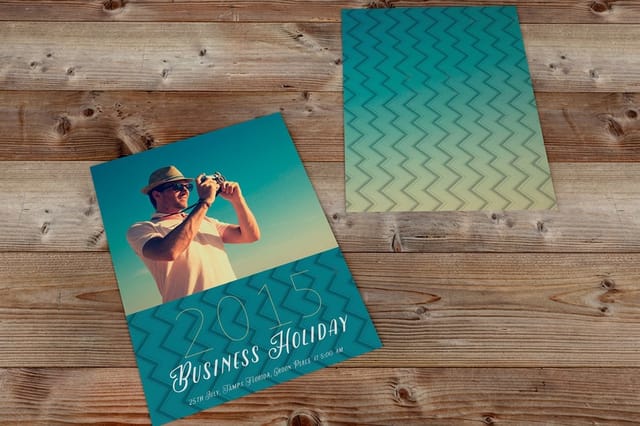
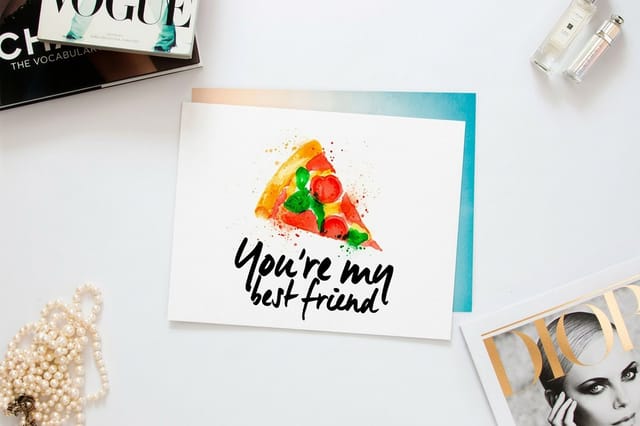
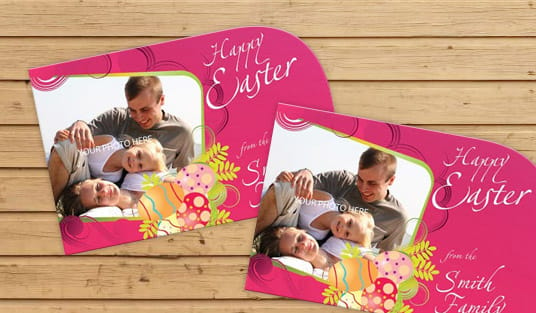
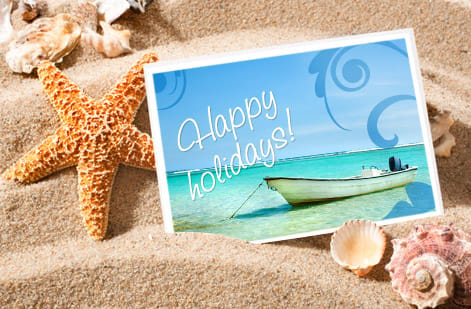
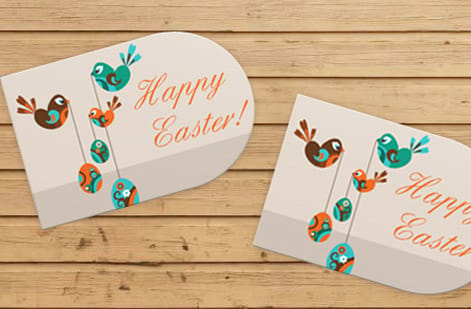
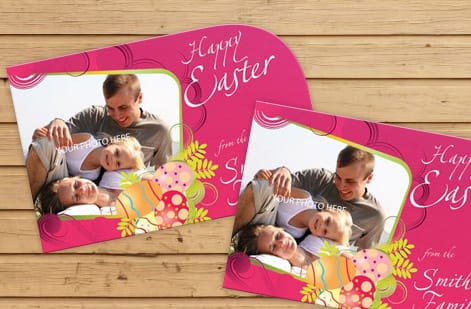
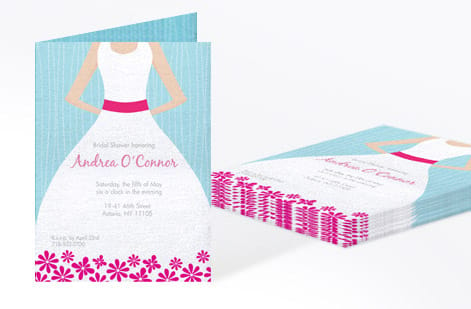
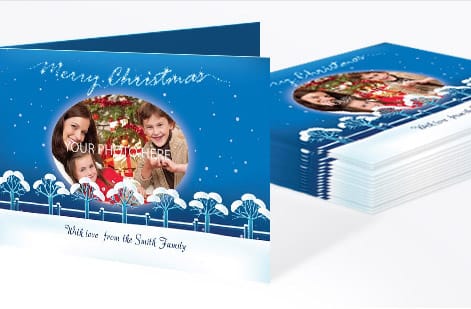
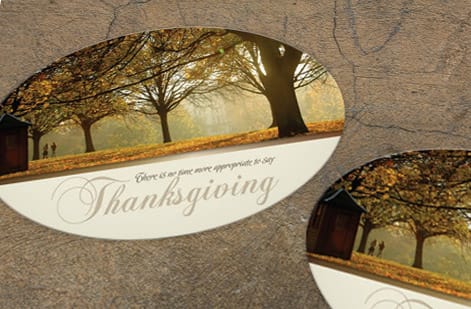
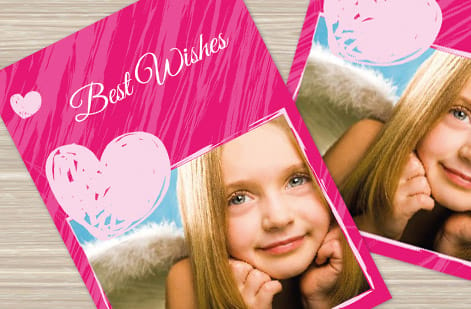
These direct-mail postcards went to press for our customers. Look at how each one keeps the address side clear of art and puts the offer on the face the reader sees first.

Explore more
Where to go next
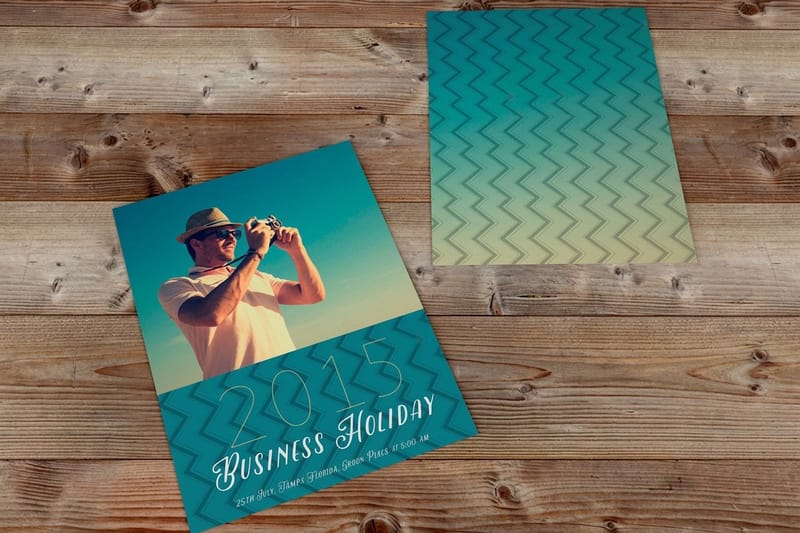
Pick the next read by where your campaign stands: sizing and addressing the card for USPS, choosing an EDDM size for a whole carrier route, or building the design from a blank file.
By the numbers
Paper stocks and on-time delivery for a mailed campaign
Common Questions
Common questions about postcards and letters
Which gets a better response, a postcard or a letter?
For most direct-mail campaigns, postcards have a structural advantage: the message is visible the instant the piece lands, with no envelope standing between your offer and the reader. A letter has to clear an extra hurdle first, the recipient has to decide to open it, and plenty of envelopes go straight to the recycling unopened. That does not make letters weak; it makes them better suited to messages that need privacy or depth. But for a promotion, an announcement, or a reminder, the postcard puts your headline in front of someone whether they meant to read it or not, which is usually why it performs.
Which costs less, a postcard or a letter?
Postcards almost always cost less per piece. A letter adds an envelope, the folding to fit it, and frequently an inserted sheet, and each of those adds material and handling cost to every single mailer. A postcard is a single piece of card with nothing to stuff or seal. It can also qualify for lower USPS postage at standard sizes. Lower unit cost is a real strategic advantage: for the same budget you can reach more households, or mail the same list more often, which is often what actually drives results in direct mail.
What are the USPS rules and sizes for direct-mail postcards?
USPS sets dimension ranges that determine how a mailpiece is classified and priced. Postcards that fall within the standard postcard size range qualify for the lowest postcard postage, while larger formats are priced as letters or flats but give you far more room and impact. Oversized postcards are a popular middle ground: they cost a bit more to mail but stand out in a stack. When you design, keep the address block, barcode clear zone, and return address area unobstructed so the piece is machinable. Our guides on postcard sizes and addressing walk through the exact layout details.
When is a letter the better choice?
Choose a letter when the message needs depth, privacy, or a document. Long-form copy that has to persuade over several paragraphs, personalized outreach that should feel like a one-to-one note, statements and invoices, and anything confidential all belong in an envelope. The envelope also creates a small moment of ceremony that can suit high-value or formal communications. If your goal is a quick, visible, promotional hit to a broad list, though, the postcard is the more efficient tool, and you can always test both against the same audience.
What does direct-mail postcard printing cost, and how are prices set?
Printing cost is set by the usual levers: quantity, where a larger run lowers the price per piece, plus size, paper stock, and finish. Postage is separate and depends on the size class and mail service you choose. Because postcards avoid envelopes and inserts, both the print and the postage side tend to run leaner than a comparable letter campaign. Set your size, stock, and quantity in the configurator and the print total updates live, so you can compare a standard postcard against an oversized format before you commit.
Get Started
50 standard postcards cost $16.48, or 33 cents each
Bring your campaign to 4OVER4 and print mail-ready postcards at the size, stock, and quantity that fit your list. Set every option and watch your price update live.
Legal Disclaimer
Gold Standard guarantees apply to all standard orders placed through 4over4.com. Price match requires verifiable proof of a competitor's published price for an equivalent product with matching specifications and turnaround time. Satisfaction guarantee covers manufacturing defects and print quality issues. Contact support with order number and documentation.