
Newsletters vs Brochures vs Catalogs, and Which One You Should Print


Three formats that look similar on a quote and do completely different jobs. Each one has a purpose, a bindery limit, and a run cost that changes once postage is in.
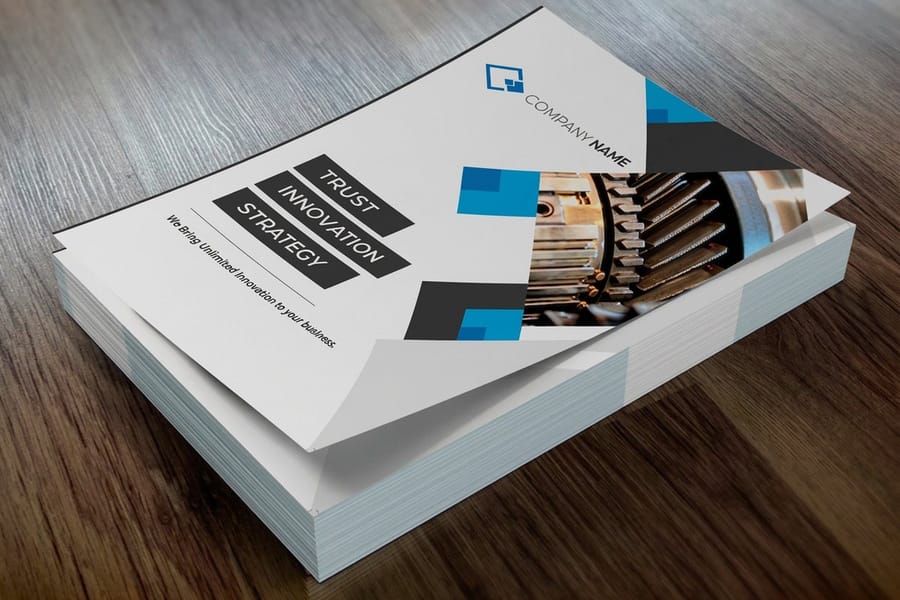
Print a newsletter when you have something to say to the same people on a schedule, a brochure when one folded sheet has to explain one offer to a stranger, and a catalog when a buyer needs to compare many products and order one. The build follows the job: a brochure is a single folded sheet capped around 8 panels, a newsletter runs 4 to 16 pages and gets saddle stitched above 8, and a catalog starts at 16 pages and switches to perfect binding past roughly 64. At 4OVER4.COM those start at $57.11, $75.80 and $240.55.
Quick answer
Cadence, page count and who is reading decide it
Match the format to the question the reader is asking. A stranger asks what you do, so print a brochure. A customer on your list asks what is new, so print a newsletter and commit to a schedule. A buyer asks which one and how much, so print a catalog with item numbers, prices and an order path. The bindery then fixes the rest: no binding under 8 panels, saddle stitch and multiples of four above that, perfect binding once creep shows.
What Each Format Is Actually For
The three pieces answer three different questions, and picking by page count first is how people end up with an expensive catalog nobody ordered from.
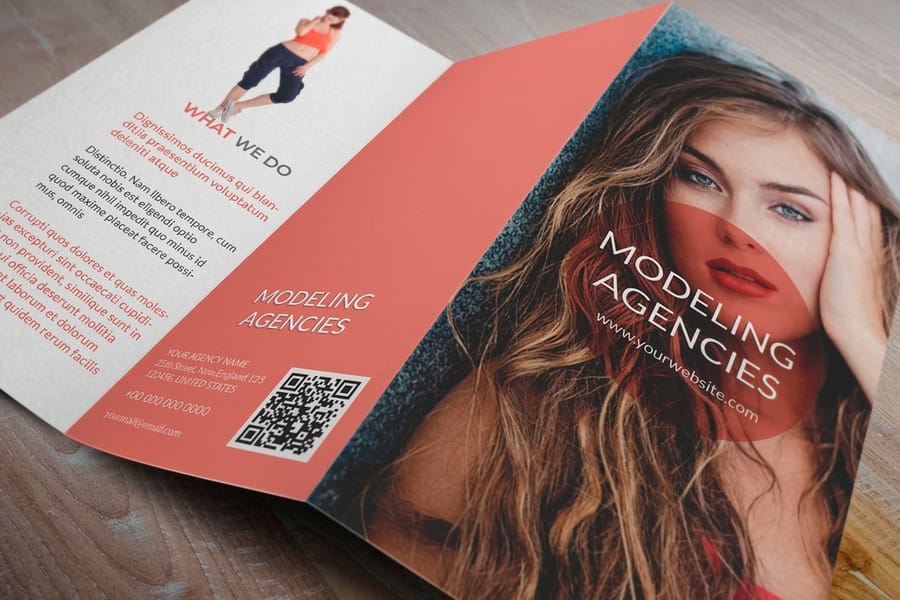
A brochure answers "what do you do?" One sheet, folded, handed to somebody who has just met you or picked it out of a rack. Every panel has to work without the panel before it, because a reader who unfolds it in a hurry will read the wrong one first. It stays accurate for months, which is why the fold is the entire construction.
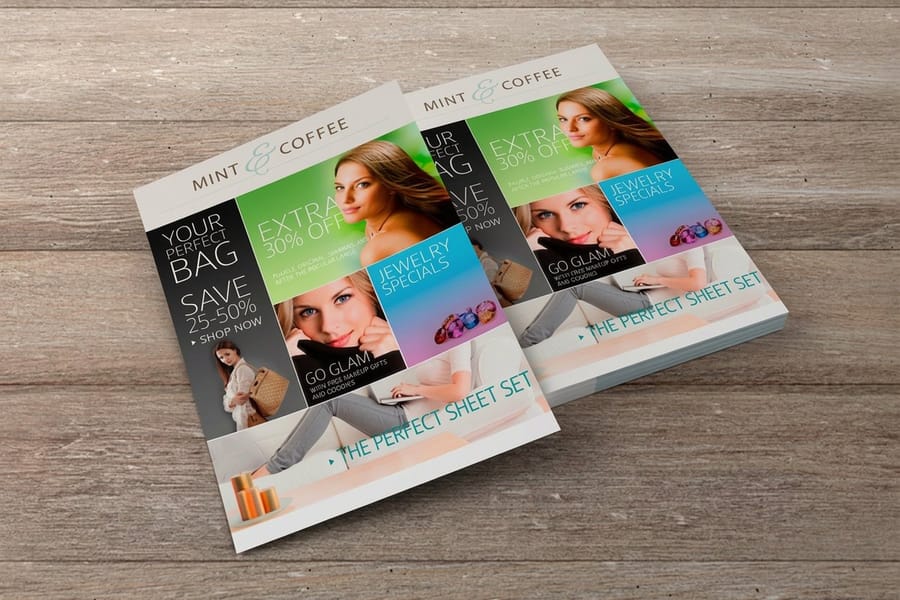
A newsletter answers "what is new?" It goes to people who already know you, on a schedule, and it is replaced by the next issue. That single fact changes the writing: you can assume context, run dated items, and keep the same template every time. Standard Newsletters start at $75.80, and the real cost is the schedule, not the sheet.
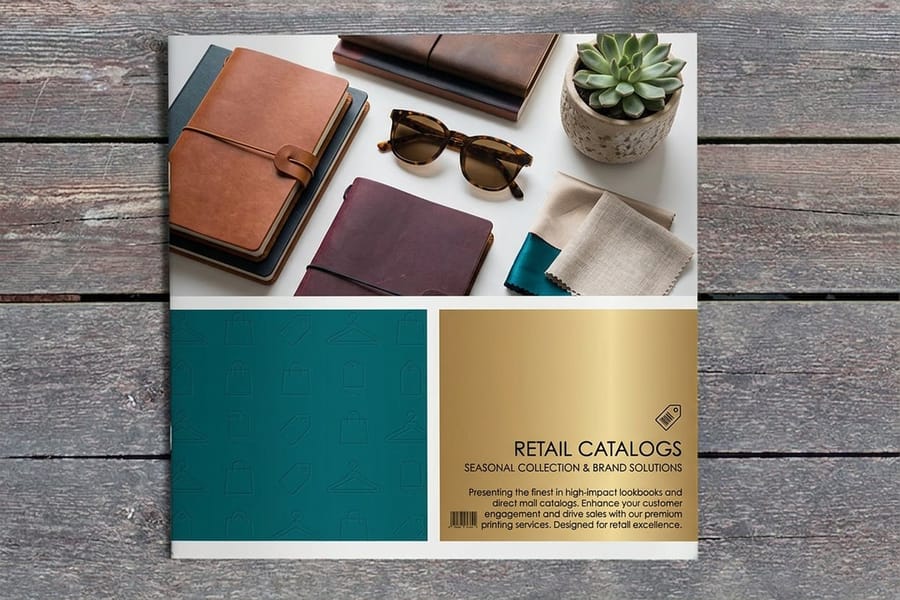
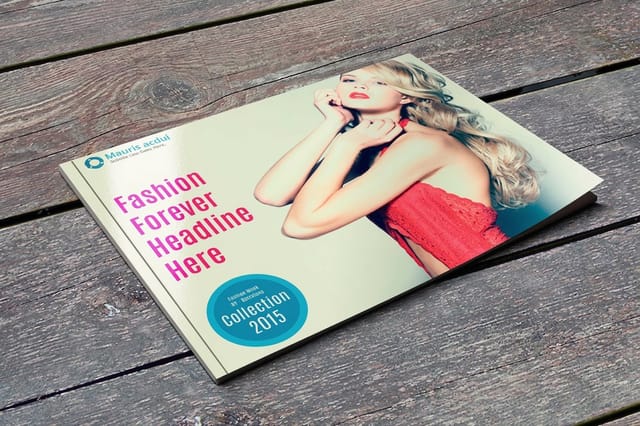
A catalog answers "which one, and how much?" The reader already wants a thing. Your job is to help them compare, find the item number, and order. That means an index, prices, sizes, and an order path they hit on every spread. Standard Catalogs start at $240.55 because the piece is a stack of stitched sheets, not one folded one.
Pick the question first. If two of the three questions apply, print two pieces rather than one that half answers both. A brochure with a price list stapled to the back satisfies nobody.
Newsletters, Brochures and Catalogs Side by Side
The table below sets the same decision against our own starting prices rather than a guessed range.
| Format | Reader | Typical pages | How it is built | Starts at |
|---|---|---|---|---|
| Brochure | Someone meeting you for the first time. | 4 to 8 panels. | One sheet, folded. Nothing is bound. | $57.11 |
| Newsletter | People already on your list. | 4 to 16 pages. | Folded up to 8 pages, saddle stitched above that. | $75.80 |
| Catalog | A buyer choosing between your products. | 16 pages and up. | Saddle stitched, perfect bound past roughly 64 pages. | $240.55 |
| Booklet | Anyone reading a longer single subject. | 8 pages and up. | Identical build to a catalog, different content. | $240.55 |
Read the last two rows together. Standard Booklets and catalogs come off the same equipment at the same starting price, so nobody is upselling you when a booklet quote matches a catalog quote. The difference is editorial: item numbers, a price column and an index make it a catalog. Our booklets vs catalogs guide goes deeper on where that line falls.
The price steps are not arbitrary either. Going from a brochure to a newsletter buys you more sheets. Going from a newsletter to a catalog buys you a stitch, a cover, and a page count that starts where a newsletter ends.
Page Counts, Folds and the Multiple of Four Rule
Format arguments usually end at the bindery, so it helps to know what the machine can and cannot do before you lay anything out.
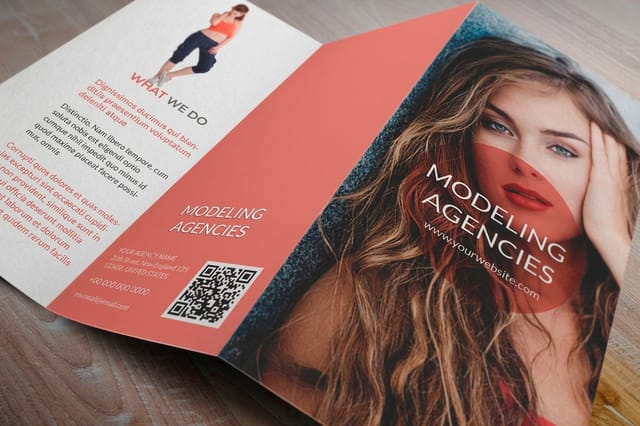
A brochure has no binding at all. It is one sheet with folds, which gives you 4 panels on a bi-fold, 6 on a tri-fold or z-fold, and 8 on a gate fold. Past that the sheet gets unwieldy and the panel widths start fighting you. On a tri-fold the tucked-in panel is cut roughly an eighth of an inch narrower so it can nest inside the others, and artwork built with three identical panels comes back with a visibly crowded edge. The fold types guide covers each layout and its panel measurements.
Above 8 pages the piece has to be stitched, and that brings the rule everyone trips over: the page count must be a multiple of four. One sheet folded once makes four pages. A stitched job is a nest of those sheets, so 4, 8, 12, 16, 20 and so on are the only counts that exist. An 11 page newsletter is a 12 page newsletter, and you should choose what fills the twelfth page rather than leaving it to prepress. Page counts and creep explains the arithmetic in full.
The second bindery limit is creep. In a saddle stitched book the inner pages sit further from the spine, so they push outward and get trimmed shorter than the outer ones. On a 16 page newsletter nobody notices. On a 72 page catalog on thick stock the inner margins visibly shift, which is the point where perfect binding takes over. Keep critical content away from the trim edge on anything above about 40 pages.
What Each One Costs to Run, Not Just to Print
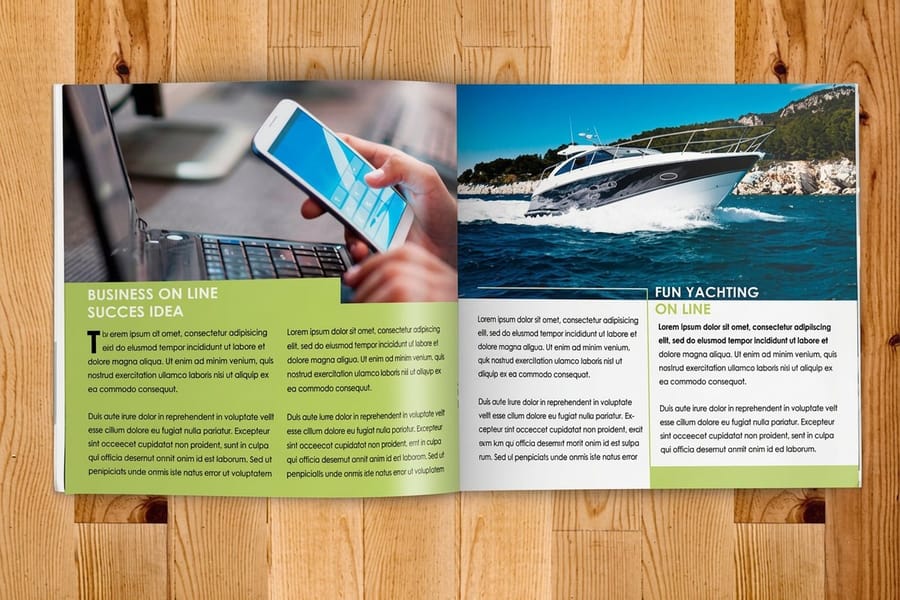
The print quote is the smaller half of the decision. What separates these three in practice is how often you reprint and what it costs to move them.
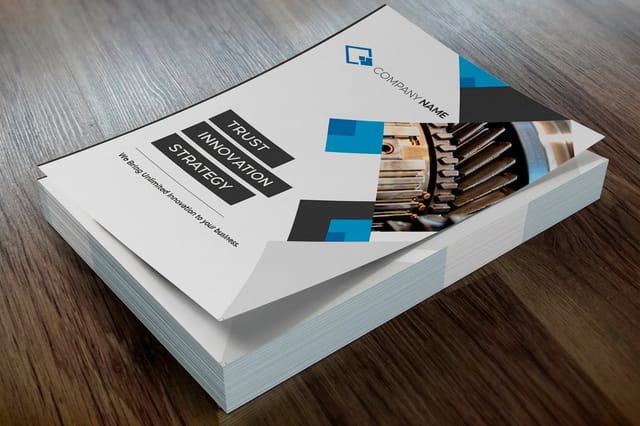
Brochures are the cheapest to hold and to mail. One folded sheet stays in the lightest postage band, sits in a rack, fits an envelope, and a box of them lasts until your offer changes. That is why Standard Brochures at $57.11 remain the default for trade shows, counters and sales calls.
Newsletters cost more over a year than any single quote suggests, because the point is repetition. Four issues at $75.80 plus postage is the real budget, not one. The saving is in the template: build the masthead, the column grid and the standing sections once, then refill them. Our print and mail guide covers the mailing side, and printed against digital newsletters is worth reading before you commit to a schedule.
Catalogs are the heaviest commitment in every sense. Postage climbs steeply with page count, and a printed catalog freezes your prices for the life of the run. If your pricing changes quarterly, either print a shorter run more often, or drop the prices from the pages and put them on a landing page the catalog points to. Run the numbers on the booklets and catalogs pricing before you settle a page count, because the jump from 32 to 48 pages usually costs more than the extra content earns.
Paper is the last lever. Brochures take gloss text or cover weight because a single sheet has to hold up. Newsletters usually stay on text weight so they fold flat and mail light. Catalogs mix a heavier cover with lighter inner pages for exactly that reason. Our brochure paper guide lays out the stock choices, and every format has a correctly sized starting file in the blank template library.
The Verdict, Including Where Each One Loses
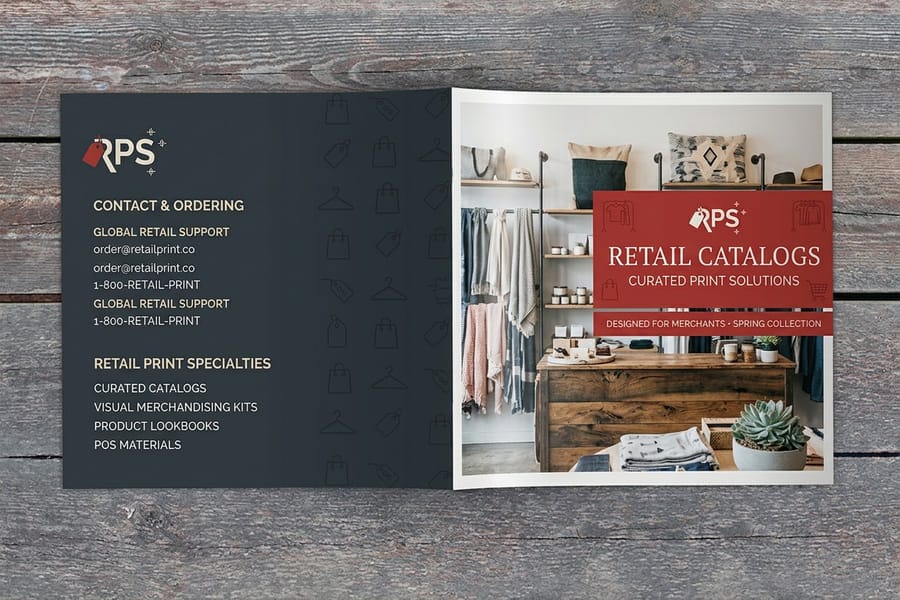
Three plain recommendations, and the case each format should lose.
- Print a brochure when you have one offer, a cold audience, and a rack, a counter or a handshake to put it in. It loses the moment you have more than about a dozen items to show, because panels run out and the layout turns into a grid of thumbnails nobody can read.
- Print a newsletter when you have a list, recurring news, and the discipline to send a second issue. It loses when there is no schedule behind it. A one-off newsletter is a brochure in the wrong clothes, and readers can tell.
- Print a catalog when the reader has already decided to buy and needs help choosing. It loses when prices or stock move faster than you can reprint, and it loses on a mailing budget, because postage on a stitched book eats the campaign.
If you are genuinely stuck between two, the cheapest way out is to print the smaller one first. Send a brochure or a flyer at $39.54, see whether anyone asks for more detail, and let that answer decide the catalog. We would rather print you the right piece twice than the wrong piece once.
Ready to configure? Start with newsletter printing for anything on a schedule, brochure printing for a single folded sheet, or booklets and catalogs for anything stitched.
Wally sorts the three formats
One sheet, one schedule, or one order path
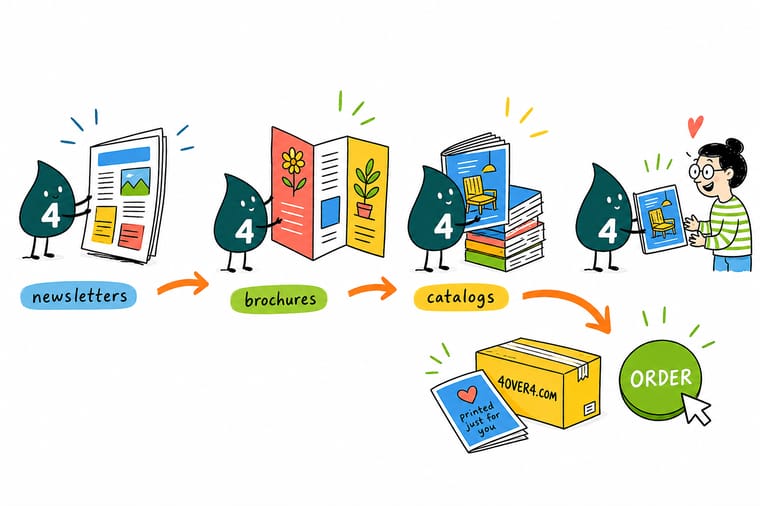
Wally folds a single sheet and hands it to a stranger, and that is a brochure. He staples four sheets into a 16 page issue, dates it, and promises another one next quarter, and that is a newsletter. Then he stitches sixteen sheets with item numbers and prices down the side and drops it in front of a buyer, and that is a catalog. Every stitched count he makes is a multiple of four, because one folded sheet is always four pages, and he decides what fills the spare page rather than leaving it blank.
Configure newsletter printing →Specs and pricing
Sizes, page counts and starting prices for all three
Compare the three formats side by side with live configuration choices and starting prices straight from the 4OVER4.COM configurator.


Print it
Order the format that fits the job
Explore more
Where to go next

By the numbers
Newsletters, brochures and catalogs among 1,000+ products
Common Questions
Newsletter, brochure and catalog questions, answered
What is the actual difference between a newsletter and a brochure?
Cadence and audience. A brochure is written once for a reader who does not know you yet, so every panel has to work cold and the piece stays useful for a year. A newsletter is written for people already on your list and is replaced by the next issue, so it can assume context, carry dated news, and use a fixed template you refill each time. Physically they overlap at 4 to 8 pages, which is why the two get confused. Ask whether there will be a second issue. If the answer is no, print a brochure.
When does a booklet become a catalog?
When the pages carry SKUs, prices, sizes and a way to order. Booklets and catalogs are built the same way, saddle stitched in multiples of four, and at 4OVER4.COM both start at $240.55. The word changes with the content, not the bindery. A 24 page piece of photography is a booklet. The same 24 pages with item numbers and a price column is a catalog, and it needs an index, consistent product shots, and an order path on every spread.
Why does my page count have to be a multiple of four?
Because a sheet folded once produces four printable pages, two on each side. A saddle stitched job is a stack of those folded sheets nested inside each other, so the total is always divisible by four. If your content runs to 11 pages, the file becomes 12 and you decide what fills the twelfth: an index, contact details, a blank page, or trimming a page of copy. Deciding that yourself is better than letting the prepress team guess.
Which of the three is cheapest to mail?
The brochure, by a clear margin, because it is one folded sheet and usually stays inside the lightest postage band. A stitched newsletter adds sheets and weight. A catalog is the heaviest thing most small businesses ever mail, and postage often exceeds the printing on a long run. If mailing cost is the constraint, mail a brochure or a postcard that drives people to a catalog you hand out in person or ship with orders.
What paper should each one use?
A brochure is a single sheet that has to hold a fold and survive a rack, so 100 lb gloss text is the common floor and cover weight suits a piece that gets handled a lot. Newsletters usually run on text weight throughout so they fold flat and mail cheaply. Catalogs almost always mix stocks: a heavier cover for durability on the shelf and lighter text pages inside to keep the weight and the postage down.
How often should a printed newsletter go out?
Quarterly is the schedule most small teams actually sustain, and a kept schedule beats an ambitious one. Monthly works when you have genuine recurring news such as new stock, events, or seasonal service reminders. The failure pattern is a strong first issue, a thin second one, and silence after that. Plan four issues of content before you print the first, and design a template you can refill rather than a layout you have to reinvent.
Get Started
Still deciding between a sheet and a stitch?
Set a page count, pick a stock, and see the price move before you commit. Newsletters, brochures, booklets and catalogs all configure the same way.
Legal Disclaimer
Gold Standard guarantees apply to all standard orders placed through 4over4.com. Price match requires verifiable proof of a competitor's published price for an equivalent product with matching specifications and turnaround time. Satisfaction guarantee covers manufacturing defects and print quality issues. Contact support with order number and documentation. On-time delivery rate based on tracked orders 1999 to 2026. Individual results may vary based on shipping carrier performance.
