
Magnet Boxes vs Sales Presentation Boxes and Which One Your Job Needs


Two rigid boxes, two completely different jobs. Here are the real sizes, the real starting prices, the pocket folder that does not fit, and how to pick without ordering twice.
A magnet box is a small rigid box with a self closing magnetic flap, made at 2 by 3.5 inches or 3.5 by 4 inches, for one object you want someone to open slowly. A sales presentation box is a shallow lidded tray in one size, 11.75 by 10 inches with a 1 inch depth, built to carry a letter size printed kit to a buyer. Magnet boxes start at $19.68 and presentation boxes at $1,207.12, because the tray covers roughly eight times the footprint area and has no small run underneath it.

Quick answer
One holds an object, the other holds paper
Pick the magnet box when you are packaging a single small item, and the sales presentation box when you are handing over a printed kit. Magnet boxes come at 2 by 3.5 and 3.5 by 4 inches with a magnetic flap, UV coating and rounded corner options, from $19.68. Sales presentation boxes come in exactly one size, 11.75 by 10 inches at 1 inch deep, with a metallic accent option, from $1,207.12. They never compete for the same job, so the only real question is what is going inside.
What Each Box Physically Is
A magnet box is a small rigid box with a lid that folds over the front and holds itself shut with concealed magnets. Ours print at 2 by 3.5 inches and 3.5 by 4 inches. The first is a business card footprint. The second is about the size of a deck of cards, and between them they cover a card box, a small jewelry piece, a folded note, a drive, a sachet or one cosmetic sample.
A sales presentation box is a different animal. It is a shallow lidded tray, 11.75 by 10 inches with a 1 inch depth, sized around letter paper so a printed kit sits inside without shifting. One size, no variants. It is meant to be opened on a desk with the lid set aside, not held in one hand.
The closure tells you what each one is for. A magnet closing under its own tension makes a small ceremony out of opening, which is why the format took over premium retail and subscription packaging. A tray lid comes off in one motion and stays off, because the buyer is going to spread the contents out. Both are printed on rigid board rather than folded from a single blank, and neither survives a carrier network unprotected. If you want the mechanical differences between rigid, folding and corrugated construction, our guide to choosing a box style covers them.
The Comparison, Line by Line
Everything that matters sits in the size row and the price row. Read those two first and the rest follows.
| Spec | Magnet Boxes | Sales Presentation Boxes |
|---|---|---|
| Sizes offered | 2 by 3.5 in and 3.5 by 4 in | 11.75 by 1 by 10 in, one size only |
| Footprint area | 7 to 14 square inches | 117.5 square inches |
| Closure | Magnetic flap that shuts itself | Lift off tray lid |
| Built to hold | One small object | A letter size printed kit |
| Finish options | UV coating, two ink color builds, three rounded corner choices | Standard finish with a metallic accent option |
| Starting price | $19.68 | $1,207.12 |
| Best for | Retail, ecommerce inserts, gifting, card boxes | Sales leave behinds, dealer kits, media and investor packs |
Notice that they do not overlap anywhere. There is no size at which a buyer could reasonably ask which one to use, because a magnet box will not hold a sell sheet and a presentation box is absurd around a ring. The real decision happens earlier: are you packaging an object or a document set. Once that is settled the product picks itself, and you can configure either on magnet boxes or sales presentation boxes.
Why One Starts at $19.68 and the Other at $1,207.12
The gap looks alarming until you divide it by area. A 3.5 by 4 inch magnet box has a 14 square inch footprint. The presentation box has 117.5, so it consumes roughly eight times the board per unit before a drop of ink is laid down, and a tray that wide needs enough rigidity in the walls and the base not to bow when it is picked up by one corner.
Run structure explains the rest. Magnet boxes have two sizes and a low entry quantity, so you can order a small batch, hold one in your hand, and change your mind cheaply. The presentation box has one size and one production path, which means the entry price is the smallest commitment available. There is no test run hiding underneath it.
The practical consequence: prototype the contents before you order the box, not after. Print your sell sheets and your pocket folders first, stack them, measure the stack, then order. A quarter inch of unexpected thickness in a sample turns a clean kit into a lid that will not seat. Our box size chart by product type is a faster way to sanity check dimensions than guessing, and the packaging proof checklist catches the rest before it goes to press.
Setting Up Artwork for a Box That Opens
Box artwork fails in ways flat printing does not, and both of these products fail differently.
On a magnet box the lid folds over the front, so anything you place near the fold line ends up on a curve. Keep logos and type back from the fold, and treat the front panel as the face rather than the top, because that is what a person sees while the box is still closed. UV coating lifts saturated color and deep neutrals but shows fingerprints on large dark areas, which matters on a box designed to be handled. Rounded corners eat a few millimeters of artwork at each corner, so nothing critical should sit there.
On a presentation box the lid is the whole billboard, and it is seen from above at arm's length. That argues for one large mark and very little else. The metallic accent option works hardest on a single element, a logo or a rule, not spread across the panel. Inside the tray, remember that whatever you print on the base will be covered by the contents the moment the box is used, so spend the ink on the lid.
Supply artwork at full size with fonts outlined and bleed carried past every panel edge, exactly as you would for any packaging job. Our packaging file preparation guide covers dielines and bleed for box products, and kraft versus gloss versus corrugated explains how the stock underneath changes the color you get back.
The Verdict, and What to Order When Neither Fits
Order magnet boxes if you are packaging a single object that a customer will open, and especially if photographs of that moment matter to your brand. The low entry price means you can test a design, live with it, and reorder without a committee. Order sales presentation boxes if you are handing a printed kit to a buyer and the container is part of the argument you are making. Nothing else in our packaging range presents letter size collateral as deliberately.
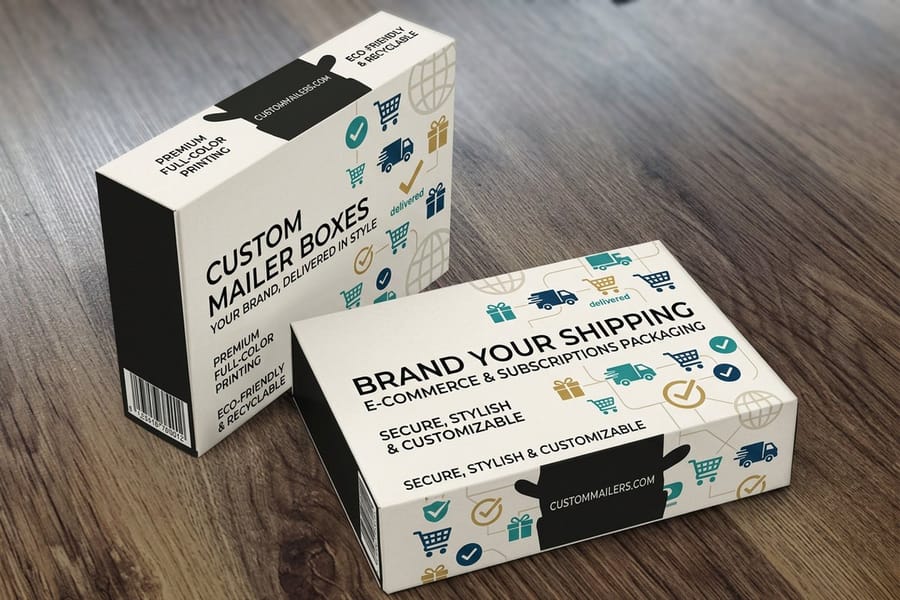
Plenty of jobs sit between them, and for those neither product is the answer. A 5 by 7 by 1.7 inch object wants custom mailer boxes at $711.78, which are built to travel and to be opened at a doorstep. Something destined for a shelf with a printed face wants retail boxes at the same size and price. If you already have a plain box and only need branding around it, packaging sleeves start at $438.25 and do that job for a fraction of a full custom box.
One last thing worth saying out loud: a magnet box is not a shipper. Sending one on its own means the magnetic flap takes the abuse of the carrier network, and it will arrive scuffed at the fold. Put it inside a mailer. The whole range sits on custom box printing, and the wider packaging line, including labels, tape and sleeves, is on the packaging printing collection.
Wally sizes up both boxes
A palm sized reveal against a desk sized tray

Wally puts a magnet box in one hand. It is 3.5 by 4 inches at most, the lid snaps shut on its own, and it costs $19.68 to start. Then he picks up the sales presentation box with both hands. It is 11.75 by 10 inches, an inch deep, one size only, and it starts at $1,207.12 because it eats about eight times the board. He checks one thing before ordering either: what is going inside. An object goes in the magnet box. A stack of letter sheets goes in the tray. And he remembers the 9 by 12 pocket folder is a quarter inch too long for that tray.
Configure magnet boxes →Specs and pricing
Sizes, options and starting prices, side by side
Live configuration choices and starting prices pulled straight from the 4OVER4.COM configurator, including the mailer box that covers the gap between the two.


Print it
Order the box that suits what goes inside

Explore more
Where to go next

By the numbers
Rigid box work across 25 years of packaging print
Common Questions
Your box questions, answered
What sizes do magnet boxes come in?
Two, and both are small. The configurator offers 2 by 3.5 inches and 3.5 by 4 inches. The 2 by 3.5 footprint is exactly a business card, which is why the size is popular for card boxes, small jewelry, a folded gift note, a USB drive or a single sample. You also choose a paper type from two stocks, a one or two color ink build, UV coating, and one of three rounded corner treatments. There is no custom size on this product, so if your object is bigger than 3.5 by 4 inches this is the wrong box.
What size is a sales presentation box?
11.75 inches by 10 inches with a 1 inch depth, and that is the only size offered. The proportions are deliberate. It is a shallow tray sized around letter paper with a margin, so a stack of 8.5 by 11 sheets, a sell sheet, a price list and a flat sample sit inside without sliding. The 1 inch depth is what keeps it flat enough to hand across a table and slim enough to carry in a bag with a laptop.
Will a pocket folder fit inside a sales presentation box?
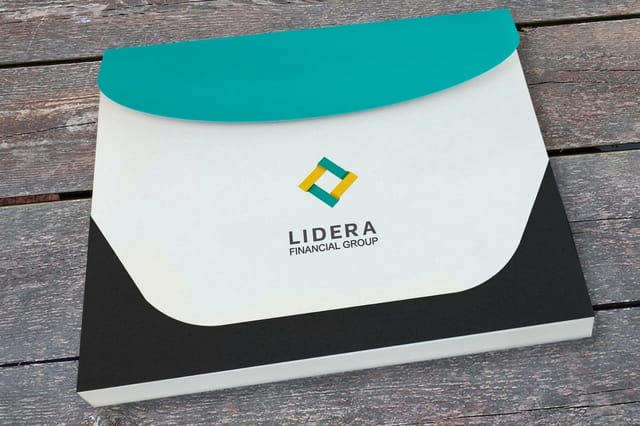
A 6 by 9 folder fits with room around it. A standard 9 by 12 pocket folder does not, because 12 inches is a quarter inch longer than the 11.75 inch side of the box. People discover this after the folders arrive, which is an expensive way to learn it. If the kit has to include a full size folder, put the folder on the outside and use the box for the samples, or drop to the 6 by 9 size on our pocket folders product.
Which one should a small product brand order?
The magnet box, almost always. A product brand is packaging one object for one customer to open, and the magnetic flap turns that into a two second moment worth photographing. The presentation box is a business to business tool: it is what a sales rep leaves behind after a meeting, or what gets couriered to a buyer before one. If you are shipping to consumers, the magnet box goes inside a mailer, not in place of it.
Can I print metallic or a special finish on either box?
Different options on each. The sales presentation box carries a metallic accent option and a standard finish, which suits a restrained corporate look with a foil style logo on the lid. Magnet boxes offer UV coating and a choice of ink color build, so the surface reads glossier and takes a saturated color better. Neither product is set up for the full raised or textured finish range you get on cards and folders.
Why is the presentation box so much more expensive to start?
Area and rigidity. The presentation box footprint is 117.5 square inches against 14 square inches for the largest magnet box, so it uses roughly eight times the board per unit before anything is printed, and a shallow lidded tray that wide needs enough structure not to bow in the middle. It is also a single fixed size with a set production run, so there is no small quantity to test with. Budget the $1,207.12 entry as a real commitment and prototype the contents first.
Get Started
Order 250 sales presentation boxes from $1,207.12
Pick the size that matches what goes inside, choose your stock and finish, and we print rigid boxes that hold their shape from the desk to the doorstep.
Legal Disclaimer
Gold Standard guarantees apply to all standard orders placed through 4over4.com. Price match requires verifiable proof of a competitor's published price for an equivalent product with matching specifications and turnaround time. Satisfaction guarantee covers manufacturing defects and print quality issues. Contact support with order number and documentation. On-time delivery rate based on tracked orders 1999 to 2026. Individual results may vary based on shipping carrier performance.
