
How to Choose the Best Commercial Printing Company for Your Business


Every printing company promises quality, service and speed, so those words decide nothing. These seven checks do, and you can run a shortlist through them in about ten minutes.
Judge a commercial printing company on five things: what its quoted turnaround actually measures, whether it proofs every job and controls color to a stated tolerance, what its reprint policy covers and excludes, what your real quantity costs rather than the starting price, and which products it prints in house. Ask those and the shortlist sorts itself, because the answers vary far more than the marketing copy does.

Quick answer
Compare the answers, not the adjectives
The differences between commercial printing companies show up in five answers, not in their homepages. What the turnaround number measures and where it starts. Whether every job is proofed and to what color tolerance. What the reprint policy covers and what it excludes because the file was yours. What your exact quantity costs once setup is spread across it. And which products run on their own presses rather than being sent out. Get those five in writing from each candidate and the choice usually makes itself.
The Seven Checks That Separate One Printing Company From Another
Marketing copy is useless for comparison because every printing company claims the same three things: quality, service and speed. Run each shortlisted shop through these seven checks instead. The answers differ, and the differences are the whole decision.
| What to check | What a good answer sounds like | Warning sign |
|---|---|---|
| Turnaround definition | A stated number of business days, measured from proof approval to the carton leaving the plant, with shipping quoted separately. | A single number with no start point, or turnaround and delivery blurred into one word. |
| Daily cutoff | A named time and time zone, so you know whether a 4pm upload still counts as today. | No cutoff mentioned anywhere on the site. |
| Proofing | A digital proof on every job, with a hard copy proof available when the stock or color is unfamiliar. | Files go straight to press with no approval step. |
| Reprint policy | Written, with the exclusions named plainly, and a rerun that jumps the queue rather than joining the back of it. | Case by case, at the manager's discretion, or nothing in writing at all. |
| Price at your quantity | A live configurator that reprices as you change quantity, stock and finish. | Only a starting price, with the real number behind a quote request. |
| In house or brokered | A direct answer about which products run on their own equipment. | Evasion, or a catalog so wide that nobody could own the equipment for all of it. |
| File support | Templates with bleed and safety marked, plus preflight that flags problems before the run. | Upload and hope, with errors discovered after printing. |
Two of those carry more weight than the rest. The reprint policy tells you what the company does on its worst day, which is the only day that ever costs you anything. The cutoff time tells you whether the schedule you are planning around is real. Our breakdown of print shop pricing covers the fifth row in detail, and the blank template library is what the seventh row looks like when a shop takes it seriously.
Turnaround Is a Clock, and It Rarely Starts When You Click Order

The most common print deadline failure has nothing to do with the press. It happens because the buyer counted calendar days and the printer counted production days.
A quoted turnaround normally begins when you approve the proof, not when you pay. If your file arrives at 6pm and the cutoff was 3pm, day one starts tomorrow. If the proof sits in your inbox over a weekend, the clock has not started at all. Then the number ends when the carton is handed to a carrier, so ground transit across the country adds days that were never part of the quote.
Rush service compresses the middle of that chain and nothing else. Paying for two day production on a job shipping ground from New York to California still lands about a week out. When the date is genuinely fixed, buy the shipping speed rather than the production speed, because transit is usually the longer half. We wrote a full explainer on print and deliver timing, and the fastest printing service guide covers what a rush order can and cannot fix.
One more habit worth building: order the thing you will need in volume before you need it. Standard postcards start at $16.48 and standard flyers at $39.54, so keeping a box on the shelf costs less than paying a rush fee once.
Color Control, Proofs, and What a Reprint Policy Actually Covers
Color is where commercial printing quietly differs from what you see on screen, and where most disputes start. Your monitor emits light in RGB. A press lays down four ink films in CMYK. Some screen colors, bright oranges and electric blues in particular, simply do not exist in process ink, so the file has to be converted and something shifts.
A well run printing company manages that shift instead of pretending it does not happen. Ask how they hold color across a run, whether they can match a supplied printed sample, and what tolerance they work to. Most commercial work, including nearly all marketing print, sits happily inside a normal commercial tolerance. A brand color that has to be identical against an existing piece is a separate conversation, and honest shops say so up front.
Gang running is the reason online pricing is so much lower. Many customers’ jobs share one large press sheet, so the setup cost splits across all of them. The trade off is that your sheet is balanced against its neighbors, which is fine for a flyer and worth a hard copy proof for a strict brand color.
On reprints, the line that matters is whose file it was. A printer covers its own specification failures: bad trim, a fold in the wrong place, color outside tolerance, a missing finish. It does not cover a typo you approved, artwork left in RGB, or an image placed too low in resolution to hold detail. That is why the proof approval is the most consequential click in the whole process, and why our guide to color and ink is worth ten minutes before your first order. If a shop stands behind its work, it will also stand behind its price, which is what our guarantees page sets out.
Match the Company to What You Actually Print

The right printing company depends far more on your product mix than on any general reputation. Work out what you order every quarter, then check that one supplier handles all of it well.
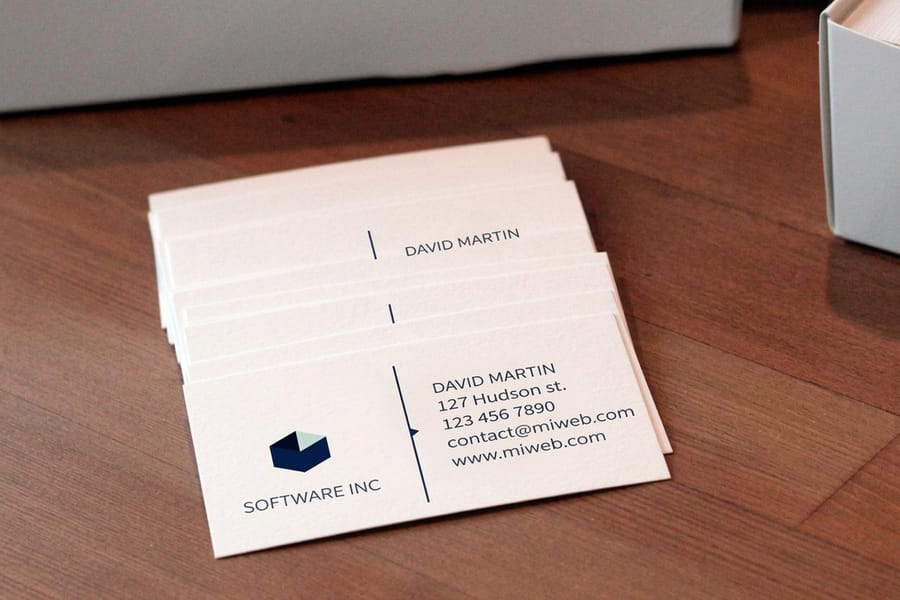
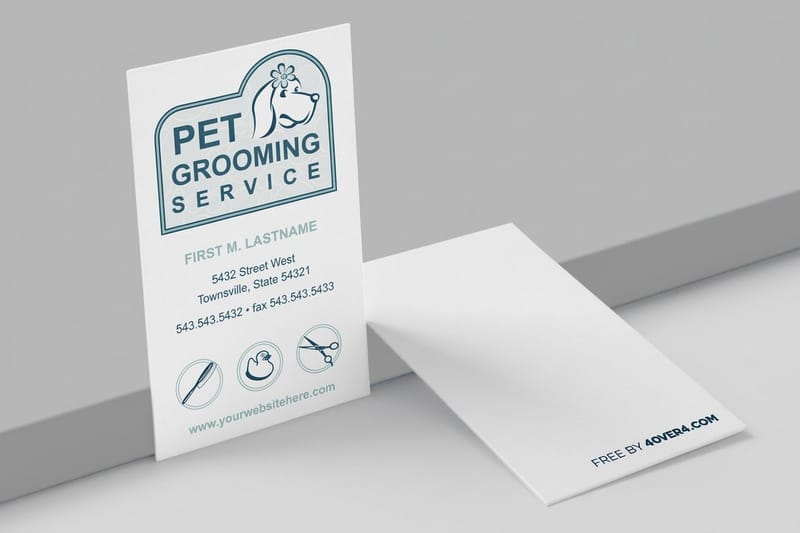
- Business cards. The highest volume repeat item in most companies, and the most sensitive to trim accuracy because a millimeter off center is visible against the border. Standard business cards start at $17.57, and the wider business card range covers heavier stocks and specialty finishes.
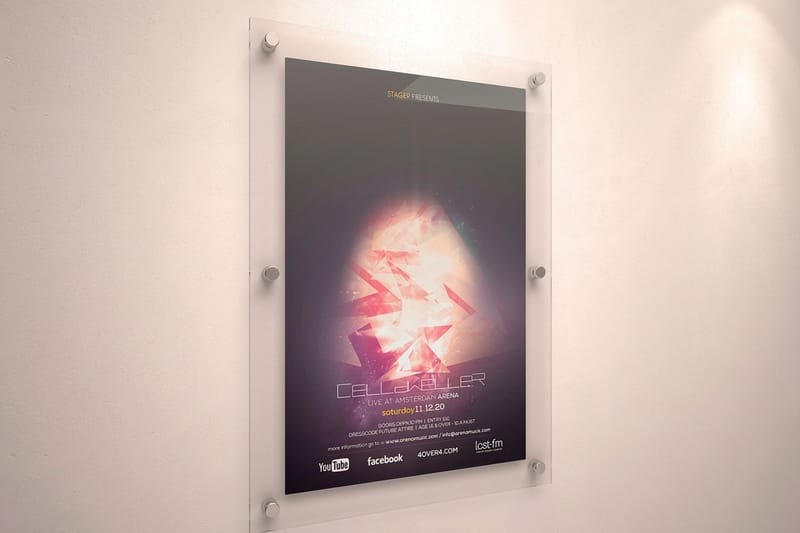
- Flyers and leaflets. High quantity, short life, price sensitive. Judge the shop on the price break between 1,000 and 5,000 rather than on paper luxury. Standard flyers start at $39.54.
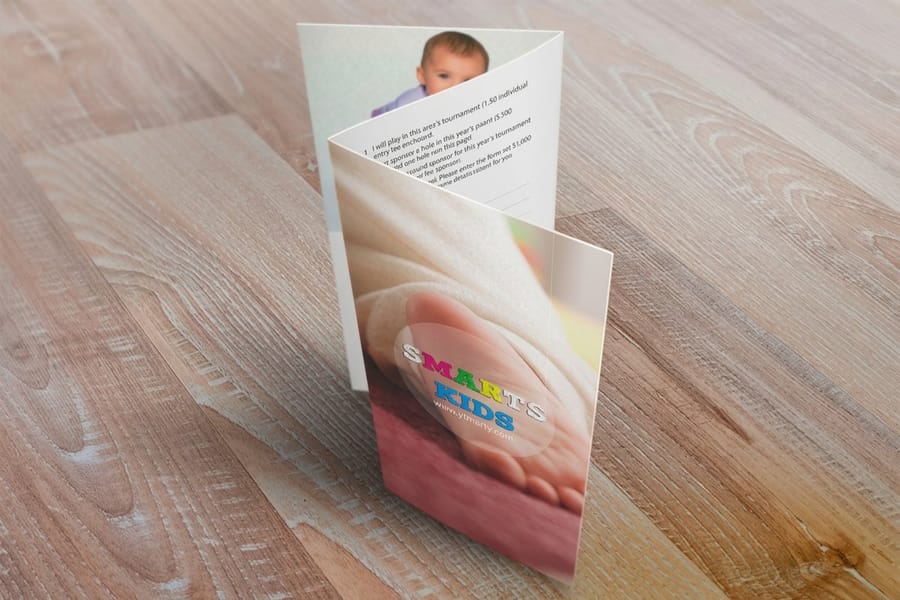
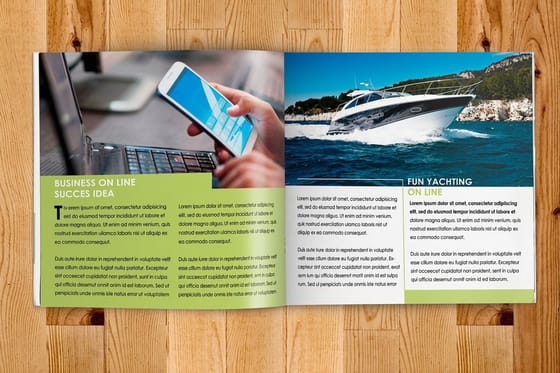
- Brochures. Folding is the risk. A fold that misses by a hair shows on every copy and cannot be fixed after the fact, so ask whether folding runs in house. Standard brochures start at $57.11.
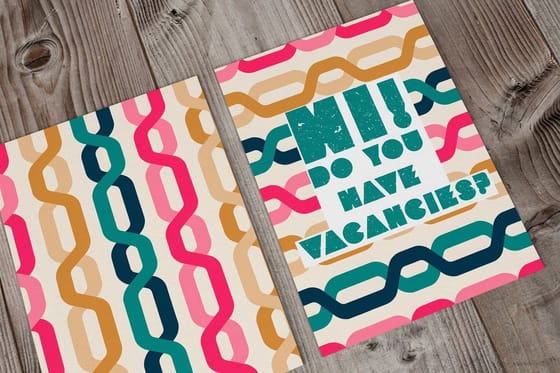
- Postcards and mailers. Postal rules govern size, aspect ratio and the address panel. A printer who knows mail will flag a layout that will not qualify. See postcard printing and our letter printing and mailing guide.
- Booklets and catalogs. Page count, binding and creep make this the most technical item on the list. Standard booklets start at $240.55, and the jump in price reflects the bindery work rather than the ink.
There is a practical argument for consolidating rather than chasing the lowest price per item. Print the whole set through one company and the cards, flyers and brochures share a press system and a color profile, so your brand teal reads the same across all three. Split them across three vendors and it will not. Specialty printing without a local shop covers the odd items that usually push people to a second supplier.
How 4OVER4.COM Answers the Same Seven Questions

It would be strange to publish a buyer's checklist and dodge it, so here are our own answers, in the same order.
Turnaround is stated in business days from proof approval, with shipping quoted separately, and the daily cutoff is published rather than buried. Every job gets a digital proof, and paper samples are available before you commit to an unfamiliar stock. Pricing is live: the configurator on every product page reprices as you change quantity, size, stock and finish, so you compare the number for your actual order rather than a starting price. Our guarantees are written down, and same day printing exists for the jobs that genuinely cannot wait.
On product mix, the catalog runs past a thousand items, which means the cards, flyers, brochures, postcards and booklets in your quarterly order all come from one place with one color profile. Templates with bleed and safety marked are free in the template library, and if a print term in a quote is unfamiliar, the printing terms page defines it.
The honest limit: we are set up for repeatable commercial work at volume, on standard and specialty stocks, printed and shipped from Queens, New York. If your job needs someone standing at the press hand matching an ink against a physical swatch while you watch, that is a local specialist's job and we will tell you so.
Wally compares two print quotes
Same three days, four days apart at the door

Wally puts two quotes side by side. Both say three days. One counts production only and hands the box to a ground carrier afterwards. The other counts everything to your door. Wally then asks the awkward questions: what does the reprint policy exclude, what does this exact quantity cost, and do you print it here. By the time the clipboard is full, one quote is obviously the cheaper one and it is not the one with the lower headline price.
Price standard business cards →Specs and pricing
The three items most companies reorder, priced live
Change the quantity, stock and finish and the price moves with it. This is what the fifth check on the list looks like when a printer publishes real numbers instead of a quote form.


Print it
Put the checklist to work on a real order



Explore more
Where to go next

By the numbers
What 4OVER4.COM brings to the shortlist
Common Questions
Questions buyers ask before they commit
What should I ask a commercial printing company before I place an order?
Five questions cover most of the risk. What exactly does the quoted turnaround measure, and does it include shipping. What is the daily file cutoff, and in which time zone. What does the reprint policy cover and what does it exclude. What does this exact quantity cost, not the starting price. And do you print this product in house or send it out. A shop that answers all five plainly is usually the one that runs the job cleanly.
Is an online printing company as good as a local print shop?
For standard products on standard stocks, an online printer usually wins on price and consistency because it runs the same sizes constantly on calibrated equipment. A local shop wins when you need to stand over the press, hand match a color against a physical sample, or collect the job the same afternoon. The honest split is by job type rather than by loyalty: order the repeatable work online and keep the odd, hand finished, walk in work local.
What is gang run printing and does it hurt quality?
Gang running places many customers' jobs on one large press sheet so the setup cost is shared. That is why a box of business cards can start at $17.57 instead of the several hundred dollars a dedicated press run would cost. The trade off is color: your job is balanced against its neighbors on the sheet, so a very particular brand color is held to a commercial tolerance rather than matched exactly. For most marketing print nobody notices. For a strict brand color, ask for a press match or a hard copy proof before the full run.
How much should commercial printing cost?
Price is driven by quantity, size, stock weight and finishing, in that order. As a working reference from our own catalog, standard postcards start at $16.48, standard business cards at $17.57, standard flyers at $39.54, standard brochures at $57.11 and standard booklets at $240.55. Doubling the quantity rarely doubles the price, because setup is already paid for, so the piece price falls fast between 500 and 5,000.
What happens if the print job comes out wrong?
It depends on whose fault the file was. A printing company will rerun a job that missed its own specification, such as a bad trim, a fold in the wrong place, or color that drifted outside tolerance. It will not usually cover a mistake carried in from your file, such as a typo, artwork built in RGB that shifted on conversion, or a photo placed at a resolution too low to hold. Approve the proof carefully, because approval is the moment responsibility moves to you.
Do I need a physical proof or is a digital proof enough?
A digital proof checks layout, spelling, position and imposition, and that covers the majority of errors people actually make. It cannot show you paper color, ink absorbency or how a coating changes a photo. Order a hard copy proof or a set of free paper samples when the stock is unfamiliar, when a coating is involved, or when a brand color has to sit inside a narrow tolerance. Skip it on a reorder of something you have printed before.
Get Started
Test a printer with 50 postcards from $16.48
Pick a quantity, choose your stock and finish, and see the price move before you commit. Every job is proofed, and the turnaround is counted in business days from your approval.
Legal Disclaimer
Gold Standard guarantees apply to all standard orders placed through 4over4.com. Price match requires verifiable proof of a competitor's published price for an equivalent product with matching specifications and turnaround time. Satisfaction guarantee covers manufacturing defects and print quality issues. Contact support with order number and documentation. On-time delivery rate based on tracked orders 1999 to 2026. Individual results may vary based on shipping carrier performance.
