
Education Brochures vs Yard Signs vs Booklets for Schools


Three formats, three points in a family deciding on a school. Each carries a different amount, each has its own entry price, and each stops working somewhere.
Use a yard sign to interrupt, a brochure to explain, and a booklet to convince. A sign is read at 20 to 40 feet and carries about six words, starting at $25.00. A brochure is read in the hand and carries 300 to 500 words across six panels, starting at $57.11. A booklet is read at a desk by a family that already toured, carries 1,500 words and up in page counts that are multiples of four, and starts at $240.55.
Quick answer
Interrupt, explain, convince
The right format is decided by how much the reader has already agreed to read. A yard sign reaches someone who is still moving, so it carries roughly six words and a way to find you. A brochure reaches someone who has stopped, so it carries 300 to 500 words shaped around three visible panels. A booklet reaches a family that toured the campus, so it carries 1,500 words or more in a page count that is always a multiple of four. Buy the brochure first, the signs second and the booklet last.
Which Format the Moment Calls For
The three formats are not competing for the same job. They sit at three different points in a family deciding on a school, and using one where another belongs is where school print budgets leak.
A yard sign interrupts. A brochure explains. A booklet convinces. If a piece has to do two of those, it will do both badly.
| Format | Copy it carries | Where it is read | Starting price | Where it fails |
|---|---|---|---|---|
| Yard sign | About six words plus a URL or phone number. | From 20 to 40 feet, by someone walking or driving past. | $25.00 | Any explanation. Small type on a sign is decoration. |
| Brochure | Roughly 300 to 500 words across six panels. | In the hand, at a fair, a front desk or a mailbox. | $57.11 | Deep curriculum detail, full staff lists, long tuition tables. |
| Booklet | 1,500 words and up, in page counts that are multiples of four. | At a desk or a kitchen table, by a family already interested. | $240.55 | Cold outreach, and anything that changes between terms. |
Read the last column before the price column. The cheapest mistake on this page is a $240.55 booklet run that lists an event date, and the most common one is a yard sign carrying a paragraph. Our guide to education printing services maps the rest of the school calendar onto the same logic, and the education printing collection lists what each department orders most.
Education Yard Signs: Six Words and a Place to Stand
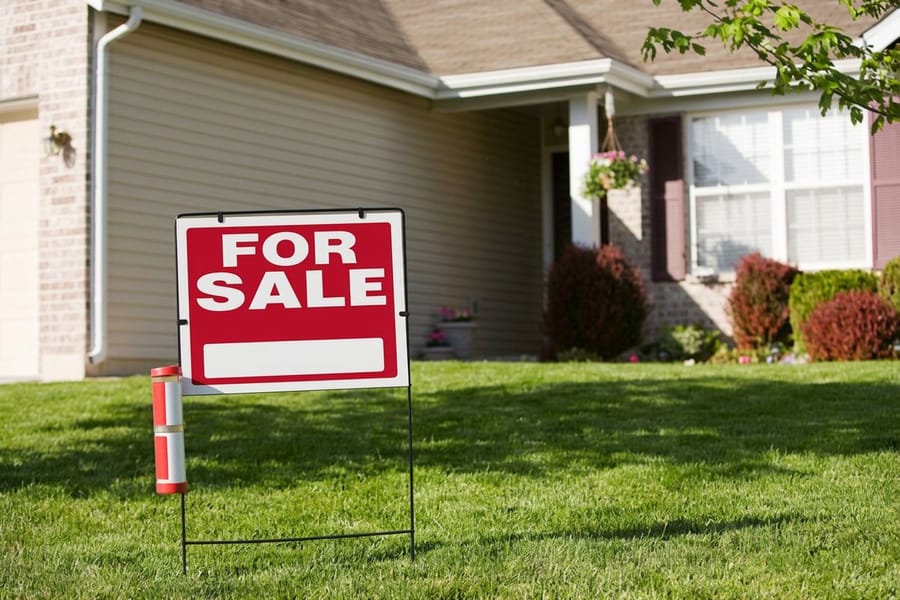
A yard sign has one job, which is to move somebody from not knowing you exist to knowing where to look next. Enrollment opens, the science fair is Saturday, the campus tour is at the gate. Six words, a date, a short address.
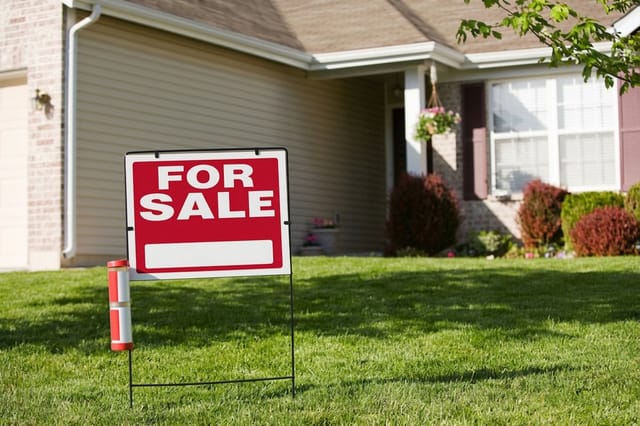
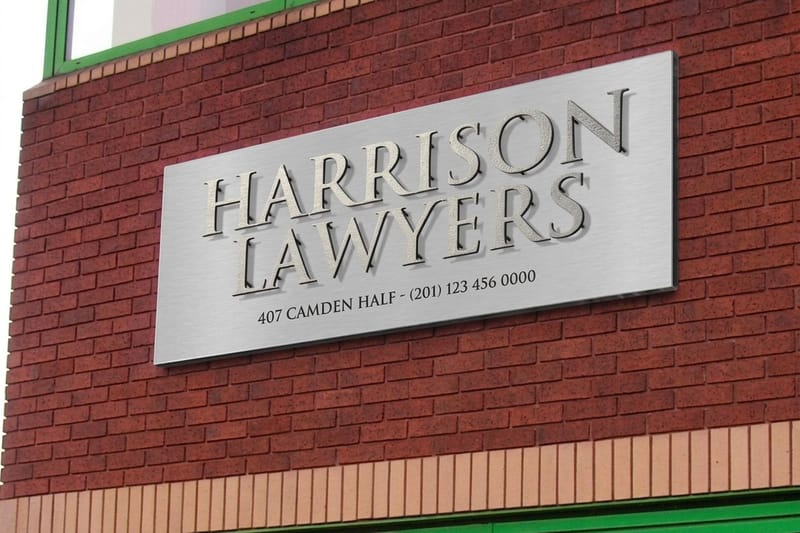
The standard is an 18 by 24 inch panel on 4mm corrugated plastic with an H stake, and yard signs start at $25.00. Corrugated plastic has flutes running one direction, which matters more than it sounds: the stake legs must slide into the flutes, so a horizontal 24 by 18 layout and a vertical 18 by 24 layout are not interchangeable at ordering time. Say which orientation you need rather than assuming the artwork decides it.
Three rules keep school signs readable. Keep the biggest line at least three inches tall. Use dark type on a light panel or the reverse, never a photograph behind the words, because a busy background eats every letter at distance. And place signs in pairs at a corner facing both approaches, since one sign on one side of a street reaches half the traffic. If the sign has to stand through a full year, read which materials survive outdoors before you buy another coroplast run, and check yard sign dimensions against whatever your municipality allows on public frontage.
Education Brochures: Three Panels That Actually Get Seen
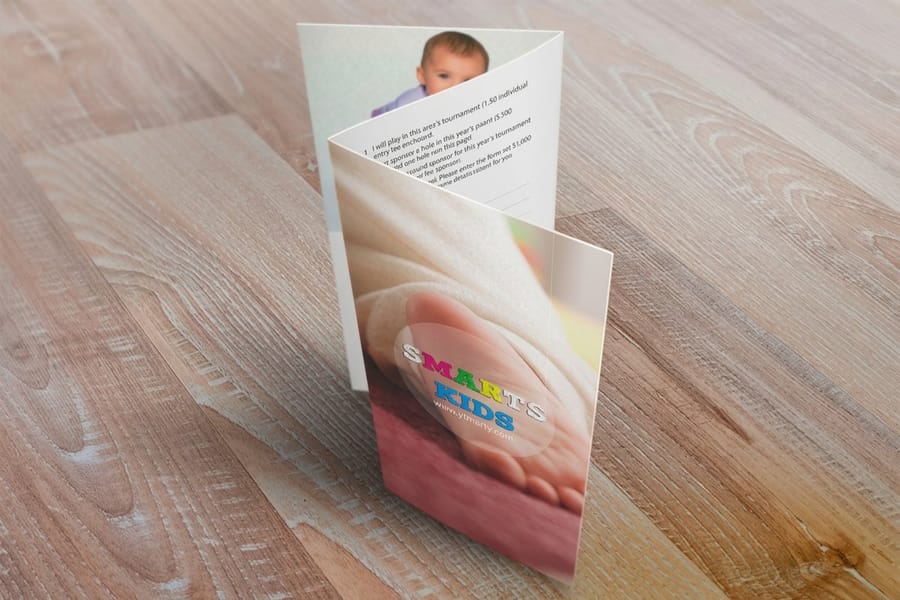
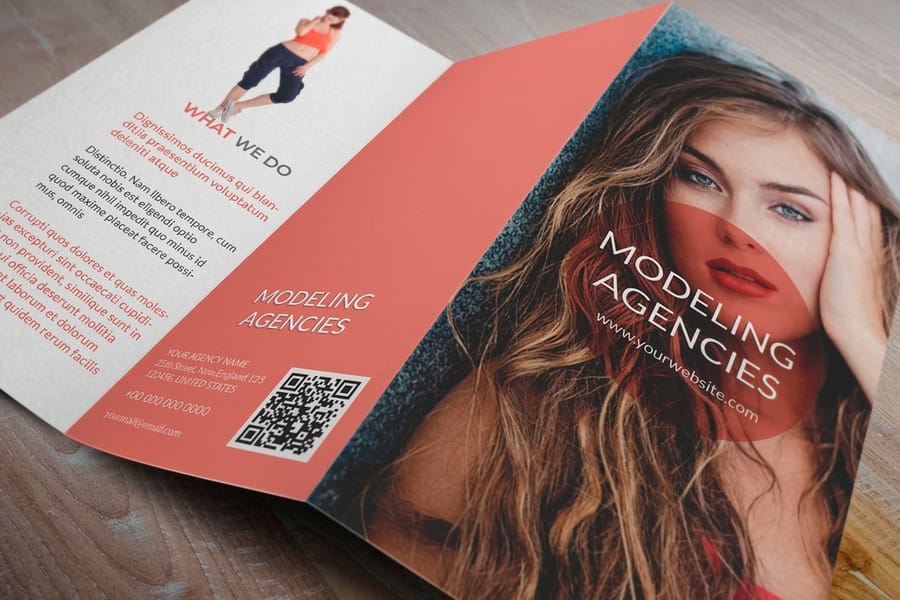
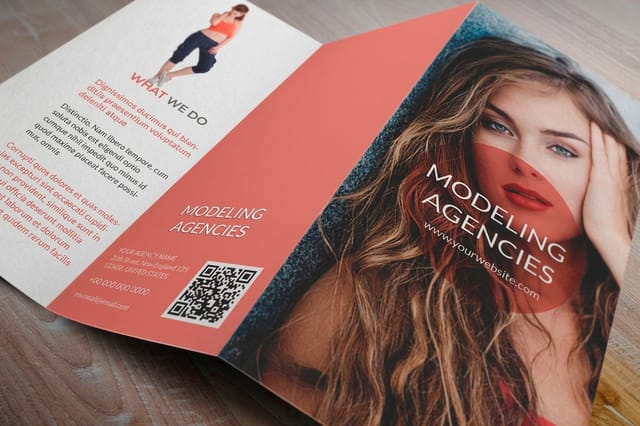
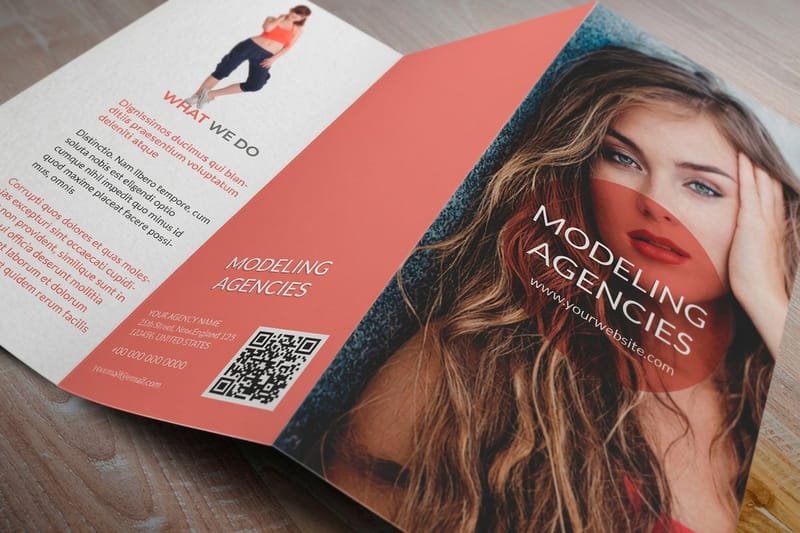
A tri-fold brochure has six printed panels and shows the reader three of them, in a fixed order. The cover, then the inside spread when they open it, then the back panel when they turn it over. Design for those three moments and the piece works. Design for six equal panels and it reads like a form.
Put one promise on the cover and nothing else. The inside spread is where the substance lives: class sizes, the programs that make you different, what a day looks like. Leave the back panel for the address, the tour times and a QR code, because the back panel is what faces up when the brochure sits on a kitchen counter for a week.
Standard brochures start at $57.11, and unlike the booklet the unit cost falls fast with quantity, so a school printing 500 for a fair pays far less per piece than one printing 50. Common school sizes are 8.5 by 11 inches tri-folded and 8.5 by 14 inches for programs with a schedule inside. If you are unsure which fold suits your content, the brochure sizes and folds guide lays out each one, and how to design a school brochure covers the copy order in detail. Start from a correctly sized layout in the blank template library so the fold lines land where the printer expects them.
Education Booklets: Multiples of Four and a Long Shelf Life
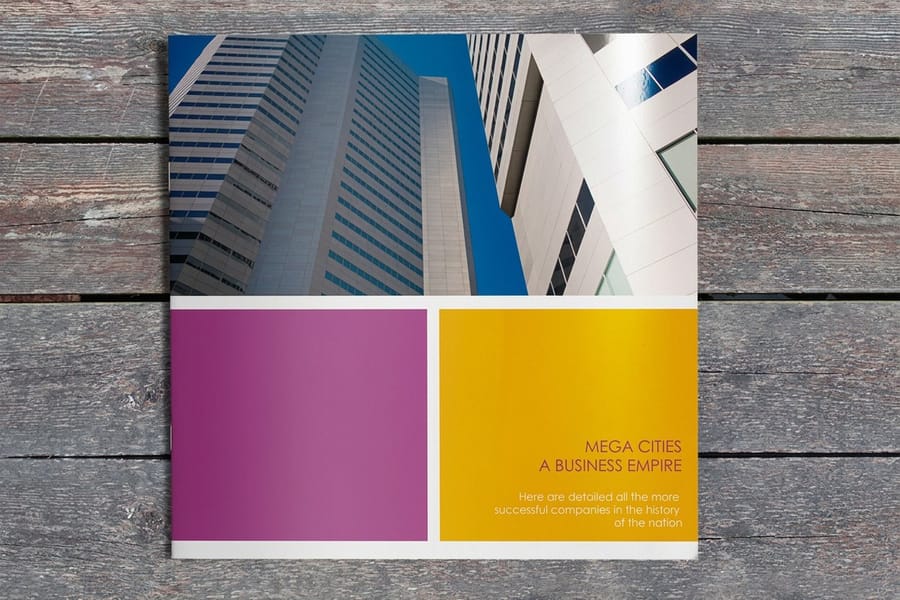
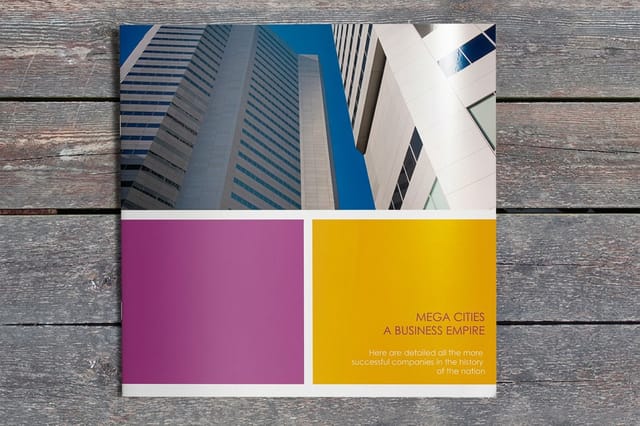
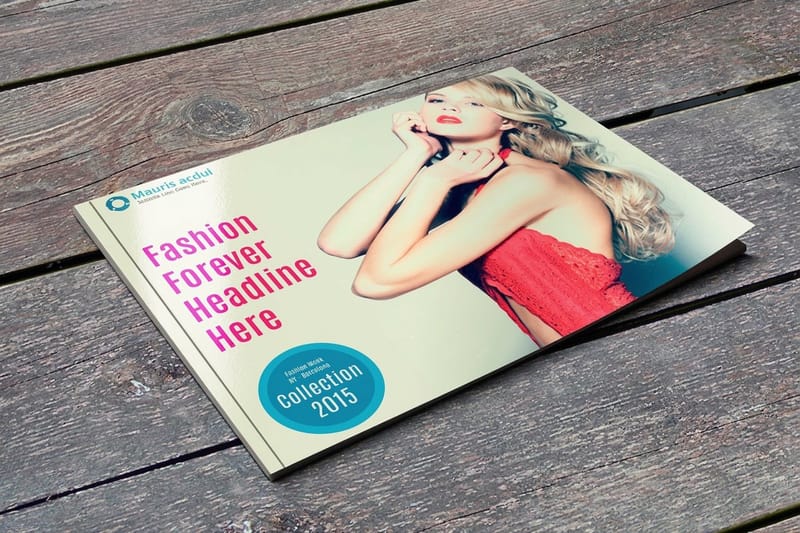
A booklet is what you hand a family after they have walked the campus. Course catalogs, student handbooks, the prospectus, the graduation program. It is the only one of the three formats with room for a real argument, and the only one people keep on a shelf.
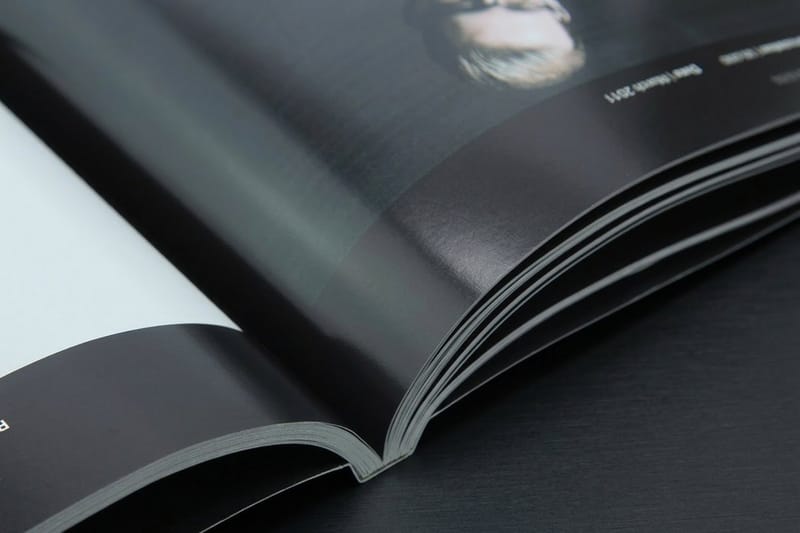
Two production facts decide the whole project. First, saddle stitching folds sheets and staples them at the spine, so every booklet is a multiple of four pages. Twelve, 16 and 20 work. Fourteen does not, and a designer who hands over 14 pages of content will have two pages invented for them at the last minute. Second, the folded sheets in a thick stitched booklet push the inner pages outward, so the trim shaves the outer margin of the middle spread more than the cover. Keep text at least a quarter inch clear of the trim on anything above about 40 pages, or move to a bound spine. Saddle stitch versus perfect binding covers where that line falls.
Standard booklets start at $240.55, which is a real commitment next to a brochure run, so the content has to earn a year of life. Curriculum philosophy, campus photography, alumni stories and admissions steps all age slowly. Tuition figures, term dates, staff photographs and event schedules do not. Push those onto a flyer insert or a QR code, and the booklet stays usable through two enrollment cycles instead of one. Schools running a full campaign will find the sequencing in this private school advertising plan.
The Verdict: Buy Them in This Order
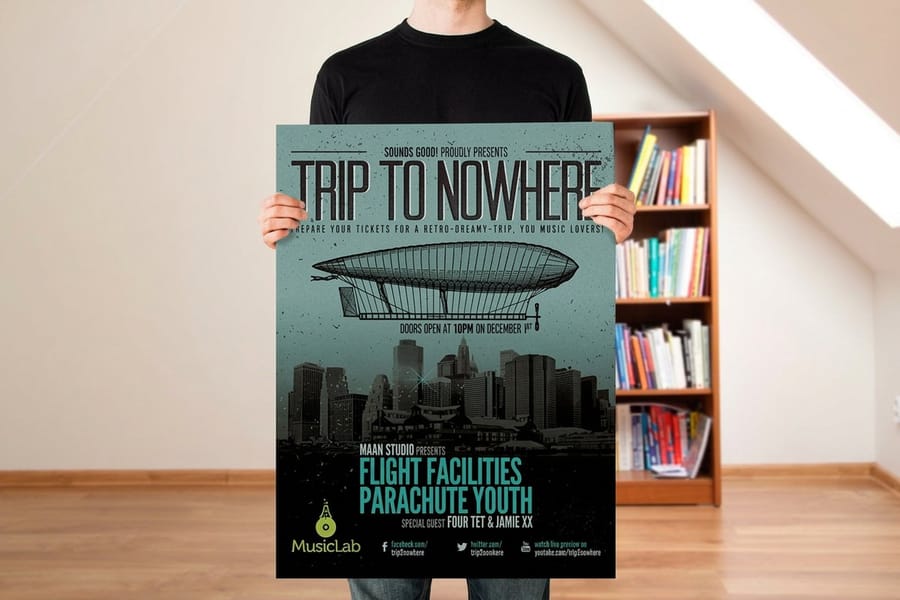
If you can only print one thing this term, print the brochure. It is the only format that works cold and warm, at a fair and in a mailbox, and at $57.11 to start it is the cheapest way to answer the questions a family actually asks.
Add yard signs second, timed to an event rather than left standing all year. Signs bought without an event to point at are the clearest sign of a plan that never got written. Add the booklet third, once you have a tour or an open house that produces genuinely interested families, because that is the moment a $240.55 run stops being expensive paper and starts being the document a family reads twice.
Two supporting pieces are worth knowing about. Flyers at $39.54 carry the things too perishable for the booklet, which is exactly why an insert beats a reprint. And posters at $108.75 handle corridors and gym walls, where a yard sign would look temporary and a brochure would go unseen. Browse the full range in brochure printing, yard sign printing and booklets and catalogs, or read where print still wins for schools before committing the budget. Homeschool groups printing on a smaller scale should start with print materials for homeschooling instead.
Wally sorts the school print pile
One message, three distances
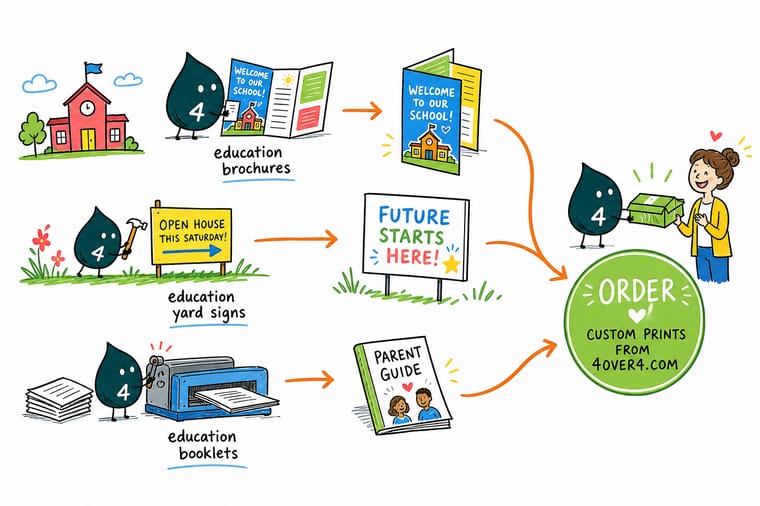
Wally plants the yard sign at the curb where families drive past, because six words is all anybody reads at 40 feet. He keeps the brochure in his hand for the ones who stop and ask what a school day looks like. The booklet stays on the front desk for the family that already toured, because that is the only reader who will sit down with 16 pages. Same message, three distances, three formats.
Order school brochures →Specs and pricing
Sizes, stocks and starting prices, side by side
Compare the three formats with live configuration choices and starting prices straight from the 4OVER4.COM configurator.


Print it
Order the format the moment calls for
Explore more
Where to go next

By the numbers
School printing you can plan around at 4OVER4
Common Questions
Your school print questions, answered
Which format should a school print first on a small budget?
The brochure. It is the only one of the three that works at every stage: you can hand it out at a fair, leave a stack in the front office, mail it to a family that called, and give it to a teacher to pass on. Standard brochures start at $57.11, and the per-piece cost drops sharply as the run grows. A yard sign at $25.00 is cheaper as a single unit but does nothing on its own, because it can only point somewhere. Buy the brochure first, then buy signs to drive people toward the event where you hand it over.
How many words fit on a school yard sign?
Roughly six, plus a phone number or a short URL. A driver at 30 miles per hour has about two seconds on an 18 by 24 inch panel, and a parent walking a sidewalk is not much slower. Open Enrollment, a date, and a web address is a complete sign. The most common school mistake is adding the mission statement in 40 point type, which turns the whole panel into gray texture nobody reads. Keep the largest line at 3 inches tall or more and cut everything that is not a decision.
Is a booklet worth it for a school prospectus?
It is worth it when the reader has already raised a hand. A prospectus that gets mailed cold is expensive paper in a recycling bin, but the same booklet handed to a family after a campus tour is the thing they take home and argue about at the kitchen table. Standard booklets start at $240.55 and pages run in multiples of four, so the honest question is whether you have 12 to 16 pages of content that will still be true next year. If not, print a brochure and add a page to your site.
Can I use the same artwork for the brochure and the booklet?
The photography and the color palette should carry across, but the layouts cannot. A brochure panel is roughly 3.7 by 8.5 inches on a standard tri-fold, which forces short blocks and one idea per panel. A booklet page is a full 8.5 by 11 inches with room for a headline, two columns and a caption. Copy pasted from one into the other either drowns in white space or runs off the panel. Build the brochure from the booklet by cutting, never by reflowing.
What material should school yard signs be for a full season?
4mm corrugated plastic is the default and it holds up for a season of sun and rain, which covers an enrollment window or a fundraiser. If the sign has to live on a fence line all year, or if it faces a coast or a hard winter, step up to a rigid material rather than reprinting coroplast twice. Check the district and municipal rules before you order too, because many towns cap the size and the number of days a sign may stand on public frontage.
How far ahead should a school order all three?
Work backward from the open house, not from the printer. Signs need to be in the ground about two weeks before the event so people see them more than once. Brochures need to be in the office before the first phone call, which is usually when the signs go up. Booklets are the long pole because proofing a 16 page document with three departments takes longer than printing it, so start that draft six to eight weeks out and treat the print run as the easy part.
Get Started
50 posters cost $108.75, 25 booklets $240.55
Pick the fold, the stock and the quantity, and we print brochures, yard signs and booklets that hold up from the curb to the kitchen table.
Legal Disclaimer
Gold Standard guarantees apply to all standard orders placed through 4over4.com. Price match requires verifiable proof of a competitor's published price for an equivalent product with matching specifications and turnaround time. Satisfaction guarantee covers manufacturing defects and print quality issues. Contact support with order number and documentation. On-time delivery rate based on tracked orders 1999 to 2026. Individual results may vary based on shipping carrier performance.
