
Business Cards vs Plastic Cards vs Magnet Cards for a First Impression That Lasts


Same 3.5 by 2 inch footprint, three completely different jobs. Each feels different at the handover, each fails somewhere, and all three have a real starting price.
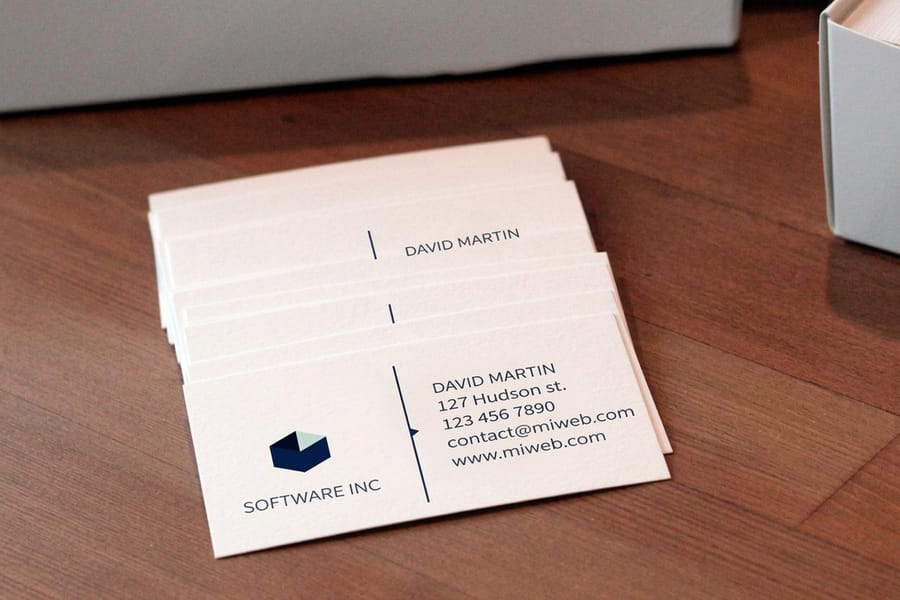
For an in-person first impression, a heavy paper card with a tactile finish wins, because the judgement is made on weight, edge and surface in the two seconds it takes to hand the card over. Plastic and magnet cards are not better first impressions, they are longer ones. A 30mil plastic card keeps working every time a wallet opens, and a magnet skips the wallet entirely to sit on a fridge until the job comes up. Starting prices at 4OVER4.COM are $17.57 for standard cards, $19.68 for card magnets and $180.02 for plastic.
Quick answer
Pick by how long the card has to stay in front of the person
Paper for the handshake, plastic for the wallet, magnet for the fridge. The impression itself is made on weight, edge and finish, and paper on 16pt stock with a soft touch or silk laminate delivers all three for far less than plastic. Plastic earns its ten-to-one price gap only when the card must survive years of handling. A magnet costs about the same as a paper card but has to be left somewhere rather than handed over, so it works for service trades and fails at a trade show.
Three Cards, Same Footprint, Three Different Jobs
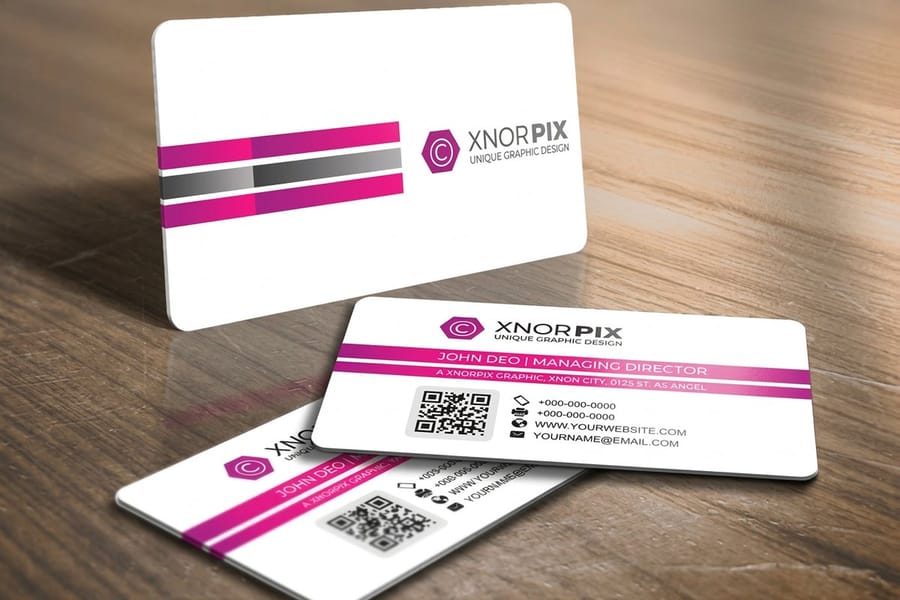
All three are 3.5 by 2 inches, so on paper they look interchangeable. They are not. Each one is designed for a different moment in the relationship, and choosing badly is how a business ends up paying ten times as much for a card that gets left on a table.
| Card | Material | Where it ends up | Starting price | Best for |
|---|---|---|---|---|
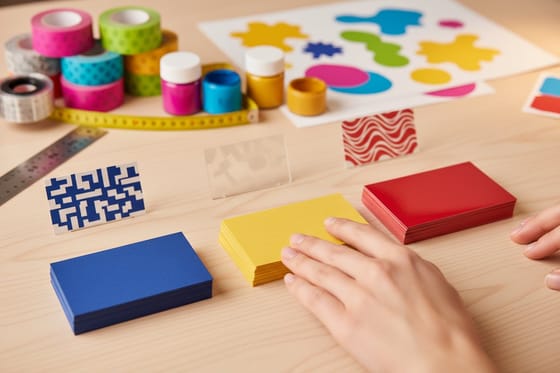
| Paper | 14pt or 16pt coated cardstock, upgradeable to 32pt. | A pocket, then a desk, then a drawer. | $17.57 | The in-person handover, events, walk-ins, anything handed out in volume. |
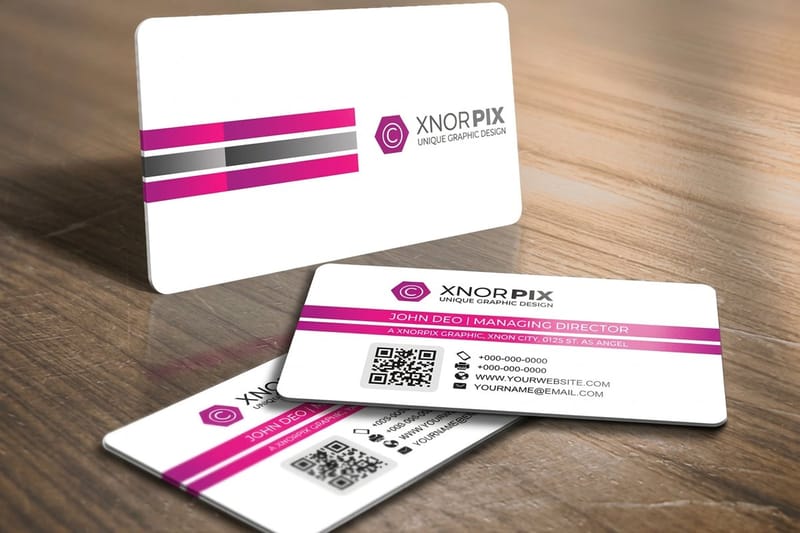
| Plastic | 30mil plastic, roughly twice the thickness of a 16pt card. | A wallet card slot, for years. | $180.02 | Clients and partners you expect to keep, membership and loyalty cards. |
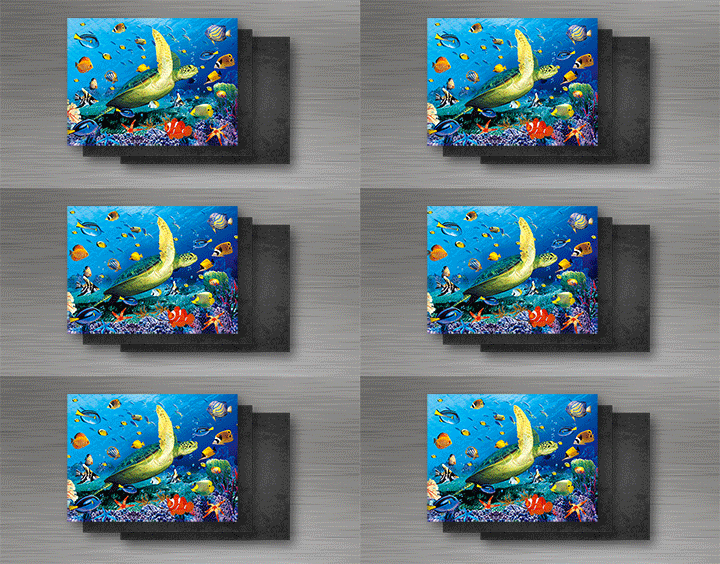
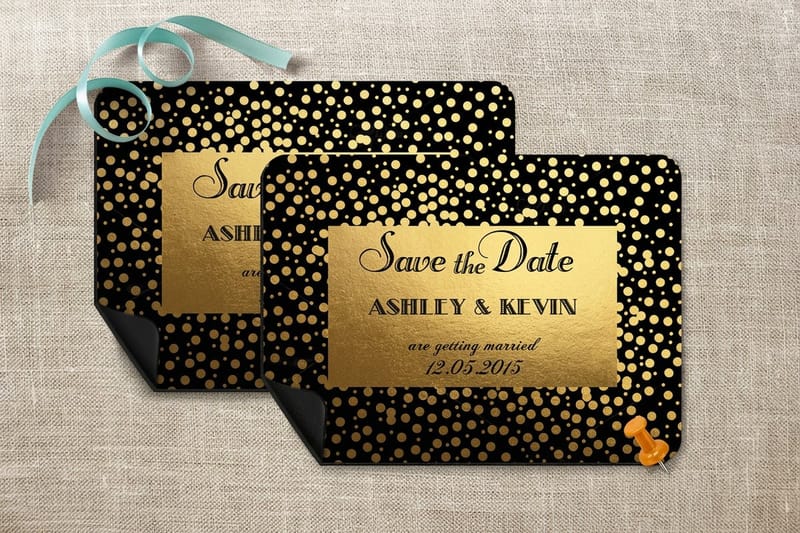
| Magnet | Printed face bonded to a flexible magnet sheet. | A fridge, a filing cabinet, a van door. | $19.68 | Trades and services where the call comes weeks or months later. |
Read the third column before the fourth. A magnet costs about the same as a paper card but cannot go where a paper card goes, and plastic costs about ten times a paper card while doing nothing extra at the moment of the handshake. The whole decision sits in where the card lives afterwards. If you want the thickness question answered on its own, our comparison of 14pt, 16pt and 32pt cards covers the paper side in detail.
What Actually Registers in the First Three Seconds
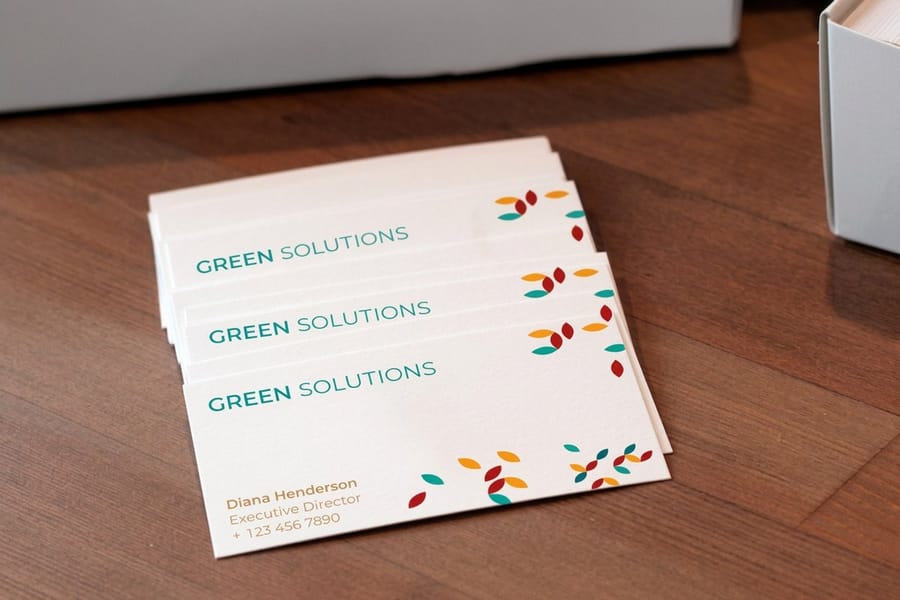
Watch someone take a card. They look at it for about a second, turn it once, then it goes into a pocket. Nobody reads it. What they register is physical, and it is three things.
Weight. A 14pt card is fine and a 16pt card is the point where people notice. Move to 32pt and they comment. This is the single cheapest upgrade on the list.
The edge. A clean, square, well-trimmed edge reads as professional. A soft or fibrous edge does the opposite, which is why cheap uncoated cards on light stock undo good design.
The surface. This is where finish beats material. Soft touch business cards start at $40.28 and feel like suede under a thumb. Silk laminated business cards start at $74.53 and add a durable, slightly cool skin. Spot UV business cards at $76.88 put a raised gloss over a matte surface so the contrast is felt as well as seen.
Plastic does not compete on any of those three. It is heavier and it is smooth, but smooth plastic is what a store loyalty card feels like, and most people have thirty of those. The card that gets remarked on at the handover is almost always paper with a finish, not plastic. Our finish comparison goes through matte, gloss and soft touch side by side, and business card stock explained covers what the stock itself is doing underneath.
Where Each One Lets You Down
Every comparison that only lists benefits is useless, because all three of these work. The decision is made on the failures.
Paper fails on time. It absorbs moisture, softens at the corners, and takes a permanent bend the first week it spends in a back pocket. Six months later a paper card looks like it has been through something, which is fine if it has already done its job and a problem if you wanted it to still be there.
Plastic fails on the pen and on the pocket. An ordinary ballpoint will not write on it, so the recipient cannot scribble the note that makes the card memorable. It is bulky in quantity, which makes it awkward to carry a stack. And it is not recyclable in a paper stream, which matters to a growing number of clients. Add the cost: at $180.02 against $17.57 you are spending ten times as much before you have printed a single extra card.
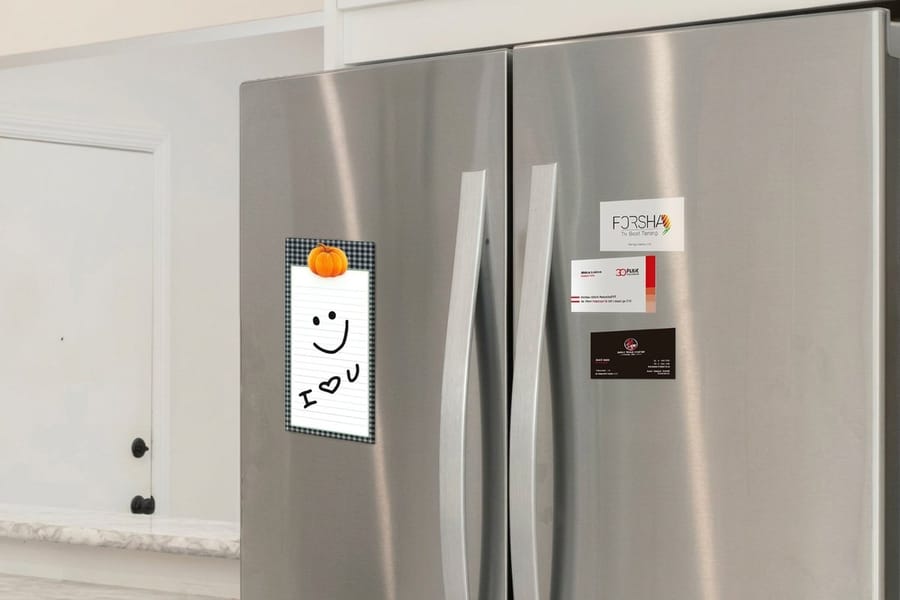
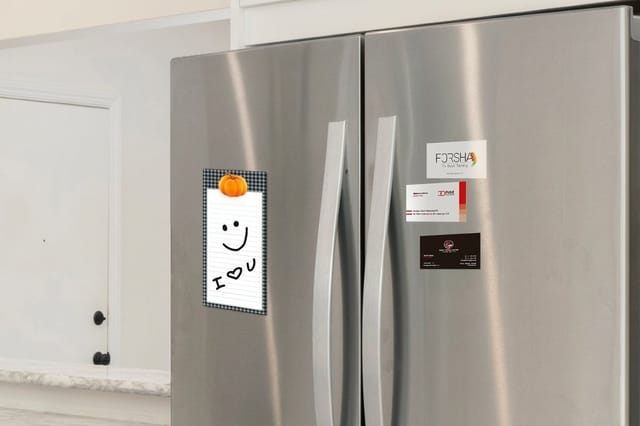
Magnets fail on distribution. A magnet only works if it reaches a surface where it can sit. Handed out at a trade show it goes into a bag with everything else and is thrown out with the lanyard. Left on a kitchen counter after a service call, it stays for years. It is also thicker and heavier than paper, so shipping and carrying larger runs costs more than people plan for. The business magnets guide works through the distribution side properly.
One more failure applies to all three: a card that nobody is given does nothing. If you are handing out fewer than a hundred cards a year, the format matters less than getting them into hands, and something mailed like a postcard instead of a card may reach more people for the same money.
What the Money Buys, in Order
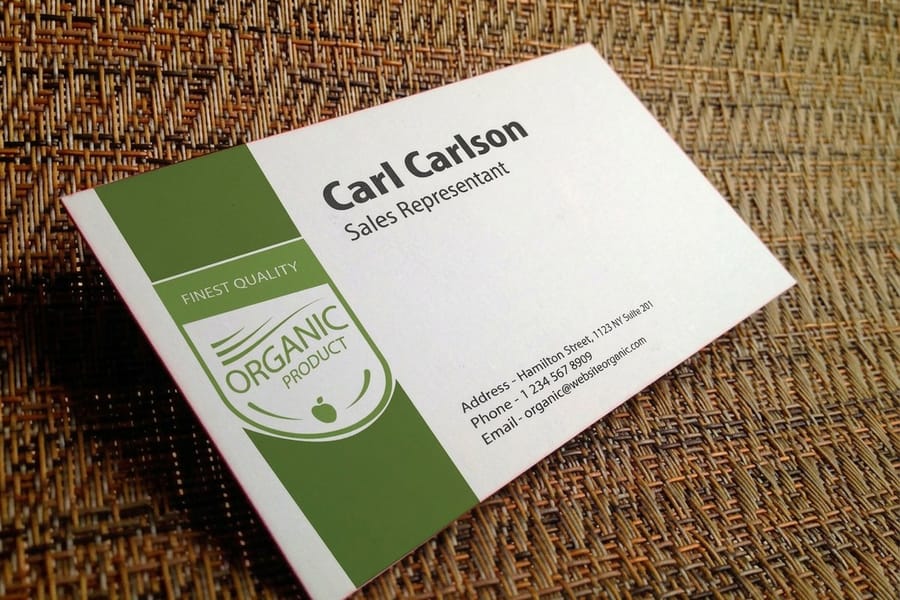
Ranked by starting price at 4OVER4.COM, the order is not what most people expect.
- $17.57 gets you standard business cards on coated cardstock. This is the baseline everything else is measured against.
- $19.68 gets you business card magnets. Almost the same entry price as paper, entirely different job.
- $40.28 gets you soft touch business cards, and this is the best value upgrade on the page if the goal is the handover.
- $74.53 gets you silk laminated business cards, which add real durability to a paper card.
- $180.02 gets you plastic business cards.
Put that list next to the question you are actually asking. If the budget is for one order and the cards get handed out in person, the money goes furthest on stock and finish, not on material. Spending the plastic budget on soft touch buys you roughly four times the quantity of a card that feels better in the moment that matters. If the card is a membership card, a loyalty card, or something a client keeps in a wallet next to a driving license, the plastic price is the right price and paper is a false economy.
Quantity moves all of this, because per-card cost drops steeply as the run grows. What business cards cost and why breaks that curve down, and the live configurators further down this page show real prices for your own quantity rather than a starting figure.
The Verdict, and Who Should Ignore It
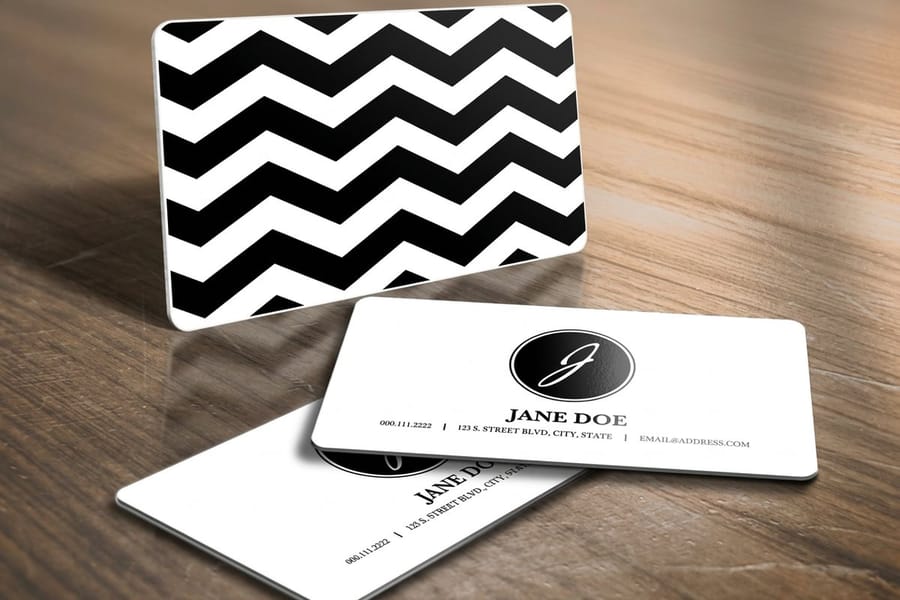
For a first impression, order paper on 16pt stock with a soft touch or silk finish. It wins the moment the card changes hands, it costs a fraction of plastic, it takes a pen on the back, and it is the only one of the three you can hand out in real volume without thinking about it.
Order plastic when the card has to survive. Membership cards, loyalty cards, VIP cards, and the small run you give to the twenty relationships that matter most. Judge it on the second year, not the first meeting.
Order magnets when you leave the card behind rather than hand it over. Service trades, in-home visits, anything where the customer needs your number at the exact moment something breaks. Order them in addition to paper cards, never instead of them.
The honest answer for most small businesses is two of the three: a strong paper card as the everyday card, and either plastic or magnets as the second format that matches how the business actually reaches people. Start from the full business card printing range, and if the size or bleed setup is what is holding the file up, the business card size guide and the blank template library will get the artwork right before you order.
Wally sorts the three cards
One goes in a hand, one in a wallet, one on a fridge
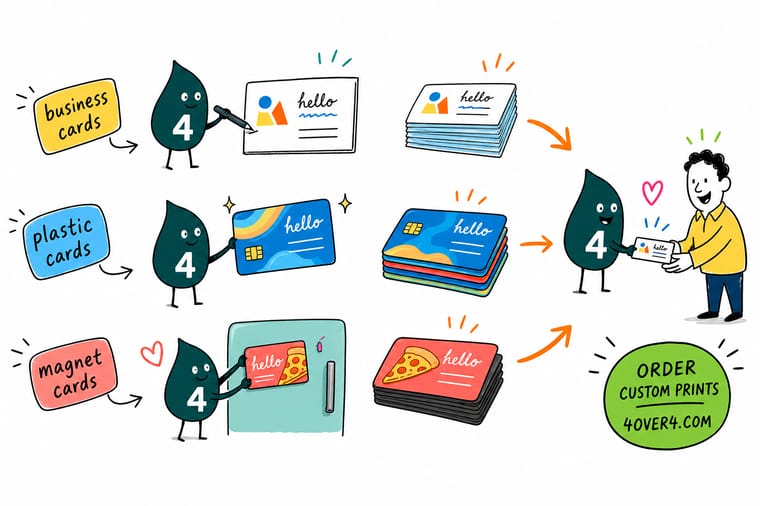
Wally hands the paper card over because it is the one people feel. He slides the plastic card into a wallet because it will still look new next year. He sticks the magnet on the fridge because that is the only place it works. Same size, same artwork, three different jobs. Ask where the card has to live, then order the one built for that spot.
Compare every business card option →Specs and pricing
Paper, plastic and magnet cards side by side
Configure all three against your own quantity and see live prices straight from the 4OVER4.COM configurator instead of a starting figure.

Print it
Order the card that fits where it has to live
Explore more
Where to go next

By the numbers
All three card types come from the same printer
Common Questions
Paper, plastic and magnet cards, answered
Which card actually makes the best first impression?
A heavy paper card with a tactile finish, in almost every in-person situation. The judgement happens while the card is being handed over, and what registers in that moment is weight, the crispness of the edge, and how the surface feels under a thumb. A 16pt card with a soft touch or silk laminate delivers all three. Plastic reads as durable rather than considered, and a magnet is not really being judged as a card at all because the recipient is already thinking about where to stick it.
Do plastic business cards fit in a normal wallet?
Yes, they are the same 3.5 by 2 inch footprint as a paper card, so a card slot takes them. The difference is bulk. At 30mil a plastic card is about twice as thick as a 16pt paper card, so a stack of ten is noticeably fatter than a stack of ten paper cards. That is fine when someone keeps one of yours. It is a genuine problem if you are the person carrying two hundred of them to an event, because a box of plastic cards is heavy and rigid in a way paper is not.
Can you write on a plastic business card?
Not with an ordinary ballpoint. The ink sits on the surface and smears or wipes off, which matters more than people expect, because writing a note on the back of a card is one of the most common things a recipient does with it. If you need that, either order a writable signature panel on the plastic card or keep a paper card for situations where notes get written. On a standard paper card an uncoated back takes pen ink cleanly, while a gloss coating does not.
Are magnet business cards worth ordering?
For any business where the call comes weeks after the conversation, yes. Plumbers, HVAC technicians, locksmiths, dog groomers, dentists and property managers all get found again because a magnet stayed on a fridge. Business card magnets start at $19.68, so the test is not the price, it is the distribution. If your cards get handed out at networking events rather than left in a customer kitchen, the magnet has nowhere to live and the money is wasted.
Can I order paper and plastic versions of the same design?
Yes, and a lot of people should. The usual split is a large run of paper cards for everyday handouts and a small run of plastic for clients and partners you expect to keep working with. The artwork transfers between them, but check two things before you send the same file to both. Plastic cards use a different bleed and safety margin than paper, and a design that relies on a rich matte black often looks different on plastic than on coated stock.
Do thicker paper cards close the gap with plastic?
Partly. A 32pt card is about the same thickness as a 30mil plastic card and feels substantial in the hand, so on the handover it competes directly. What it does not do is survive a wallet, because paper still absorbs moisture, softens at the corners and takes a permanent bend. If the card only has to impress once, thick paper is the cheaper answer. If it has to still look new next year, that is plastic.
Get Started
250 plastic business cards cost $180.02, or 72 cents each
Pick your stock, add a soft touch or silk finish, or switch the same artwork to plastic or a magnet. We print all three and ship from Queens.
Legal Disclaimer
Gold Standard guarantees apply to all standard orders placed through 4over4.com. Price match requires verifiable proof of a competitor's published price for an equivalent product with matching specifications and turnaround time. Satisfaction guarantee covers manufacturing defects and print quality issues. Contact support with order number and documentation. On-time delivery rate based on tracked orders 1999 to 2026. Individual results may vary based on shipping carrier performance.
