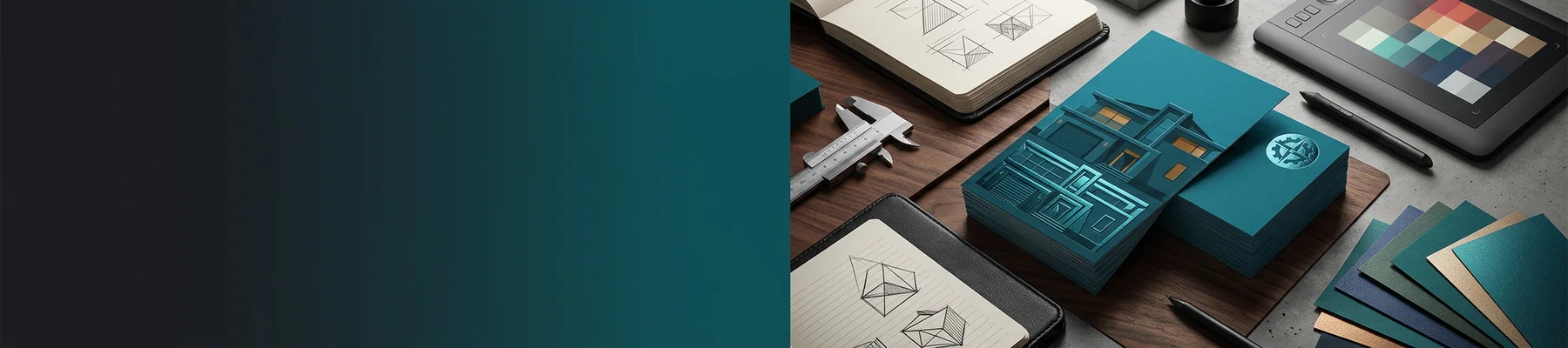
Letterpress Business Cards

See Letterpress Business Cards in action
Watch the Letterpress Business Cards overview from 4OVER4.COM. A short walkthrough of options, premium stocks, live pricing and fast turnaround.
- From $251.36 per 250 cards, with the per-card cost sliding from about $1.01 down to roughly $0.38 as the run climbs to 2,000.
- 4 laminated stocks: 32pt and 48pt Silk Laminated, plus 32pt and 48pt Velvet Laminated, printed full color.
- 3 sizes, the standard 2" x 3.5", a slim 1.5" x 3.5" and a 2.5" x 2.5" square, plus a custom size up to 3" x 4".
- Full finishing menu: foil stamping, embossing, debossing, spot UV, edge painting, edge gilding, die cutting and rounded corners.
- 15 business day standard production, printed in-house, rated 4.7 out of 5 across 7 reviews.
Hand Over a Card That Feels Expensive
Pick one up and it feels expensive before anyone reads it, a thick 32pt or 48pt laminated card that carries real weight in the hand and a tactile detail people notice with a fingertip. Letterpress business cards sit at the premium end of the lineup, starting at $251.36 for 250 and rated 4.7 out of 5 across 7 reviews. Whether you are closing a deal, handing a card across a counter, or tucking one into a folder, this is the version that gets kept.
These cards punch above a plain handoff. The heavy laminated stock, the foil, the raised and pressed marks, and the painted or gilded edges all do the work of making your name look considered. Want to see how they sit next to the rest of the range? Browse every style on business cards printing, or stay here and build yours from the choices below.
The price rewards a bigger run. A set of 250 starts at $251.36, about $1.01 a card once you account for the thick stock and finishing, and the per-card cost keeps sliding as the count climbs to 2,000. Tap any tier below to see the live total and exactly how much each step up saves before you commit.
What Are Letterpress Business Cards?
Letterpress business cards are premium, heavily finished cards printed full color on thick laminated stock, offered here in 3 sizes on 4 stocks. People reach for them when a plain card would undersell the moment: a foil-stamped logo that catches the light, an embossed monogram that stands proud of the surface, a debossed mark pressed into the stock, a spot UV gloss over a matte field, or a painted and gilded edge. Because the card is thick and the finishing is tactile, it gets handled and kept instead of filed away. If you want the everyday wallet card instead, the Standard Business Cards cover that, and the letterpress version sits beside it as the one built to feel premium.
What Size Should a Letterpress Card Be?
The right size comes down to how you want the card to read. The standard 2" x 3.5" is the classic wallet card everyone recognizes and files away neatly. A slim 1.5" x 3.5" reads narrower and more modern, and a 2.5" x 2.5" square breaks the wallet format entirely so the card earns a second look on shape alone. Need something larger or in between? A custom size up to 3" x 4" is made to order. All 3 sizes, the 4 stocks and every finishing option are grouped below exactly the way the live configurator presents them, so you know what you can change before you change it.
Here are a few easy ways to make a letterpress card pull its weight.
Pick a stock that carries weight
The stock is where a letterpress card earns its name. The 32pt and 48pt Silk Laminated stocks give a smooth, soft-touch surface, while 32pt and 48pt Velvet Laminated read softer still, almost suede in the hand. The 48pt options are about as substantial as a card gets. Set your ink coverage to 4/0 for full color front with a blank back, 4/1 to add black on the back, or 4/4 for full color on both sides.
Layer the finishing that fits
This is the real reason to order letterpress. Foil stamping presses metallic foil onto the front or back. Embossing raises an element above the surface, debossing presses it in, and spot UV lays a glossy layer over a chosen area. Edge painting adds a band of color around the card edge, and edge gilding runs a metallic foil edge instead. Die cutting shapes the card and rounded corners soften it with a 1/8" or 1/4" radius. You can stack these to build a card that is unmistakably yours.
Design it without a designer
You do not need a design background to make a letterpress card look sharp. Start from one of thousands of free, professionally built layouts in our business card design templates, then change the colors, copy and logo in the online editor in minutes. The thick stock and finishing do the rest.
Ready-to-Edit Business Card Design Templates
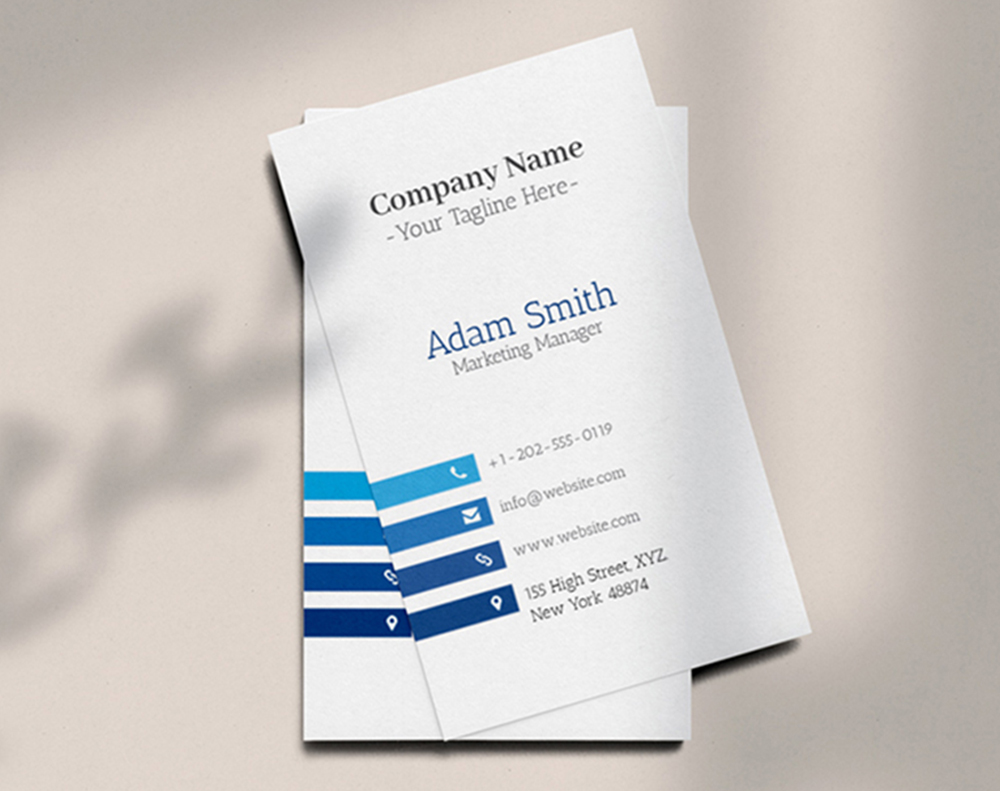
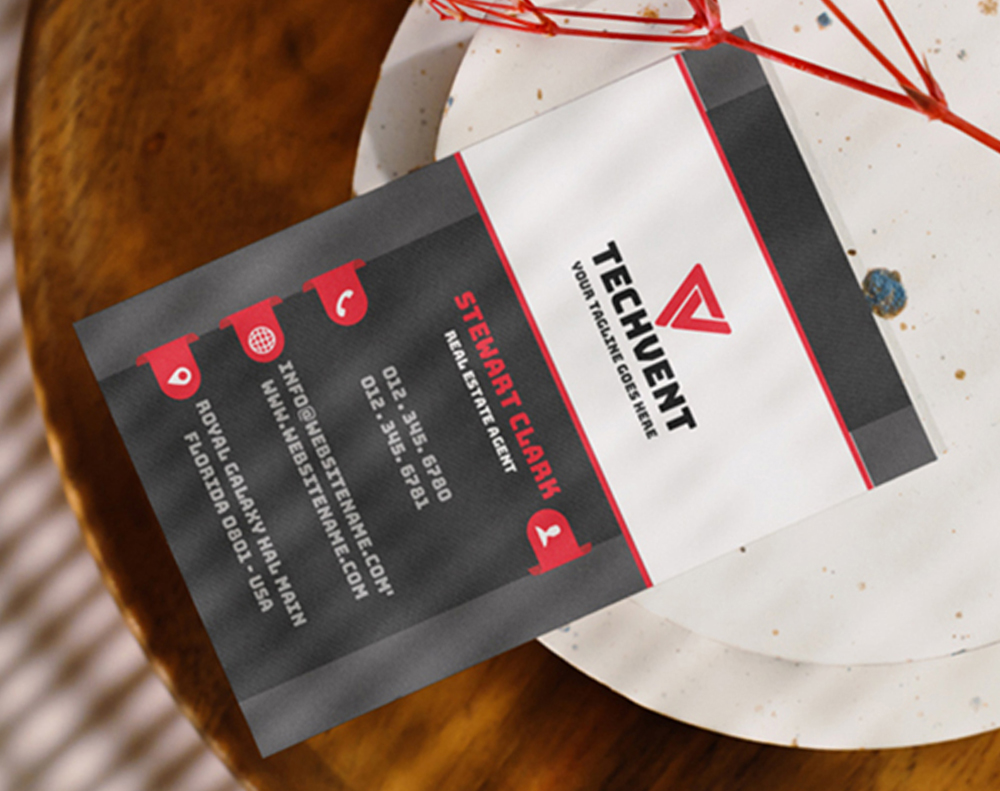
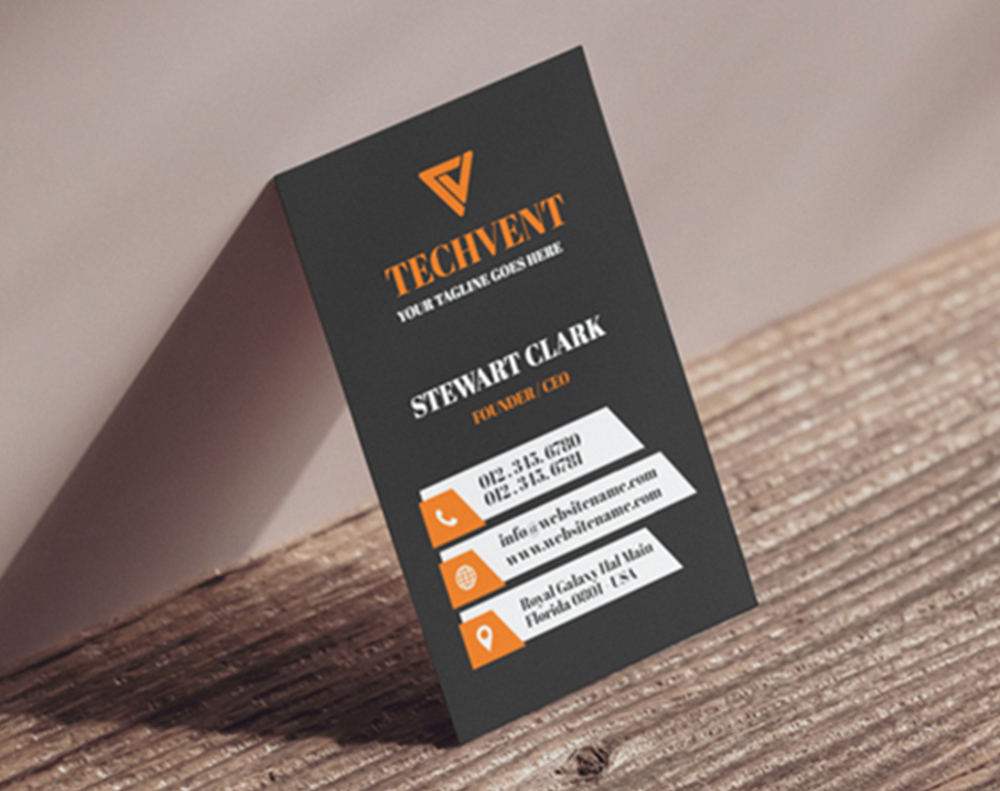
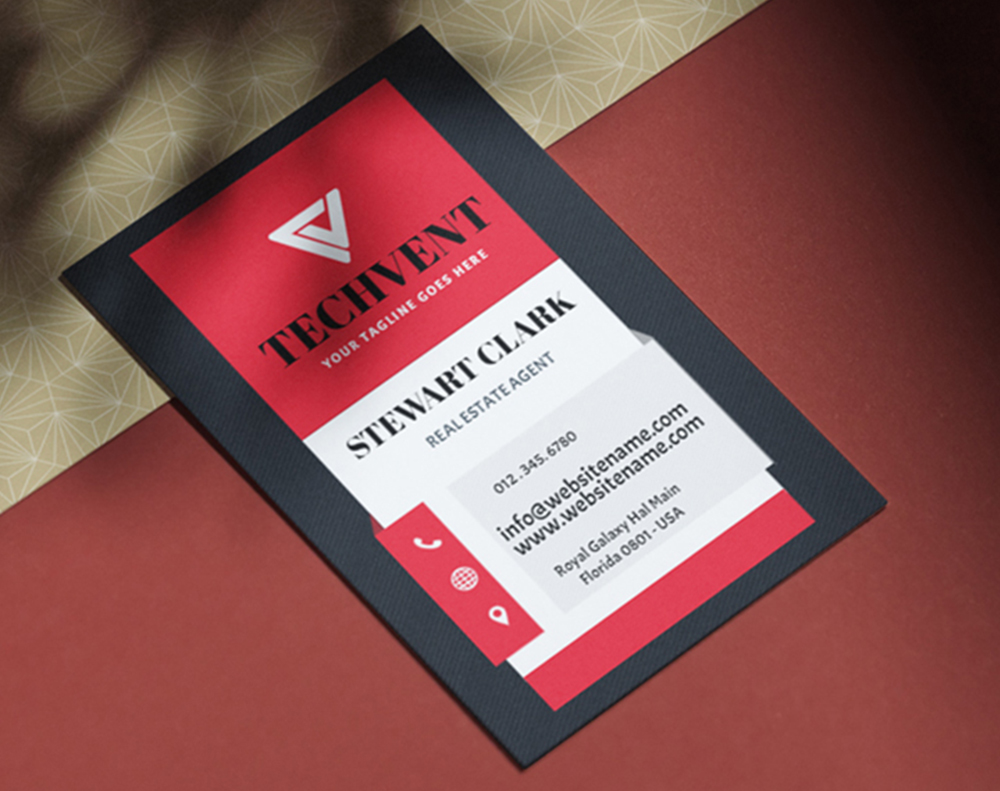
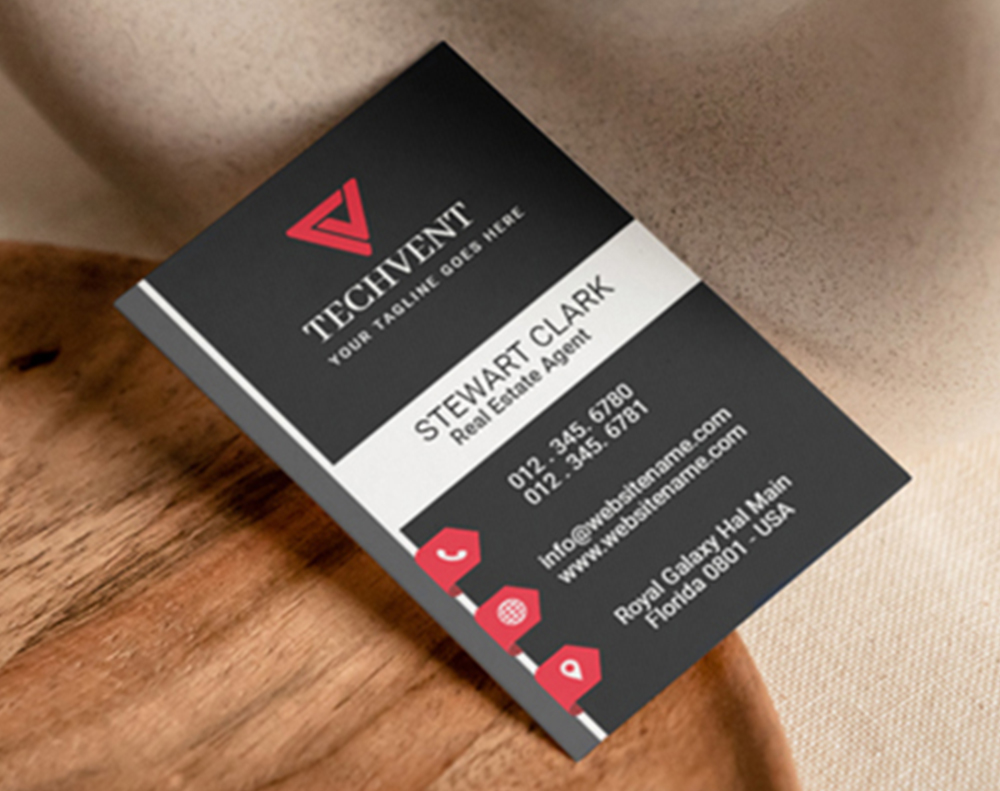
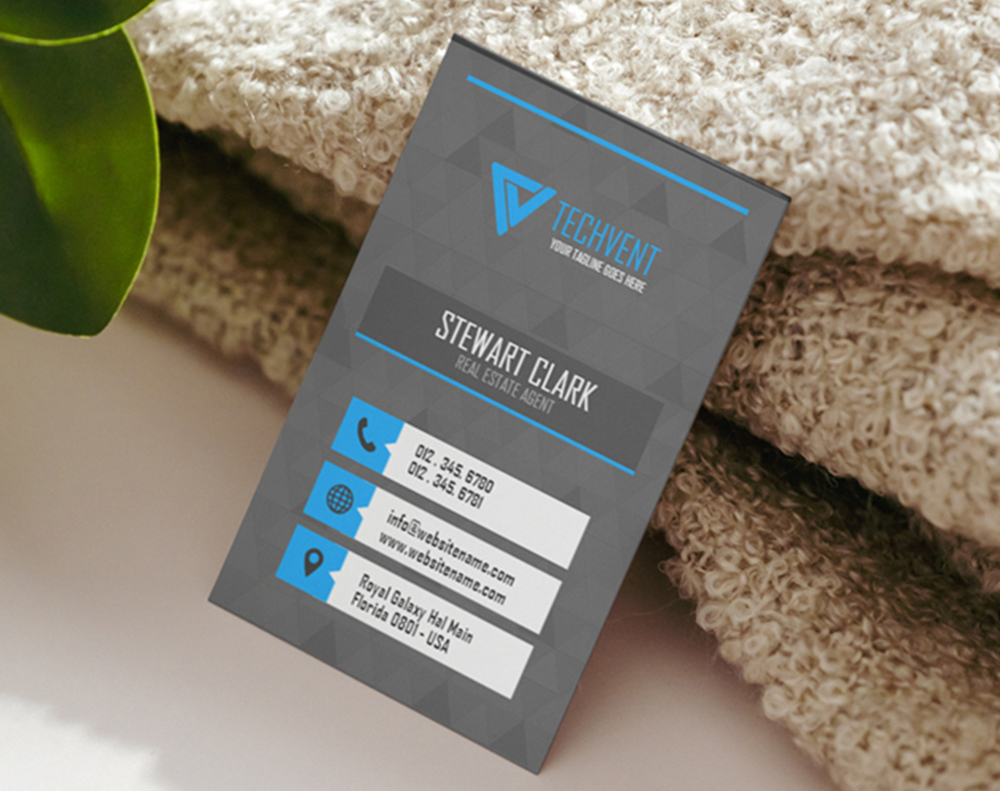
Already have your artwork? Skip the editor and download a press-ready blank instead. Each letterpress business card template is built at the real trim size with the 1/8" bleed and safe margin already drawn in, so your design never crowds the cut. Grab the size that matches your order below, drop your art in, and upload.
Wally makes a card people keep in the top drawer
Why a thick, foil-and-embossed card gets remembered, not recycled.
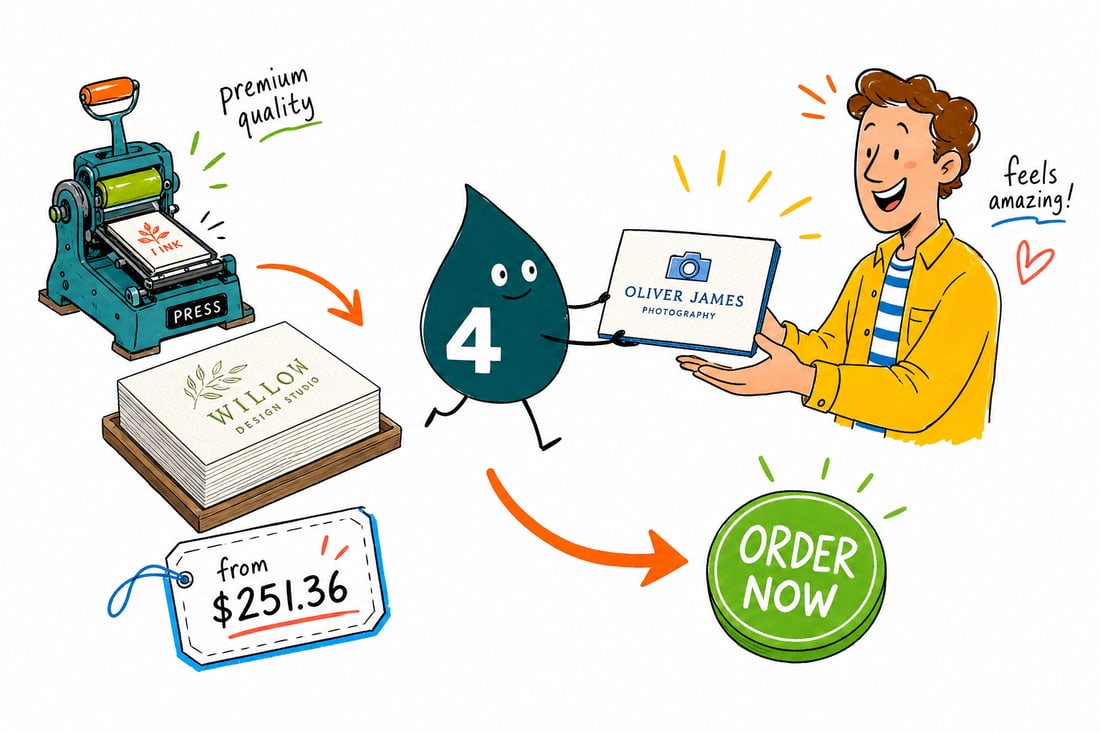
Letterpress business cards start at $251.36 for 250, printed in-house on thick 32pt or 48pt laminated stock. Add foil stamping, embossing, debossing, spot UV or a painted edge, pick your size, and Wally turns a plain handoff into a card that feels expensive and gets kept.
Press-Ready Blank Templates
How Much Do Letterpress Business Cards Cost?
Letterpress business cards start at $251.36 per 250 cards, and the per-card price keeps dropping as the quantity climbs toward 2,000, so a cheaper card really comes down to how big a run you order. A set of 500 runs $327.15, 1,000 runs $377.68 (about $0.38 each), and 2,000 runs $731.35, with the biggest per-card drop landing between 250 and 1,000. So how many do you actually need? Drag the slider below to set your count and watch both the total and the true per-card cost update live, then find the point where one more step up barely moves the budget.
How Fast Can You Get Letterpress Business Cards?
Letterpress business cards print on a standard 15 business day production run, and that longer timeline is on purpose. Foil stamping, embossing, debossing, spot UV and edge treatments are finishing steps that take real time to do well, and rushing them is how a premium card ends up looking cheap. Before anything prints you get a choice: request a free online proof to check the layout, the finishing placement and the color, or send the file straight to production if it is already press-ready. Every job is printed in-house rather than farmed out, so the finishing stays consistent across the whole run.
How Do Letterpress Cards Compare to Other Premium Cards?
Letterpress is the pick when you want to combine finishes on one thick, laminated card rather than lean on a single effect, but it is not your only premium move. If a metallic foil logo is the whole point, the Foil Stamped Business Cards put that front and center. If you want a raised, tactile element, the Embossed Business Cards lead with that, and the Debossed Business Cards press the mark into the stock instead. The chart below lines letterpress cards up against those siblings so you can compare the starting price on each before you choose.
See the Rest of Our Cards
Letterpress business cards are one stop in a much larger lineup, and you can scan the full print product range any time. If a plainer card, a heavier finish or a different stock would serve you better, the rest of the family is one tap away. Each option shows its own starting price and links straight to its product page, so finding the right fit takes seconds.
Print Your Letterpress Business Cards Today
At 4OVER4.COM, quality comes first, and it is backed by a satisfaction guarantee and 25+ years of printing since 1999. Whatever size, stock and finishing you pick, these letterpress business cards are built to feel good in a hand and earn a spot in a wallet. Choose your stock, layer on the finishing, and print your letterpress business cards today.