
What a Print Broker Does and When Skipping One Saves You Money


Print brokers sell coordination, not printing. The model works a certain way, a broker earns the margin on certain jobs, and one simple test shows what the middleman costs you.
A print broker is a middleman who sells printing without owning a press: they place your job with a trade printer, manage the handoff, and charge you the trade price plus their margin. That margin pays for coordination, which is worth real money on a multi-vendor project and worth nothing on a standard run of cards, flyers, or postcards. Because the markup hides inside a single invoice number, the only reliable test is matching the specs against a live direct price.

Quick answer
A reseller between you and the press, paid by the markup
A print broker coordinates printing; a trade printer produces it; you pay for both in one number. The broker collects your job, buys it wholesale from a press you never meet, and resells it with a margin that repeats on every reorder. On complex multi-vendor work that fee buys real project management. On standard commercial printing it buys a longer proof cycle, because a direct printer prices the identical job live on the product page with nothing stacked on top.
How a Print Broker Job Actually Moves, Step by Step

Follow one order through a brokerage and the business model explains itself.
One, you hand the broker the job. Specs, files, quantity, deadline. From this point the broker owns the customer relationship, and that relationship is the actual product they sell.
Two, the broker shops it. They send the specs to one or more trade printers, wholesale shops that print for resellers, and collect trade prices you never see.
Three, the broker quotes you. Your price is the winning trade price plus the broker's margin. The invoice shows one number, so the split between printing and brokerage stays invisible.
Four, the job prints somewhere else. Proofs, questions, and problems relay through the broker to a press you were never introduced to. When the boxes arrive, the label usually carries the broker's name, a practice the trade calls blind shipping.
None of this is dishonest. It is how a large share of small-shop printing has always worked, and our guide to how a wholesale trade printer works shows the other side of the same transaction. The point is narrower: on a plain run of brochures or flyers, every step above except the printing is overhead you are paying for.
Where a Broker Earns the Fee, and Where the Fee Buys Nothing
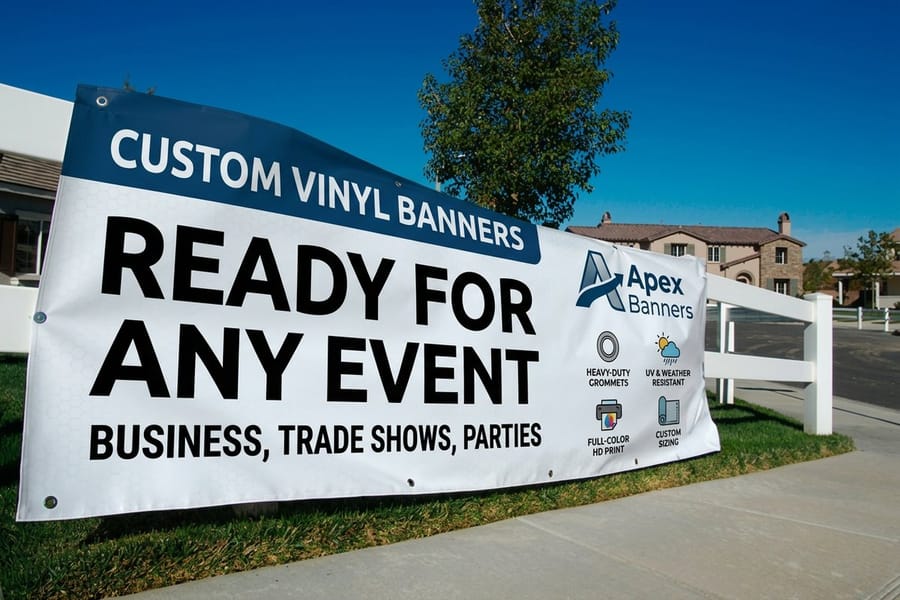
The honest case for a broker is stronger than direct printers usually admit, and narrower than brokers do.
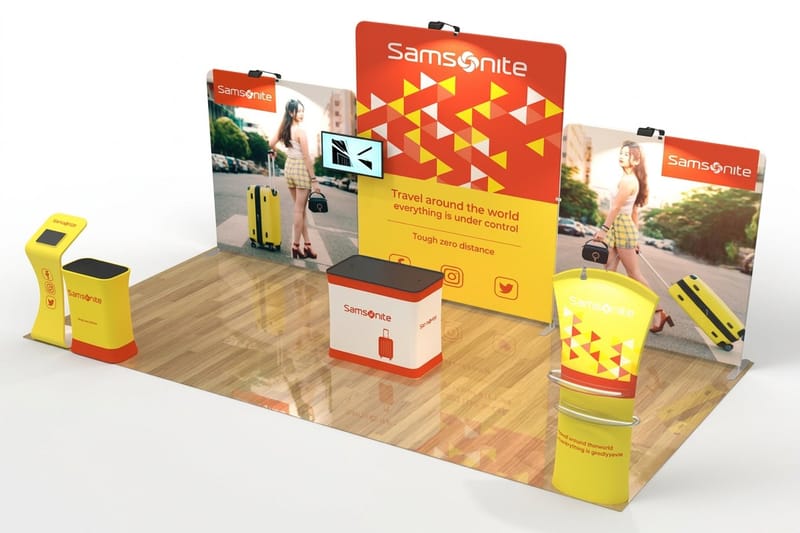
A broker earns the margin when coordination is the hard part. A trade-show package that needs banners, booth graphics, apparel, and giveaways from four different specialty vendors, landing in one city on one date, is a genuine project-management job. So is a process obscure enough that finding a press that runs it well is itself the work. A good broker also carries vendor risk: if the press ruins the run, chasing the reprint is their problem.
The fee buys nothing when the job is standard. Cards, flyers, postcards, brochures, and banners are exactly what modern direct printers automated the ordering of. There is no vendor to hunt, no schedule to reconcile, nothing to coordinate. What the margin buys instead is a slower answer to every question, because each proof comment makes a round trip through a middleman.
There is a quieter cost worth naming. The broker owns the relationship with the press, so if they retire or you fall out, you may not know who has been printing your work, or who holds your print-ready files. Buying direct keeps your files, your reorder history, and your saved specs in your own account.
Print Broker, Trade Printer, and Direct Online Printer Compared
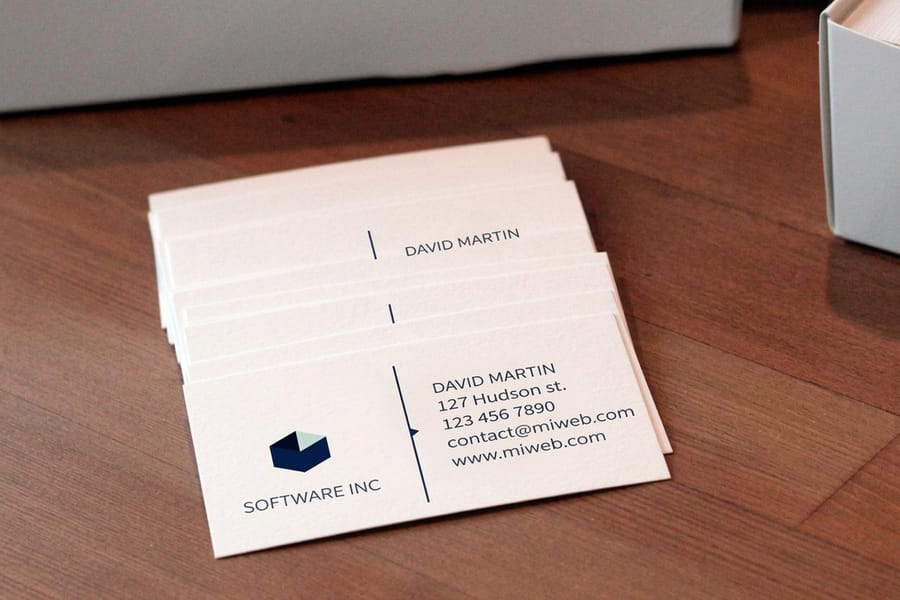
Three business models sell you the same sheet of paper. The differences are who they serve, how the price is built, and how many hands the job passes through.
| Model | Who they serve | How the price is built | Where it fits |
|---|---|---|---|
| Print broker | Anyone, usually businesses without a print buyer on staff. | Trade price plus a margin the broker sets, shown as one number. | Multi-vendor projects and obscure processes where coordination is the real work. |
| Trade printer | Resellers only in the classic model: brokers, designers, small shops. | Wholesale pricing, typically unbranded and blind-shipped. | The production layer. As a retail buyer you traditionally could not order here. |
| Direct online printer | Everyone, from a founder ordering one box of cards to a franchise. | Live configurator pricing on the product page, before any margin can stack. | Standard commercial printing: cards, flyers, postcards, brochures, signage. |
4OVER4.COM sits deliberately across the last two rows: our own production in Astoria, New York, sold at direct pricing to anyone. That is why the comparison test is so simple. Take a broker quote, open standard business cards or postcards, match the specs in the configurator, and read the number. The gap between the two figures is the brokerage, and our guide to getting an instant online printing quote walks through the configurator in about a minute.
How to Get Broker-Level Service While Buying Direct

The legitimate things a broker provides, one accountable contact, matched vendors, and a managed schedule, do not require paying a permanent margin. They require a direct printer built to provide them.
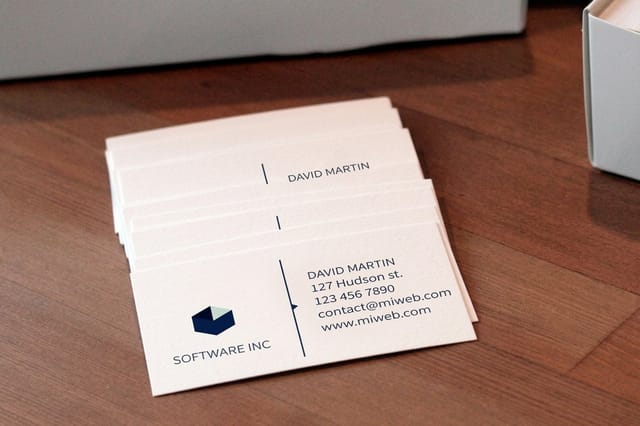
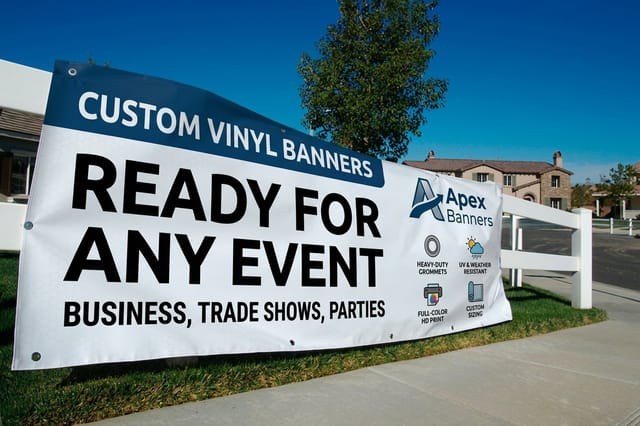
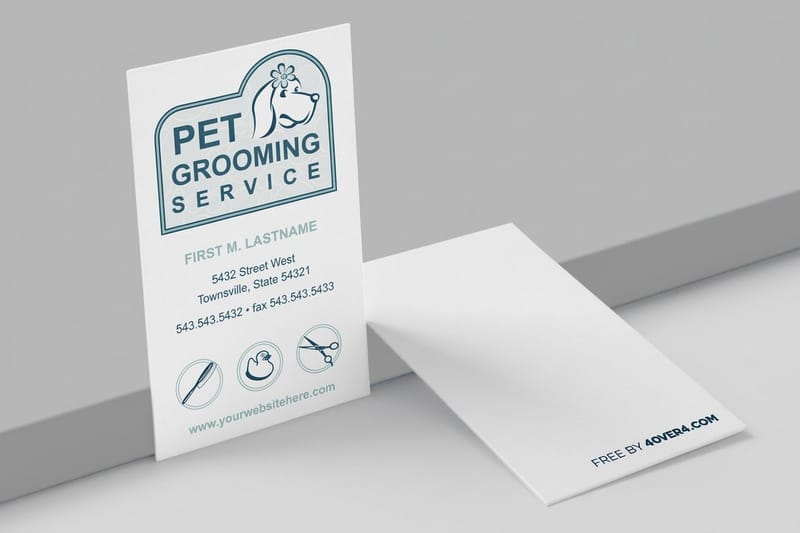
Price transparency comes first. Every 4OVER4.COM product page carries a live configurator: postcards from $16.48, business cards from $17.57, flyers from $39.54, brochures from $57.11, vinyl banners from $79. Change the stock, the size, or the quantity and the price updates in front of you, which is the exact information a broker's single-number invoice hides.
Risk is covered the way a broker covers it, in writing. The Price Match Guarantee applies a competitor's lower advertised price to the same specs, and the quality guarantees put the reprint obligation on us, not on a middleman's goodwill. For a job too unusual for the configurator, an oversized run, an odd substrate, a spec you cannot find, request a custom quote through the configurator's custom size and quantity options and it prices against our own production, not against a hidden third party's.
And before committing a large order, do what no broker will offer unprompted: order free samples and judge the stock with your own hands. The paper does not know who sold it. The invoice is the only place the broker ever appears.
Wally explains the broker markup
Same press, same paper, one extra invoice
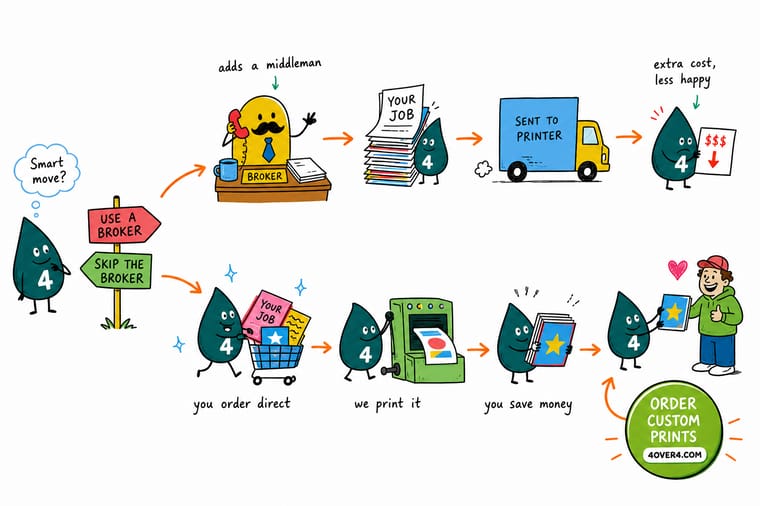
Wally draws the route your job takes through a broker: you hand it over, the broker buys it wholesale from a press you never meet, and the invoice comes back with a margin folded in. Then he draws the direct route: the product page prices your exact specs live, the job runs on our own presses in Astoria, and the reorder costs the same because nobody is standing in the middle. Keep the broker for jobs that need a conductor. For everything standard, Wally just deletes the box.
Price your job in the configurator →Specs and pricing
The numbers a broker builds a margin on
These are live starting prices from the 4OVER4.COM configurator, the wholesale-style baseline a brokerage quote gets stacked on top of. Match your specs and compare.


Print it
Order the everyday products brokers resell, direct

Explore more
Where to go next



By the numbers
Press prices with nobody in between
Common Questions
Your print broker questions, answered
What is a print broker?
A print broker is an intermediary who sells printing without owning printing equipment. The broker takes your order and your files, places the job with a trade printer or several of them, manages proofs and delivery, and charges you the trade price plus a margin. Many small print shops quietly work this way for products their own equipment cannot produce, so you can be dealing with a broker without ever hearing the word.
How does a print broker make money?
By marking up the trade price. The broker buys the job from a trade printer at wholesale, then resells it to you at a higher figure. The size of the markup is the broker's own decision and it varies by job, by product, and by how much coordination the work actually needs. It is rarely itemized on the invoice, which is why comparing a broker's quote against a direct configurator price on the same specs is the only reliable way to see it.
Is a print broker the same as a trade printer?
No, they are opposite ends of the same transaction. A trade printer owns the presses and sells wholesale, traditionally only to resellers rather than to the public. A broker owns no equipment and lives on the difference between the trade price and your price. 4OVER4.COM runs its own production and sells to everyone at direct pricing, which collapses the two roles into one. Our guide to how a wholesale trade printer works covers the wholesale side in detail.
When is using a print broker actually worth it?
When the coordination is genuinely hard. A product launch that needs packaging from one vendor, embroidered apparel from another, signage from a third, and one person accountable for all of it arriving the same week is a real brokerage job. So is a process so unusual that finding the right press is itself the work. A recurring run of business cards, flyers, brochures, or postcards is neither, and paying a permanent margin on it buys you nothing.
How can I tell if my printer is really a broker?
Ask three questions. Where is this physically printed, and can I visit? What happens to my dies, plates, and print-ready files if we part ways? Why did the turnaround quote change after I approved the proof? A printer who runs the job in-house answers all three without blinking. Long pauses, vague answers about "our production partners", and turnaround that shifts with someone else's schedule are the usual tells.
How does direct pricing at 4OVER4.COM compare?
Every product page prices the exact configuration live, before you create an account or upload a file. Standard postcards start at $16.48, standard business cards at $17.57, flyers at $39.54, and vinyl banners at $79. Those are the numbers a broker would build a margin on top of. If you find a lower advertised price for the same specs elsewhere, the Price Match Guarantee applies to it in writing.
Get Started
Business cards run 100 for $17.57 at the press price
Open any product page, match the specs from your last broker quote, and read the configurator number. If you find the same job advertised lower elsewhere, the Price Match Guarantee applies in writing.
Legal Disclaimer
Gold Standard guarantees apply to all standard orders placed through 4over4.com. Price match requires verifiable proof of a competitor's published price for an equivalent product with matching specifications and turnaround time. Satisfaction guarantee covers manufacturing defects and print quality issues. Contact support with order number and documentation. On-time delivery rate based on tracked orders 1999 to 2026. Individual results may vary based on shipping carrier performance.
