
Wedding Invitations vs Menus vs Yard Signs: What To Print and When


Three wedding print jobs, three different counts and three different deadlines. The three differ on quantity, timing, stock and price, and one of them is the first to cut when the budget tightens.
Order invitations by address, menus by seat, and yard signs by turn between the main road and the venue. Invitations print first because they mail six to eight weeks before the date. Menus print last because they wait for the RSVP count. Yard signs are wide-format prints on corrugated plastic, so they run on a separate line and ship separately. Flat wedding invitations start at $19.77, yard signs at $25.00 and wedding menus at $57.11, which is why menus are usually the first line to cut.
Quick answer
Three counts, three clocks, two production lines
The difference that matters is not the design, it is how each piece is counted and when it can be printed. Invitations are counted per address and mail six to eight weeks out. Menus are counted per seat and cannot print until the RSVP deadline passes. Yard signs are counted per turn on the drive in and are made from 4mm corrugated plastic on a wide-format press, so they arrive separately from the paper. Get the counts right and the budget looks after itself.
What Each Piece Is Actually For
These three items sit in the same wedding budget line and do completely different jobs, which is why treating them as one order goes wrong so often.
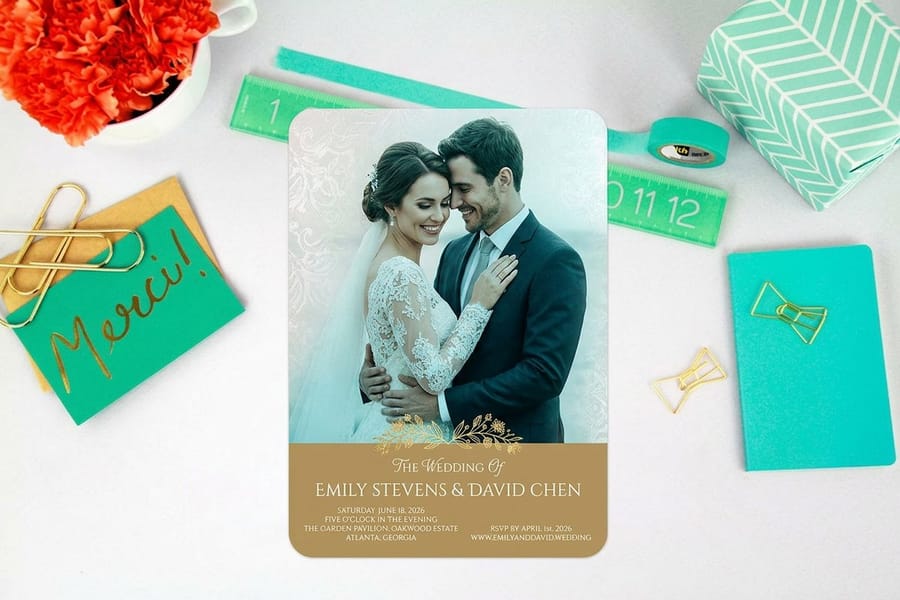
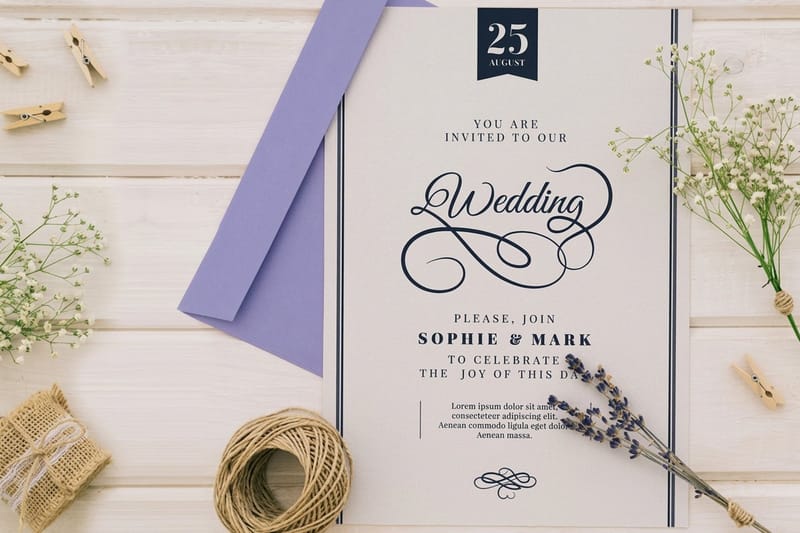
The invitation carries information people act on. Date, time, address, dress code, RSVP deadline. It is the only one of the three that has to reach a guest before the wedding, which means it is the only one bound to postal timing. Wedding invitations start at $19.77 flat, and $38.22 for a folded wedding invitation, which is the single biggest fork in the invitation budget.
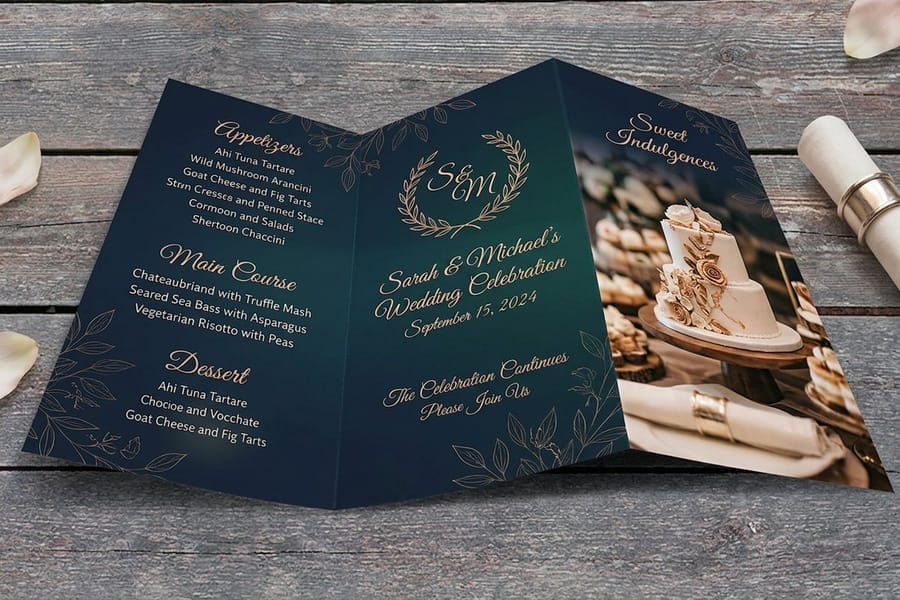
The menu manages the meal. It tells a guest what is coming, flags what they can and cannot eat, and gives the table something to look at during the gap between sitting down and being served. It is printed after the headcount is final. Wedding menus start at $57.11.
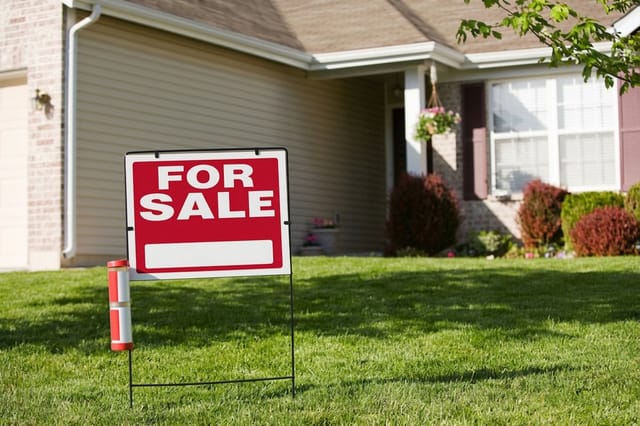
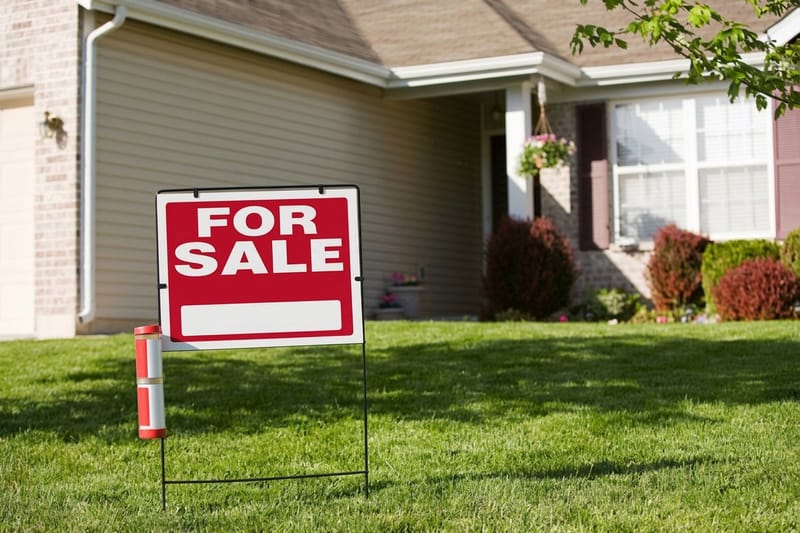
The yard sign solves navigation. It exists for the guest who is late, driving, and looking at a barn gate that looks like the last four barn gates. Yard signs start at $25.00 and are read once, from a car, in under two seconds.
| Piece | What you count | When it prints | What it is printed on | Starts at |
|---|---|---|---|---|
| Invitations | Addresses, plus 20 to 25 spare sets | Two to three months out, mails 6 to 8 weeks out | Heavy card stock, flat or folded, with envelopes | $19.77 flat |
| Menus | Seats at the tables | After the RSVP deadline, 2 to 4 weeks out | Card stock, 4 x 9 or 5.5 x 8.5 inches | $57.11 |
| Yard signs | Turns between the main road and the venue | Last month, after you drive the route | 4mm corrugated plastic with H-stakes | $25.00 |
Read the second column twice. Nearly every over-order we see on a wedding job comes from someone counting all three by guest head. A hundred and twenty guests is roughly seventy addresses, a hundred and twenty seats, and about four turns.
The Three Counting Rules That Decide the Bill
Quantity, not stock choice, is where wedding print money is won and lost. Each of the three has its own rule and none of them is the guest list.
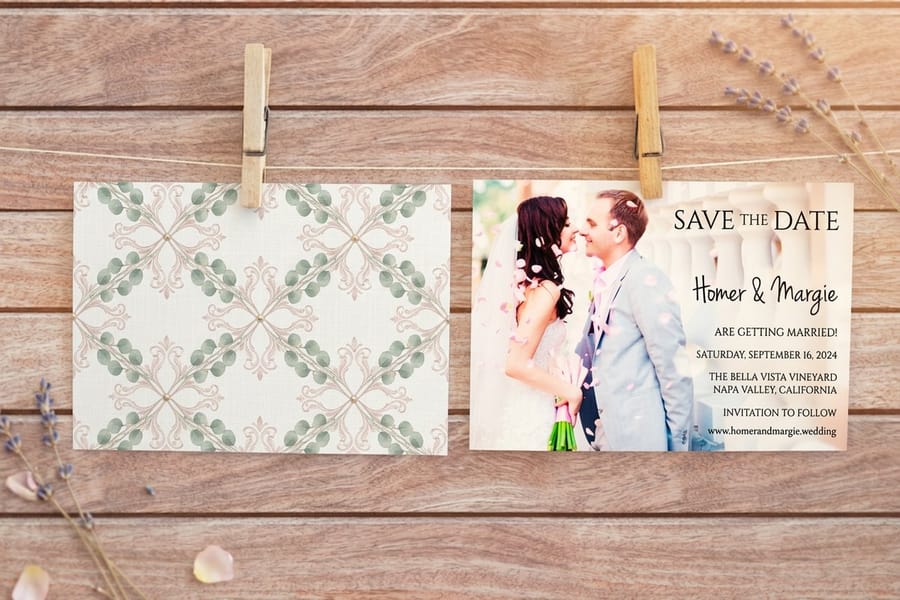
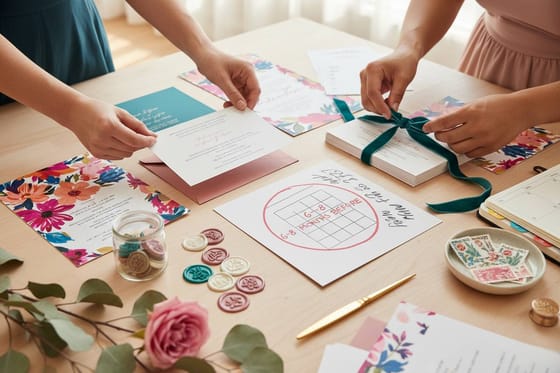
Invitations: count envelopes. One per household. A couple living together gets one. A family gets one. Single guests each get their own, and so does every guest with a plus one who lives elsewhere. Then order 20 to 25 spare sets, and let most of that spare be envelopes, because addressing by hand or by calligrapher wastes envelopes at a rate that surprises everyone the first time. Reprinting twenty invitations later costs several times what including them in the first run costs, since the setup is paid either way. The same number applies to RSVP cards, which travel inside the invitation and are counted per envelope, never per guest. The full breakdown is in how much wedding invitations cost.
Menus: count seats, then decide on sharing. One per seat is the default and the safest choice. One per two seats works only on long rectangular tables where both people can read the same card without picking it up, and it never works on a round ten-top. If anyone in the room has an allergy, print per seat, because a shared menu at the far end of the table is not a menu at all.
Yard signs: count decision points. Drive the route from the nearest main road. Every place you had to think about which way to go is one sign. Add one at the venue entrance and one at the parking area, and order one spare because a stake in stony ground can snap. Four to six signs covers most venues. A hotel with a lobby board and a doorman needs none.
If you are also printing save the date cards, they follow the invitation rule exactly, one per address, and go out six to eight months ahead. The save the dates guide covers the wording and timing.
Stock, Weather and the Type Size Trap
Two of these are paper jobs and one is not, and that changes everything from turnaround to typography.
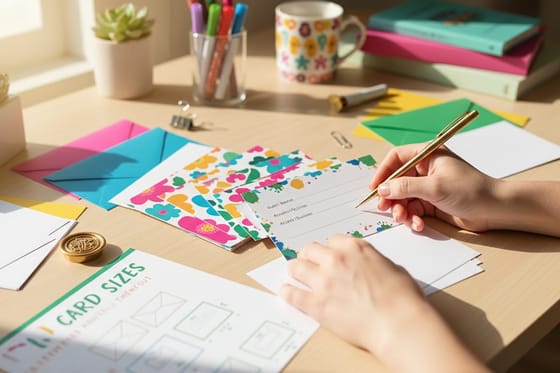
Invitations want weight in the hand, which is why heavy card is the standard rather than text stock. A folded invitation on light paper feels apologetic when it is pulled out of the envelope. Wedding menus want enough body to stand up to a spill and a folded napkin landing on them, but they are read for about a minute and then abandoned on the table, so there is no case for the heaviest stock in the catalog. Sizing is the bigger decision: 4 by 9 inches keeps the place setting clear, 5.5 by 8.5 gives room for a tasting menu or a wine column, and either one becomes a nuisance if it overlaps the cutlery. The same trade-off in a restaurant context is covered in common restaurant menu sizes.
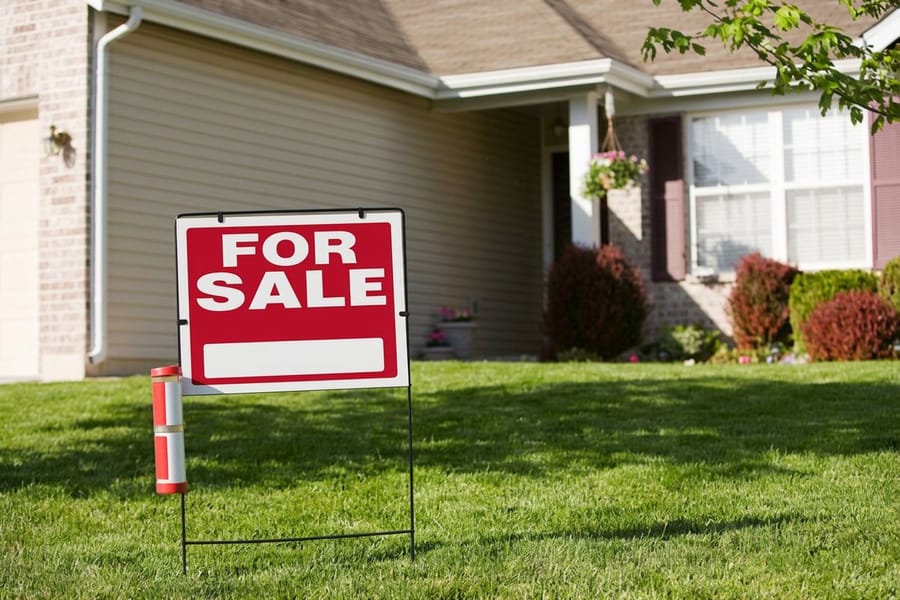
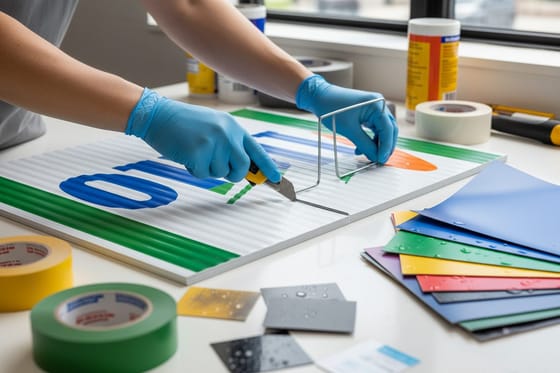
Yard signs are 4mm corrugated plastic printed wide format. Water is not the problem, since plastic does not absorb it. Wind and mounting are. The flutes have to run vertically so the two legs of an H-stake slide inside them, and a sheet cut with horizontal flutes cannot be staked at all. On soft ground one stake is fine. On dry or stony ground, use two and lean the sign slightly back into the wind. Which materials last outdoors compares coroplast against aluminum and PVC if the signs need to stay up for weeks.
Then the type. An invitation is read at about fourteen inches, where 10 to 12 point type is comfortable and a script face is a pleasure. A driveway sign is read from a moving car at twenty to thirty feet, which needs roughly one inch of cap height per ten feet of distance, so two to three inch caps. That leaves room for about three words and an arrow. Carry the palette and the monogram across, then throw the layout away and set the sign in a heavy sans serif. Start from a correctly sized layout in the blank template library rather than scaling the invitation file up.
The Verdict: What To Print, In What Order
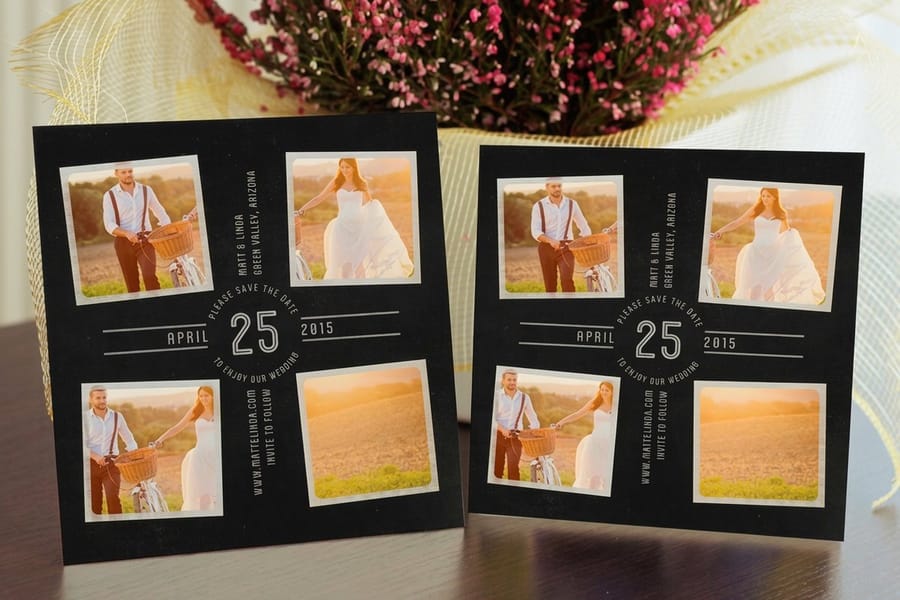
Print the invitations first and print them properly. They are the only piece with a hard postal deadline, the only piece guests keep, and the only one whose mistakes cannot be fixed on the day. Order them two to three months out so there is room for a proof round, and check the RSVP deadline against your caterer's cutoff before approving anything. When to send wedding invitations sets the calendar.
Print yard signs second if guests are driving to anywhere without a clear street address. Four to six signs at $25.00 to start is the cheapest problem-solving in the whole budget, and it removes the phone calls that arrive while you are being photographed. Skip them entirely for a hotel, a city venue, or anywhere with a staffed entrance.
Print menus last, and only after the seat count is locked. They are the nicest of the three to hold and the first to cut. If the budget is tight, one large printed card on an easel at the entrance carries the same information for the cost of a single sign.
One scheduling note that catches people out: paper and wide-format are separate production lines, so invitations, menus and signs do not arrive in one box or on one date. Order the paper pieces together if you want them on the same stock and in the same colors, then order the signs on their own timeline. Everything for the day sits in the wedding printing collection, with invitations printing, menus printing and yard signs printing each holding the size and stock options. If you are also doing ceremony programs, wedding program wording covers the copy.
Wally counts the wedding order
Addresses, seats, turns. Never guests.
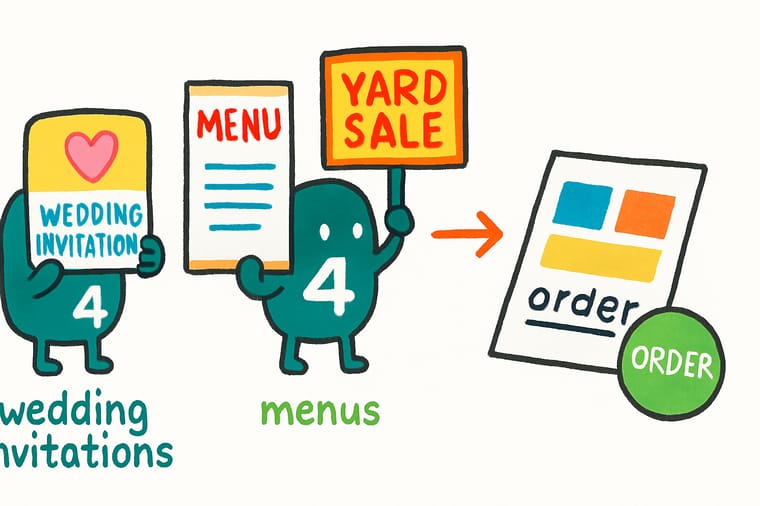
Wally counts invitations by envelope, so one household gets one invitation no matter how many people live there. He counts menus by seat, because a shared menu at the end of a round table is nobody's menu. He counts yard signs by turn, driving the route from the main road and planting one wherever he had to think. Then he adds spare envelopes, because addressing by hand ruins more envelopes than anything else on a wedding job.
Order wedding invitations →Specs and pricing
Sizes, stocks and starting prices, side by side
The live configuration options for all three pieces, with starting prices straight from the 4OVER4.COM configurator.


Print it
Order the pieces your wedding actually needs

Explore more
Where to go next
By the numbers
Wedding printing you can plan around at 4OVER4
Common Questions
Your wedding print questions, answered
Do I need all three, or can I skip one?
Invitations are the only piece nobody skips, because they carry the date, the address and the RSVP instruction. Yard signs are worth it when guests drive to a venue with an unmarked entrance, a shared driveway or a rural turn. Menus are the most skippable of the three: one printed menu per seat is a lovely touch, but a single large card at the entrance or a chalkboard listing the courses does the same job for far less. If the budget only stretches to two, print invitations and yard signs when guests are driving, invitations and menus when they are not.
How many wedding invitations should I order?
Count addresses, not people. A married couple at one address gets one invitation, and so does a family of four. Then add spares. Twenty to twenty five extra sets is the usual insurance, and most of that spare goes on envelopes rather than cards, because addressing by hand ruins more envelopes than anything else in the process. A reprint of twenty invitations costs far more per piece than including them in the first run, so the spare is cheap. Our guide to how much wedding invitations cost breaks the per-piece maths down.
When should each piece be printed?
Work backwards from the date. Invitations mail six to eight weeks out for a local wedding and about three months out for a destination wedding, so allow another two to three weeks before that for proofing, printing and addressing. Menus print after the RSVP deadline, which is usually two to four weeks before the wedding, because the seat count is the whole point. Yard signs can be ordered any time in the last month, but order them after you have driven the route yourself, not before.
What size should a wedding menu be?
The common wedding sizes are 4 by 9 inches and 5.5 by 8.5 inches. The narrow 4 by 9 sits well on a place setting without crowding the charger plate, while 5.5 by 8.5 gives room for a longer tasting menu or a wine pairing column. Measure the plate and the space between it and the glassware before you commit, because a menu that overlaps the cutlery gets moved by the staff during service. Restaurant menu sizing follows the same logic on a bigger table.
Will yard signs survive rain and wind?
Coroplast handles rain without trouble because the plastic does not absorb water, and the print is UV cured on the surface. Wind is the real enemy. The flutes in the corrugated plastic must run vertically so the two legs of an H-stake slide inside them, and a sign cut with horizontal flutes will not mount properly at all. Two stakes on an 18 by 24 sign hold better than one in open ground, and pushing the stake in at a slight backward lean stops the sign pivoting in a gust.
Can the invitation design be reused on the yard sign?
The colors and the motif can carry across. The layout cannot. An invitation is read from about fourteen inches away, so 10 to 12 point type is comfortable and a script face works. A yard sign at a driveway is read from a car at twenty to thirty feet, which needs cap heights of two to three inches and leaves room for roughly three words plus an arrow. Take the palette and the monogram, drop the script and the small print, and set the sign in a heavy sans serif.
Get Started
Invitations 25 for $19.77, menus 50 for $57.11
Set the invitations going first, add the signs when you know the route, and print the menus the day the RSVP deadline passes.
Legal Disclaimer
Gold Standard guarantees apply to all standard orders placed through 4over4.com. Price match requires verifiable proof of a competitor's published price for an equivalent product with matching specifications and turnaround time. Satisfaction guarantee covers manufacturing defects and print quality issues. Contact support with order number and documentation. On-time delivery rate based on tracked orders 1999 to 2026. Individual results may vary based on shipping carrier performance.
