
How to Turn Your Expertise Into $5,000 Workshop Days


Who holds a budget that size, how to shape a day worth it, what to charge, and how to run the room so the client books a second date.
A $5,000 workshop day means one organization paying one fee for one day, so the money comes from a training budget rather than from individuals buying seats. You get there by narrowing the promise to a single outcome the room can hold at the end of the day, capping the group at around sixteen so practice and feedback stay real, and running the session with materials that make the fee look like a program instead of a talk.
Quick answer
One buyer, one outcome, one day you can repeat
The fee is not a reward for knowing more, it is what an organization pays to change what its people can do by four o'clock. Sell to a budget holder rather than to individuals, promise one outcome the room leaves holding, cap the group at roughly sixteen so you can watch everyone practice, and quote the day rate with travel and materials billed separately. Then repeat the same day for the next client instead of building a new one, because the build time is what makes the first delivery your least profitable.
Who Actually Pays $5,000 for a Day
Run the arithmetic both ways and the whole strategy falls out of it. Price a public seat at $400 and you need thirteen strangers to say yes, pay, and turn up, which means marketing, a booking page, refunds, and a room you booked before you knew the count. Sell the same day privately and you need one signature from somebody who already has a training budget and a team with a problem.
That is the real reason the number works. You are not charging more for the same day, you are selling to a buyer whose money is already allocated. Human resources, sales leadership, operations and professional bodies all hold budget lines for development, and a $5,000 line item does not need an executive committee.
The cost is patience. A private day goes through a first conversation, a short proposal, a budget holder, then vendor onboarding, and the delivery date is often two months past the handshake. A public seat sells in ten minutes. If your cash flow cannot survive that gap, keep running public sessions while the private pipeline fills, and treat the public room as the audition that fills it.
Be honest about fit as well. Expertise that helps individuals privately, hobbies, personal finance, fitness, rarely reaches $5,000 a day because no organization is on the hook for the outcome. Expertise that changes how a team performs at work reaches it easily. If you are still testing which side you are on, our guide on how to make a business pitch that wins clients is the faster place to start.
Build the Offer Before You Build a Single Slide
Write the last line of the day first. What can every person in the room do at four o'clock that they could not do at nine? Say it as a thing they hold, not a subject they heard. Each manager leaves with a written ninety day hiring plan for their own team. Every rep leaves with their top ten accounts scored and a call booked on two of them. That sentence is the product, and it is what the buyer repeats to their own boss.
Then build four blocks of about seventy five minutes, and keep every stretch of pure teaching under twenty minutes. Adults stop absorbing a monologue long before that, and a room that has been listening for an hour is a room that will not practice. Between the blocks sit the exercises where the work actually gets done, which is also where the day becomes hard to compare with a webinar.
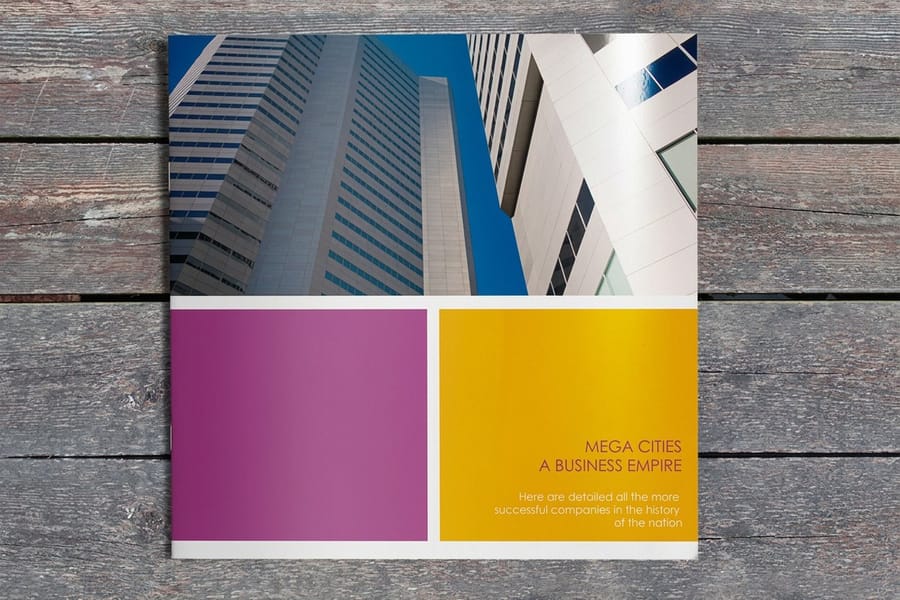
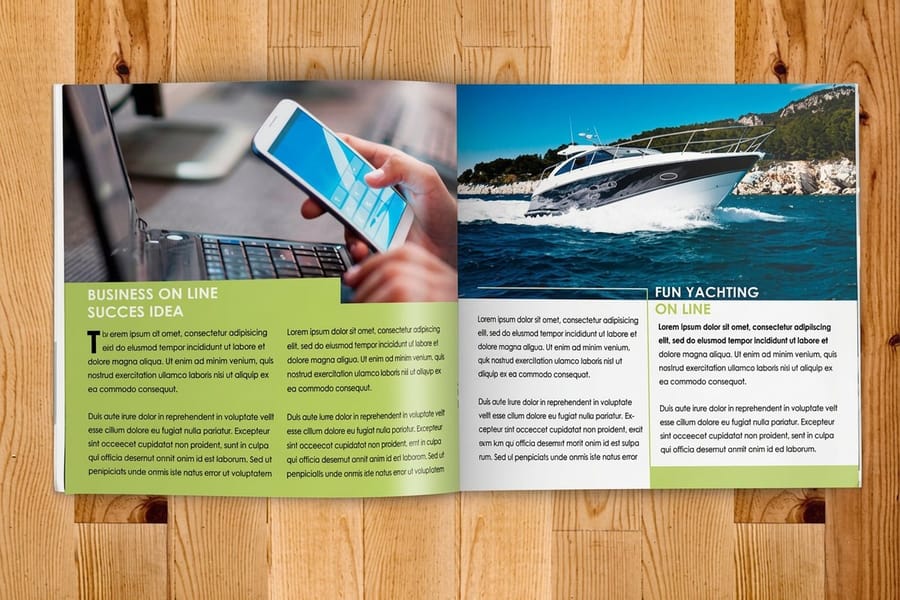
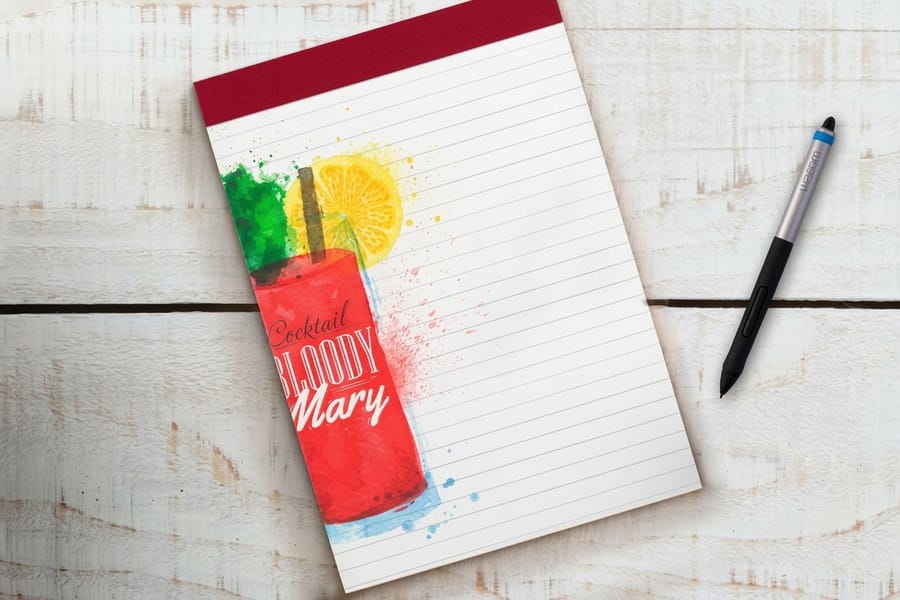
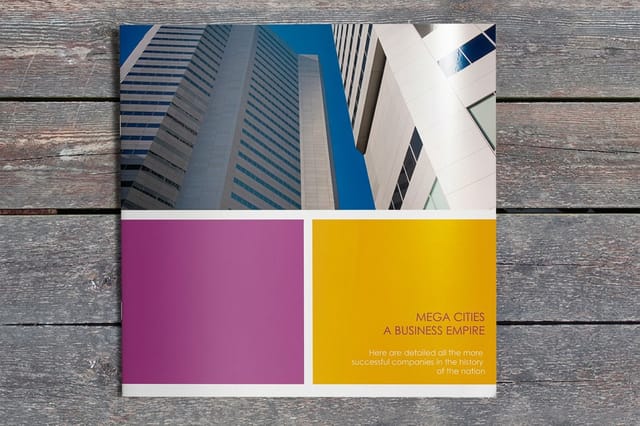
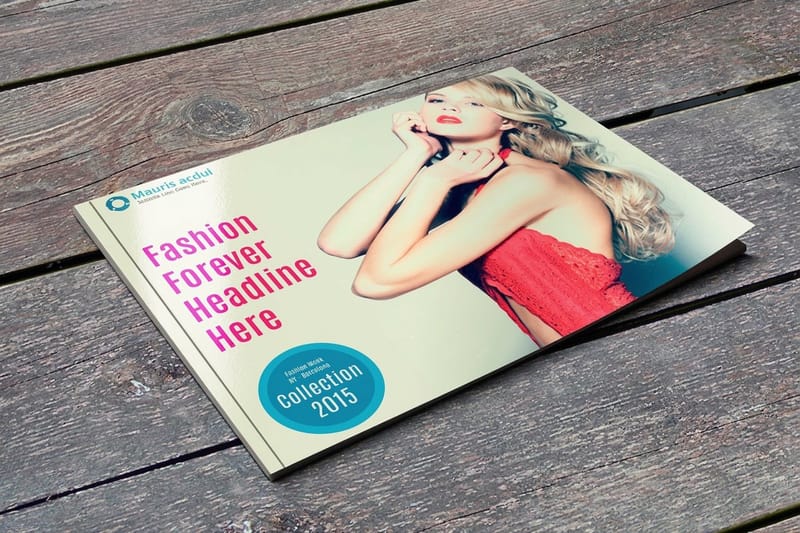
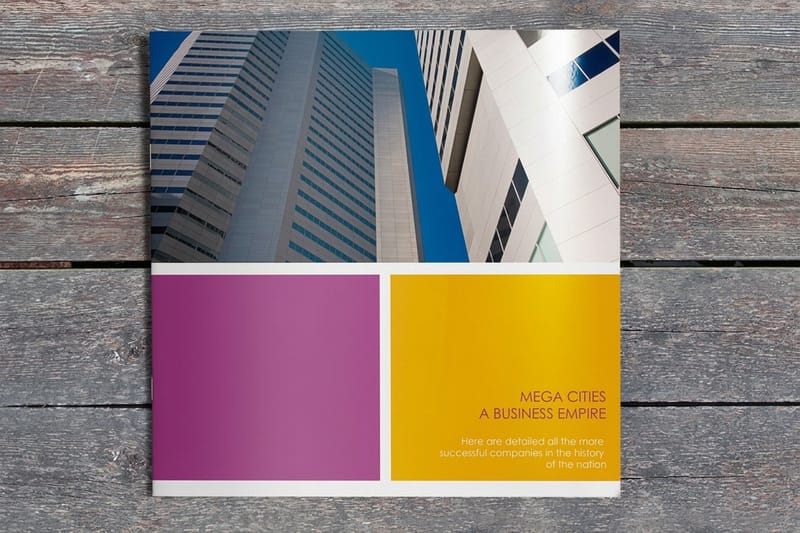
Give the work somewhere to live. A printed workbook with the exercises laid out page by page turns a day of talking into a document the client can audit, and it stays on a desk long after your slides are closed. Standard Booklets start at $240.55 at 4OVER4.COM, which covers a real run rather than a handful of copies, so print it once the exercises have stopped moving. Saddle stitching handles most workbooks up to around forty eight pages, and booklet binding methods explains what to do above that. Put notepads from $93.37 on the tables for the thinking that happens outside the book.
One limit worth respecting: do not print the workbook for the first delivery. The first two runs will change your exercises more than any amount of planning, and a box of obsolete books is an expensive way to learn that.
Price It So You Can Say the Number Without Flinching
Start from how many days you can genuinely deliver. A teaching day is not a work day. Most people who do this well teach two days a week at most, because the third day has no energy left in it and somebody still has to sell, prepare and invoice. Multiply your real delivery days by the fee and you have your ceiling. If that ceiling is not a living, the answer is a higher fee or a repeatable day, never more days.
Quote the fee for the day and bill expenses separately: travel, room hire, catering and print at cost. Clients accept this readily because it matches how they buy every other service, and it stops a long flight quietly eating your margin. Materials belong in that line too, which keeps the workbook decision theirs rather than a cost you absorb.
| Model | Who pays | Lead time | What it is good for |
|---|---|---|---|
| Private day | One organization, one invoice | Weeks, sometimes months | The reliable $5,000 unit. Highest fee, slowest yes, repeat business built in. |
| Public seats | Individuals and their employers | Days to a few weeks | Cash now, testimonials, photos and video. Your shop window for private work. |
| Licensed materials | A company that trains its own staff | Longest of the three | Income without you in the room, but you lose control of delivery quality. |
When a buyer pushes on price, move the scope rather than the number. A half day, a smaller group, or the same day without the custom pre work and printed workbook are all honest answers. A discount is not, because the renewal conversation starts from whatever figure you said last. The one exception is a genuine multi date booking, where your selling cost per day really does fall, the same logic behind how print price breaks work.
Fill the Room Without a Marketing Budget
The first three clients come from people who have already seen you do the work. Former colleagues, past clients, the association that once had you speak. None of them need convincing that you know the subject, which removes the slowest part of the sale. Make the ask specific: a date, a group, an outcome, a fee. Vague availability gets vague answers.
After that, run one public session a quarter and treat it as production, not revenue. Price the seats to fill the room, film two short segments, collect written feedback on the day while people are still warm, and photograph the room with people working in it. Those assets do the persuading in every private proposal you send for the next year.
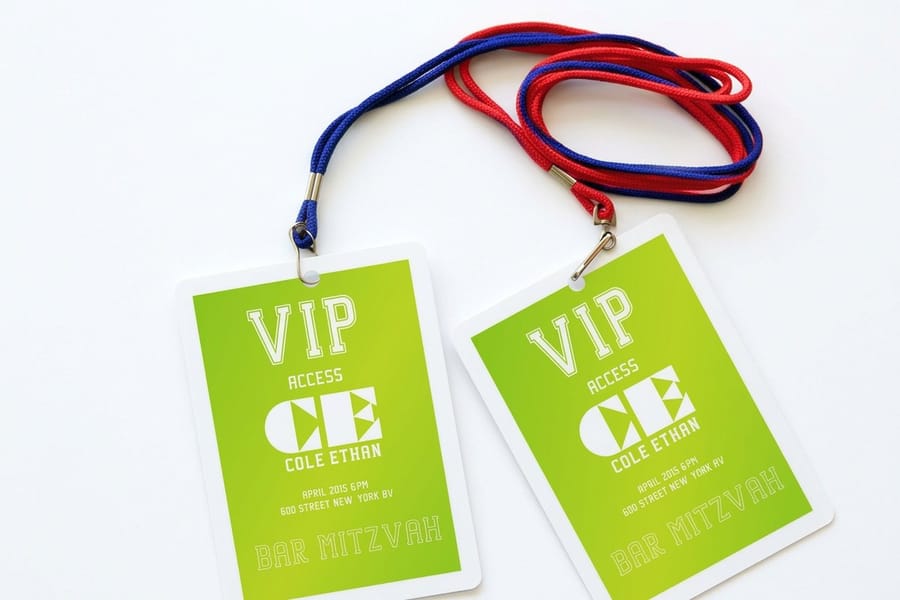
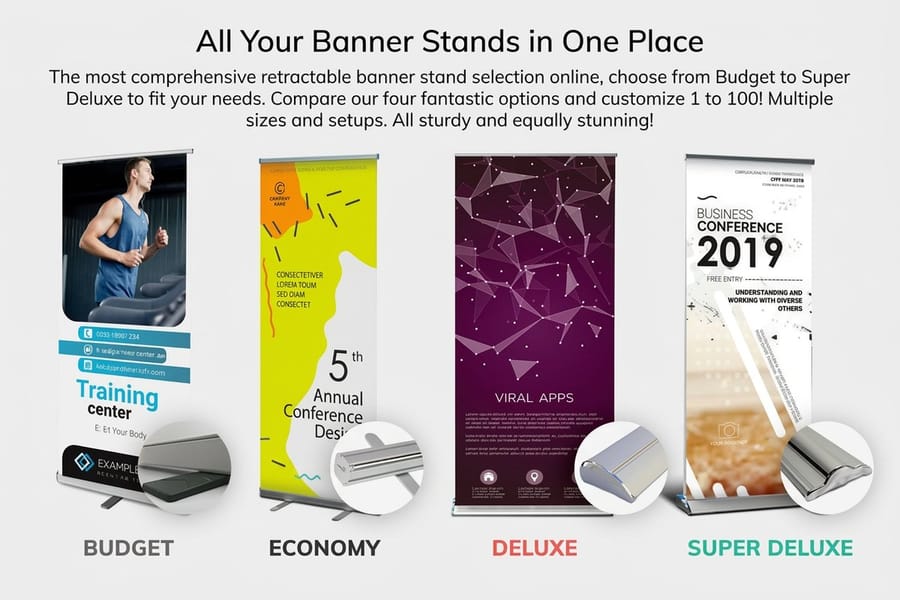
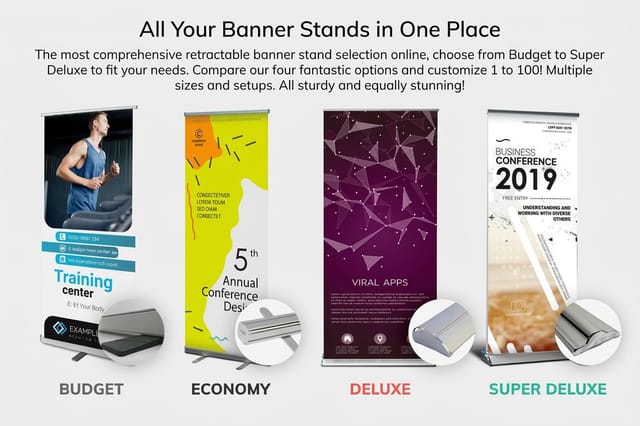
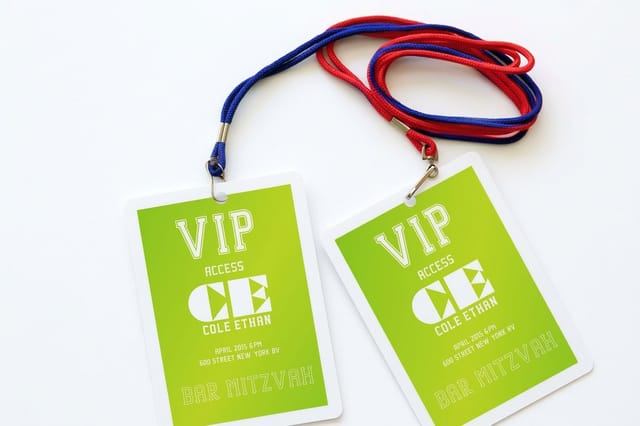
Keep the physical kit small and reusable. A retractable banner stand from $139 is the one piece worth owning if you run three or more public sessions a year, since it travels in a tube and carries no event date to make it obsolete. Below that frequency, skip it and spend the money on the workbook. Event badges from $49.88 matter more than people expect, because first names printed large enough to read across a table are what get strangers talking during the first exercise. Keep standard business cards from $17.57 in your pocket for the conversations that happen at the coffee break, and see the event printing checklist before you order anything for a room you are hosting.
Run the Day So They Book the Next One
The first twenty minutes decide everything. Go around the room and have each person name the one thing they need by four o'clock. Write those on a visible sheet and cross them off as the day covers them. It costs a quarter of an hour, it tells you which parts of your material matter to this particular group, and it gives the closing hour a scoreboard that the buyer can see.
Build the agenda against attention rather than the clock. The stretch after lunch is the flattest part of any workshop day, so put the hands on build there, the block where people write in the workbook and you circulate between tables. New theory delivered at two in the afternoon is theory nobody keeps. Save the sharpest teaching for late morning, when the room is at its highest and still fresh.
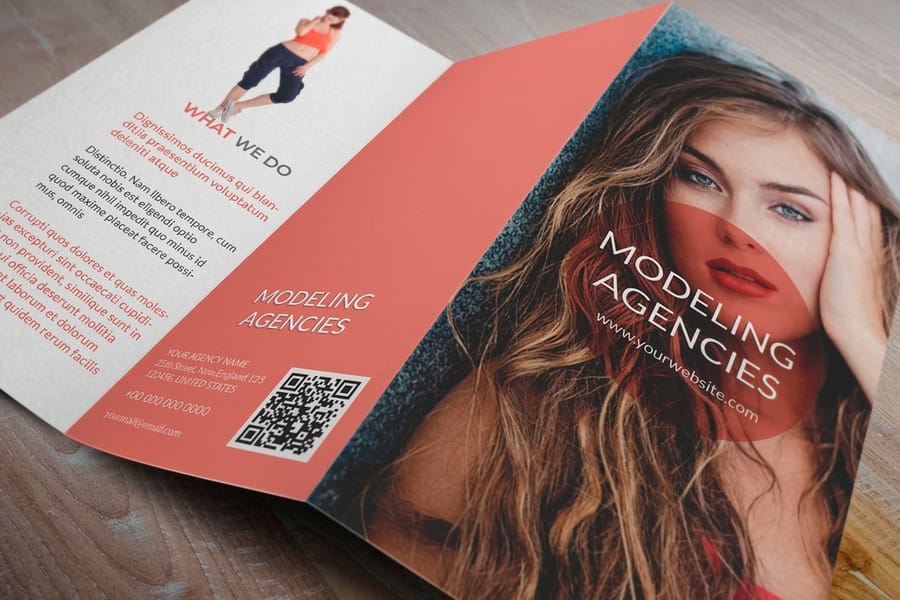
Close with commitment on paper. The final page of the workbook should be what each person will do in the next thirty days, written in their handwriting, with a date. Then book the follow up before you leave the building, ideally a short call three or four weeks out. That call is where the second day gets sold, while the workbook is still on their desk and the plan is still being worked. If you are handing anything else out, a simple leave behind such as a printed brochure from $57.11 does more than a business card, and how to design event programs covers the layout of the run sheet people carry through the day.
The rest of the room kit is small and worth doing properly. Browse marketing materials for the pieces that follow a workshop into the client's office, and the workshop day product picks put the whole kit in one list with current prices.
Wally explains the $5,000 day
One buyer, sixteen chairs, one thing they leave holding
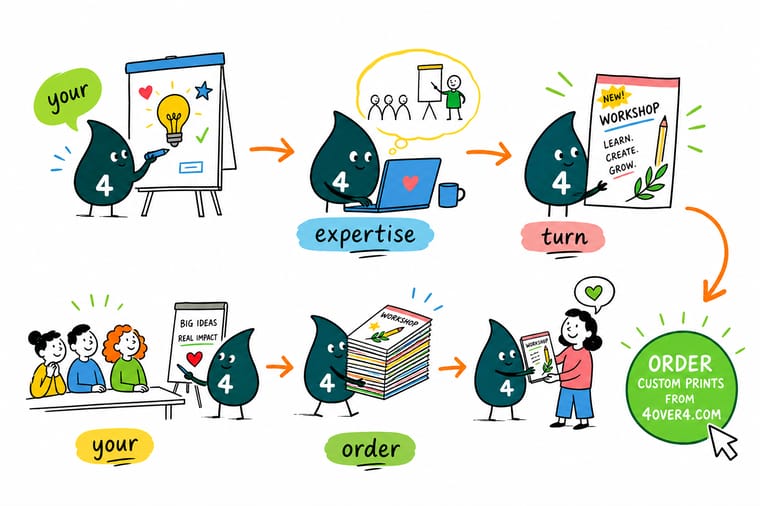
Wally does not sell a subject, he sells the sentence at the end: by four o'clock every person in this room has written their own plan. He caps the group at sixteen so he can read what everybody wrote, puts the hands on block in the flat hour after lunch, and hands out a printed workbook so the work stays on the desk long after he has gone home. That book is what the client points at when they decide to book him again.
Print your workshop workbook →Specs and pricing
The workshop room kit, sizes and starting prices
Workbook, table notepads and attendee badges, with live configuration choices and starting prices straight from the 4OVER4.COM configurator.



Print it
Order the pieces a paid workshop day needs
Explore more
Where to go next



By the numbers
Badges, notepads and workbooks for a training day
Common Questions
Your workshop day questions, answered
How long does it take to sell the first $5,000 workshop day?
Longer than most people plan for, because the money sits inside an organization rather than a person. A private day usually needs a first conversation, a one page proposal, a second call with whoever owns the budget, then vendor paperwork before a date is confirmed. Several weeks is normal, and the calendar slot you agree on is often another month or two out. That is why the first three sales almost always come from people who have already watched you work, since they skip the trust building part entirely.
Should I charge per person or per day?
Per day for private clients, per seat only for public sessions you run yourself. A day rate protects you when the client quietly grows the group from ten people to twenty two, because your fee no longer depends on the count and your only job is to hold the cap. Per seat pricing makes sense when you own the room, own the marketing and want a low risk shop window that produces testimonials and photos. Many people run both: public seats to be seen, private days to be paid.
What should I do when a client asks for a discount on a second date?
Cut the scope instead of the fee. Dropping the number sets the ceiling for every renewal, and the buyer remembers the lower figure forever. Offer a half day at a genuinely lower price, a smaller group, or the same day without the custom pre work and the printed workbook. If they book three or more dates at once, a modest multi date rate is fair, because the sales cost per day genuinely falls.
How many people can I run in a single workshop day?
Sixteen is the practical ceiling for a day that involves practice and feedback, and twelve is more comfortable. Past that you can still present, but you cannot circulate through four table groups, read what they wrote, and correct the work before the day ends. If a client insists on thirty, either bring a second facilitator or convert the format to a talk with one exercise and price it as a different product, because it is a different product.
Do I really need a printed workbook, or is a PDF enough?
A PDF is enough for the first two runs, and it is the sensible choice while the exercises are still changing. After that, print it. People write differently on paper, the book sits on the desk for weeks afterwards, and a bound workbook makes the fee look like a program rather than a talk. Saddle stitched booklets work well up to roughly forty eight pages, and beyond that you want a different binding, which our guide to booklet binding methods covers in detail.
What paperwork do corporate clients ask for before they can pay?
Expect a vendor onboarding form, a W-9 in the United States, and often a certificate of insurance naming the client as additional insured. Larger organizations issue a purchase order, and their accounts payable system will not release money against an invoice that does not quote that PO number. None of it is difficult, but every item takes days to move through somebody else's queue, so start the paperwork the moment the date is agreed rather than the week before you deliver.
Get Started
Event badges run 25 for $49.88, notepads 25 for $93.37
Print the workbook people write in, the badges that get strangers talking, and the banner that travels to every public session you run.
Legal Disclaimer
Gold Standard guarantees apply to all standard orders placed through 4over4.com. Price match requires verifiable proof of a competitor's published price for an equivalent product with matching specifications and turnaround time. Satisfaction guarantee covers manufacturing defects and print quality issues. Contact support with order number and documentation. On-time delivery rate based on tracked orders 1999 to 2026. Individual results may vary based on shipping carrier performance.
