
The Power of TikTok Shop and How Small Brands Actually Sell On It


A practical read on what the channel is good at, what it costs once the fees stack up, and the operational work that decides whether the feed keeps sending you buyers.
TikTok Shop is a storefront inside TikTok where the buyer sees a product in a video and checks out without leaving the app, which makes it a demand creation channel rather than a demand capture one. That is its power: it sells to people who were not shopping. The cost is that the platform owns the customer, the fees stack with creator commissions, and shipping performance is scored per order and controls how much reach your listings get.
Quick answer
A feed that creates demand, and a clock that decides your reach
TikTok Shop puts a buy button on entertainment, so it reaches people with no purchase intent at all. One product listing sells through four surfaces: in-feed video, LIVE, your profile showcase and the Shop tab, and only the last one behaves like search. Creator affiliates supply the audience you do not have, at a commission that sits on top of the platform fee. What limits most sellers is not marketing but operations, because dispatch speed, cancellations and ratings are scored order by order and govern how often your listings get shown again.
Why TikTok Shop Sells to People Who Were Not Shopping
Every other sales channel you have used waits for intent. Someone types a query into Google, or opens Amazon with a purchase already half decided, and your job is to be the best answer. TikTok Shop inverts that. The buyer opened the app to be entertained, saw your product being used by a stranger, and bought it in the same scroll.
That inversion changes what a good product is. A technically superior item that needs a spec comparison performs badly, because the format gives you seconds. A modest item with a visible result performs well, because the video does the persuading before the price is even read. If you cannot show the product working in a single unbroken shot, the channel will fight you, and no amount of ad spend fixes it.
The second consequence is that content is the inventory. A listing sitting quietly in the Shop tab sells almost nothing. Sellers who do well post constantly and cheaply, in kitchens and stockrooms, with a phone. Polish is not the variable that moves sales here, and a studio shoot that produces four beautiful clips will lose to a seller who posted forty rough ones. The polished assets still matter, just further down the funnel, which is why the product photos on the listing itself deserve real attention even when the videos do not.
One Listing, Four Places It Can Sell
Sellers often think of TikTok Shop as one thing. It is one product record shown through four different surfaces, and each surface rewards something different. Knowing which is which stops you from optimising for the wrong one.
| Surface | How a buyer arrives | What it rewards | Effort per sale |
|---|---|---|---|
| In-feed video | Product link attached to a clip served by the algorithm. | Volume of posts and a product that demonstrates fast. | Low per post, high in total. This is the engine. |
| LIVE session | Products pinned while you talk, demo and answer questions. | Hours on camera and stock depth for the spikes. | Very high, but the conversion rate is the best of the four. |
| Profile showcase | A viewer taps your handle and browses your storefront tab. | A tidy catalog and consistent product imagery. | Near zero once built. It converts warmed traffic only. |
| Shop tab | Browsing and keyword search inside the shopping tab. | Accurate titles, correct category, review count and rating. | Low, and it is the only surface where keywords do work. |
Read the last column before the first. Most new sellers spend their first month rewriting titles for the Shop tab, which is the smallest of the four doors, then wonder why nothing moved. The order that works is the opposite: post video until something lands, let the reviews accumulate, and tidy the listing text once there is traffic worth optimising. The same principle that governs any ecommerce store build applies here, in a much shorter timescale.
What Arrives in the Box Is Your Next Video
The channel has one structural problem: the customer is TikTok's, not yours. You get an order and a shipping address. You do not get an email list, a retargeting audience, or any way to reach that buyer again except the parcel you are about to send. So the parcel has to do two jobs it never had to do on your own site. It has to be worth filming, and it has to give the buyer a reason to come back to you directly.
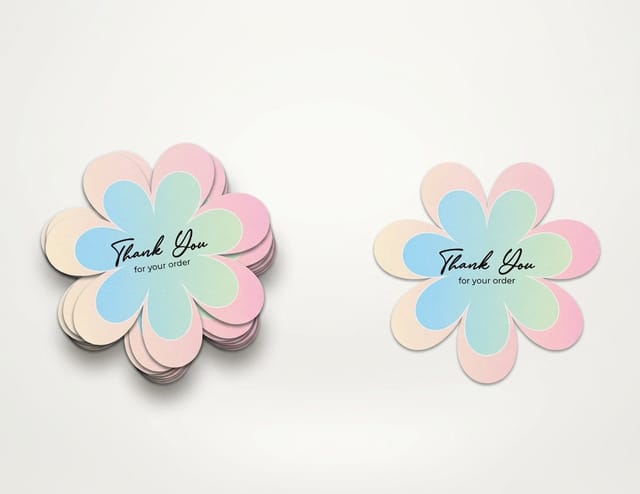
Filming first. Buyers who found you through video open the box the same way, and a plain mailer gives them nothing to do on camera. One die cut sticker sealing tissue paper creates a moment of resistance and a small reveal, which is why sellers keep using them long after they stop being novel. Die cut stickers start at $93.37, and they double as the thing buyers stick on a laptop, so the brand keeps working after the box is in the recycling.
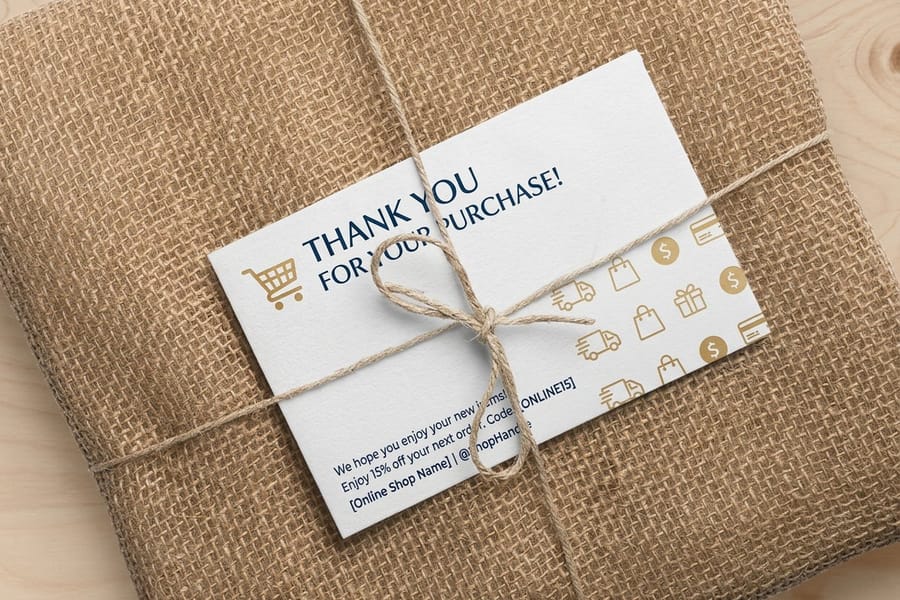
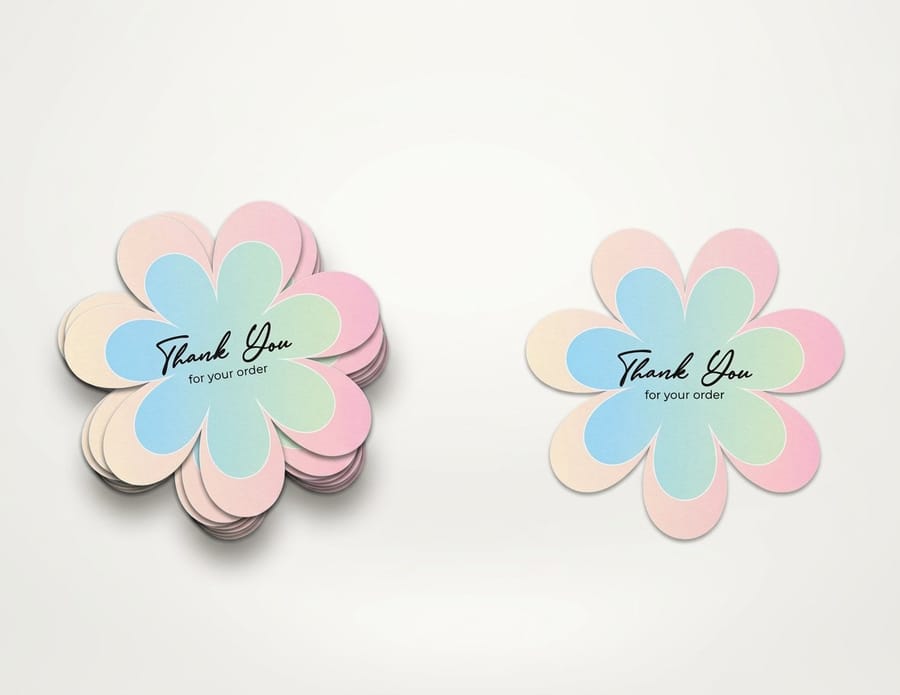
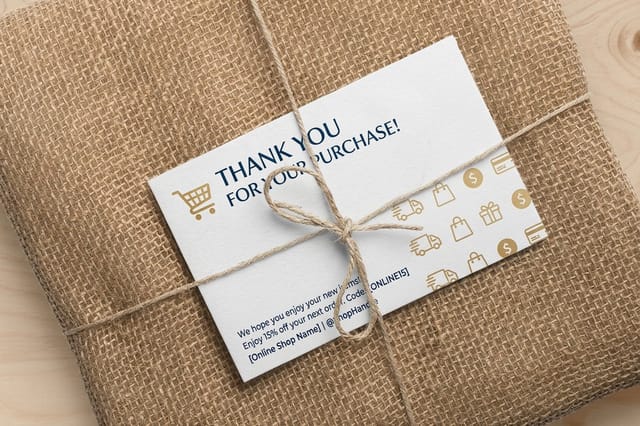
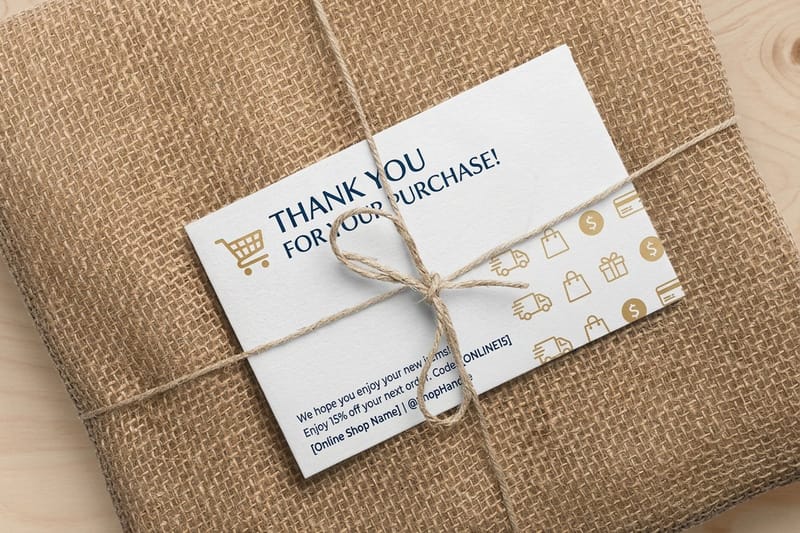
Coming back second. A thank you card with a short reorder code and a QR to your own store is the only reliable bridge from a platform order to a direct one. Ecommerce Thank You Cards start at $19.77. Write a code and a single sentence, not a paragraph, and put the code where a thumb lands. Our guide to packaging inserts that drive repeat sales covers what to print on the card in more detail.
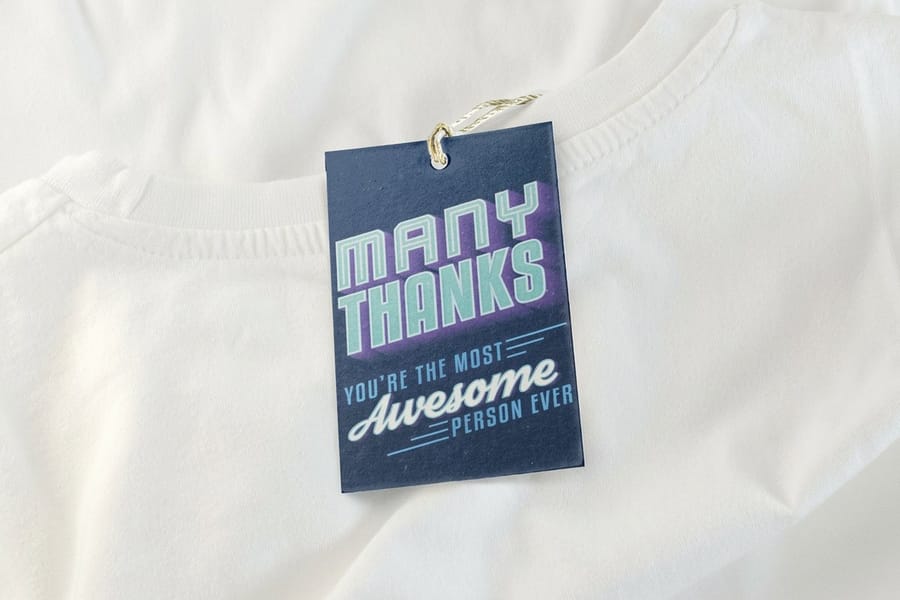
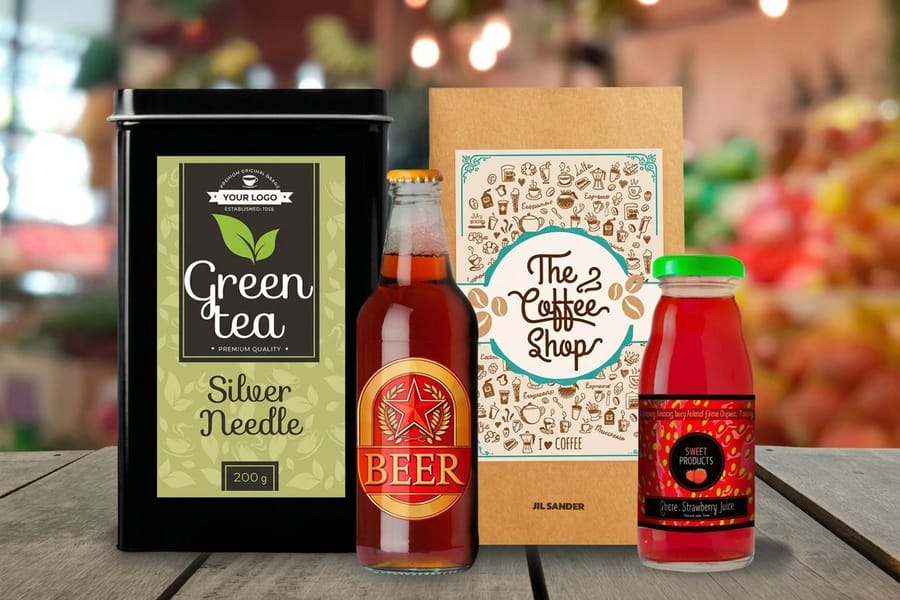
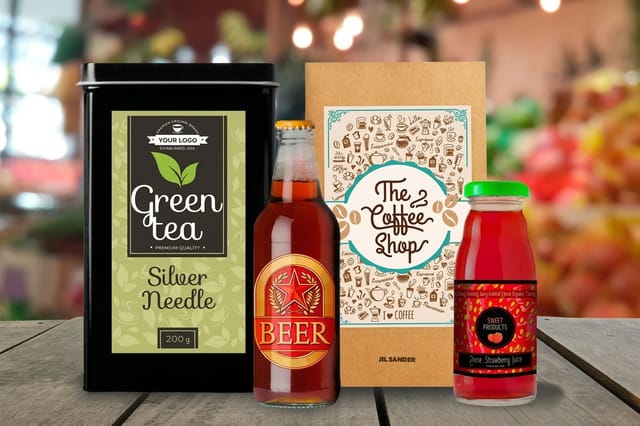
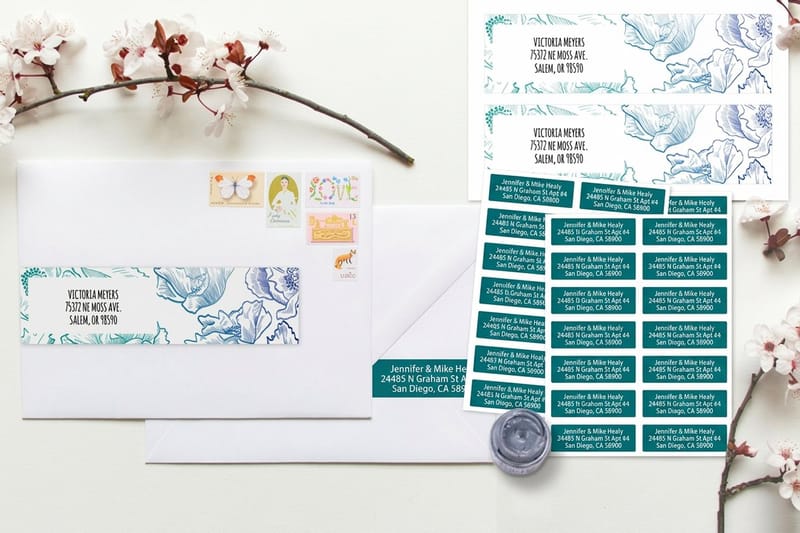
Then the product itself. A product label is in every frame of every video, including the ones creators shoot without asking you, so it has to be legible at thumbnail size. Standard Product Labels start at $23.88. Apparel sellers should add a hang tag from $25.27, because the tag is what makes a print on demand tee look like a brand rather than a blank.
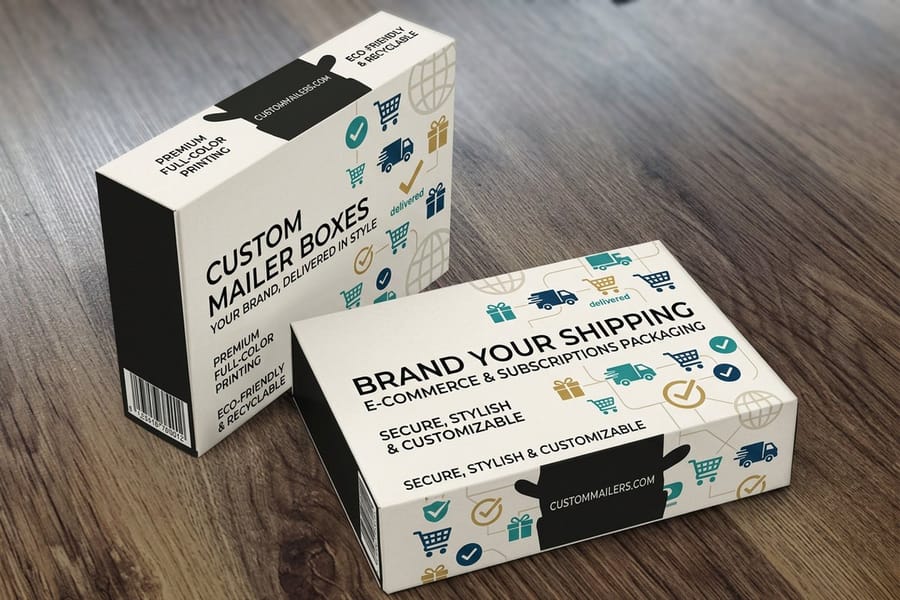
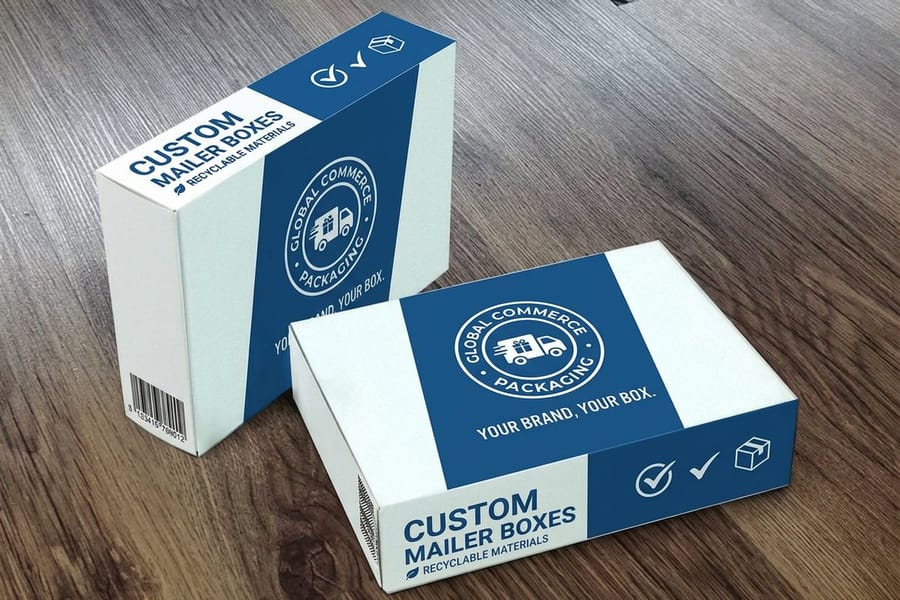
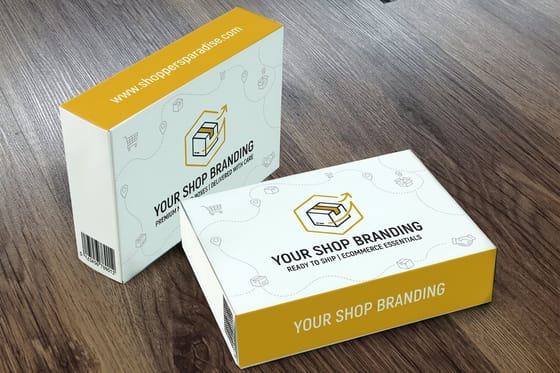
The honest limit is the printed box. Custom mailer boxes start at $711.78, which reflects a die cut, printed, minimum quantity run. That is inventory money for a seller who has been live for six weeks. Order one when your reorder cycle is predictable, not when a single clip does well. Until then the sticker, the label and the card get you most of the effect for a fraction of the outlay. The full range of options sits in the packaging printing collection and the sticker and label range.
Creator Affiliates Do the Selling, and They Cost Margin
The affiliate marketplace is the part of TikTok Shop that has no real equivalent elsewhere. You list a product, set a commission rate, and creators you have never met can attach it to their own videos and earn on every sale. At any useful scale this becomes your sales force, and it is the reason a seller with no following can move real volume.
It also has three costs that are easy to underestimate. The commission stacks on top of the platform fee, so a rate that looks generous enough to attract creators can erase a thin margin entirely. Sample seeding is a genuine expense, because you send free product to creators and most of them will post once and sell nothing. And you lose control of the message: a creator will describe your product their own way, occasionally wrongly, and you cannot edit the video.
Two habits keep this sane. Work out the commission rate you can afford from the unit economics rather than from what competitors advertise, and treat seeding as a marketing budget with an expected failure rate rather than as a series of individual disappointments. Send the samples in the same packaging a paying customer gets, because that box is going on camera either way. If you are selling apparel or merch, the approach in our guide to marketing a clothing brand transfers directly.
The Operations That Decide Whether TikTok Keeps Showing You
This is the part that catches sellers who came from a slower channel. Reach on TikTok Shop is conditional. Dispatch time, cancellation rate and star rating are scored per order, and poor numbers quietly reduce how often your listings are shown. A stockout during a spike costs you more than those sales, it costs the exposure that created the spike in the first place.
Plan for the mismatch between how fast a video can move and how fast you can pack. A clip that runs will produce more orders in two days than the previous month, and your constraint will not be stock alone: it will be whether you have labels, cards, boxes and tape on the shelf. Print consumables have lead times, so order the packaging before the video, not after it. Our print guide for ecommerce brands lists what is worth holding in reserve.
Two more things belong on the checklist. Payouts settle after delivery rather than at checkout, so a fast growing month can be cash flow negative while it is happening, and buying inventory on the strength of unsettled sales is how good months end badly. And returns are buyer friendly by design: build a return rate into the unit economics before you price, rather than treating each one as an exception. Sellers who start by shipping something simple, like the sticker business described in our sticker business guide, learn this cheaply.
Wally explains TikTok Shop
The feed makes the sale, the box keeps the customer
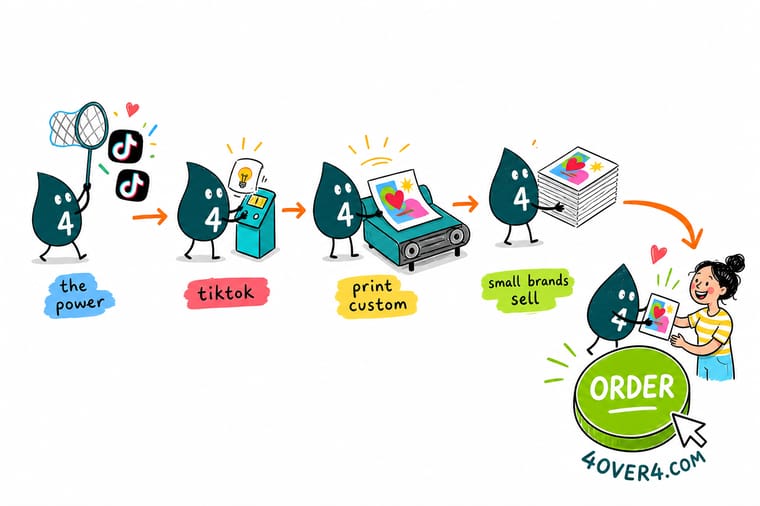
Wally films the product doing its one obvious trick, and the feed shows it to somebody who was not shopping. They buy without leaving the app. Then Wally packs the order and remembers the catch: TikTok keeps the customer, not him. So a thank you card with a reorder code goes in the top of the box, a die cut sticker seals the tissue so the unboxing is worth filming, and the label on the product stays legible at thumbnail size. Ship it inside the handling window or the feed stops being generous.
Order ecommerce thank you cards →Specs and pricing
The printed pieces a TikTok Shop parcel needs
Sizes, stocks and starting prices straight from the 4OVER4.COM configurator, for the three items that do the most work inside a direct to consumer box.


Print it
Pack an order that earns the second one
Explore more
Where to go next


By the numbers
Packaging print that ships on schedule at 4OVER4
Common Questions
Your TikTok Shop questions, answered
What does it actually cost to sell on TikTok Shop?
Four costs stack, and only the first one is fixed. TikTok takes a referral commission on every order, the rate is set per category and has been changed more than once since the US launch, so read the current fee schedule in Seller Center rather than a blog post. On top of that sits the affiliate commission you choose, then your shipping cost if you offer free delivery, then returns. Run the arithmetic on a single unit before you scale: a product with healthy margin on your own site can finish underwater once a generous affiliate rate and free shipping are added to the platform cut.
Do I need a big following to sell on TikTok Shop?
No, and that is the main reason the channel is worth the effort. The For You feed distributes by interest signals rather than follower count, so a new account can put a clip in front of buyers on day one. What replaces an audience is volume and honesty: post the product being used, repeatedly, in ordinary conditions. Sellers who wait to build a following first usually never start, while sellers who post plainly and often find out within a few weeks whether the product demonstrates well.
What kinds of products sell best in the feed?
Anything with a visible result and an impulse price. A cleaning product with a before and after, a beauty item you can apply on camera, a snack, a gadget that solves an obvious annoyance, apparel with a strong print. What struggles is the considered purchase that needs a spec sheet, a size consultation or a warranty conversation, because the format gives you seconds, not minutes. If your product genuinely needs comparison shopping, use TikTok to introduce the brand and let a proper product page close the sale.
How fast do I have to ship?
Faster than most first-time sellers expect. Each order carries a handling window, and dispatch is measured order by order rather than averaged politely across the month. Late shipments and seller cancellations feed a performance score that governs how much exposure your listings get, which is the part that hurts: the penalty for a bad week is quieter traffic in the following weeks. Before a video has a chance to run, have stock, packaging and labels on hand for at least the number of units you could physically pack yourself in two days.
Can I turn TikTok Shop buyers into my own customers?
Only through the box. The platform keeps the customer relationship and does not hand you an email address you can market to, so the parcel is your one owned channel. A thank you card with a short reorder code and a QR to your own store converts a share of buyers who liked the product, and it works because it arrives at the moment they are happiest with you. Ecommerce Thank You Cards start at $19.77 at 4OVER4.COM, which is a small line on a box that already carries product and postage.
Is custom packaging worth it for a new TikTok Shop seller?
Not on day one. Custom Mailer Boxes start at $711.78 because they are a printed, die cut, minimum quantity commitment, and that money is better spent on inventory until repeat orders prove the product. The cheap version of the same effect is a plain mailer plus a printed element that reads on camera: a die cut sticker sealing the tissue, a clear product label, a card in the top of the box. Move to a printed box when you are reordering stock on a predictable cycle, not when a single video does well.
Get Started
Mailer boxes run 250 for $711.78, thank you cards 25 for $19.77
Print the insert card, the sticker and the product label before the video runs, so a good week does not turn into a packing problem.
Legal Disclaimer
Gold Standard guarantees apply to all standard orders placed through 4over4.com. Price match requires verifiable proof of a competitor's published price for an equivalent product with matching specifications and turnaround time. Satisfaction guarantee covers manufacturing defects and print quality issues. Contact support with order number and documentation. On-time delivery rate based on tracked orders 1999 to 2026. Individual results may vary based on shipping carrier performance.
