
The Reputation Revolution Playbook for Small Business Reviews and Referrals


Reviews you asked for, replies written the same day, and proof carried off the platform onto something you hand over. The four habits, in the order they pay.
A reputation is not what you say about your business, it is what customers say plus how visibly you answer them. Which means it is built by three habits: asking for a review at the moment the job ends rather than days later, replying to every review the same week and to bad ones the same day, and reprinting the strongest quotes onto cards, mailers and brochures so the proof reaches people who were never searching. You may ask everyone. Under Google\'s policies you may not pay for reviews and you may not screen customers by opinion first.

Quick answer
Ask on the spot, answer everything, then print the proof
Happy customers stay quiet unless asked, so an unmanaged review page drifts negative on its own. The habit that fixes it runs at the end of every job: ask out loud while the work is still visible, make posting a single tap with a printed QR code, reply to every review with a specific fix rather than a template, and move the strongest quotes onto material you hand over. Three of those four steps cost nothing but timing. The fourth costs print money and is the only one that reaches people who never searched for you.
What a Reputation Is Actually Made Of
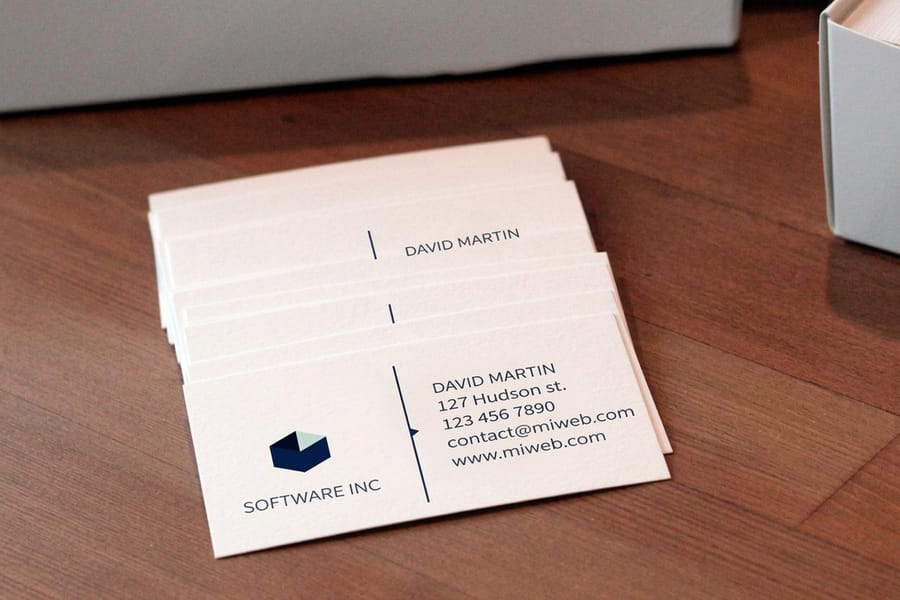
A reputation runs on three separate ledgers, and most owners only look at one.
The public ledger is your Google Business Profile, the industry directory, the marketplace rating. It is the only one you can measure, so it soaks up all the attention. The private ledger is the group chat, the neighbour over the fence, the trade contractor who gets asked for a recommendation. It moves more work than the public one and you will never see it. The owned ledger is your own site, your own counter, and everything you hand over or mail out.
The mistake is treating the first ledger as the whole job. Star ratings settle into a narrow band across an industry, which means a competitor with the same average is not distinguishable from you by number alone. What separates two businesses on the same score is what the newest review says, whether the owner answered it, and whether a stranger ever encounters that proof anywhere except a search results page.
So the work splits three ways: generate reviews on purpose, answer every one of them, and carry the good ones off the platform onto something you control. The rest of this guide takes those in order. If you want the research behind why a review persuades at all, social proof and how it drives growth covers the mechanism, and the wider marketing strategy guides put it next to the other channels competing for the same budget.
Ask While the Job Is Still in Front of Them

Satisfaction is quiet. Annoyance is loud and self-starting. Nobody finishes a haircut they liked and thinks, I should go and write about this. That asymmetry is the entire reason review pages drift negative when they are left alone, and the fix is not better service, it is a deliberate ask attached to the end of every job.
Two things decide whether the ask works: when it happens and how many taps it takes.
Timing. Ask at handoff, out loud, while the finished work is still visible. What you get is a review that names the thing you actually did, which is the only kind that persuades the next reader. Wait a week and the specifics have faded into a polite sentence. Wait a month and you get silence.
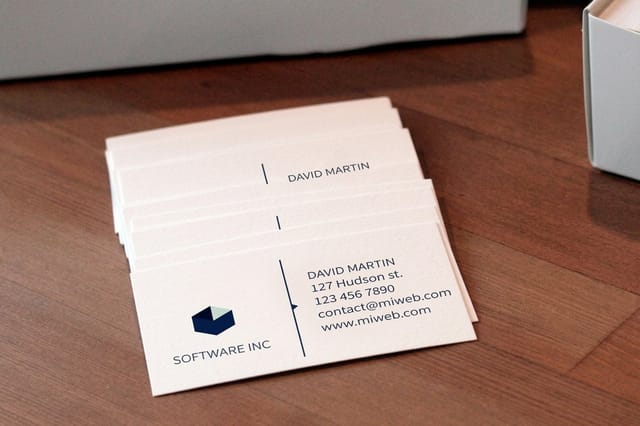
Friction. Every step between willing and posted loses people. Reciting a URL loses them. An email that lands among sixty others loses them. A printed card with a QR code that opens straight to the review form removes the search, the login hunt, and the typing. Put that code on your standard business cards, from $17.57, so the ask is already in your hand when the moment arrives. Our walkthrough on making a QR code for Google reviews covers generating and testing it properly, because a code that opens your home page instead of the review form wastes every card it is printed on.
For work you do not finish in person, a printed postcard, from $16.48, mailed three or four days later does the same job. It arrives alone rather than in an inbox queue, and it survives on a desk for a week. A thank-you that also asks is not a hard sell, and the customer retention mailer set collects the formats that work for it.
One rule with real teeth. You may ask everybody. You may not pay anybody, and you may not screen customers by opinion before deciding who gets asked. Google's policies prohibit both incentivised reviews and review gating, and enforcement can strip a profile of its entire history. Ask everyone, take what comes.
Answer Every Review, Worst One First

The reply is read more carefully than the review. A buyer who opens a one-star complaint is not deciding whether that customer was fair. They are watching to see what you do when something goes wrong, because that is the situation they are imagining themselves in.
A reply that works has four parts and no more:
- The specific detail. Repeat the thing that went wrong in their words. It proves you read it rather than pattern-matched it.
- What you changed. Not an apology loop, a fact. The driver now confirms the delivery window the day before.
- A person and a number. Name someone real and give a direct line. This moves the conversation off a public page, which is where it stops being an argument.
- A full stop. No defense, no context about how busy you were, no mention of their tone.
Then stop replying in public. If they answer again, call them.
The trap is the template. Four replies in a row that all open with the same phrase read as automation, and a stranger scrolling your profile sees all four at once. Write each one from scratch. It takes two minutes and it is the cheapest reputation work available.
Removal is not on the table for most bad reviews. Platforms take down content that breaks a published rule, meaning a review from someone who was never a customer, a personal attack on a named employee, spam, or a post containing personal data. You flag it with evidence and you wait. Everything else stands, and a complaint that stands unanswered becomes the only version of that job a stranger will ever read. For the earlier decisions that stop complaints being written at all, the customer experience guide works through the handoff moments where they start.
Move the Proof Somewhere You Own It

A five-star review sitting on a platform reaches exactly one audience: people already searching for a business like yours. That is a narrow slice, and it is the slice your competitors are bidding on. Everyone else needs the proof brought to them.
Printed proof does that. A brochure, from $57.11, that carries three verbatim quotes next to the service each one describes is a different object from a brochure of adjectives you wrote about yourself. Leave it with a prospect who is still collecting quotes and it argues for you while you are not in the room. The same applies to a counter card, a quote panel on the back of a postcard, and a proposal cover.
Four rules keep printed testimonials credible:
- Verbatim only. Tidying a quote drains the specific detail that made it believable. Fix nothing but an obvious typo.
- Attribute enough to be checkable. First name, last initial, and the town. Initials alone read as invented.
- Ask first. A public review is public, but printing someone's words on a mailer is a different use. A one-line message asking permission takes a minute and avoids an awkward call later.
- Pair the quote with the service it describes. A plumbing quote next to a photo of a bathroom fit-out. A generic quote floating on its own page persuades nobody.
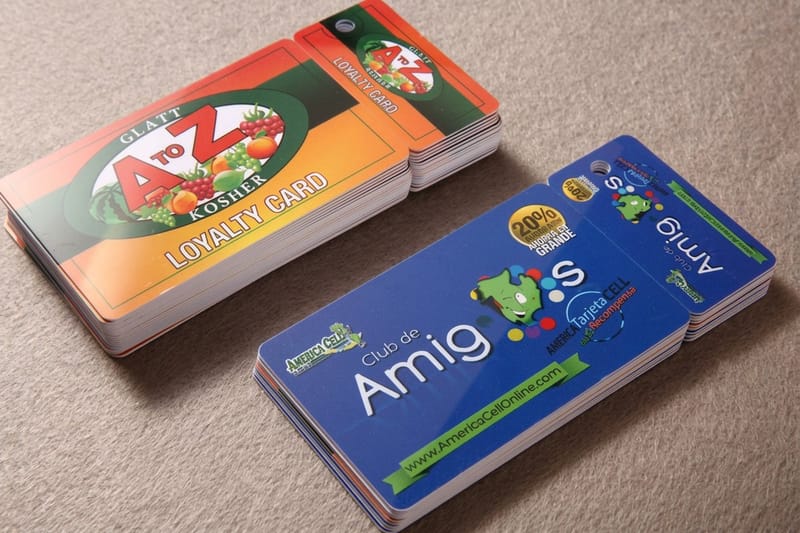
Then keep yourself in front of the people who already trust you, because a returning customer is the cheapest reputation you will ever build. Printed magnets, from $19.68, park your number on a fridge until the next time something breaks, and a well-designed loyalty card gives a reason to come back before a competitor gets asked. Everything in this section lives in marketing materials if you want to see the formats side by side.
The checklist
A reputation routine you can actually keep
Reputation collapses through neglect, not disaster. Six recurring jobs, each small enough that skipping one is noticeable.
- Every job. Ask out loud at handoff, hand over the card with the QR code, and log whether you asked. Asking is the habit that fails first.
- Every day. Check for new reviews. Anything below three stars gets a reply the same business day.
- Every week. Reply to the rest. Copy any quote worth printing into one running document with the date, the platform and the reviewer's name.
- Every month. Read the last thirty days looking for the same complaint twice. Two mentions of the same thing is a process problem, not a difficult customer.
- Every quarter. Refresh the printed proof. Swap the quotes on the brochure and the leave-behind, and check that the QR code still opens the review form after any profile change.
- Every year. Search your own business name the way a stranger would, on a signed-out browser, and look at what appears below the map. Directory listings you forgot about are usually the oldest and the worst.
Pin it where the work ends, not where the admin happens. The step that fails first is always the ask, because it happens when you are tired and packing up. Everything else is desk work you can catch up on.
Choosing the ask
Four ways to request a review, and where each one breaks
The channel decides your response rate more than the wording does. Match it to how the job ends.
| Channel | When it lands | What it costs | Where it breaks |
|---|---|---|---|
| Spoken ask plus a printed QR card | At handoff, while the work is visible | Card print only, from $17.57 a box | Needs a person on site, and staff who remember to do it |
| Thank-you postcard by mail | Three to five days after the job | From $16.48 plus postage | Slower, and it needs a correct mailing address on file |
| Email follow-up | Same day, into a crowded inbox | Close to nothing | Competes with everything else that arrived, and often filters to promotions |
| SMS follow-up | Minutes after the job | Per message | Consent rules are strict, and it reads as intrusive from a business the customer barely knows |
Most businesses need two of these, not four. Pick the one that matches how your work ends, then add a second for the jobs where nobody is standing in front of the customer.
Wally explains reputation
Ask on the spot, answer fast, print the proof
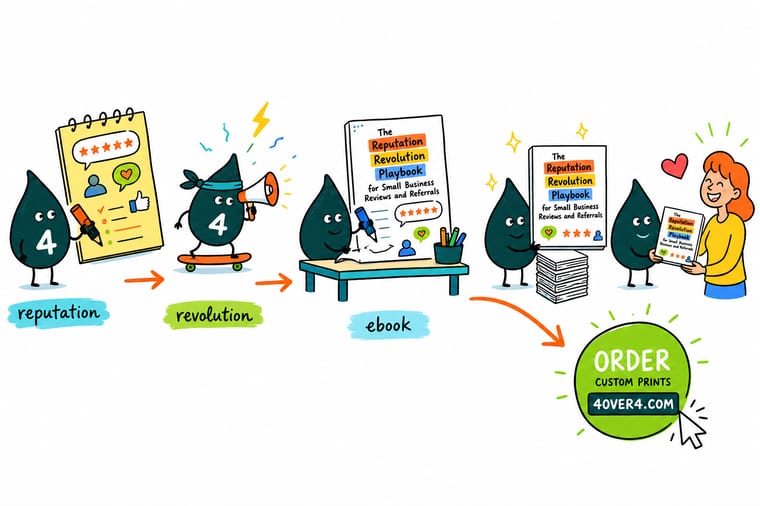
Wally finishes the job and asks right there, while the work is still in view, because a week later the customer only remembers that it went fine. He hands over a card with a QR code so posting takes one tap instead of a search. Every review gets an answer, and the one star gets his answer first, naming what he changed. Then the best quotes come off the screen and onto the brochure he leaves behind, where people who never searched for him can read them.
Print review request postcards →Specs and pricing
The print that carries the ask and the proof
Sizes, stocks and starting prices for the three pieces that do the work, straight from the 4OVER4.COM configurator.



Print it
Put the ask in their hand and the proof on the table


Explore more
Where to go next




By the numbers
The print behind 4OVER4 reputations
Common Questions
Your reputation questions, answered
Can I offer a discount or a free item in exchange for a review?
No. Google's prohibited content policy treats incentivised reviews as a violation, and a business caught running one can have reviews removed or the profile suspended. The same rule covers gift cards, entry into a prize draw, and paying a third party to post. What you are allowed to do is ask everyone, make it easy, and remind them once. You can also thank a reviewer publicly, which costs nothing and is not an incentive.
Can I get a bad review deleted?
Not by asking, and not by replying angrily. Platforms only remove reviews that break a published rule: a review posted by a competitor who was never a customer, one that names a staff member in a personal attack, one that is off topic, or one containing profanity or personal data. You flag it, you attach evidence, and the platform decides, usually slowly. Everything else stays, so the reply is your only real tool. Treat it as the tool it is.
Should I ask only the customers I know are happy?
That practice is called review gating and Google prohibits it outright. Beyond the policy, it destroys the one thing you actually need: an honest read on which part of the job goes wrong. If you screen your requests, the complaints do not disappear, they just arrive from people you never asked, without warning, on a public page.
How many reviews does a small business need?
Enough that the newest one is recent. Buyers scroll to the top of the list and read the date before they read the star average, so twenty reviews with one from last week reads better than eighty that stop two years ago. That is why review generation works as a habit at handoff rather than as a campaign you run once.
How fast should I reply to a negative review?
Same business day for anything below three stars, and inside a week for the rest. Speed matters more than polish. A short reply that acknowledges the specific problem, names the person who will call, and gives a direct number does the job. Write it once, from scratch, for that customer. Recycled wording is obvious when a stranger reads four of your replies in a row and they all open the same way.
What printed pieces actually help a reputation?
Four earn their place. A business card carrying a QR code that opens your review form, from $17.57, so the ask takes one tap. A thank-you postcard mailed a few days after the job, from $16.48, which asks again without a face to face. A brochure or leave-behind carrying verbatim customer quotes, from $57.11, for the buyers who are still comparing. And a magnet, from $19.68, which keeps your number on a fridge for the next time something breaks.
Get Started
Postcards run 50 for $16.48, or 33 cents a request
Print the card with the QR code, the thank-you postcard that follows the job, and the brochure that carries your best quotes to people who never searched for you.
Legal Disclaimer
Gold Standard guarantees apply to all standard orders placed through 4over4.com. Price match requires verifiable proof of a competitor's published price for an equivalent product with matching specifications and turnaround time. Satisfaction guarantee covers manufacturing defects and print quality issues. Contact support with order number and documentation. On-time delivery rate based on tracked orders 1999 to 2026. Individual results may vary based on shipping carrier performance.
