
Product Sampling Marketing That Turns Free Samples Into Paying Customers


The psychology behind free samples, the printed pieces that carry the offer out of the box, and the break-even math that tells you whether the campaign paid for itself.
A sample sells only when something printed leaves with it: one offer, one code, one end date, on a card the buyer sees before the sample. Give away product on its own and you have paid for a taste and bought no way to measure it. Sampling pays on consumables people repurchase within weeks, and the pack that converts is a sample, an insert card carrying the offer, a label naming the batch, and a wrap that makes the opening feel deliberate.
Quick answer
The sample proves it, the insert sells it
Product sampling turns into sales at exactly one point: the moment someone reads the printed piece that came with the sample. Everything before that is trial, and trial on its own is generosity. Put the offer, a tracked code and a real end date on an insert card, name the batch on the product label, and wrap the pack so the opening feels intentional. Then measure it against the cost per pack over one full repurchase cycle, not over the first week.
Why Sampling Beats Advertising, and Where It Stops Working
Two things happen when someone takes a sample. They form an opinion from the product itself instead of from a claim about it, and they feel a small, mostly unconscious debt. Robert Cialdini named the second one reciprocity, and it is the reason the free sample outlived every advertising fashion of the last century.
The first effect matters more than the second. Advertising has to be believed. A sample only has to be used. That removes the buyer's real objection, which is rarely price and almost always risk: what if it does not suit me, what if I waste the money, what if it is worse than what I already use. A trial answers all three in a way no headline can.
Most sampling articles leave that part out. Sampling has a bad fit, and the bad fit is expensive. It works on consumables, where someone buys again in weeks: coffee, skincare, snacks, cleaning products, pet food, supplements. It stops working on durables. Give away a taste of something that gets replaced once every five years and the debt has faded long before the purchase window opens. If your repurchase cycle is measured in years, the same budget does more work on a targeted mailer, and our guide to how direct mail marketing works is the better starting point.
The other bad fit is a product that is merely average. Sampling accelerates whatever verdict the product deserves. A good product gets discovered faster. A mediocre one gets rejected faster, by people who would otherwise have bought it once.
What Brands That Sample Well Actually Do Differently
Look at the programs that have run for decades and the same three decisions keep showing up.
They attach the sample to a purchase. Sephora built its sampling around the order that already happened, so the sample lands with someone who has proved they buy the category. That is a far better list than a crowd on a pavement, and it costs nothing to reach.
They make the sample the demonstration. Lush cuts a chunk off the block at the counter and wraps it in paper in front of you. The cutting is the pitch. Costco puts the demo table in the aisle beside the product, so trial and purchase are separated by about three steps rather than a week and a shopping trip.
They design the sample to run out. A beauty box or a snack box sized to be used up in a week or two creates a gap, and the reorder fills it. A lifetime supply of anything ends the story rather than starting it. Warby Parker took the idea to its limit with home try-on: five frames, a set number of days, a prepaid return label. The sample is the fitting room, and the deadline is printed on the box.
None of that is about the sample being generous. It is about placement, timing and a printed piece that tells you what happens next. If you are pairing a sample with branded merchandise at an event, the swag that actually works follows the same logic.
What Goes In the Sample Pack Besides the Sample
The pack has a job list, and each printed piece does one item on it. Strip anything that does not.
| Piece | The one job it does | Where it sits | Starts at |
|---|---|---|---|
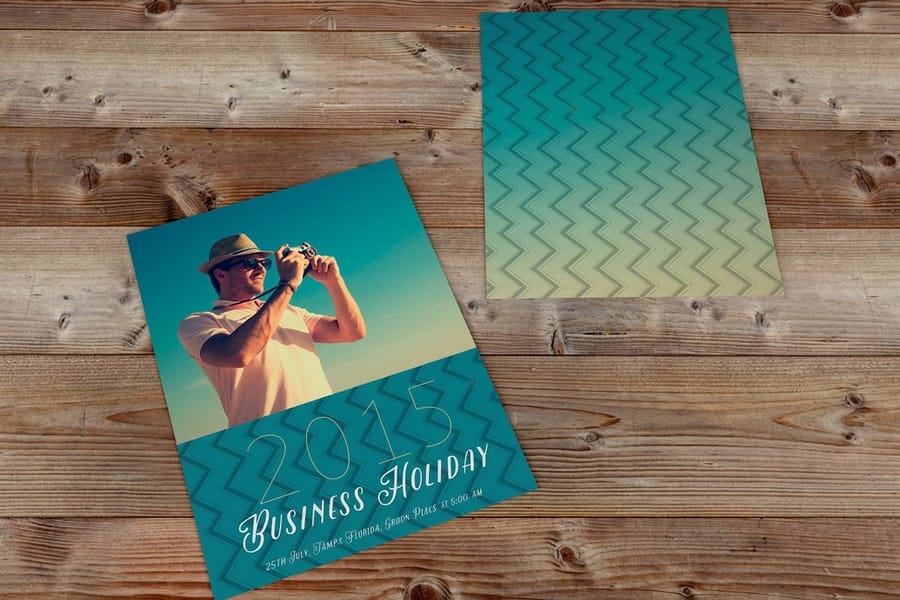
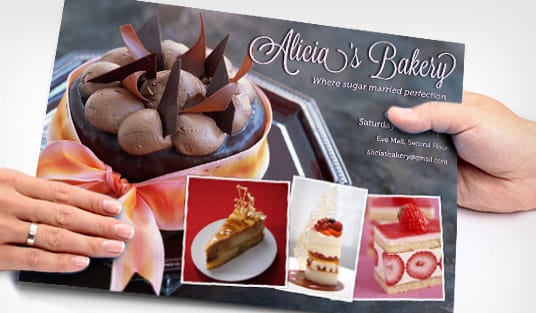
| Insert card | Carries the offer, the code and the end date. The only piece that drives an order. | Face up, first thing seen on opening. | $16.48 |
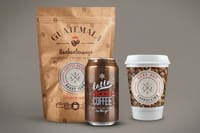
| Product label | Names the product and the batch so a happy sampler can ask for the right thing. | On the sample itself. | $29.16 |
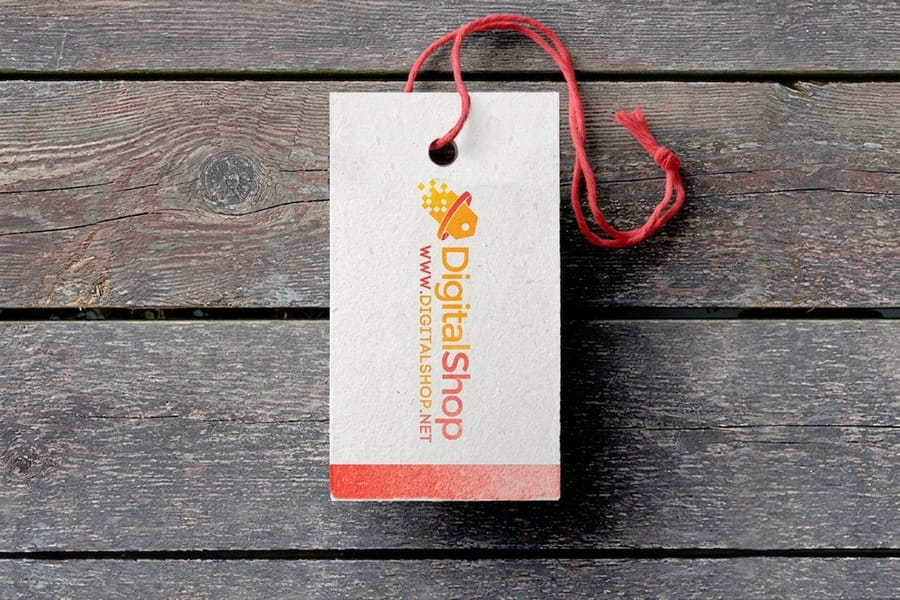
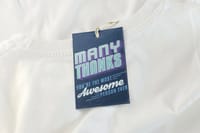
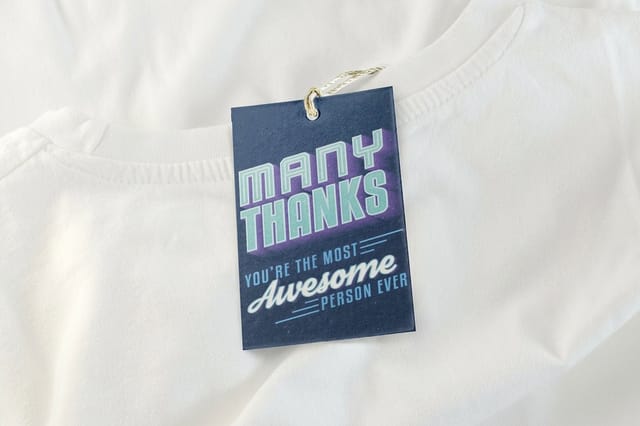
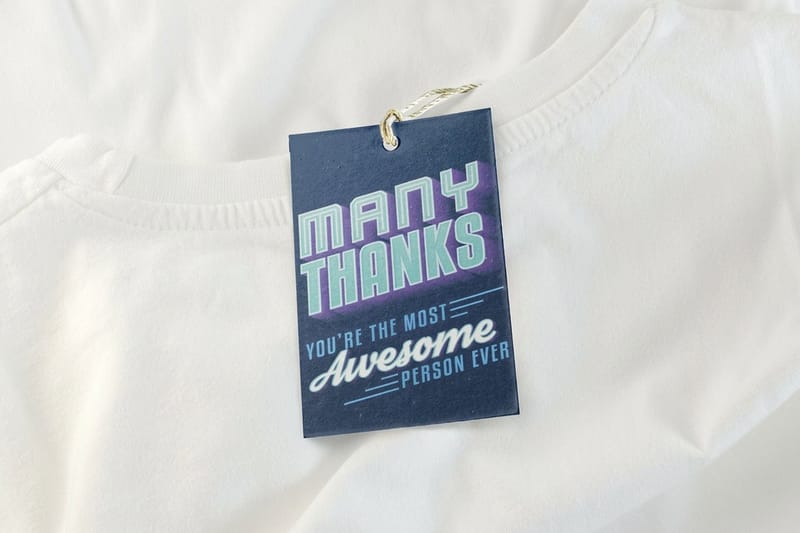
| Hang tag | Holds the how-to-use or the story when there is no room on the label. | Tied to the item or the handle. | $25.27 |
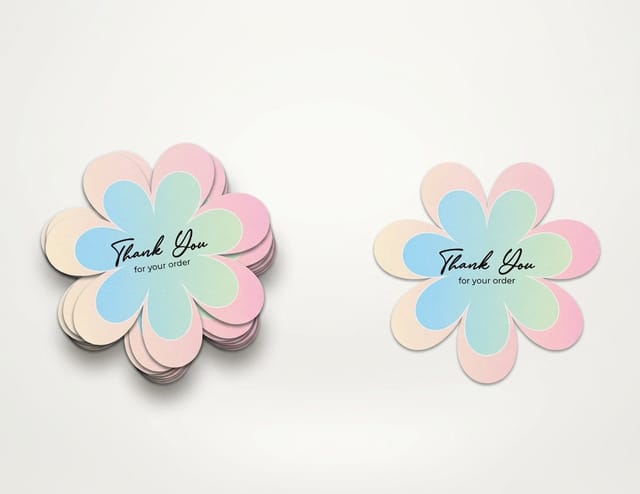
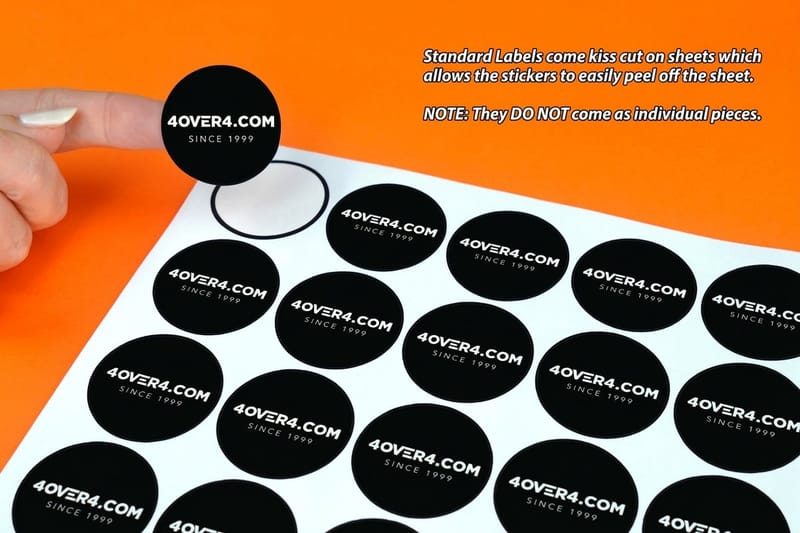
| Die-cut sticker | Seals the wrap, then leaves with the customer on a laptop or a bottle. | Closing the tissue, or loose in the pack. | $93.37 |
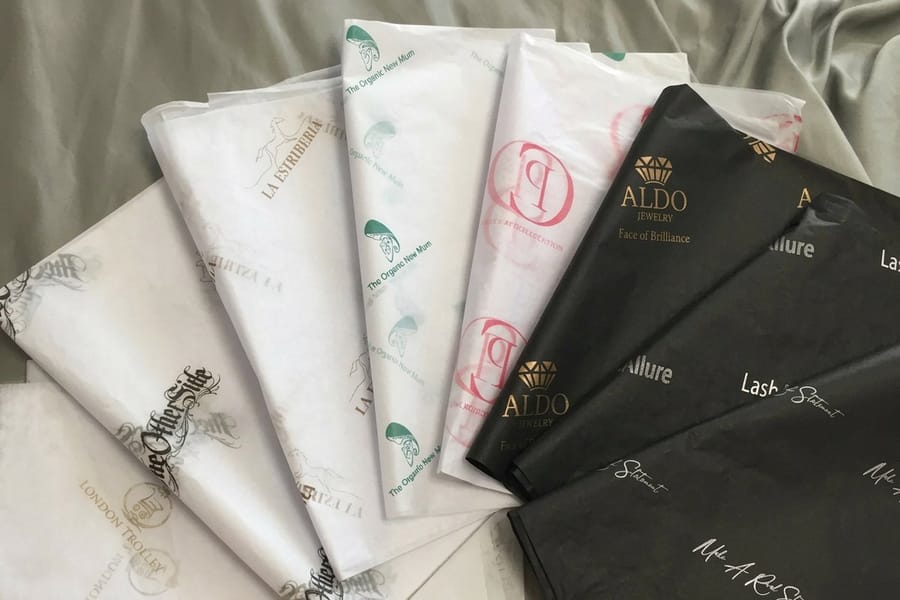
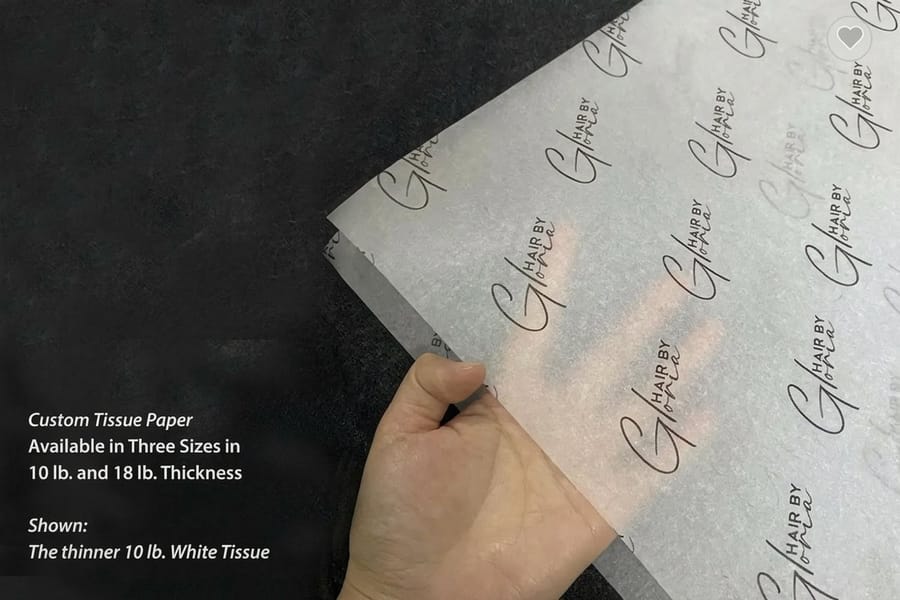
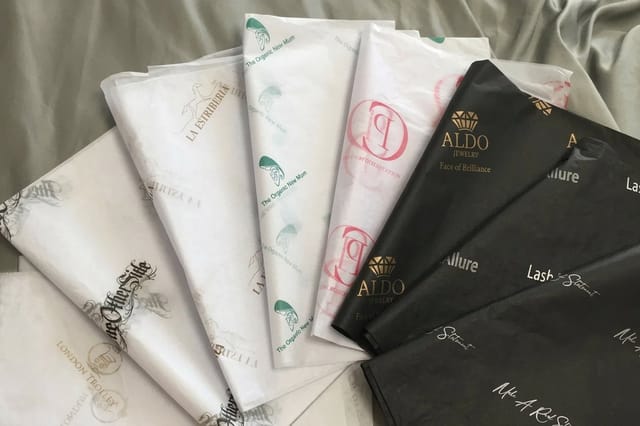
| Tissue paper | Makes the opening feel deliberate rather than like unpacking a parcel. | Wrapped around everything. | $126.32 |
Read the second column, then cut. Two pieces doing the same job is how a sample pack turns into a pile of paper that goes straight in the bin, offer and all. If the label already carries the usage instructions, the hang tag is decoration.
One ordering note that saves money: the insert is the piece you will reprint most often, because the offer and the date change every campaign, while the label and the tissue stay the same for a year. Order the insert in campaign-sized runs and the wrap in bulk, not the other way round.
Branded Packaging, Inserts and Stickers That Earn Their Cost
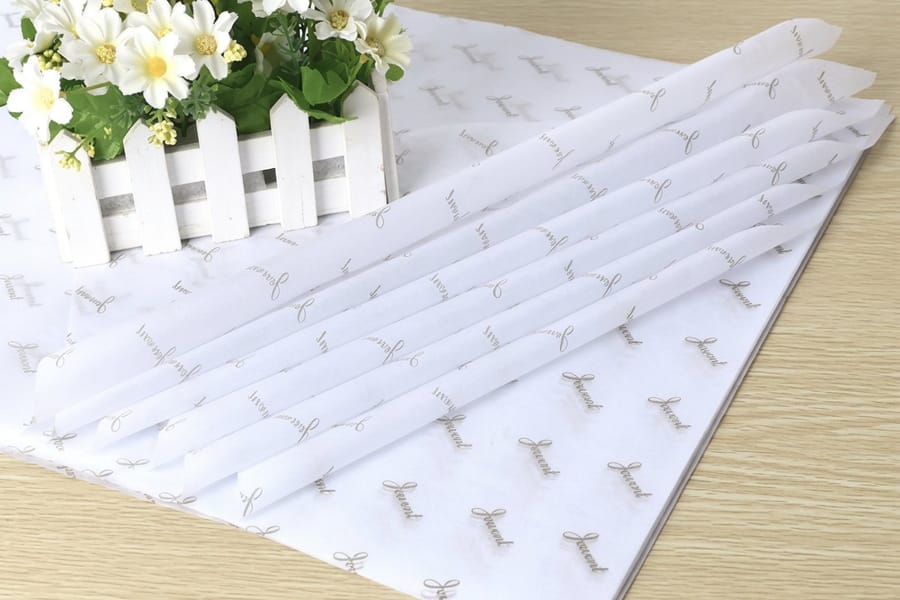
The wrap is where a cheap pack becomes a considered one, and it is the cheapest upgrade on the list. Tissue and a sticker seal cost a fraction of a rigid box per pack, and they change the two seconds that decide whether the insert gets read or tipped out with the packing material.
A few things worth knowing before you order:
- Stock weight on the insert is the tell. A 16pt card feels like it was meant to be kept. A thin flyer feels like a receipt, and it gets treated as one. The price difference between the two is smaller than the difference in how they land.
- Use a sticker seal instead of printed tape on small runs. Tape only makes sense at volume. A die-cut sticker closes the tissue, brands the pack, and comes off in one piece to be stuck somewhere else.
- Uncoated or matte if anyone writes on it. A handwritten first name on the insert is the single strongest personal touch in a sample pack, and pen skids on a gloss coating.
- Put the code on the insert, never only on the box. The outer packaging is the first thing binned. Anything printed only on the box is gone within a minute of the pack being opened.
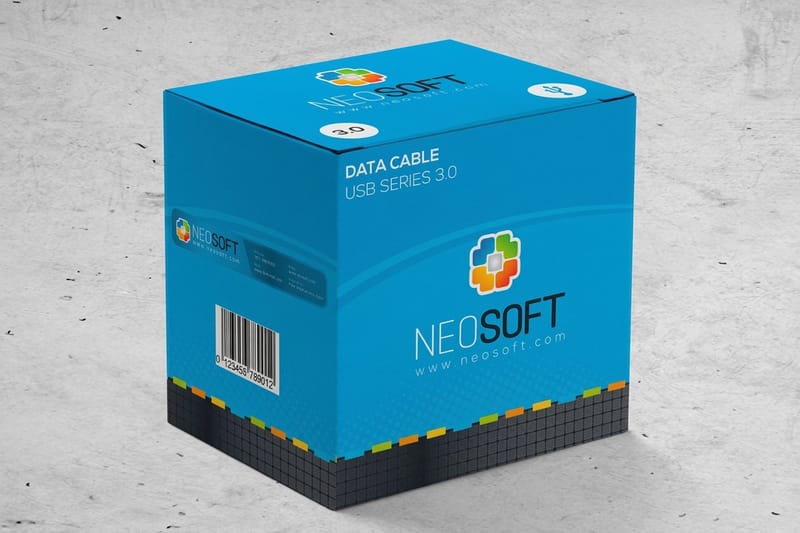
If the sample ships rather than being handed over, the box itself becomes part of the message. Boxes with inserts covers holding the sample still in transit, and labels, seals and tape that brand your box covers the closure options in detail. For monthly programs, subscription box printing covers the same pack built to repeat.
Making the Sample Worth Posting Online
Free reach from sampling is real, but it is not automatic, and it is not a hashtag on the bottom of a card. People post an object when it looks good on camera and when they were told exactly what to do, in one line, at the moment they were holding it.
The mechanics are simple. Print a QR code on the insert and point it at a page built for that campaign, not at your homepage, so the visit means something in analytics and the offer is already applied when they land. Give the batch its own short link and its own code so scans, redemptions and posts all trace back to the same run. Printing QR codes on stickers covers the size and contrast that keep a code scannable on a curved or textured surface, and using QR codes for a small business covers where they earn a scan.
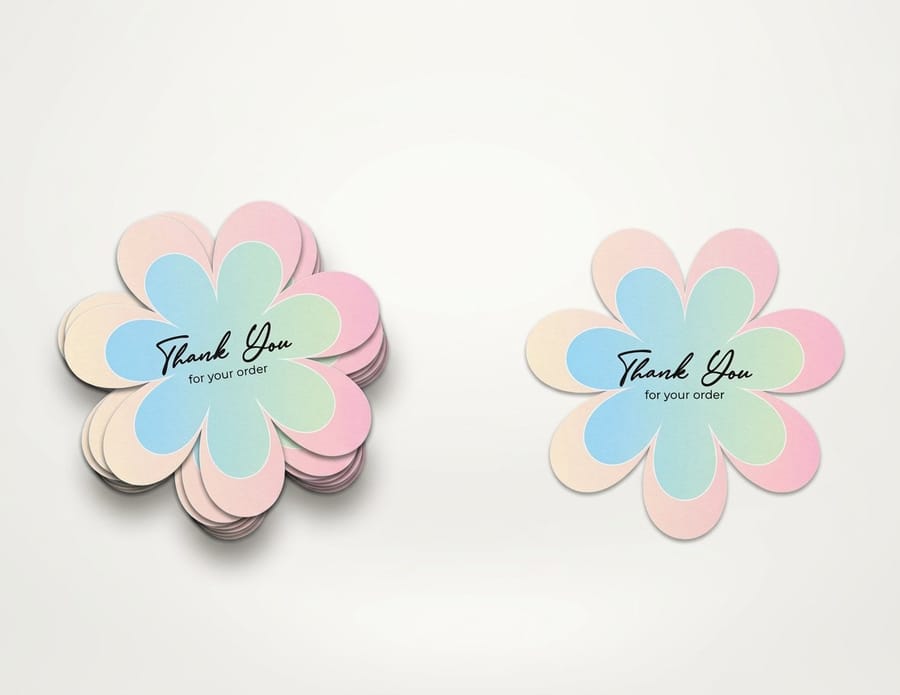
Make the ask small and specific. "Post it and tag us" is vague. "Show us where the sticker ended up, tag @brand, and we will send the full size to one person each Friday" is a task with a reward and a deadline. The sticker matters more than it looks: a die-cut sticker is the one item in the pack that gets carried out into the world on a laptop lid or a water bottle, and it keeps working long after the sample is used up.
What does not work: asking for a review before the person has used the product, and printing a social handle with no reason to visit it. A handwritten thank you outperforms both, and designing a thank you card is a better use of the same square inches.
Measuring Sampling ROI Without Fooling Yourself
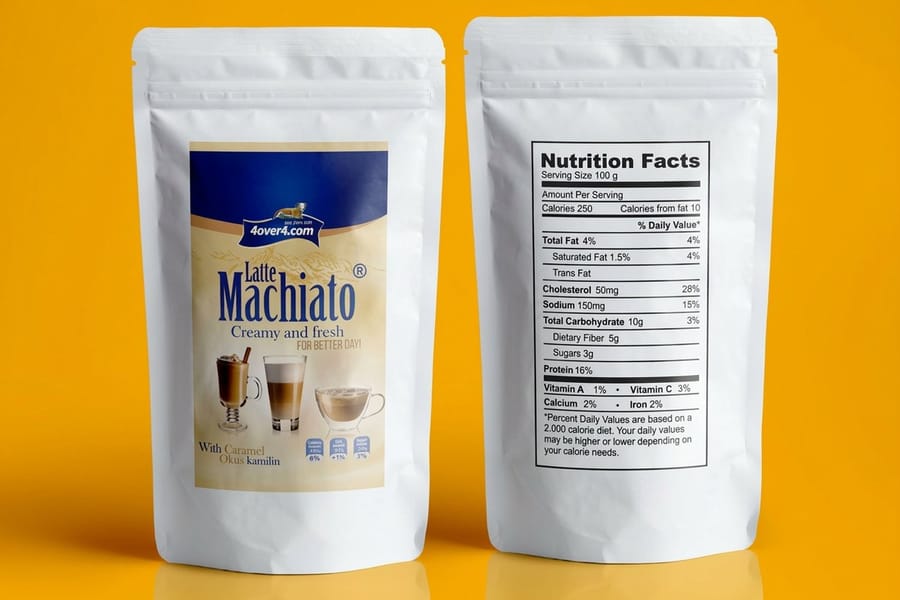
Sampling gets defended with feelings more than any other channel, which is why finance teams cut it first. Two numbers end that argument.
The fully loaded cost per pack. Add the sample product at cost, every printed piece, the wrap, the labor to assemble, and the postage or the stand fee. Divide by the number of packs that actually left your hands, not the number you printed. Boxes of leftover inserts in a cupboard are a cost, not an asset.
The break-even redemption rate. Divide the cost per pack by the gross margin on a first order. If a pack costs $2.10 all in and a first order leaves $18 of gross margin, you need one order for every nine packs to break even, which is a redemption rate you can hold a campaign to. Run your own numbers here, because a different margin moves the target completely.
Then make the redemption traceable. One code per batch, printed large enough to read without hunting, tied to a single offer and a single end date. Name the code after the batch rather than the discount, so SAMPLE-JUNE-STORE3 tells you where it came from while DISCOUNT10 tells you nothing. Per-piece unique codes need variable data printing and cost more, so keep them for referral programs and high-value lists where you genuinely need to know which recipient acted.
Set the measurement window to one full repurchase cycle for your category, and hold the line on it. A skincare sample tried in week three cannot appear in a week-one report, and cutting a program on week-one numbers is the most common way a working campaign gets killed. Build the offer itself first: a marketing offer that creates new sales and rewards loyal customers is the piece the insert has to carry, and loyalty cards are how you keep the second order from being the last one.
Wally explains the sample pack
Give the taste, keep the card in their hand
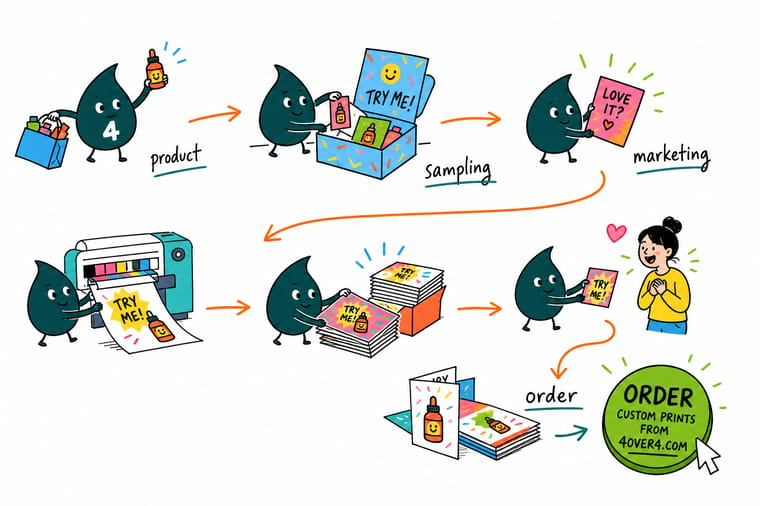
Wally wraps the sample in printed tissue, seals it with a sticker, and slides one card on top. The card says what the offer is, what the code is, and the day it stops. That card is the whole campaign. Take it out and Wally has handed over free product with no way of knowing who came back. Leave it in and every order can be traced to the batch it came from.
Order premium product labels →Specs and pricing
Sample pack pieces, sizes and starting prices
The three pieces that do the work in a sampling pack, with live configuration options and starting prices from the 4OVER4.COM configurator.

Print it
Build a sample pack worth opening
Explore more
Where to go next
By the numbers
Sampling pieces printed to schedule at 4OVER4
Common Questions
Your product sampling questions, answered
Does product sampling work for a service business?
It works when you can hand over a small, finished piece of the service rather than a description of it. A studio gives away one edited photo, an accountant runs one free filing review with the findings printed and bound, a cleaning company does one room. The rule is the same as with a physical product: the trial has to be complete enough to judge, and it has to leave behind something printed that carries the next step. A folder with the findings and a dated quote does the job a sample sachet does for a soap brand.
How many samples should I send before I know if it worked?
Enough that a handful of redemptions is not noise, and all from the same batch with the same code, offer and deadline. Splitting a small run across three offers gives you three numbers you cannot trust. Run one version, keep the batch together, and only change one variable on the next run. The other half of the answer is time: hold the batch open for at least one full repurchase cycle before you call it, because a sample tried in week two cannot show up in a week-one report.
Should the insert carry a discount, or something else?
A discount is the easiest thing to print and the easiest thing to train people to wait for. Two alternatives usually do better on a first order: a free upgrade, such as the larger size at the smaller price, and free shipping, which removes the checkout friction rather than devaluing the product. Whatever you choose, put a real end date on it. An open-ended offer sits in a drawer, and the drawer is where sampling money goes to die.
Do I need a unique code on every single insert?
Usually not. Unique per-piece codes require variable data printing, which costs more per piece and adds a proofing step, and they only earn that cost when you need to identify individual recipients, for example a referral program or a high-value B2B list. For a market stall, a retail partner or an insert that ships with every order, one code per batch is enough. Print SAMPLE-JUNE-STORE3 rather than 4,000 unique strings, and put the code where the eye lands, which is the top third of the insert.
What is the cheapest way to make a sample pack feel expensive?
Wrap and seal. Branded tissue paper and a sticker seal cost very little per pack and change the moment of opening more than a heavier box does. Tissue Paper starts at $126.32 and Die-Cut Stickers start at $93.37 at 4OVER4.COM, and both spread across a lot of packs. Spend there before you spend on a rigid box. The second cheap upgrade is stock weight on the insert: a 16pt card feels considered, a thin flyer feels like a receipt, and the price gap between them is small.
Is sampling worth it for an expensive product?
Yes, but the sample changes shape. For a high-price item you are not giving away a portion, you are lending the experience, the way an eyewear brand ships frames to try at home with a prepaid return label. That format needs a printed pack that survives a round trip and explains the return clearly, so the pieces to budget for are a sturdy mailer, a set of instructions and a return label. The trial is still free. The product is not.
Get Started
Printed tissue paper runs 100 sheets for $126.32
Print the insert card that carries the offer, the label that names the batch and the wrap that makes the pack worth opening, all from one press.
Legal Disclaimer
Gold Standard guarantees apply to all standard orders placed through 4over4.com. Price match requires verifiable proof of a competitor's published price for an equivalent product with matching specifications and turnaround time. Satisfaction guarantee covers manufacturing defects and print quality issues. Contact support with order number and documentation. On-time delivery rate based on tracked orders 1999 to 2026. Individual results may vary based on shipping carrier performance.
