
Mugs vs Tote Bags vs Coasters for Cafe Merch That Earns Its Shelf


Three cafe staples compared on what they cost, what they do to your artwork, and how many people they actually reach. The recommended order is not the one most shops pick.
Print coasters first, totes second, mugs last. A coaster reaches every customer you serve for the length of their visit and carries no unsold stock, a tote is the only one of the three that leaves your street and works on strangers, and a mug is the slowest seller because somebody has to want your logo in their kitchen. At 4OVER4.COM, Drink Coasters start at $10.98, Cotton Totes at $5.00, Tote Bags at $22.73 and Standard Mugs at $20.86.
Quick answer
Cheapest reaches the most people, priciest reaches the fewest
Coasters, totes and mugs are not three price points for the same idea. A coaster is table media that every customer sees and nobody has to buy. A tote is reach, because it is the only one that leaves the neighborhood. A mug is a loyalty object that costs the most and sells the slowest. Each surface also treats your artwork differently: ceramic loses the handle zone, cotton weave thickens thin strokes, and uncoated pulpboard soaks ink into the board and dries matte.
Three Different Jobs, Not Three Versions of the Same Thing
Cafes usually compare these three on price, which is the wrong axis. They do separate jobs, and only one of them is merchandise in the sense of something a customer pays for.
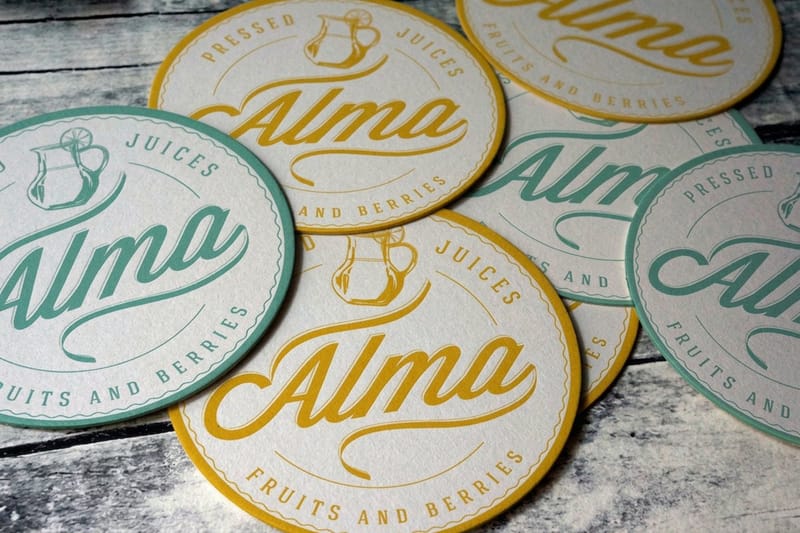
A coaster is table media. It goes under every cup whether anyone wants it or not, so it reaches every single customer and costs you nothing in shelf space or unsold stock. A tote is reach. It is the only item here that walks out of the neighborhood with your name on it. A mug is loyalty made physical, and a customer only agrees to it once they already like you enough to look at your logo before their first coffee.
| Item | What it actually does | Who sees it | Starts at |
|---|---|---|---|
| Drink coasters | Puts your name on the table for the length of a visit, at no cost to the customer. | Every person you serve, every day. | $10.98 |
| Cotton totes | Lightweight giveaway or low-price sale that leaves the shop. | Strangers on the street, for as long as the bag lasts. | $5.00 |
| Tote bags | Heavier carry bag people keep and reuse for groceries and work. | The same strangers, for longer, in better condition. | $22.73 |
| Mugs | A daily-use object that turns a regular into a walking habit at home. | One household, most mornings, for years. | $20.86 |
Read the third column, not the fourth. The cheapest item reaches the most people, and the most expensive one reaches the fewest, which is the opposite of how most cafes budget. Start with drink coasters and treat mugs as the reward for having built an audience, not the tool for building one.
Where the Artwork Breaks on Each Surface
One logo, three substrates, three ways to be disappointed. The file that looks perfect on a menu can go soft on a coaster and blurry on a tote, and none of that is a printing fault.
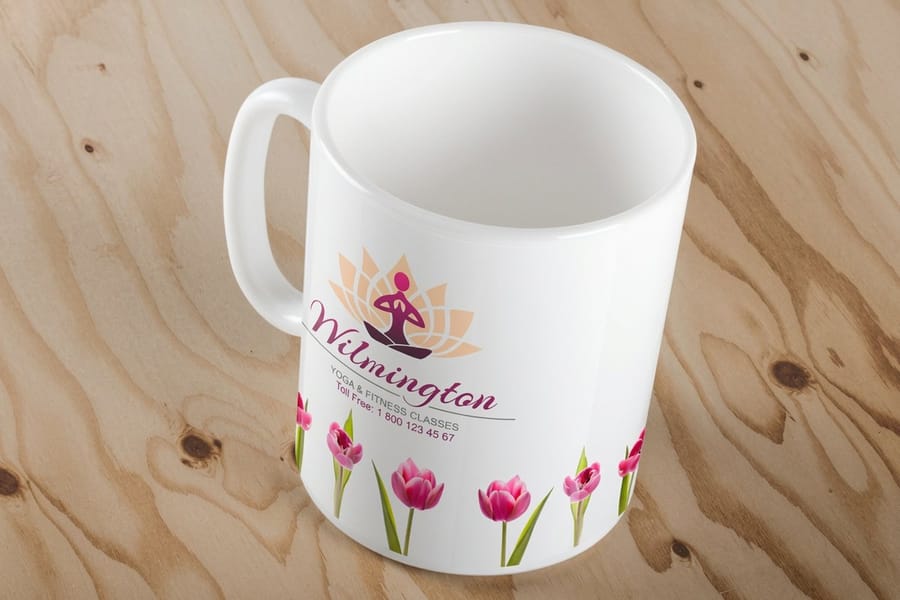
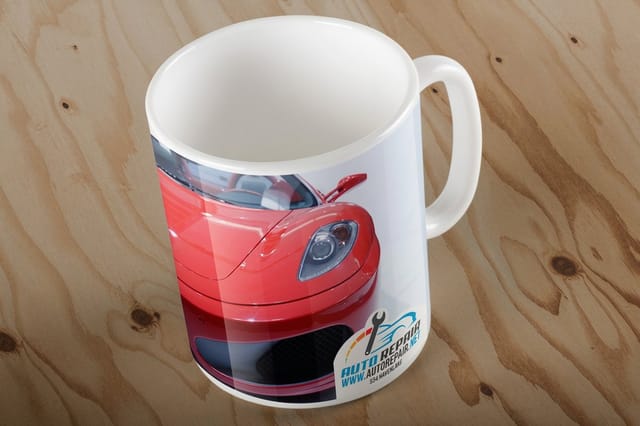
Ceramic wrap. A mug is printed on a flat sheet that gets wrapped around a curve, and the handle interrupts it. You lose roughly an inch on each side, so anything you center in the file ends up sitting where the customer cannot see it while they drink. Lay the mark out for a right-handed grip, keep it in the middle band, and check it in both orientations before you approve.
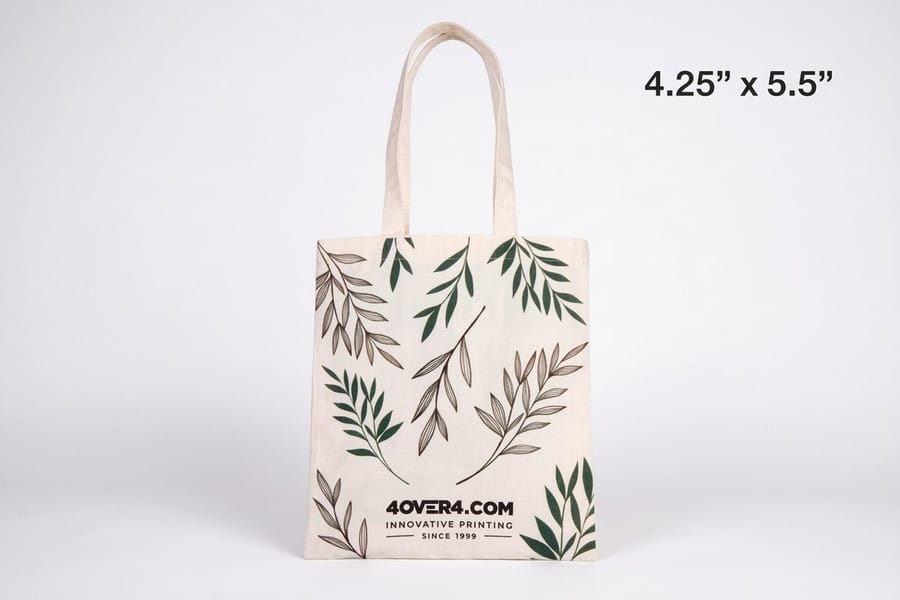
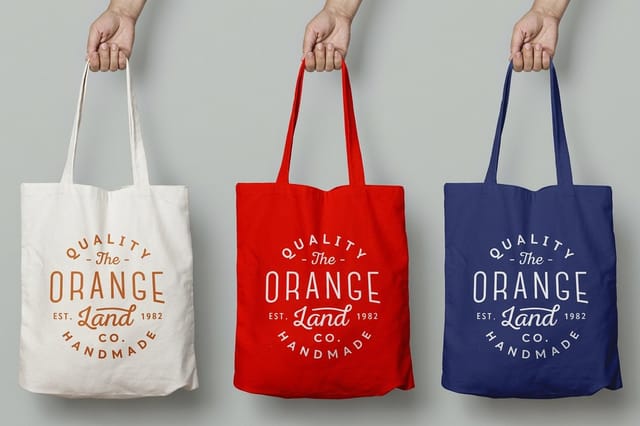
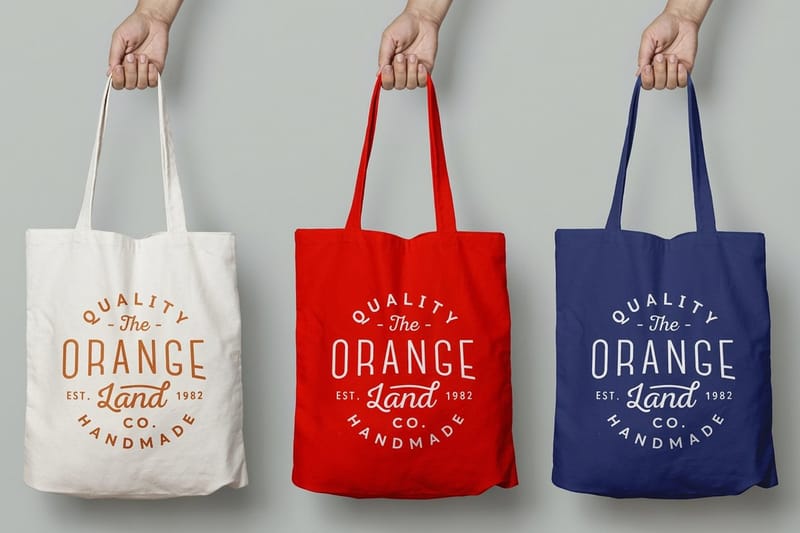
Cotton weave. A tote panel gives you the biggest print area of the three and the least detail. The weave is a physical grid, so thin strokes thicken, tight counters in letterforms fill, and small reversed type closes up. A single-weight mark at a point or heavier survives. A delicate script with hairline joins does not.
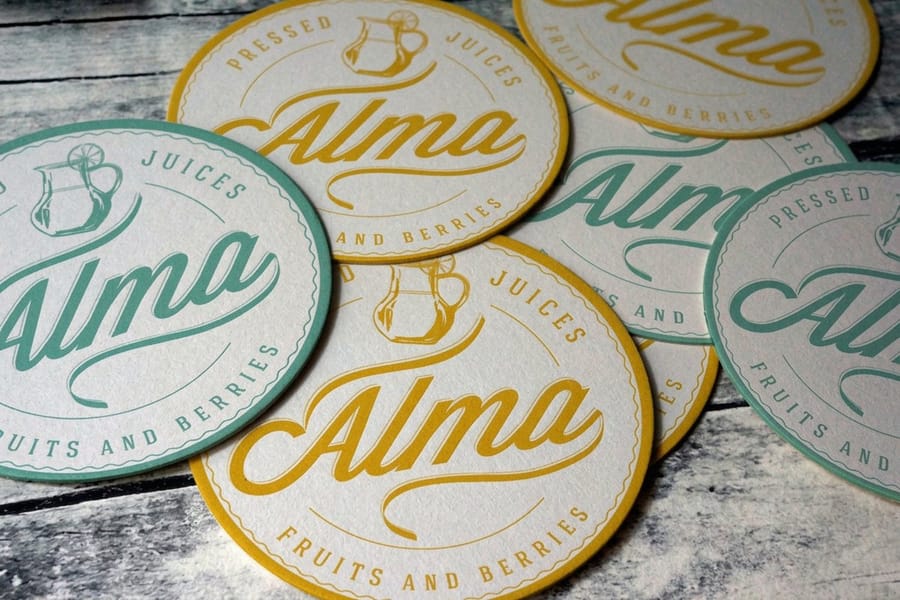
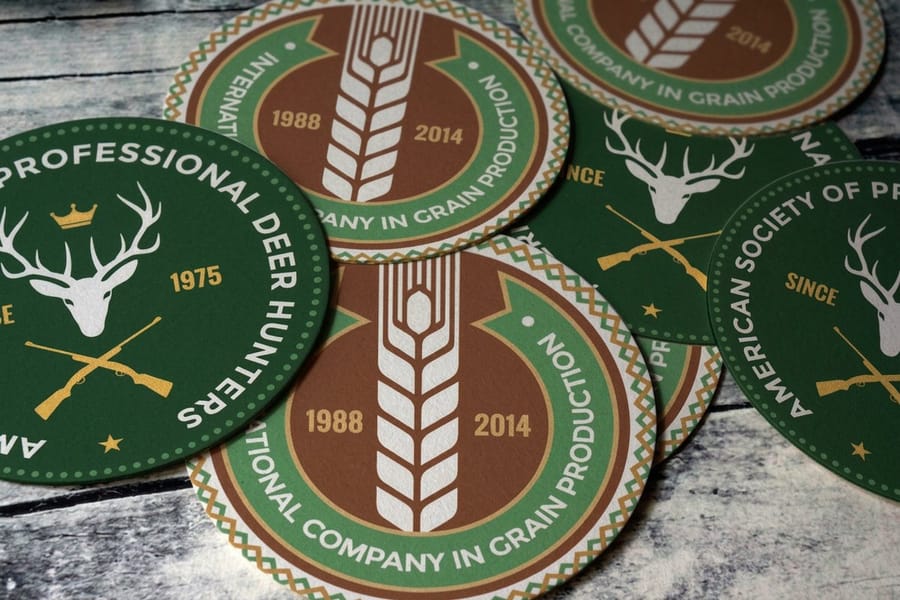
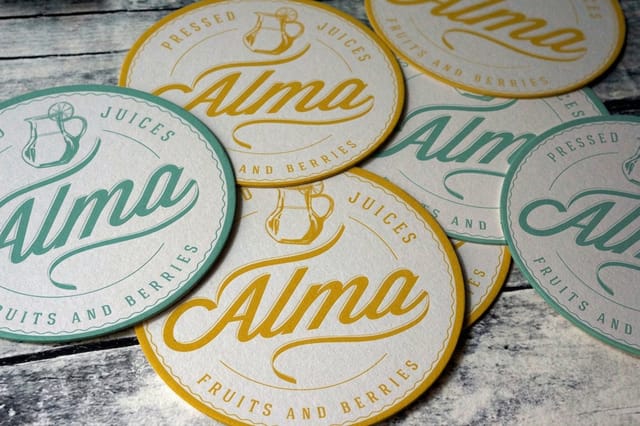
Uncoated pulpboard. A coaster is absorbent by design, because its whole purpose is soaking up condensation. Ink sinks into it, so color reads a little softer and drier than the same file on a coated stock, and a photograph loses contrast. That absorbency is also why solid flood color looks so good on a coaster: it dries into the board as a matte, chalky surface rather than sitting on top.
- Design for the worst surface first. Build the mark so it holds on cotton, then apply it to ceramic and board.
- Keep one high-contrast version. Flat color on flat color travels across all three. Gradients and drop shadows do not.
- Test the circle early. A wide horizontal logo has to survive a three and a half inch round trim, which usually means a stacked version.
Start from a correctly sized file rather than a scaled screenshot. Our blank template library has the trim and bleed for each item, and the guide to designing custom printed mugs walks through the handle clearance in detail.
What Each One Really Costs Once It Is Sitting in Your Shop
The print invoice is the small part. What separates these three is what happens after the box arrives.
Coasters have no second cost. They go straight into use, they need a shelf the size of a shoebox, and there is no such thing as unsold stock because every one of them gets used. If you print a thousand and your quiet season lasts three months, you have lost nothing except a little storage.
Totes sit in between. A cotton tote is cheap enough to give away with a coffee subscription or a large order, which is often how the first run should be used rather than sold. A heavier tote bag is a real product with a real price tag, and it needs somewhere visible to hang. Bags that live in a box under the counter do not sell.
Mugs are where cafes lose money. They are fragile, they take real shelf space near the till, they tie up cash per unit, and the sale depends on a customer wanting your brand in their kitchen. That is a much bigger ask than a bag. Print mugs in the smallest sensible run first, watch how long the first batch takes to clear, and only then commit to a bigger quantity. If seasonal demand is what you are chasing, Christmas mugs concentrate that ask into the few weeks when people are actually shopping for gifts.
One thing worth doing before any of it: make sure the counter pieces already work. A cafe with a scruffy menu and a great tote has spent money in the wrong order. The restaurant and cafe printing collection covers restaurant menus and table pieces, and those pay back faster than anything with a logo on it.
The Verdict: Coasters, Then Totes, Then Mugs
If you print one thing this quarter, print coasters. They reach every customer, they carry no inventory risk, and they are the cheapest way to get your name and your social handle into the photographs people already take of their drinks. Drink coaster printing starts at $10.98, and a single order usually lasts a small shop months.
If you print two things, add totes. Choose cotton totes at $5.00 to give away, or heavier tote bags at $22.73 to sell properly. Give the first run away to your loudest regulars rather than selling it, because a bag being carried is worth more than a bag on a hook.
Print mugs when customers ask for them. Not before. A mug is the highest-commitment object in this comparison, and demand for it is a signal that your brand has already landed rather than a way of making it land. When you do order, keep the run small, keep the artwork inside the handle clearance, and put them where people queue.
Want the full picture of what carries a logo? The promotional products collection and the branded merchandise hub list everything we print that walks out of a building, and the printing comparisons library has more head-to-head breakdowns like this one.
Wally sorts the cafe merch
One reaches everybody, one leaves the street, one waits to be wanted
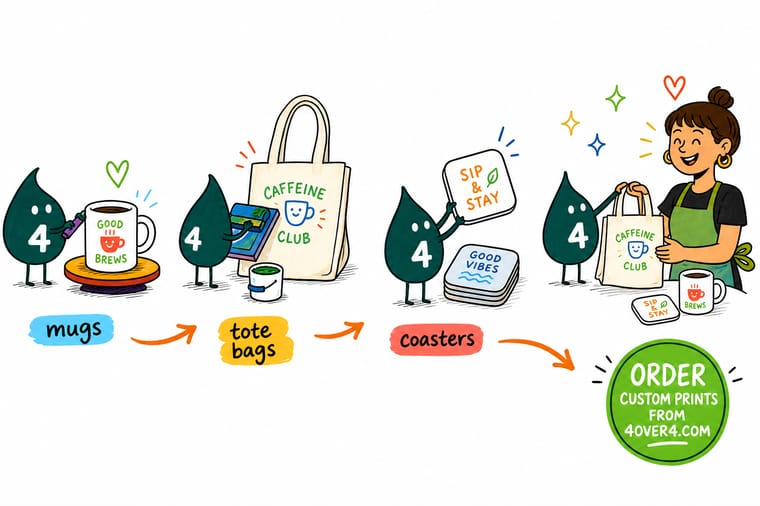
Wally puts a coaster under every cup, because it costs the least and every customer sees it without buying anything. He hands the totes to the regulars who talk the most, because a bag being carried past strangers is the only piece here that finds new people. The mugs he keeps in a small run behind the counter until somebody asks, since a mug means agreeing to look at your logo every morning at home. Same logo on all three, redrawn for each surface: bold enough for the cotton weave, clear of the mug handle, and stacked to fit a round coaster.
Order printed drink coasters →Specs and pricing
Coasters, totes and mugs side by side
Compare sizes, quantities and starting prices for all three, straight from the 4OVER4.COM configurator.
Print it
Put your cafe on the table, the street and the shelf
Explore more
Where to go next
By the numbers
Mugs, totes and coasters for a cafe counter
Common Questions
Your cafe merch questions, answered
Which cafe merch should a new shop print first?
Drink coasters. They cost the least to start, they need no shelf space, and they do not depend on a customer choosing to buy something. Every drink you serve puts one in front of somebody for the length of their visit, and a coaster that carries your handle is the cheapest social prompt you can put on a table. Once regulars start asking where to get a bag, move to totes. Leave mugs until people ask for them by name.
Are tote bags or mugs better for getting a cafe noticed?
Tote bags, because they move. A mug is used at home in front of the same one or two people who already know you. A tote is carried through a neighborhood, so the print is seen by strangers who have never been in the shop. The trade is durability: a printed tote fades over a couple of years of washing, while a mug keeps its wrap until it chips or breaks.
How much does cafe merchandise cost to print?
At 4OVER4.COM, Drink Coasters start at $10.98, Cotton Totes at $5.00, Tote Bags at $22.73 and Standard Mugs at $20.86. Those are starting prices, so the per-piece figure falls as your quantity climbs. Price the whole picture rather than the item: coasters have no shelf cost and no unsold stock, while a mug ties up money on a shelf until somebody takes it home.
What artwork works on all three at once?
A solid, single-weight logo with generous space around it. Design the mark so it survives the worst of the three surfaces, which is the cotton weave on a tote, and it will hold on ceramic and pulpboard too. Keep strokes at a point or heavier, skip fine screens and gradients, and make sure the mark still reads when it is dropped into a three and a half inch circle for a coaster.
Do printed coasters actually get kept?
Some do, and that is a bonus rather than the plan. The work a coaster does happens on the table, during the visit, when a customer photographs a drink and your name is in the frame. Treat anything that goes home in a coat pocket as free reach on top of the job the coaster already did.
Can I put a photograph on a coaster or a tote?
You can, but it will not look like the file on your screen. Uncoated pulpboard absorbs ink, so a photograph flattens and loses contrast, and cotton weave breaks up fine tonal detail. Both surfaces reward flat color, bold shapes and high contrast. If you need photographic quality on a cafe piece, put it on a coated stock instead, such as a menu or a table tent.
Get Started
Cotton totes start at $5.00 each, in one business day
Start with coasters under every cup, add totes for the regulars, and keep the mugs for the customers who ask. Upload one logo and we handle all three.
Legal Disclaimer
Gold Standard guarantees apply to all standard orders placed through 4over4.com. Price match requires verifiable proof of a competitor's published price for an equivalent product with matching specifications and turnaround time. Satisfaction guarantee covers manufacturing defects and print quality issues. Contact support with order number and documentation. On-time delivery rate based on tracked orders 1999 to 2026. Individual results may vary based on shipping carrier performance.
