
Marketing Plan Simplified Into One Page You Will Actually Use


Most marketing plans are written once and never reopened. This version survives contact with a real week, plus the honest list of what it cannot do.
A simplified marketing plan is one page holding four answers: who you sell to, what goes out to them, what it costs, and the single number that tells you it worked. Write it in an afternoon, choose two channels rather than six, then review it on the first Monday of every month and cut whatever has had two fair cycles and produced nothing. The research and the competitor work still happen. They stay in your notes so the page keeps only the decisions.

Quick answer
Four answers, two channels, one number
Cut the plan until only the decisions are left. Name the buyer narrowly enough that a competitor in another trade could not reuse the sentence. Name what physically goes out and how often. Set a monthly figure you could lose for two quarters without touching payroll. Then pick the one number you will count, and count it weekly. The review loop matters more than the writing, because a page nobody reopens is just a shorter document.
The Four Answers the Page Has to Hold
Write the four answers in this order, because each one narrows the next. Get the buyer wrong and the other three are guesses built on a guess.
The fight is specificity, not length. Most plans fail the swap test: read a line, put a competitor from another trade in place of your name, and see whether the sentence still works. If it does, it is telling you nothing. Below is what that looks like across the four answers plus the three supporting lines worth keeping.
| The question | The answer that does nothing | The answer you can act on |
|---|---|---|
| Who buys | Small businesses in the area. | Dental practices with two to six chairs, inside five miles of the office. |
| What problem | We help businesses grow. | Thursday cancellations leave chairs empty and the day loses money. |
| Why you | Quality and service. | Same day emergency slots, posted on the door and answered by a person. |
| Which channels | Social, email, search, events, radio, print. | A monthly postcard to the five mile radius, plus a counter card that asks for referrals. |
| What goes out | Regular content. | One postcard a month, one offer on it, one phone number. |
| What it costs | A modest budget. | A fixed monthly figure, with print and postage counted as separate lines. |
| How you will know | Better engagement. | New customers who name the card, tallied at the desk every week. |
Notice that the right column contains nouns and numbers and the left column contains adjectives. That is the whole difference. Once the page reads like the right column, the rest of the quarter is execution, and you can hand the page to a new hire without explaining it.
What You Give Up When You Cut It to One Page
A short plan is not a free upgrade. It costs you three things, and it is worth knowing which of them you can afford to lose.
You lose the argument, and keep only the conclusion. A full plan shows the reasoning that led to the buyer definition, so when the results disappoint you can go back and see which assumption broke. A page gives you the conclusion alone. The fix is to keep your research notes in a second file, dated, and reread them at the quarterly rewrite.
It stops working past roughly two customer types. The specificity that makes the page useful collapses the moment you average across segments. A print shop selling to both wedding planners and construction firms cannot write one honest WHO line. Write one page per segment instead, and accept that two pages means two budgets and two review cycles.
It is not the document an outsider wants. A lender, a landlord or a franchisor reads a marketing plan to test whether your revenue forecast is credible, which needs market size, competitors and projections. Keep the long form for them. Our step by step small business marketing plan covers that version, including the research and budget sections a page cannot carry.
One thing the page does not cost you is rigor about the offer. If anything it exposes a weak one faster, because a vague promise looks obviously empty when it is the only sentence on the line. If yours will not survive that, spend a week on positioning first, which is what the build a brand that sells guide works through.
Pick Two Channels, and Let One Be Something They Can Hold

Two channels is a budget decision before it is a marketing one. Split a few hundred dollars across six places and every one of them gets too little spend and too few repeats to tell you anything. Two channels, run for a full quarter, produce a comparison you can act on.
Print belongs in that pair when the audience is geographic or the piece is handed over in person, and it does not belong when the message is still changing weekly. That is the honest trade. A digital ad can be switched off mid flight; a box of printed mailers is committed the moment it goes to press. So print the things that stay true for a quarter, and keep the experiments online.
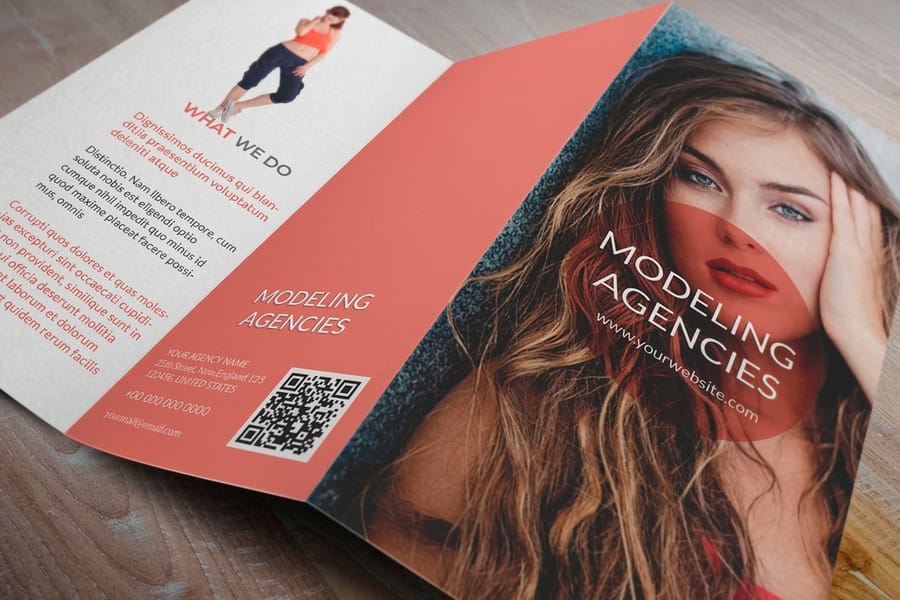
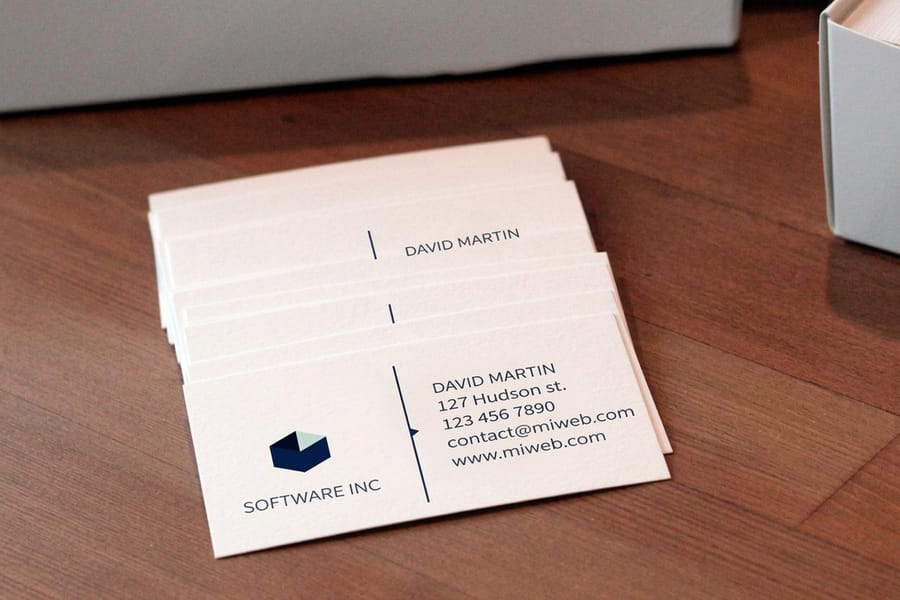
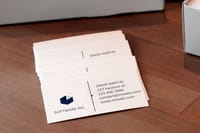
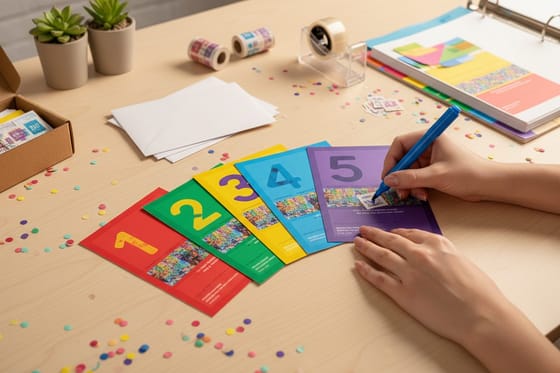
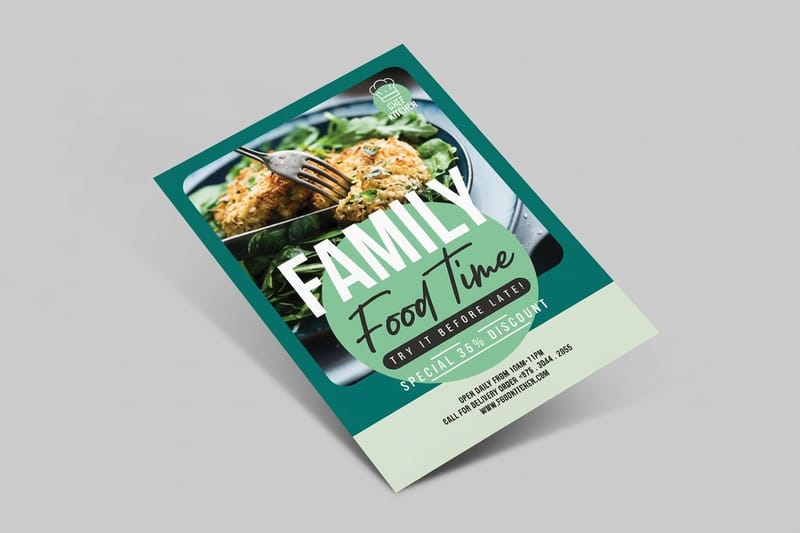
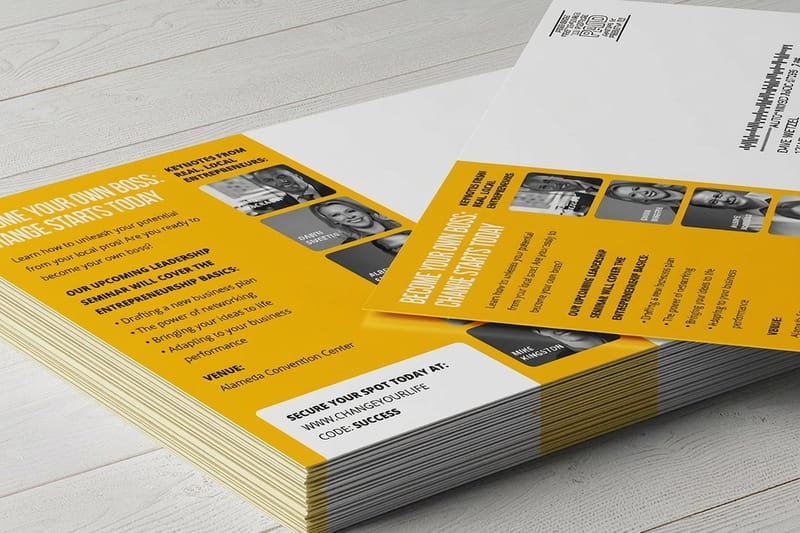
The three formats that carry most small plans are cheap enough to run monthly. Standard postcards start at $16.48 and carry most radius campaigns, though on a small mailing the postage line usually costs more than the printing, so budget them as two numbers rather than one. Standard flyers start at $39.54 and suit counters, community boards and door to door work where nobody pays postage at all. Standard business cards start at $17.57 and are the only piece in the plan that gets handed over during a conversation that is already going well, which is why a card with a real offer on the back outperforms one with only contact details.
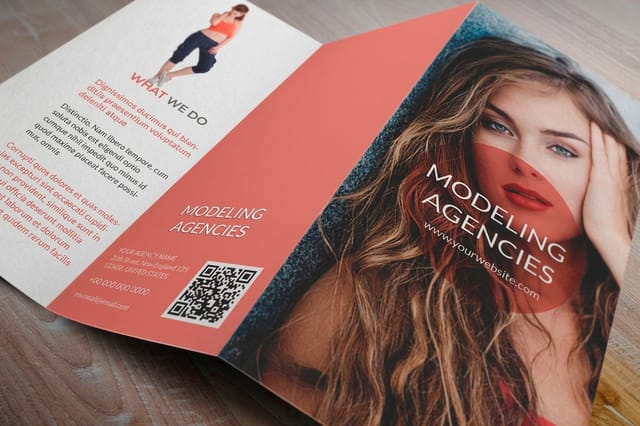
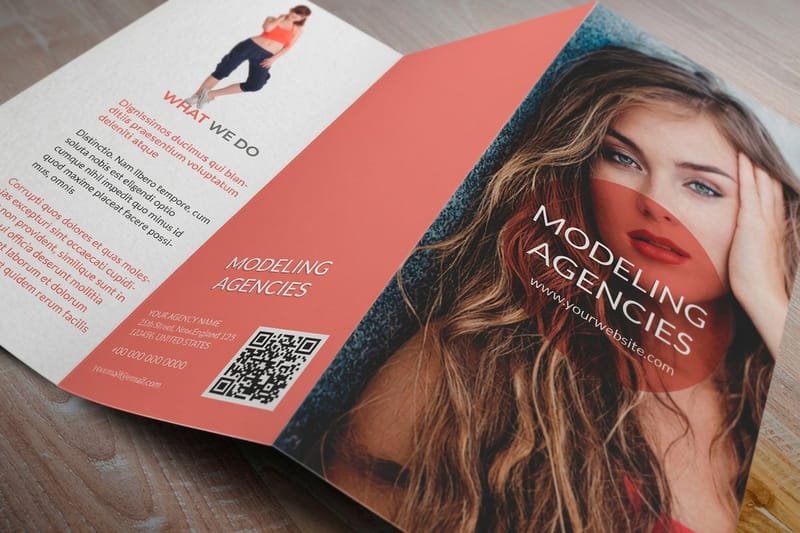
When a prospect needs more than a card can carry, standard brochures start at $57.11 and hold the detail a considered purchase needs. If mailing is the channel you commit to, the direct mail printing collection keeps print and delivery on one schedule, and the practical steps sit in our guide to sending direct mail postcards. If handing out is the channel, read flyer distribution best practices before you print a single box, because placement decides the result more than the design does. Everything else the plan might reach for sits under marketing materials.
One buying habit saves real money here. Order the whole quarter in one run rather than month by month. Setup is a fixed cost on every print job, so three separate small orders pay for it three times.
The Monthly Review That Keeps the Page Honest
Put a recurring twenty minute appointment on the first Monday of the month and treat it as unmovable. The review is what turns the page from a document into a plan.
Three numbers, every time:
- What went out. Pieces printed, pieces mailed, pieces handed over. Actual counts, not what you intended to send.
- What came back. New customers, and how many named the campaign when asked. Ask at the point of sale, because memory a week later is unreliable.
- What it cost per new customer. Total spend for the channel divided by the customers it brought. This is the only number that lets two very different channels be compared.
Then make a decision rather than an observation. Every channel gets two full cycles before judgement, and for mail that means about six weeks rather than two, because postcard response arrives in a long tail and an early read makes a working campaign look dead. After two cycles a channel is either doubled or dropped. Never keep an eye on it. That phrase is how a dead channel survives a whole year on a budget line.
Write the outcome on the page itself, dated, then leave the buyer definition alone until the quarter ends. The one thing worth tracking outside the three numbers is what customers say when they call, because their words are usually better than yours and belong on the next print run.
Wally explains the one page plan
Four answers beat forty pages
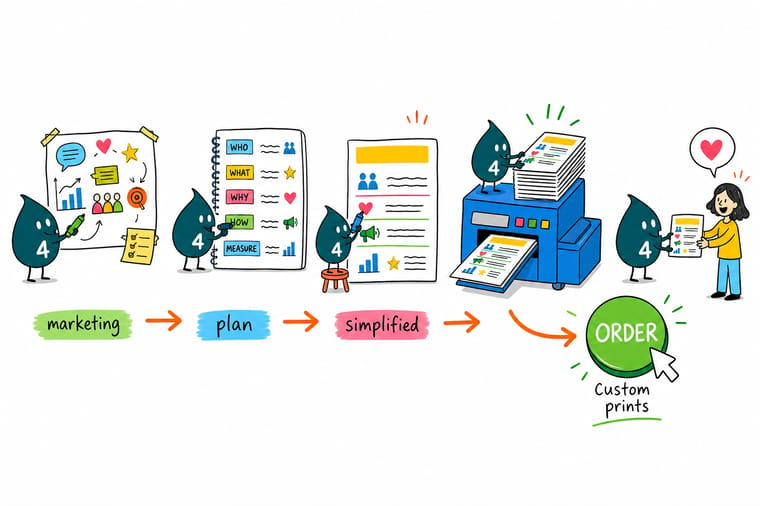
Wally keeps one page on the wall. It names who he prints for, what goes out to them this month, what that costs, and the number he counts at the counter. Two channels, not six, because a small budget spread thin proves nothing anywhere. On the first Monday he checks three figures and either doubles a channel or drops it, and nothing is ever left to keep an eye on. The research still happens, it just lives in his notes so the page holds only decisions.
Print your monthly postcards →Specs and pricing
The three formats a small plan reaches for
Sizes, stocks and starting prices for the pieces most one page plans commit to, straight from the 4OVER4.COM configurator.


Print it
Order the quarter in one run


Explore more
Where to go next


By the numbers
The print behind the plan, at 4OVER4
Common Questions
Your marketing plan questions, answered
What is a simplified marketing plan?
It is a marketing plan cut down to the decisions you will actually act on this quarter, written on a single page. It names the buyer, the offer, the two channels that reach that buyer, the money set aside, and the one number you will count to judge the result. The research, the competitor read and the positioning work still happen. They stay in your notes instead of the plan, because a page you reopen every month beats a document you wrote once and filed.
How long should a small business marketing plan be?
The working version should fit on one page, and there is a practical reason rather than a stylistic one. A page forces you to choose. The moment you have room for nine channels you will list nine channels, split a small budget across all of them, and none will get enough spend or enough time to prove anything. If you also need a formal plan for a bank or a landlord, write that separately and keep the two in sync.
Do I still need market research if the plan is one page?
Yes, and skipping it is the most common way a short plan goes wrong. The page is the output of the research, not a replacement for it. You still have to find out who is already buying, what they call the problem in their own words, and what the alternatives near you charge. Spend an afternoon on customer calls and a walk around the competition, then compress what you learned into the WHO line.
How much should a small business spend on marketing?
There is no universal percentage worth repeating, and any figure quoted without your margins attached is noise. The usable rule is this: pick a monthly number you could lose for two consecutive quarters without touching payroll or rent, then hold it steady long enough to read a result. A steady modest budget teaches you more than an occasional large one, because it produces repeat exposure to the same list rather than one burst nobody remembers.
Which channels belong on a one page plan?
The two closest to where your buyers already are. For a business that sells to a neighborhood, that usually means something mailed or handed over plus one online channel you can answer quickly. For a business that sells nationally it is more often search plus email. The test is not which channel is fashionable, it is which one you can keep feeding every week without a marketing hire.
How often should I rewrite the page?
Review it monthly, rewrite it quarterly. The monthly review changes numbers and kills channels that have had a fair run. The quarterly rewrite is where the WHO line and the offer can change, because those need a full cycle of evidence before you move them. Rewriting the buyer definition every month means you never find out whether the last definition worked.
Can I use a one page plan to apply for a loan?
No. A lender reads the marketing section to see whether your revenue forecast is believable, so they want the market size, the competitor landscape, the pricing logic and month by month projections. Give them the full document. The one page version is the internal tool that keeps the week honest, and the two serve different readers.
Get Started
Order 50 flyers from $39.54
Pick the format, set the quantity for the whole quarter, and we print the postcards, flyers and cards your one page plan commits to.
Legal Disclaimer
Gold Standard guarantees apply to all standard orders placed through 4over4.com. Price match requires verifiable proof of a competitor's published price for an equivalent product with matching specifications and turnaround time. Satisfaction guarantee covers manufacturing defects and print quality issues. Contact support with order number and documentation. On-time delivery rate based on tracked orders 1999 to 2026. Individual results may vary based on shipping carrier performance.
