
How to Keep Them Coming Back After the First Sale


Retention is a schedule, not a feeling. What makes customers drift, how to set the return up while they are still in front of you, and how to tell whether any of it is working are all below.
Customers come back when something reminds them it is time and something makes you the obvious choice, and both are cheaper to install during the first purchase than to chase afterwards. Set the next date or a dated offer before they leave, leave one physical thing in their hands, then run a fixed sequence of touches anchored to your own median gap between order one and order two. Judge it on cohort repeat rate, that median gap, and revenue per customer over twelve months.
Quick answer
A trigger, a reason, and a schedule that does not need you
People stop buying because nothing reminded them, not because they chose to leave. Install the trigger while the sale is still warm with a booked date, a dated offer, or a magnet on the refrigerator, then run five scheduled touches spaced around the gap your own customers actually leave between their first and second order. Keep price out of the standing message so full price stays the real price, and read the results as monthly cohorts rather than one blended number.
Why Repeat Customers Quietly Disappear
Ask a lapsed customer why they stopped and you rarely get a complaint. You get a shrug. They moved, they got busy, the need came up on a Tuesday when somebody else was in front of them. Anger is loud and easy to fix. Drift is silent, and it is what takes most of your customers.
Drift has two causes and they need different answers. The first is no trigger: nothing told the customer it was time. The second is no reason: at the moment of choosing, nothing separated you from the next option. A reminder without a reason is spam. A reason nobody hears is a secret. You need both, and they are cheaper to install at the point of sale than to retrofit six months later.
There is a third cause, and it sits on your side of the counter. New-customer spend is easy to measure, so it feels productive. A returning customer arrives quietly with no click attached, which makes retention look like it costs nothing and produces nothing. Businesses cut the quiet line item first, and only notice a year later when the funnel has to work twice as hard to stand still. Our marketing strategy guides cover the acquisition half of that picture.
One thing retention cannot do: rescue a bad first purchase. If the haircut was uneven or the delivery was late, every follow-up you send is a reminder of it. Fix the product first. Retention amplifies whatever the customer already thinks of you.
Build the Second Visit Into the First One
The cheapest retention work in your business happens while the customer is still in front of you, or while the box is still open on the packing bench. Attention is at its highest and it costs nothing to use.
Three mechanics do the heavy lifting:
- Book the next date before they leave. Dentists and salons have known this for decades. A date on a calendar beats a message sent into a void three months later, because the decision was made when goodwill was highest.
- Give a reason with an expiry on it. "Come back soon" does nothing. "Fifteen off any service, good through March 31" sets a deadline, and the deadline is what creates the second visit. Print the date. A vague offer is easy to defer forever.
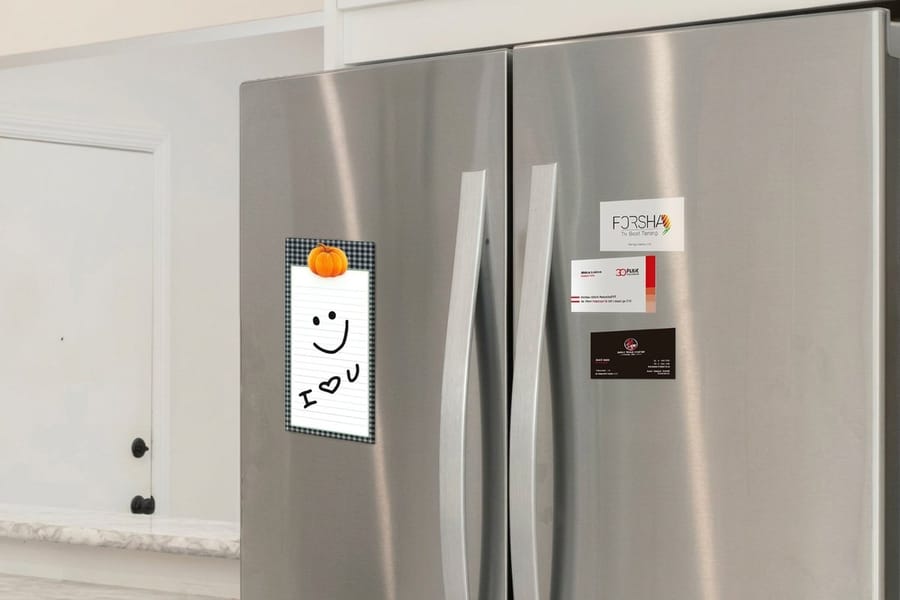
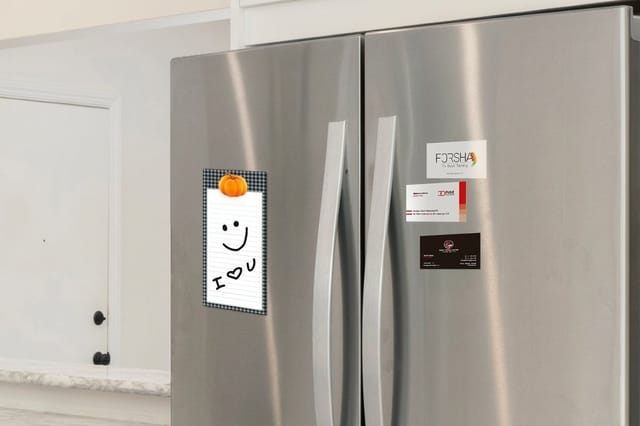
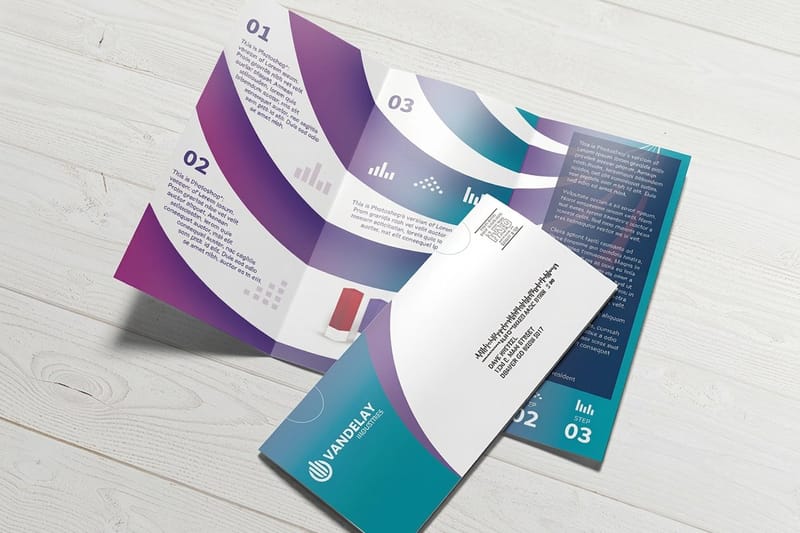
- Leave something physical where the decision gets made. Screens are crowded and a business card ends up in a drawer. A magnet on the refrigerator door survives the desk clean-out and sits at eye level in the room where household decisions are made. Business card magnets start at $19.68, which is the least you can spend to stay visible for a year.
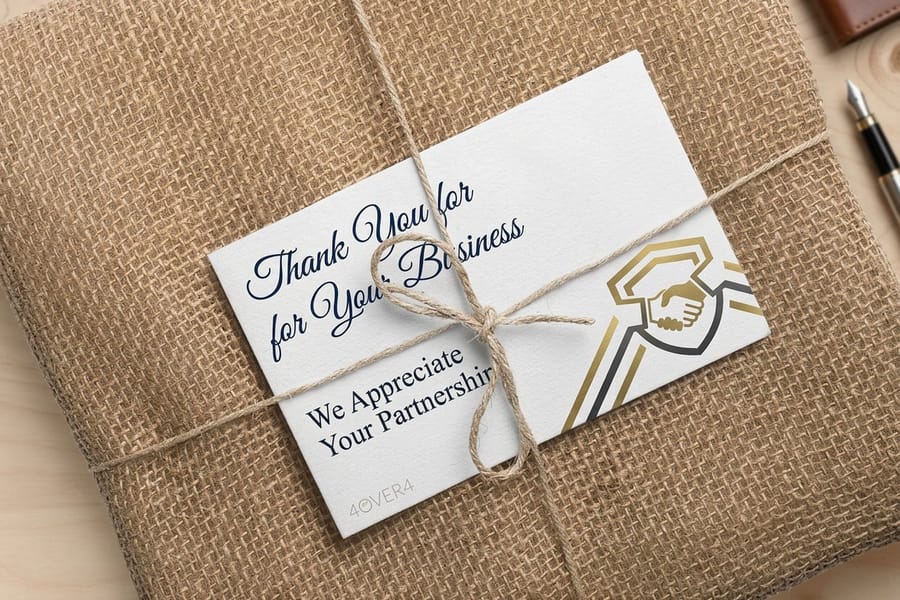
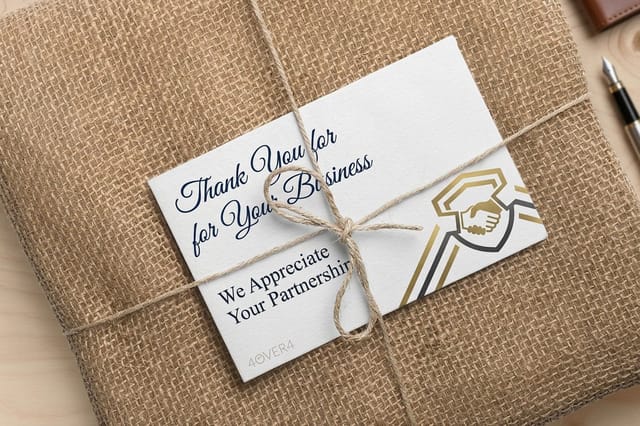
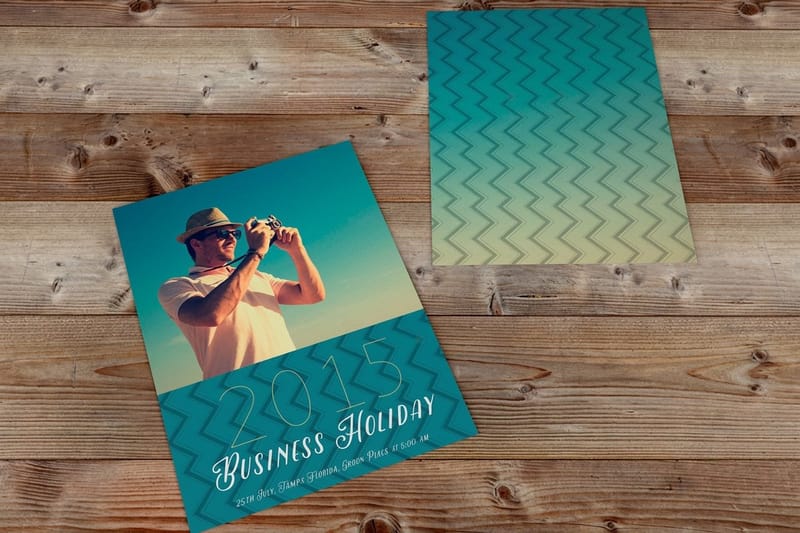
The other in-the-box move is a note. A short business thank you card with a real signature costs $19.77 to start, and it is the only marketing piece customers routinely keep. Write one line, sign it, resist the temptation to staple an offer to it. The card's job is to make the next message welcome.
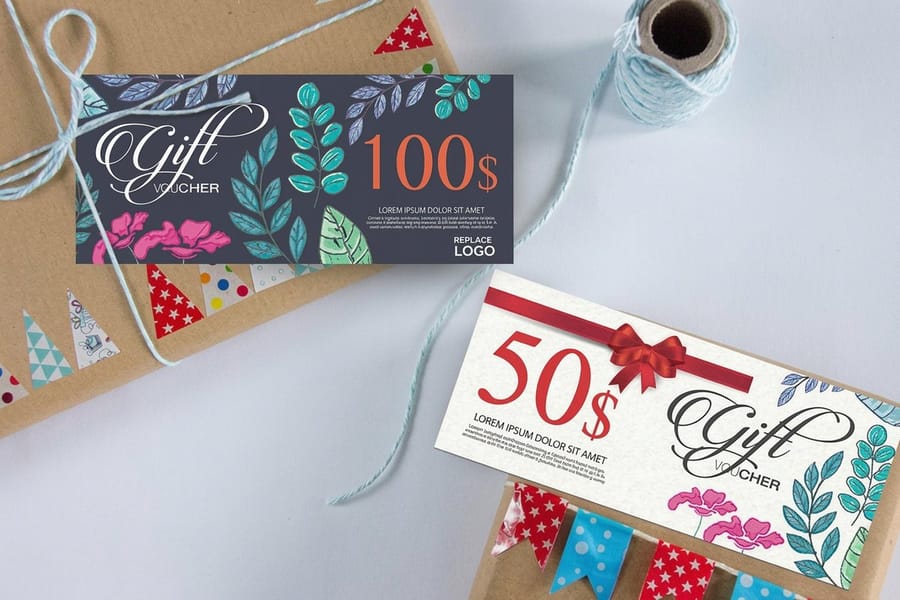
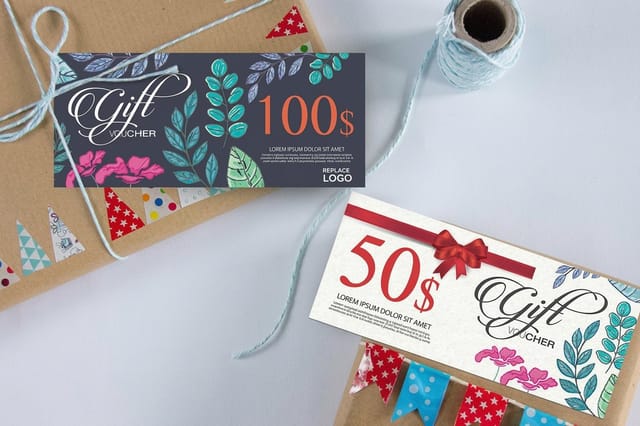
For anything sold as a gift or shared between people, gift certificates start at $42.84 and do a second job: they put your name in the hands of somebody who has never bought from you, with a spending decision already made for them.
A Follow-Up Schedule That Runs Without You

Most follow-up fails because it is remembered rather than scheduled. Write the sequence once, give each stage exactly one job, and let it run. The version below suits a business where people buy every month or two. Move the days, keep the shape.
| When | Touch | What it says | Its one job |
|---|---|---|---|
| Day 2 | Card in the box or a plain email | Thanks, here is what happens next, reply to this if anything is off. | Make the next message welcome. |
| Week 3 | How to get the most out of what they bought. | Turn a purchase into a habit. | |
| Day 45 to 60 | Email or text | Time to restock, rebook, or service it. | Catch the natural repurchase window. |
| Day 90 | Postcard | A specific offer with a printed expiry date. | Convert the ones who drifted. |
| Day 180 | Mailer, then stop | It has been a while, here is what changed, valid until this date. | One honest win-back, no nagging. |
Read the last column, not the first. If two stages share a job, one of them is noise. And every stage needs an exit: the moment someone buys, the sequence stops and restarts at day two. Sequences that keep firing after a purchase are the fastest way to teach people to ignore you.
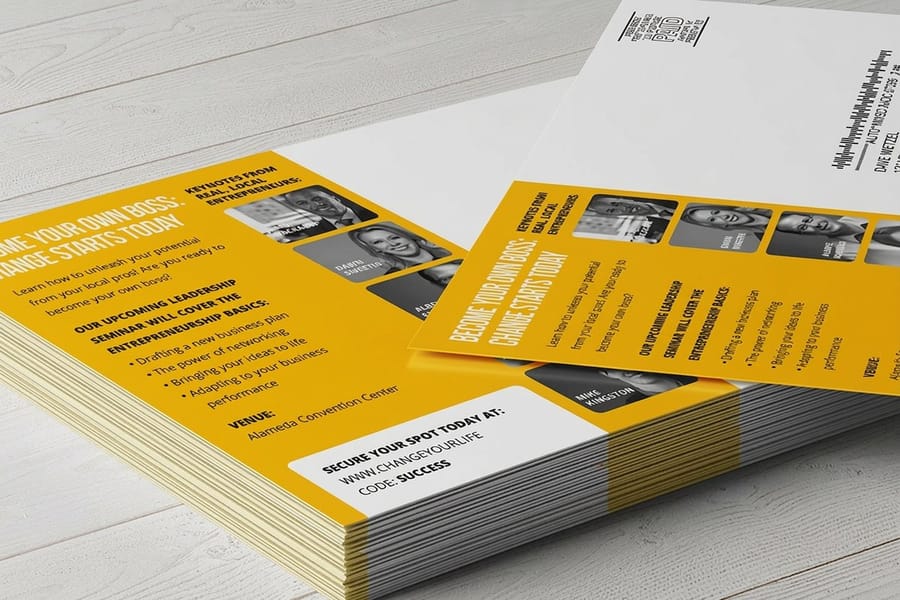
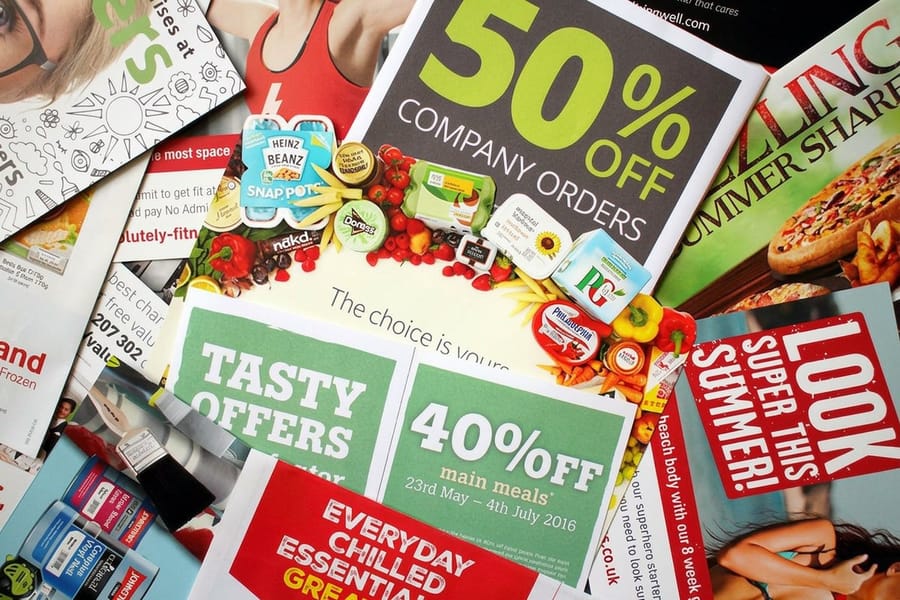
Channel matters more at the back of the sequence than the front. Early on, email is fine because the customer remembers you. By day ninety they do not, and an email competes with two hundred others while a postcard competes with a bank statement. That is the whole argument for print at the win-back stage. Standard postcards start at $16.48, and direct mail postcards start at $89.68 if you would rather hand over the list and the mailing. Our guide to laying out a postcard for mailing covers the address panel rules, and direct mail agency versus DIY works out where the handover stops paying.
Pick a Loyalty Mechanic Your Margin Can Carry
Every loyalty scheme is a discount with better manners, so start from the arithmetic and work back. Give the eleventh purchase free and you have discounted the cycle by roughly nine percent, one purchase in eleven, before you subtract the fact that your real cost is the cost of goods rather than the price. If that number is bigger than your margin allows, the answer is a shorter card or a cheaper reward, not a bigger promise.
- Punch cards suit high frequency and low ticket. The reward arrives while the card is still in the wallet. They fail on anything bought twice a year, because the card is lost long before it fills.
- Points are flexible and forgettable. A balance that lives only inside an app nobody opens is not a loyalty program, it is a database. Points need a visible balance on every receipt or message to do anything at all.
- Paid membership is the strongest mechanic because the fee itself creates commitment: people use what they have already paid for. It is also the riskiest, since it manufactures a renewal date, and a year of thin value turns that date into a churn event.
- Referral credit beats all of the above for low-frequency, high-ticket work. A roofer cannot sell you a second roof, but the neighbor is worth more than any punch card. Hand the credit over as something physical the customer can pass on rather than a code they will lose.
Whichever you choose, the reward has to be reachable. A threshold nobody hits is worse than no scheme, because the customer notices they are being strung along. Set it where a normal customer arrives in two or three cycles, then leave it alone. Changing the rules mid-program costs more goodwill than the scheme ever earned.
One more thing worth spending on: give staff a small budget to say yes. A replaced item or a waived fee, decided on the spot, buys more repeat business than a points balance ever will. If you are printing the cards and certificates for a scheme, our bulk discount tiers make a single larger run cheaper per piece than reordering every quarter.
Three Numbers That Tell You If It Is Working
Retention is measurable with data you already have, which is why there is no excuse for running it on instinct. Three numbers are enough.
Repeat rate. Of the customers who bought for the first time in a given month, how many have bought again since. Not the blended figure across all customers, which moves whenever acquisition moves. Take January's first-time buyers as one group, February's as another, and compare each group at the same age. A strong month of new customers pushes the blended number down and hides an improvement that is genuinely happening.
Median days between order one and order two. This is the number your whole calendar hangs on. Pull it, then set the restock touch a little before it rather than after. Watching it shrink is the clearest sign your follow-up is doing something, and it moves before revenue does.
Revenue per customer over twelve months. The check on the other two. A scheme that raises visits while cutting the average basket can leave you busier and poorer, which is the classic outcome of an over-generous discount. If visits are up and this number is flat, the discount is eating the gain.
Two rules for reading them. Do not compare your repeat rate to another industry's, because purchase frequency sets the ceiling and a grocer will always beat a furniture shop. And give a change one full purchase cycle before you judge it. A new sequence launched in March cannot be assessed in April if your customers buy every ninety days.
Wally explains the second visit
Set the return up while they are still standing there

Wally never waves goodbye empty handed. He puts a signed thank you card in the box, sticks a magnet on the fridge where the household decisions get made, and writes a real expiry date on the offer so it cannot be put off forever. Then he waits. Two days, three weeks, two months, and a postcard at day ninety if they have gone quiet. One message per stage, each with one job, and the whole sequence stops the moment they buy again.
Print business thank you cards →Specs and pricing
The pieces the schedule needs, sized and priced
The card for the box, the magnet for the refrigerator, and the postcard for day ninety, with live configuration choices and starting prices from the 4OVER4.COM configurator.



Print it
Order the pieces that bring people back
Explore more
Where to go next




By the numbers
Repeat business printed on time at 4OVER4
Common Questions
Your customer retention questions, answered
How soon should I contact a customer after the first purchase?
Within about two days, and with nothing to sell. The first contact after a sale should confirm the decision they just made, tell them what happens next, and give them a name to reply to. An offer at this point reads as if the sale was the start of a pitch rather than the end of one. Save the ask for the second or third touch, once the product has actually been used.
Do discounts hurt long-term retention?
Standing discounts do. If every message carries a percentage off, customers learn the real price is the discounted one and start waiting for it, which shrinks margin without buying loyalty. Dated offers behave differently because the deadline, not the amount, does the work. A smaller offer with a printed expiry usually outperforms a bigger open-ended one, and it stops training people to hold out.
Which loyalty mechanic should a small business pick?
Match it to margin and to how often people buy. High frequency and low ticket suits a punch card, because the reward arrives before anyone forgets the card exists. Low frequency and high ticket suits referral credit or a maintenance reminder instead, since a points balance earned once a year is invisible. Paid memberships work only where you can deliver enough value inside twelve months to make renewal obvious.
What does a punch card actually cost me?
Give the eleventh purchase free and you are giving away one purchase in eleven, which is roughly nine percent of the revenue in that cycle, though your real cost is the cost of goods on that free item rather than its price. That arithmetic sets the ceiling. If nine percent of a cycle is more margin than you have, shorten the card, cap the value of the free item, or reward with an add-on that costs you little and looks generous.
How often can I mail a customer before it becomes annoying?
Frequency is less of a problem than repetition. A quarterly postcard that says something different each time gets read. A monthly one that repeats the same offer gets binned by the second arrival, and the third teaches people to bin it unopened. Tie each mailing to a real event, a season, a restock window, or an expiry date, and stop the sequence when someone buys instead of letting it run.
What should I do about customers who have been quiet for a year?
Send one honest win-back, then stop. A single piece that acknowledges the gap, names what has changed since they last bought, and carries a deadline is worth more than six more emails into a dead inbox. Print helps here because a mailbox is far emptier than an inbox. Standard postcards start at $16.48 at 4OVER4.COM, and direct mail postcards start at $89.68 when you want the mailing handled rather than doing it yourself.
Get Started
Order 25 business thank you cards from $19.77 to start the second order
Print the card that goes in the box, the magnet that stays on the refrigerator, and the postcard that lands at day ninety, all from one order.
Legal Disclaimer
Gold Standard guarantees apply to all standard orders placed through 4over4.com. Price match requires verifiable proof of a competitor's published price for an equivalent product with matching specifications and turnaround time. Satisfaction guarantee covers manufacturing defects and print quality issues. Contact support with order number and documentation. On-time delivery rate based on tracked orders 1999 to 2026. Individual results may vary based on shipping carrier performance.
