
How to Start Public Speaking and Find Speaking Opportunities


The rooms that book beginners, the talk that earns the second invitation, and the printed pieces an organizer expects at each level.
Start where the bar is low and the reps are cheap: Toastmasters clubs, chambers of commerce, rotary lunches, library programs, industry user groups and nonprofit boards all fill a speaking slot every month and rarely ask for a track record. You climb to the next level by bringing evidence from the last one, which means a recorded talk, a one-page speaker sheet and a card that names your topic. Pitch a specific title with three audience takeaways rather than offering to speak about your work in general.
Quick answer
Ask the groups that need a program every month
Speaking opportunities are filled by people who have to fill them. Local clubs, chambers, libraries, association chapters and meetup groups schedule a speaker on a fixed cycle, and most of them are looking harder than the speakers are. Send a title, three takeaways and a date range. Record the talk, use the clip to apply to a conference call for speakers, and let each booking pay for the next one.
Why Speaking Is Worth the Discomfort
Speaking puts you in front of a room that has already agreed to listen for twenty minutes. Nothing else in marketing buys that kind of attention, which is why the payoff shows up as inbound calls, referrals and invitations rather than as a fee.
Be honest about the timeline. The first year is mostly unpaid rooms of thirty people, and the work is real: writing the talk, driving to the venue, and standing up while your hands shake. What you get in exchange is compounding. One library talk becomes a chamber talk because someone in row two sits on the chamber board. That chamber talk becomes a regional association slot because their programming chair was at the lunch.
The channel suits some people badly. If your business needs revenue this quarter, run a flyer campaign or a mailer instead and come back to speaking when the pipeline can wait. Speaking is a slow asset that pays for years, not a switch you flip.
It also has a second effect that people underrate. Preparing a talk forces you to say what you actually believe about your field in ordinary words, and that clarity leaks into your website, your sales pitch and every proposal you write afterwards.
Finding a Presentation Style You Can Repeat
Style is not personality, it is a set of habits you can perform on a bad day. Pick habits that survive a tired room, a broken projector and a late start.
Start by recording yourself telling a colleague about your work for three minutes with no notes. Watch it back with the sound off, then with the picture off. The sound-off pass shows you what your hands and eyes do. The picture-off pass shows the filler words and the places where your pitch flattens. Almost everyone finds the same two things: they speak faster than they think they do, and they drop the ends of sentences.
- Choose one delivery mode and commit. Storyteller, demonstrator or teacher. Trying to be all three inside twenty minutes reads as unfocused.
- Fix your first ninety seconds word for word. Rehearsed openers carry you past the adrenaline spike, and after that you can loosen up.
- Decide where you stand. Pacing looks confident to the speaker and restless to the room. Three positions and deliberate moves between them is enough.
- Plan for no slides. If the talk collapses without the deck, the deck is doing the work and you are narrating it.
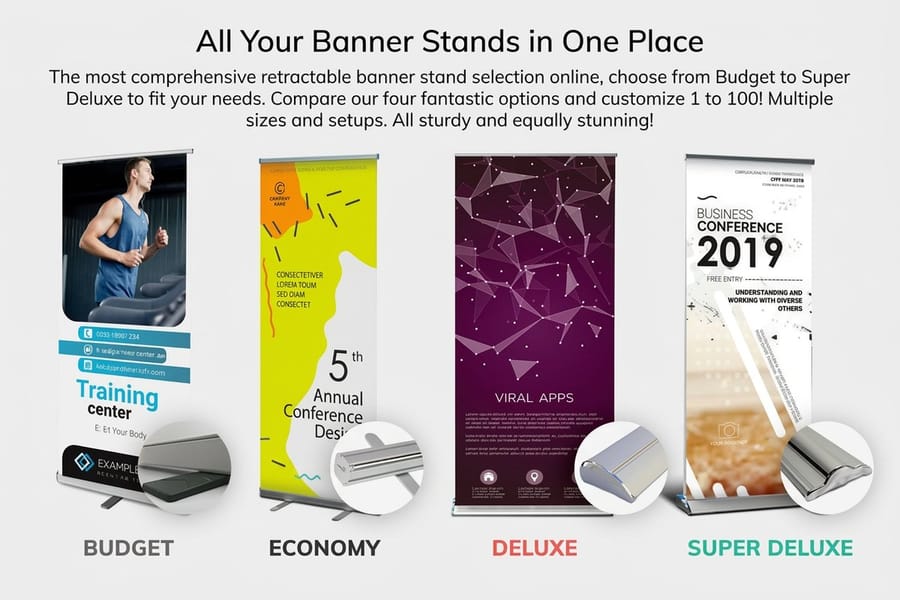
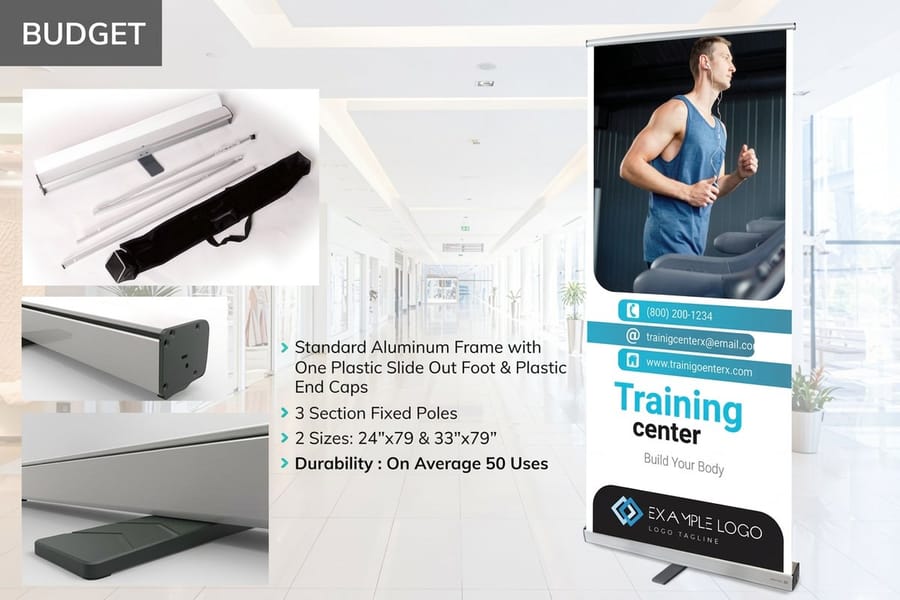
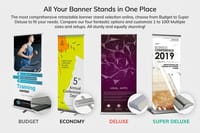
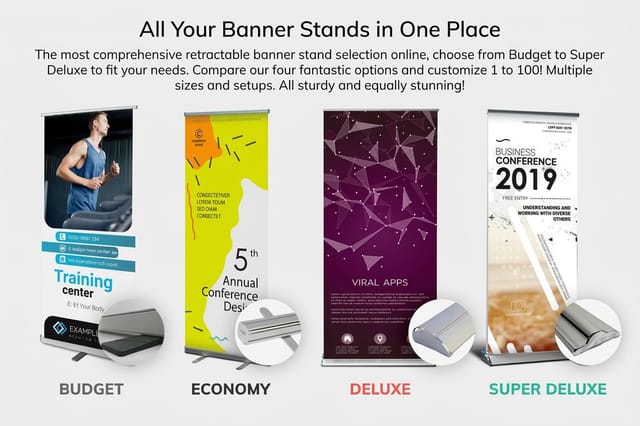
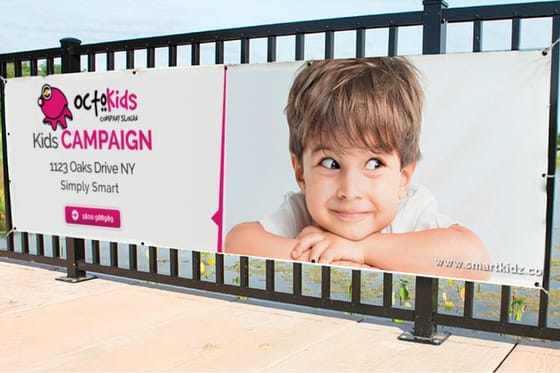
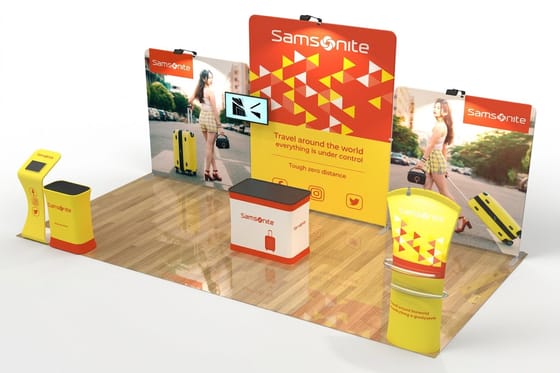
Practical detail that gets ignored: know what is behind you. A retractable banner stand at $139 gives you a clean, branded backdrop in a hotel function room with a beige wall, and it means every photo taken of you that day carries your name. It sets up in under a minute and travels in a padded tube.
Building a Talk That Survives a Bad Room
Write the takeaways before the talk. Three sentences that start with the words "you will leave knowing" define the session, and everything that does not serve one of them comes out.
Then build backwards. Open with the problem the audience already has, not with your background. Give the first takeaway a story, the second a demonstration, the third a checklist. Close by repeating the three takeaways in the same words you used at the start, because repetition at the close is what people quote to a colleague the next morning.
Rehearse standing up, out loud, in the actual order, at least six times. Reading the deck through in your head is not rehearsal and it is the reason talks run long. Time the sixth run: if twenty minutes of material takes twenty six, cut a section rather than speaking faster.
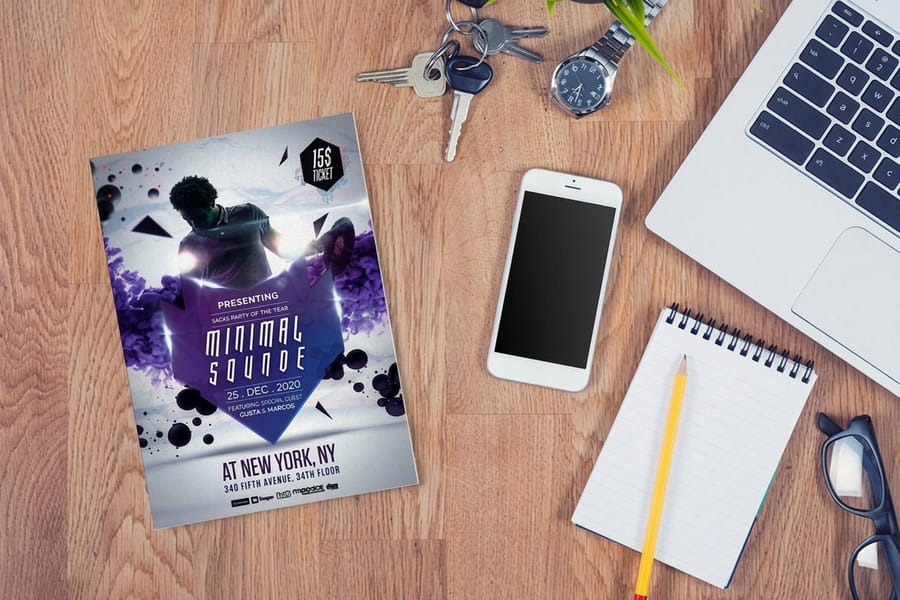
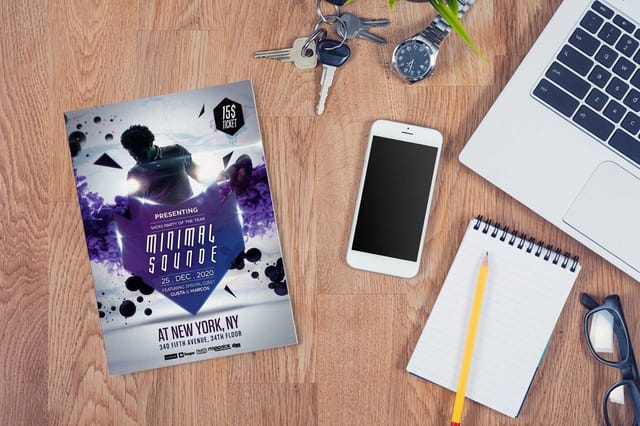
The handout is part of the talk, not an afterthought. A one-page sheet with the three takeaways and the checklist means nobody has to photograph a slide, and it stays on a desk for weeks. Print it as a standard flyer on a heavier text stock so it does not curl in a bag, and put your speaker page URL in the footer. Our guide to paper weight for flyers covers which stock holds up to handling.
Where the First Speaking Opportunities Actually Come From

The first gig comes from a group that has a programming slot to fill every month and nobody queueing to fill it. That describes far more organizations than new speakers expect.
| Where to ask | Who books it | What they want from you | What you carry |
|---|---|---|---|
| Local meetup or club | The organizer, usually by email or through the group page. | A talk title and a two line bio, sent about six weeks out. | Business cards, nothing else. |
| Chamber or rotary lunch | A program chair who works a rolling quarterly calendar. | A title, a headshot and confirmation you are not selling from the stage. | Cards plus a one-page handout. |
| Industry association chapter | An education committee, often with a form. | A session abstract, learning objectives and any past video. | Handout, one-sheet, table display. |
| Conference breakout | A call for speakers with a published deadline. | Abstract, three takeaways, bio, headshot, video of you on a stage. | One-sheet, folder, banner stand. |
Read the last column before the first. The equipment requirement climbs slowly, which is why buying a full booth kit in month one is a waste. Cards do the whole job at a meetup. By the time you are applying to a conference call for speakers, an organizer expects to receive a proper leave-behind, and a short run presentation folder at $108.75 holds the one-sheet, the handout and a card in one piece.
Two habits shorten the climb. First, ask the host at every talk which other group they would send you to, and ask for the name. Second, apply to calls for speakers with a deadline, because they are the only opportunities where a stranger with a good abstract genuinely competes with a known name. If your topic touches events or exhibitions, the trade show planning checklist maps out the same lead times from the exhibitor side.
A Speaker Page an Organizer Can Book From
You do not need a website about you. You need one page that answers what an organizer asks before they commit: what does this person talk about, can they hold a room, and are they easy to work with.
Put six things on it, in this order. The talk titles with a two-line description under each. A two to three minute video clip of you on a stage with visible audience. A short bio written in the third person so a host can read it aloud as an introduction. A high resolution headshot with a download link, because someone will need it for a program at short notice. A line naming the groups you have spoken to. One contact route that you check.
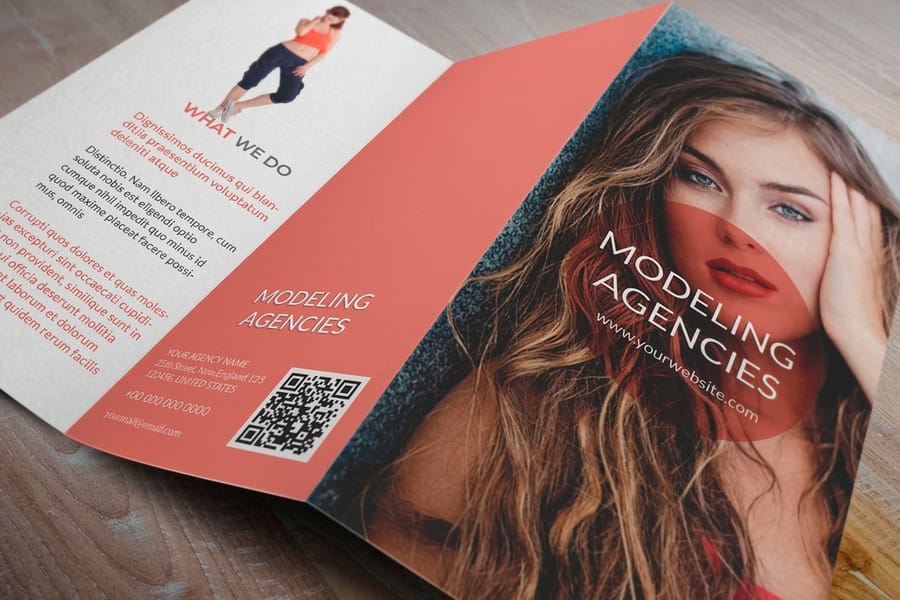
Two mistakes cost bookings. Burying the video below the fold means it does not get watched, and a bio written in the first person forces the host to rewrite it, which is friction on the day they were ready to say yes. Keep a printed version too. A short printed brochure with your topics reads well when a committee is comparing three candidates around a table.
Consistency between the page, the print and the room is what makes the whole thing feel professional. Use the same headshot, the same colors and the same topic wording everywhere. Our blank template library has correctly sized layouts to start from, and the design template gallery covers the pieces if you are not working with a designer.
Speaker Business Cards and the One-Sheet
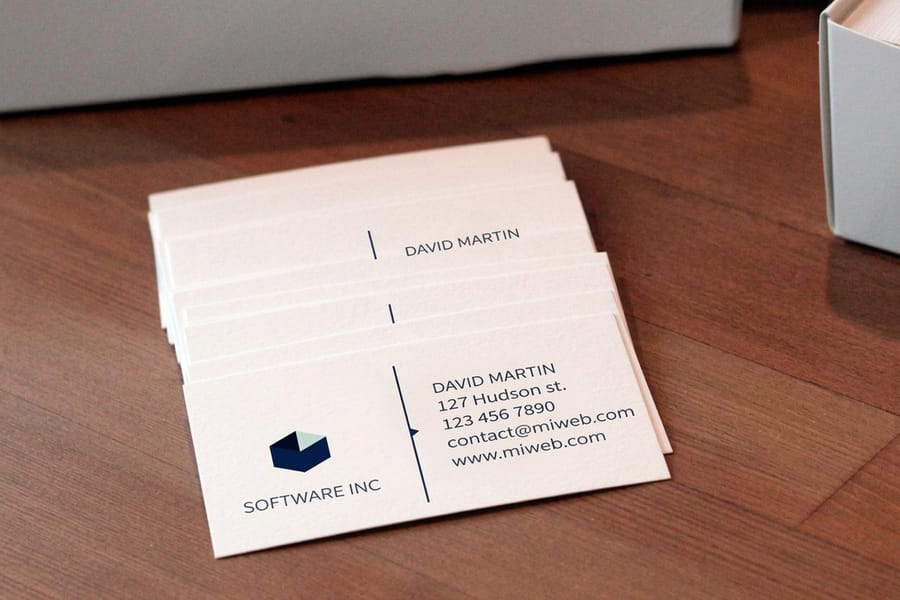
Two printed pieces carry a speaking practice. A card for the people in the room and a one-sheet for the person deciding whether to book you.
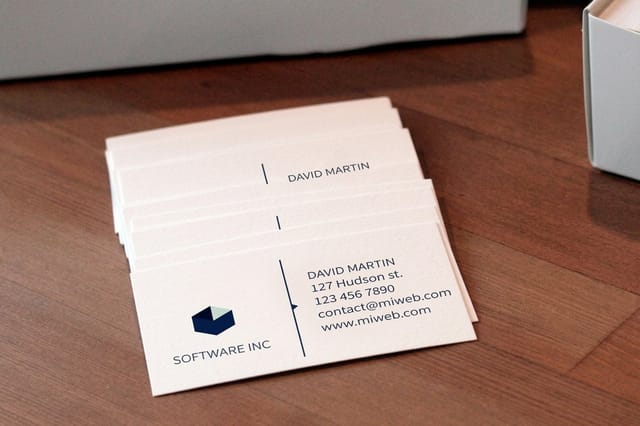
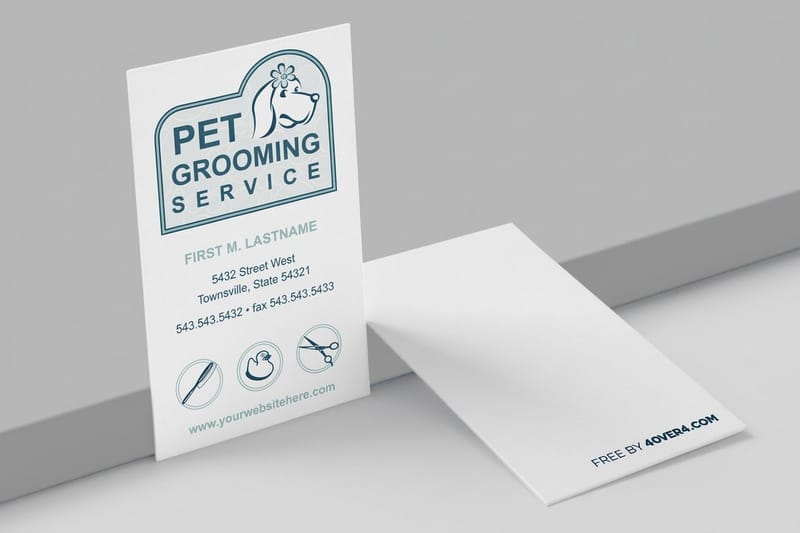
The speaker card differs from an ordinary business card in one respect: it names the topic. "Marcus Reed, supply chain risk" tells someone who took four cards at a breakfast why they kept yours. Print it on 16pt stock so it does not soften in a jacket pocket over a conference weekend, and keep the back either clear for a note or occupied by a single QR code to your talk video. Do not put both. Standard business cards start at $17.57, and if you want the card to register by feel as well as by sight, the finish comparison guide explains what matte, gloss and soft touch each do in the hand.
The one-sheet is a single page, printed one side, that a program chair can put in front of a committee. Name and headline topic at the top, one paragraph of positioning, three to five audience takeaways as bullets, a third person bio, a headshot, one or two lines of praise from a past host, and contact details at the foot. Nothing else fits, and anything that fits at the cost of white space makes it harder to skim.
Print both in small batches at first. Your topic will shift after the first six talks, and a box of five hundred cards naming a topic you have abandoned is money spent on a mistake. If you are new to card setup, the business card basics guide covers bleed, safe margins and stock, and the full range sits under business card printing.
Networking and the Pitch Email That Gets Read
Most speaking work is passed between organizers, so the fastest route to a stage is a warm introduction from someone who has already seen you present. That is a reason to speak locally before applying nationally, and a reason to stay after your talk instead of leaving.
The cold pitch still works when it is short. Keep it under 120 words and structure it the same way every time.
- One line naming their group and why the topic fits it. Evidence you looked at their calendar.
- The talk title and three takeaways. A committee can approve this without a second email.
- One sentence of proof. Where you last gave it and the link to the video.
- Your availability and a direct question. "Would March or April suit your program?" is easier to answer than "let me know if you are interested".
Follow up once after ten working days, then stop. Program chairs are volunteers with day jobs, and a second nudge reads as persistence while a third reads as pressure.
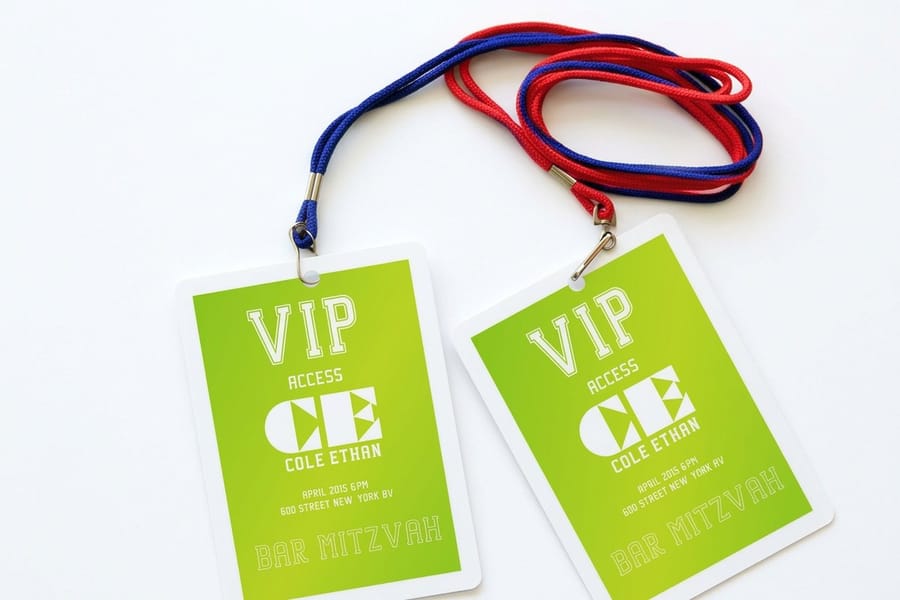
When a committee asks for material, send a package rather than three attachments. A presentation folder holding the one-sheet, the handout and a card looks like the work of someone who has done this before, and it stays intact on a desk. If your talks happen around exhibitions, the collateral that actually earns follow-up is worth reading alongside this, and event badges at $49.88 are worth ordering if you are running the session as well as speaking at it.
Wally explains getting booked
A title, three takeaways, and something they can keep

Wally does not wait for an invitation. He picks one narrow topic, writes three things the audience will leave knowing, and emails the local chamber a title with a date range. He films the talk on a phone at the back of the room. That clip goes on his speaker page, the same three takeaways go on a printed one-sheet, and his card names the topic so nobody has to remember what he does. Six months later the association chapter emails him first.
Print speaker business cards →Specs and pricing
The speaker kit, sizes and starting prices
Cards for the room, a one-page handout for the audience, and a banner for the stage, with live configuration choices and starting prices from the 4OVER4.COM configurator.

Print it
Turn up with something people can keep
Explore more
Where to go next


By the numbers
The print shop behind a speaker's materials
Common Questions
Your public speaking questions, answered
How do I get my first speaking gig with no experience?
Ask a group that meets on a schedule and needs a program every month. Chambers of commerce, rotary clubs, public libraries, Toastmasters clubs, professional associations and meetup groups all have a person whose job is filling the calendar, and most of them are behind. Send one short email with a talk title, three things the audience will leave with, and your availability. Do not send a resume. The organizer is choosing a session, not hiring you, and a concrete title makes the decision easy.
Do beginner speakers get paid?
Almost never at the start, and it is fair to plan on a year of unpaid rooms. Local groups have no speaker budget at all, regional associations often cover travel and a meal, and honorariums usually appear at the conference-breakout level. A fee shows up once an organizer can see video of you holding a room. The money in the early stage is indirect: the client who calls after your talk, the referral to another chapter, and the footage you need for the next application.
What is a speaker one-sheet and what goes on it?
It is a single printed page that an organizer can hand to a programming committee. It carries your name and headline topic, one paragraph of positioning, three to five bullet takeaways for the audience, a short bio in the third person, a professional headshot, one or two testimonial lines from a past host, and contact details. Print it on a heavier text weight so it does not curl in a folder. Standard flyers at 4OVER4.COM start at $39.54 and print the same size, which is the practical way to run a small batch.
How long should my first talk be?
Prepare twenty minutes of content and offer it as a thirty minute slot with questions. Twenty minutes is short enough to rehearse until it is genuinely solid, and it fits the lunch-meeting format most local groups run. Longer sessions punish a new speaker because the material thins out and the pacing drifts. If a host asks for forty five minutes, add an exercise or a case walkthrough rather than more slides.
What should go on a speaker business card?
Your name, the topic you speak on, one contact route, and the link to your speaker page. The topic line is the part most people leave off and it is the part that matters, because someone who took your card at a breakfast meeting needs a reason to remember why. Keep the back clear or use it for a single QR code to your talk video. Standard business cards start at $17.57 for a box, so printing a run with a speaking-specific line on them costs very little.
How do I record my talk if the event does not film it?
Bring your own setup and ask the host for permission in writing before the date. A phone on a small tripod at the back of the center aisle, a clip-on lapel microphone recording into a second phone in your pocket, and the room lights left up will produce usable footage. Audio quality decides whether a clip is watchable, so the microphone matters more than the camera. Sync the two tracks afterwards and cut a two to three minute segment where the audience is visible and reacting.
Get Started
Order 25 speaker badges from $49.88
Cards that name your topic, a one-page handout the room keeps, and a banner that puts your name behind you on every photo taken that day.
Legal Disclaimer
Gold Standard guarantees apply to all standard orders placed through 4over4.com. Price match requires verifiable proof of a competitor's published price for an equivalent product with matching specifications and turnaround time. Satisfaction guarantee covers manufacturing defects and print quality issues. Contact support with order number and documentation. On-time delivery rate based on tracked orders 1999 to 2026. Individual results may vary based on shipping carrier performance.
