
How to Create the Perfect Employee Welcome Pack


A welcome pack is five pieces, two supply lines and one deadline. Some pieces go in the box, some get printed once a year, some get printed for one person, and each carries its own cost.
A welcome pack that works holds five things: a handwritten notecard from the manager, business cards with the new name and title, a printed brand guide or week one cheat sheet, one or two genuinely useful branded items, and stickers. Order everything without a name on it as one bulk run you store on a shelf, and order only the cards and the notecard per hire, once the contract is signed and the title is final. The box should arrive a day or two before the start date, not on it.
Quick answer
Two supply lines, one box, one deadline
Split the pack before you order anything. The brand guide, the notepad, the stickers, the tote and the blank notecards carry no name, so they are one annual print run that sits on a shelf. The business cards and the signed note are the only pieces printed for a specific person, and they wait for the signed contract and the final job title. That split is what keeps the cost sane and the box on time, because the slow, high minimum items are already in the building when a hire says yes.
Why a Welcome Pack Earns Its Place in Onboarding
A new hire spends their first morning being handed logins. A box with their name on it is the one part of day one that was prepared before they arrived, and people can tell the difference between something bought that morning and something ordered two weeks earlier.
That is the whole argument, and it does not need a statistic behind it. The pack does three practical jobs. It gives the hire something to hold while the accounts are still being set up. It answers the small questions nobody schedules a meeting for, which is what the printed cheat sheet is for. And it hands them business cards, which quietly says the company expects them to be introducing themselves to customers.
The part most companies get wrong is timing rather than contents. A box that arrives in week three has missed its job. Work backwards from the start date, allow print turnaround and shipping, and order the personalized pieces the same week the signed contract lands. Our guide to how online printing works covers where each stage of that schedule actually goes.
What Goes in a Branded Welcome Pack
Start from five pieces and add only what a hire in your company genuinely needs. More items do not make a better pack, they make a heavier one.
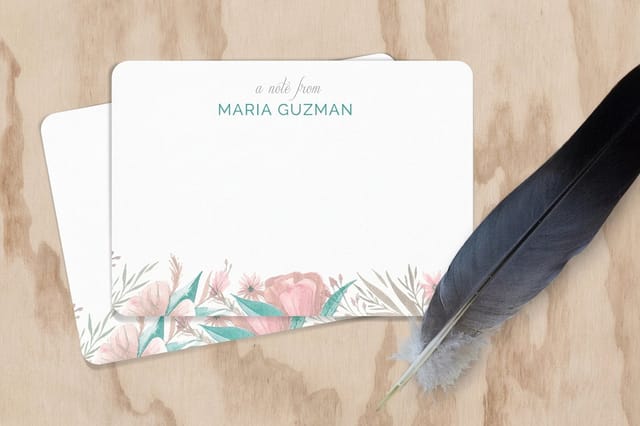
- A handwritten notecard. One paragraph from the direct manager, written by hand. It is the cheapest item in the box and the one people keep.
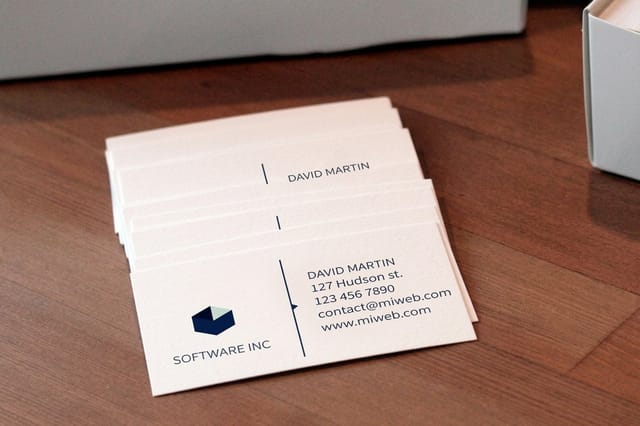
- Business cards. Name and title, matching the template every other person on the team already uses.
- A printed brand guide or cheat sheet. Logo rules, colors, fonts, and the practical week one information.
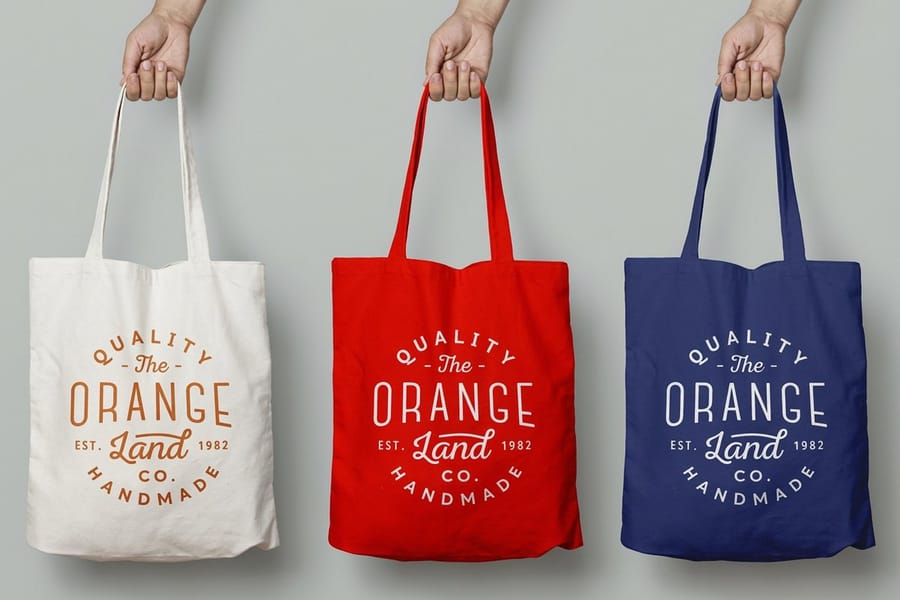
- One or two useful branded items. A notepad, a tote or a mug. Useful beats clever.
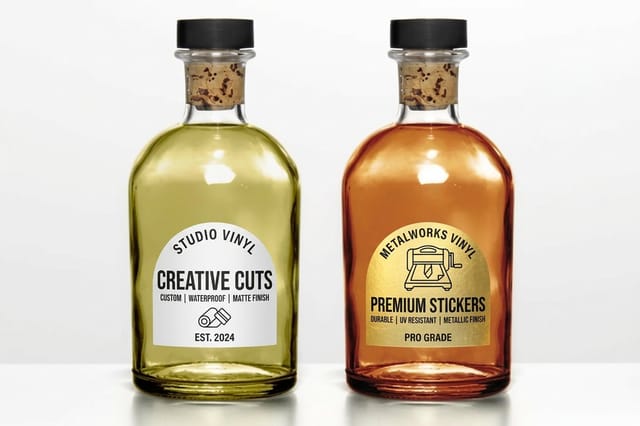
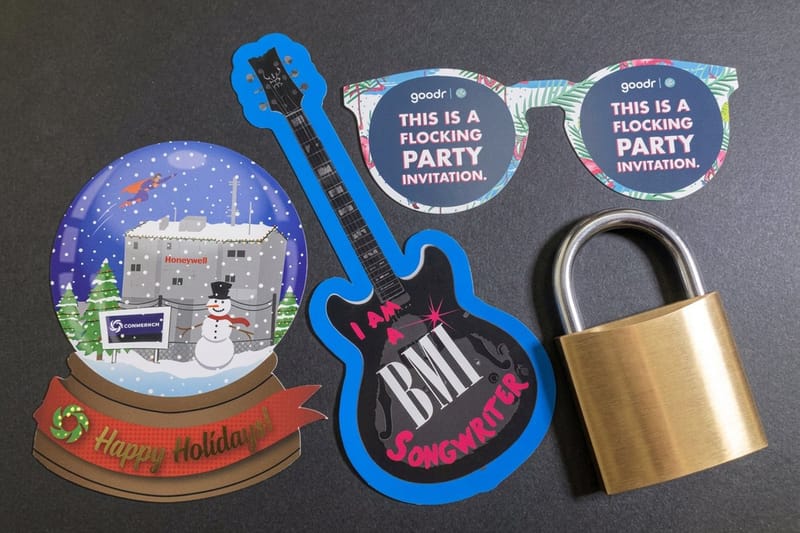
- Stickers. The item that leaves the building on a laptop lid and gets seen by people you never hired.
Pack it in reverse reading order. The notecard sits on top so it is read first, the cards and the cheat sheet go under it, and the merch fills the bottom of the box. If you use a branded tote as the container, everything else goes inside the tote and the notecard is taped to the handle. It sounds fussy. It is the difference between a considered box and a pile of stuff.
What to leave out: anything dated, anything with a year printed on it, and anything sized for one person. A branded hoodie needs a size you do not have yet, which turns a nice gesture into an email exchange in week one.
Business Cards and Notecards for the New Hire
These are the two pieces that carry a person's name, so they are the two that cannot be printed in advance. Everything else in the pack can sit on a shelf for a year.
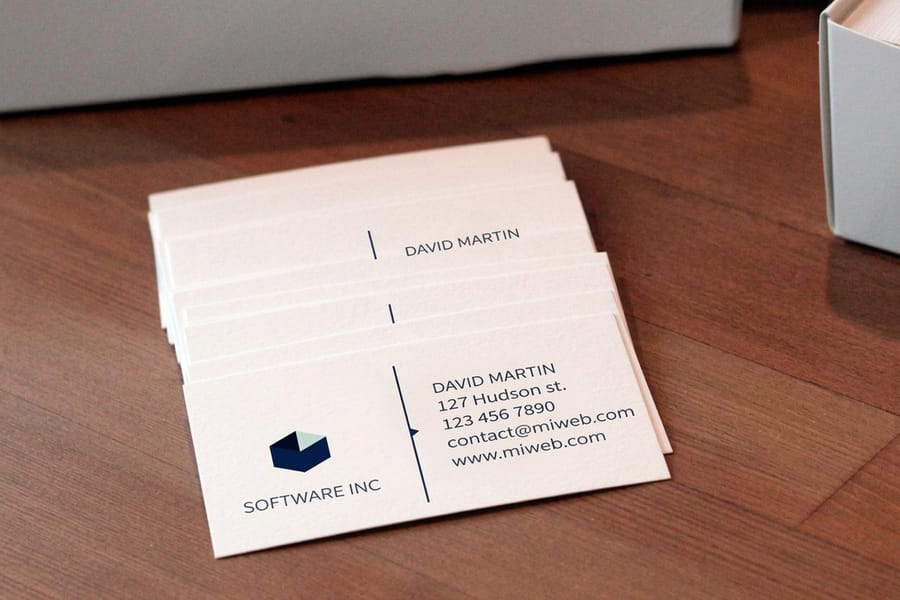
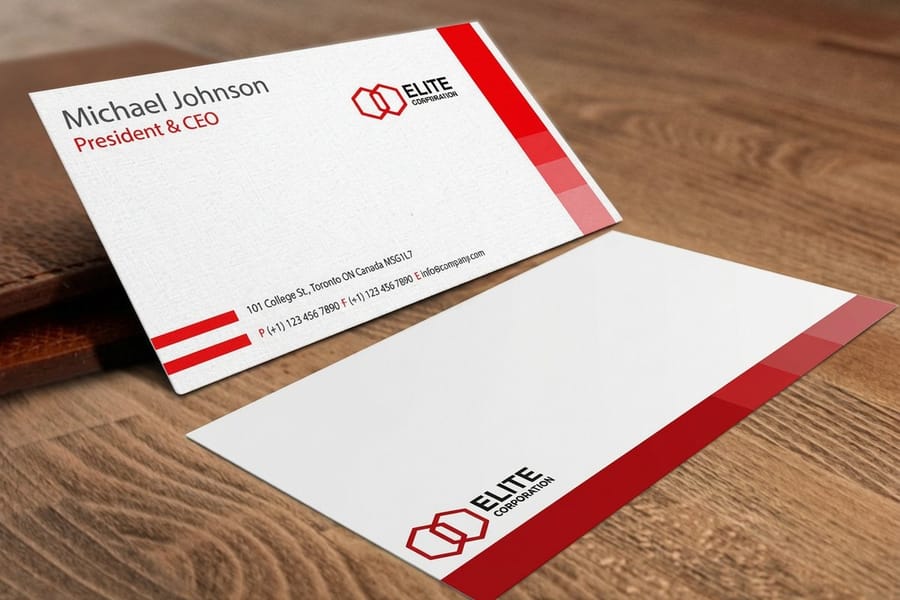
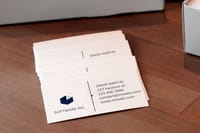
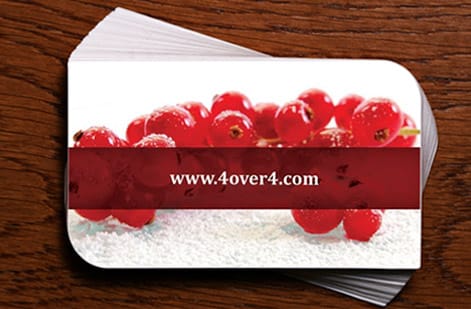
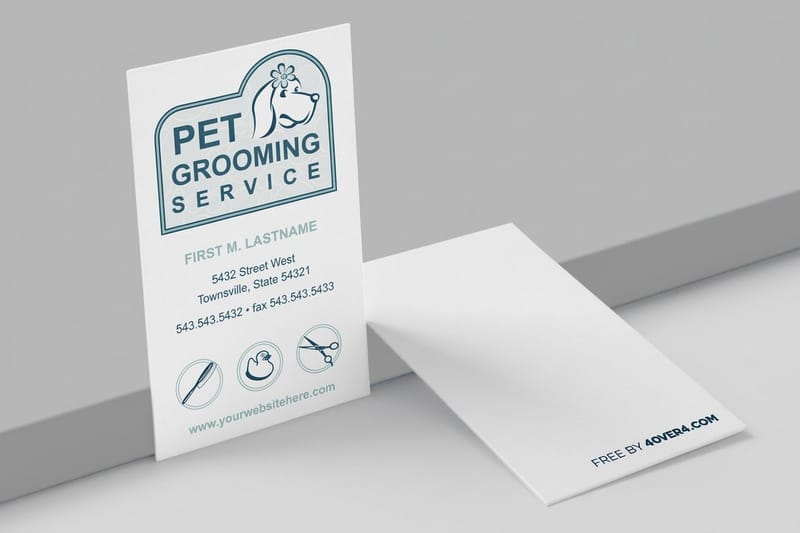
For the cards, wait for the signed contract and the final job title. Titles get adjusted during the first weeks more often than HR expects, and a card that says the wrong thing is worse than no card at all. Standard business cards start at $17.57, so ordering a modest run per person and reordering later costs far less than printing a thousand on the first day and binning most of them. Keep one locked template with the name and title as the only variable fields, or you end up with five slightly different cards representing one company. The company business card branding guide covers holding that template together as a team grows.
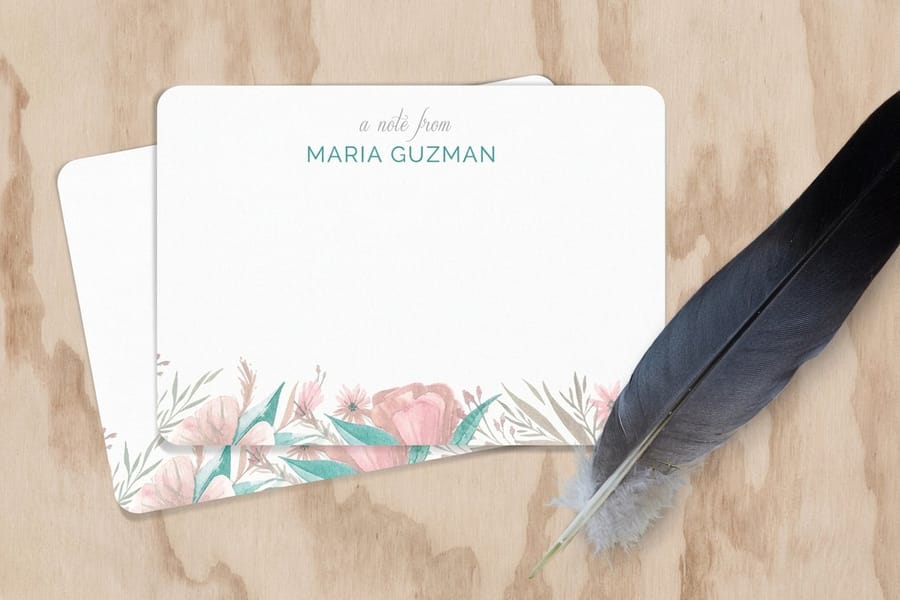
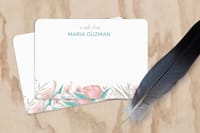
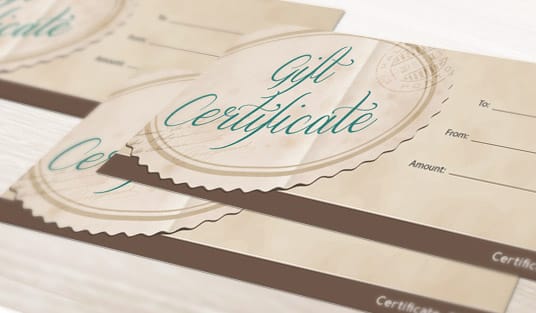
For the note, use a real card and real handwriting. Flat notecards start at $19.77 and are printed blank on the writing side on purpose, so a manager can add three sentences that no template can produce. Order these blank in bulk, because they are not personalized at the print stage. The only rule worth enforcing is that a person signs it, not a department.
If you want the whole stationery family to match, building a branded stationery set keeps the notecard, the letterhead and the envelope on the same stock and the same ink build. You can lay any of it out from a correctly sized file in the blank template library.
The Printed Brand Guide and the Week One Cheat Sheet
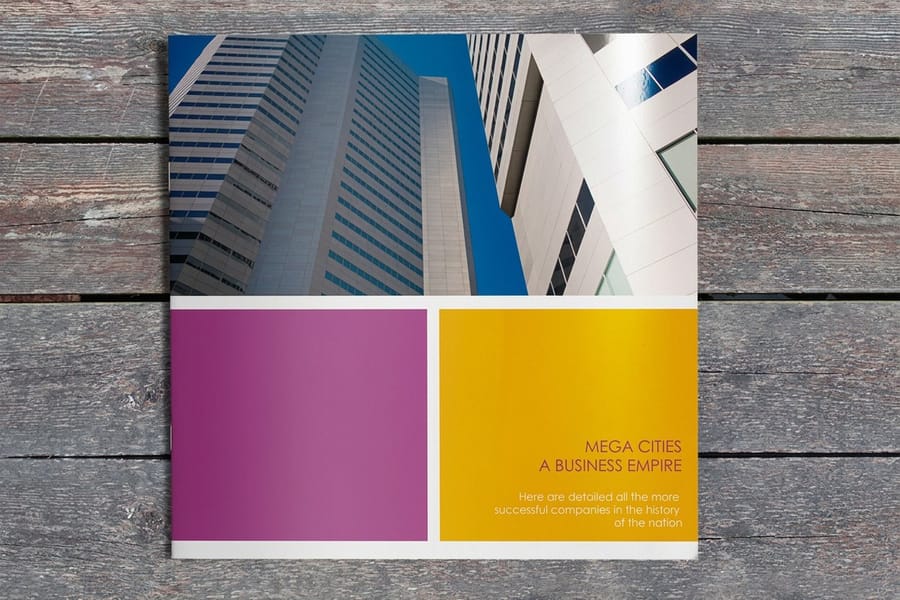
Most companies have a brand guide as a PDF that nobody opens. Printed and put in a hand, it gets read once, which is once more than the file on the shared drive.
Keep it short and practical. The pages that earn their space are the logo with its clear space and its minimum size, the brand colors written as hex, CMYK and Pantone rather than described in words, the two approved typefaces with the weights that are actually licensed, one page of what not to do with the logo, and the email signature format. Anything longer becomes a document that goes out of date faster than you reprint it.
Standard booklets start at $240.55 for a run, so the honest advice is a threshold. Above roughly 25 hires a year, a printed booklet is worth the setup and reads as a real piece of company documentation. Below that, print the same content on one folded sheet or a two sided card and update it whenever the brand does. The cheat sheet matters more than the booklet either way: who to ask for what, how the first week is structured, the names and faces of the five people they will work with daily, and the door code or the VPN instructions.
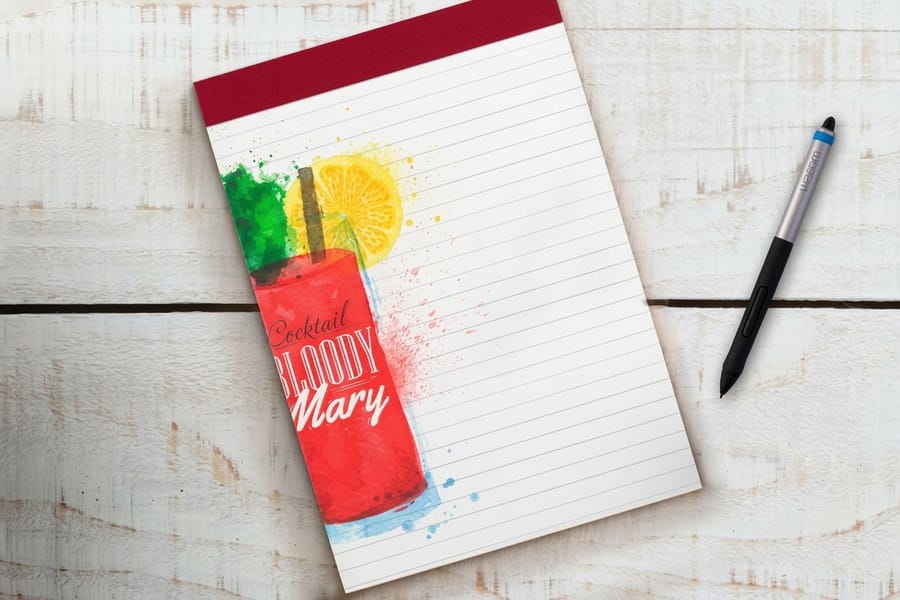
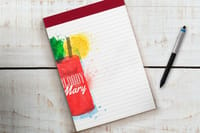
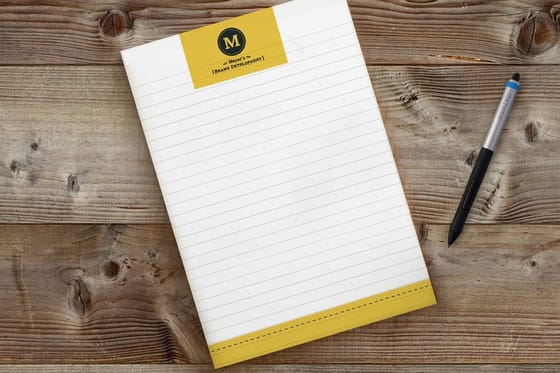
Print the cheat sheet on a notepad header if you want it to survive. Notepads start at $93.37 for a run, which puts them firmly on the bulk shelf, and a branded pad on a desk gets used every day rather than filed.
Branded Merchandise and Stickers That Actually Get Used
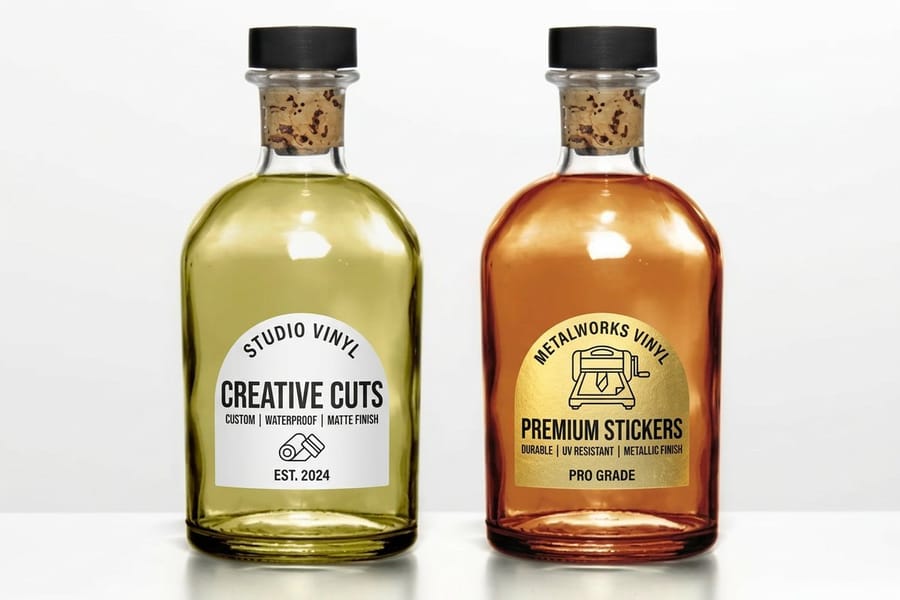
The test for merch is simple. Would the hire buy this thing in a shop if it had no logo on it? If not, it is going in a drawer, and the logo does not change that.
Stickers pass the test more often than anything else in the box, because a laptop lid is the one surface people decorate voluntarily. Vinyl stickers start at $25, which makes a small set per hire trivial to justify. Die-cut stickers start at $93.37 and are cut to the outline of your mark, so they look sharper on a lid but need a shape that survives cutting. A logo with a hairline tail or a thin outer ring is the wrong candidate for a die cut, and a simple solid mark is the right one.
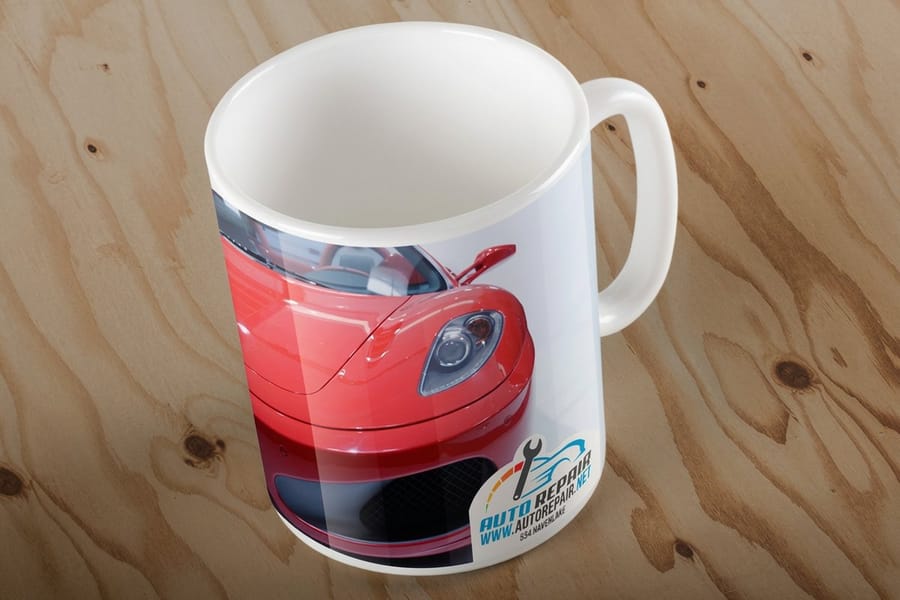
Tote bags start at $22.73 and do double duty as the container for the whole pack, which is the cheapest packaging upgrade available. Mugs start at $20.86 and are the item most likely to still be on a desk a year later, though they also do the most damage if the print is off center, so check the proof carefully. For a wider look at what gets used and what does not, the custom branded merchandise guide works through the same test item by item.
The one thing to skip is anything that needs a size or a preference you have not asked about. Apparel is the classic trap. It looks generous in a plan and turns into an exchange of emails about sizes before the person has finished their first week.
Keeping the Pack Cohesive and On Brand
A pack looks expensive when the pieces look related and cheap when they do not. Cohesion is a file discipline problem rather than a design problem, and three things fix it once.
Fix the color build, not the color name. Write down the brand color as a CMYK build, a hex value and a Pantone reference, then use those numbers on every order. Saying "our teal" to three suppliers produces three teals. The same build still shifts slightly between a coated business card and an uncoated notepad, because uncoated stock absorbs more ink and reads a shade softer, but a locked build keeps that drift small enough that nobody notices it in a box.
Fix the logo lockup. One horizontal version and one stacked version, both supplied as vector, both with defined clear space. Do not let a mug printer redraw the mark to fit a curve.
Fix the finish family. Pick matte or gloss and stay there. A matte laminated business card next to a high gloss sticker next to an uncoated notepad reads as three companies. Matte across the print pieces is the safer default, and it has a practical advantage: a matte or uncoated card can be written on, which a gloss laminate cannot.
If you are ordering the pieces across several weeks, order the color critical items together in one run where you can. Printing the cards and the notecards in the same window gives them the best possible chance of matching, since they are on the same press conditions rather than six weeks apart.
Budget and Quantity Planning, Tier by Tier
Budget the pack in two lines rather than one. The bulk shelf is an annual cost divided by the number of people you hire. The per hire pieces are a real cost every time somebody joins. Mixing them together is how a pack that looked affordable in a plan turns out to cost triple in month one, because the whole year of shelf stock was bought at the same time as the first hire.
| Tier | What is in the box | Print pieces to order | Starting prices |
|---|---|---|---|
| Starter | Handwritten note, cards, stickers. | Flat notecards, standard business cards, vinyl stickers. | From $19.77, $17.57 and $25. |
| Standard | Everything above plus a branded pad and a tote to carry it. | Adds notepads and tote bags. | Adds from $93.37 and $22.73. |
| Premium | Everything above plus a printed brand guide and a desk item. | Adds standard booklets and mugs. | Adds from $240.55 and $20.86. |
Those are starting prices for the smallest run of each product, and the per unit cost drops as the run grows, which is the whole reason the bulk shelf exists. A company hiring four people a year should stay in the starter tier and spend the difference on better card stock. A company hiring forty should be in the premium tier, because the booklet and the notepad runs get cheap per head at that volume.
Order the shelf items once, in the quantity you expect to use in twelve months plus a small margin for events and client visits. Order the name pieces per hire. For larger runs across several pieces, our bulk discount pricing applies as the quantities go up, and it is worth pricing the whole year in one basket rather than piece by piece. If a run does not fit the standard options, our team can quote it through contact.
Wally packs a welcome box
Notecard on top, merch on the bottom, name pieces last
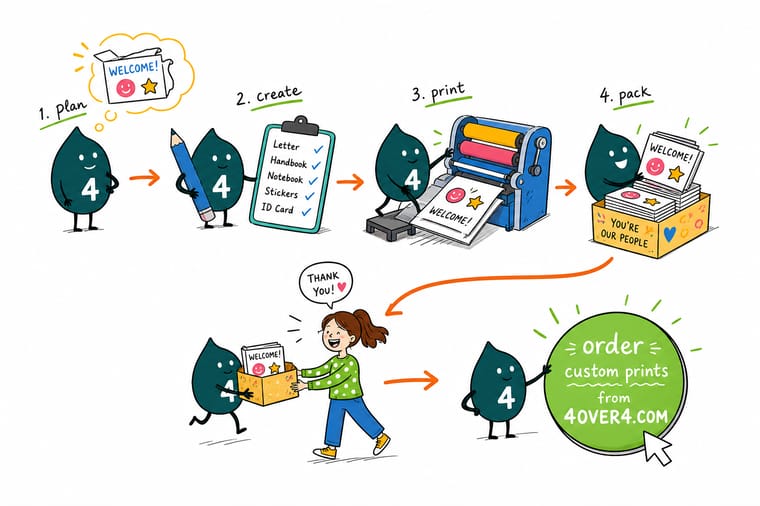
Wally keeps the shelf stocked with everything that has no name on it: brand guides, notepads, stickers, totes and blank notecards, all printed in one run. When a contract comes back signed he orders the business cards, the manager writes the note by hand, and the box gets packed in reverse reading order so the note is the first thing out. Then it ships to arrive a day before the start date, because a welcome that turns up in week three is not a welcome.
Order new hire business cards →Specs and pricing
Sizes, stocks and starting prices for the core pieces
The three pieces every pack needs, with live configuration choices and starting prices straight from the 4OVER4.COM configurator.
Print it
Print the pieces that go in the box
Explore more
Where to go next

By the numbers
Welcome pack print from 25+ years on press
Common Questions
Your welcome pack questions, answered
What should go in an employee welcome pack?
A welcome pack works best with five things: a short handwritten notecard from the manager, business cards carrying the new name and title, a printed brand guide or one page cheat sheet, one or two useful branded items such as a notepad or a tote, and a few stickers. That is enough to feel considered without turning into a box of things that go in a drawer. Anything you add beyond that should answer a question the hire will actually have in week one, like who to ask for what, or where the office door code lives.
When should I order the business cards for a new hire?
After the signed contract comes back and after the job title is final, not before. Titles shift during the first month more often than people expect, and a box of cards with the wrong title is a reprint. Standard business cards start at $17.57, so a small run per person costs little, and you can reorder in three months when the title settles rather than printing 1,000 on the first day.
How much does a branded welcome pack cost to print?
The print pieces are the cheap part. At 4OVER4.COM, standard business cards start at $17.57, flat notecards at $19.77, vinyl stickers at $25, mugs at $20.86 and tote bags at $22.73. Notepads start at $93.37 and standard booklets at $240.55, which is why those two are bought once for the year rather than per person. Spread across a year of hiring, the fixed items usually cost less per head than the per hire pieces do.
Is a welcome pack worth it for a small team?
Below about five hires a year, most print minimums work against you. A small team gets more from two pieces done properly, usually business cards and a handwritten notecard, than from a full box where the notepads sit in storage for two years and the brand guide goes out of date before it is used. Buy the merch when hiring volume justifies the run, not before.
What is the difference between a welcome pack and an onboarding kit?
In practice the words are used interchangeably, but the useful split is physical versus procedural. The welcome pack is the box that arrives: print, merch, and the note. The onboarding kit is the process around it, meaning the accounts, the schedule for week one, and who runs each session. The box should point at the process. A cheat sheet listing the first week and the people to meet turns two separate things into one.
Should remote employees get a physical welcome pack?
Yes, and it matters more for them than for someone walking into an office. A remote hire gets no building, no desk and no accidental hallway conversations, so the box is the only physical evidence of the company for weeks. Collect the shipping address with the offer paperwork, allow print turnaround plus transit, and have the box arrive a day or two before the start date rather than on it.
Get Started
Order 25 flat notecards from $19.77
Print the cards and the notecard for the person joining, stock the shelf with the pieces that carry no name, and have the whole pack packed and shipped before their first morning.
Legal Disclaimer
Gold Standard guarantees apply to all standard orders placed through 4over4.com. Price match requires verifiable proof of a competitor's published price for an equivalent product with matching specifications and turnaround time. Satisfaction guarantee covers manufacturing defects and print quality issues. Contact support with order number and documentation. On-time delivery rate based on tracked orders 1999 to 2026. Individual results may vary based on shipping carrier performance.
