
How to Choose a Printing and Signage Company That Ships On Time


A buyer's checklist for picking one vendor to handle cards, flyers, banners and signs, and the questions that expose the ones who cannot.
Judge a printing and signage company on three things before you look at price: whether it runs both a sheet press and a wide-format printer in its own building, what time its file cutoff actually falls for your shipping address, and what its reprint policy says in writing. A vendor that owns only one of those two production lanes brokers the other, so the date it promises on your banners is a date somebody else controls. Breadth is the reason to consolidate: one vendor for cards, flyers, banners and signs means one color reference and one delivery schedule instead of three.
Quick answer
Ask which lanes the vendor owns, then ask the price
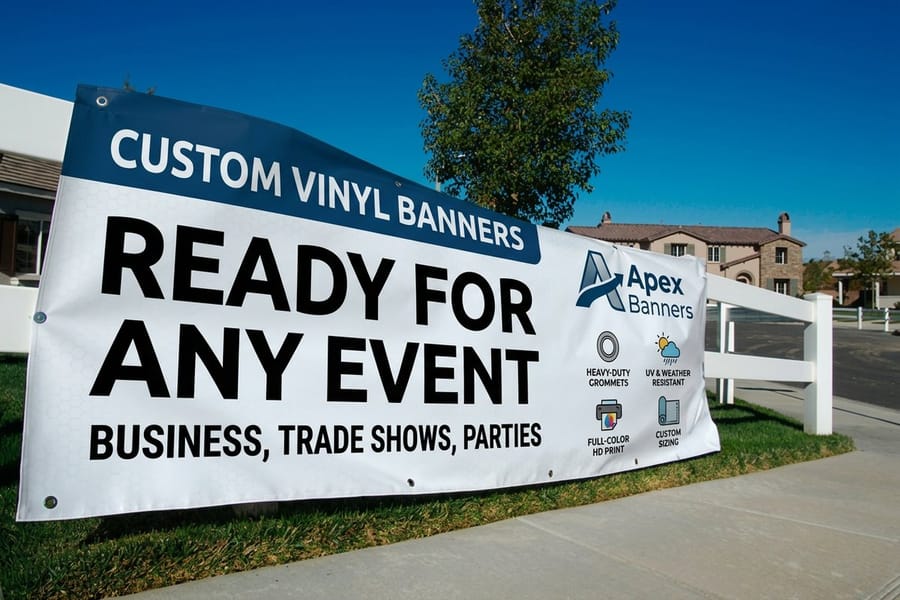
A combined printing and signage company is worth choosing only when it runs both production lanes itself. Cards, flyers and postcards come off a sheet press. Banners, yard signs and stands come off a wide-format printer and then go to a finishing bench. A shop with one lane subcontracts the other, which adds a handoff, a day, and a person who never sees your file. Everything else on the checklist follows from that: the file cutoff, the proof, the reprint window, and a delivered total that already includes grommets, stakes and freight.
What Separates a Good Print Vendor From a Cheap One
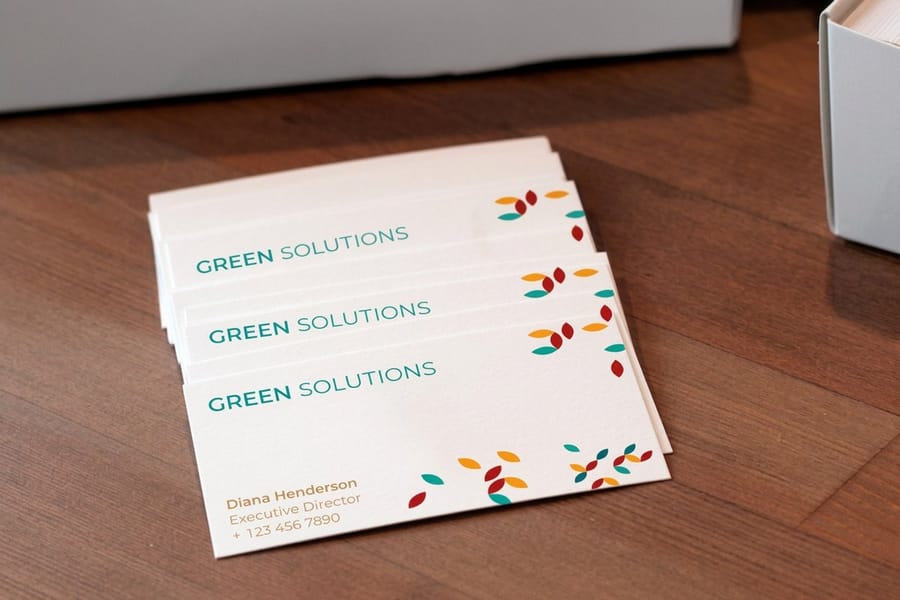
Price is the easiest thing to compare and the least useful. Two vendors quoting the same 500 business cards can be running different stock weights, different coating, and different trim tolerances, and only one of them will send you a proof first.
Start with equipment. Ask which products the company prints in its own building. This is not a trick question and a straight vendor answers it in one sentence. It matters because a brokered job adds a handoff, and every handoff adds a day and a person who cannot see your file. Then ask about preflight and proofing: whether a human checks bleed, safe margin, resolution and fonts before the plate or the RIP, and whether you see a proof before it runs.
- In-house equipment. Sheet press for paper, wide-format for signs. Owning both is what makes a single lead time possible.
- Preflight and proof. A soft proof before press. Free is normal; a charge for it is a signal.
- Stated file cutoff. An hour on the clock, not a vague number of days.
- A written reprint policy. A window to report, and a named remedy.
- Real specs on the page. Stock weights, coatings, sizes and quantities you can read before you commit.
Breadth is the last filter and the most underrated. A vendor that runs standard business cards from $17.57 and standard flyers from $39.54 alongside banners and signs gives you one color reference across the whole campaign, which is worth more than a few dollars a box. Browse the full business card printing range to see how the stock and finish options are laid out before you compare anyone else on price.
Online Printer, Local Shop, or Franchise Storefront

These three vendor types are genuinely different businesses, and the right one changes with the job rather than with your preference. The honest summary: online wins on anything that arrives finished in a box, local wins on anything that needs a person standing at your building.
| Vendor type | Where it wins | Where it costs you | Turnaround pattern |
|---|---|---|---|
| Online printer | Volume paper runs, banners, yard signs, stands. Live pricing you can check at 2am. | No site survey, no installation, no walk-in reprint at 4pm. | Fixed production days plus transit, quoted before you pay. |
| Local sign shop | Surveys, permits, wall and window installs, vehicle wraps, anything measured on site. | Higher unit prices on printed goods, narrower stock range, quotes by email. | Scheduled around the crew, not the press. |
| Franchise storefront | Walk-in help, small urgent quantities, someone to hand a USB stick to. | Most work is brokered to a trade printer anyway, with the margin added. | Depends entirely on the supplier behind the counter. |
Read the third column before the second. A franchise counter is often reselling the same trade press an online printer runs directly, which is why the same 5,000 flyers can differ by a wide margin between them for identical output. Where the counter earns its price is urgency and hand-holding, and if that is what you need, pay for it knowingly. Our guide to specialty printing without a local shop covers the jobs where no storefront nearby can run the work at all.
Can One Company Print Your Cards and Build Your Signs

Yes, but only if it owns both production lanes. Paper products run on a sheet press with bindery finishing behind it. Banners and signs run on a wide-format printer, then go to a bench for hems, grommets, stakes and mounting. Those are separate machines, separate inks, and separate operators.
This is the single most useful question you can ask a vendor, because it predicts the failure you are most likely to hit. A shop with only a sheet press quotes your banner from a trade supplier's calendar, so the date it gives you is not a date it controls. When that supplier slips two days, you find out after your event has been printed on the invitations.
| Piece | Production lane | Finishing that adds time | Starts at |
|---|---|---|---|
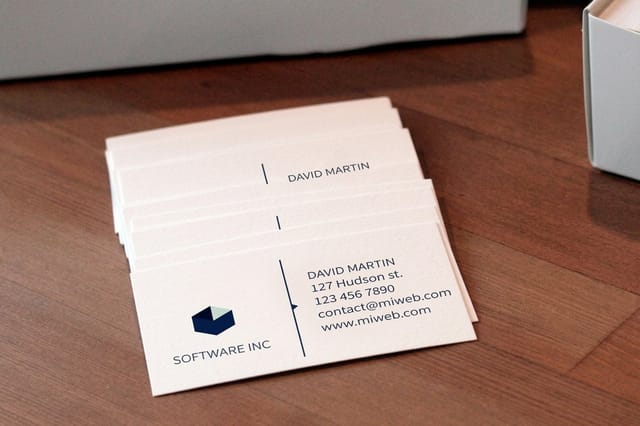
| Standard business cards | Sheet press | Trim and box | $17.57 |
| Standard postcards | Sheet press | Trim, and address prep if mailed | $16.48 |
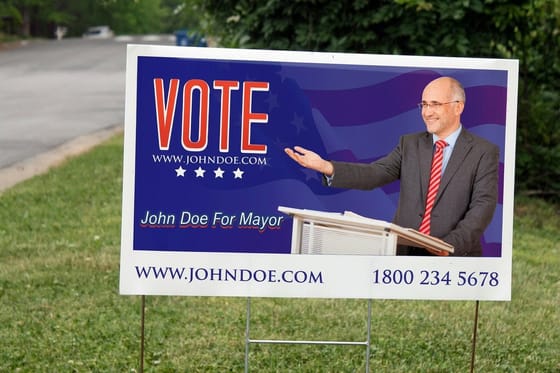
| Yard signs | Wide-format flatbed | Cut to size, stakes counted and packed | $25.00 |
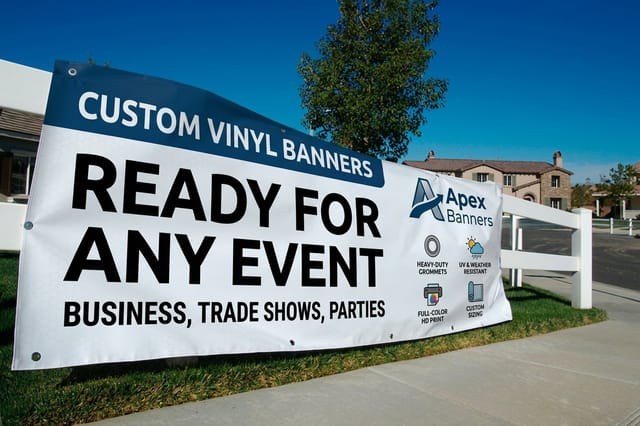
| Vinyl banners | Wide-format roll | Welded hems, grommets, rolled for shipping | $79.00 |
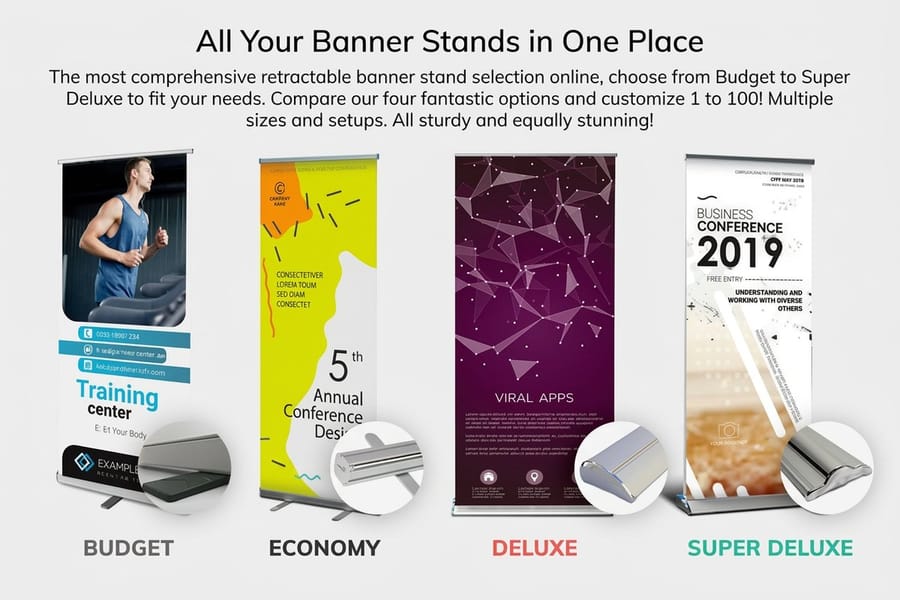
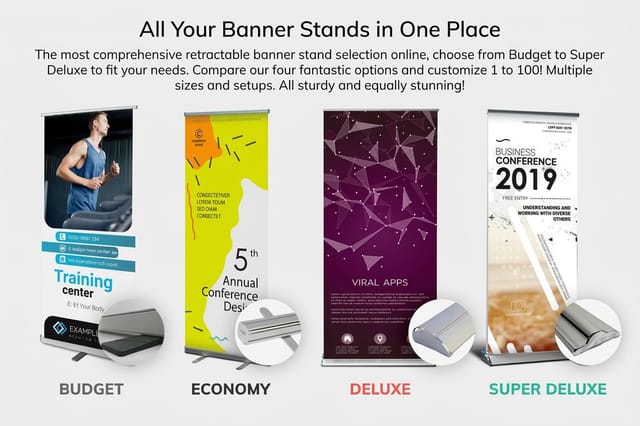
| Retractable banner stands | Wide-format roll | Graphic mounted into the cassette and cased | $139.00 |
Notice that the sign rows all carry a physical finishing step. That is why signs typically run a day or two behind paper of the same urgency, and why a quote missing the grommets or the stakes is not really a quote. Everything above ships from one place at 4OVER4.COM, so a launch that needs cards, flyers and a banner lands on one schedule. The whole large format printing range sits in one category, and the banner and sign guides go deeper on sizing and material choice.
The Questions to Ask Before the First Order
Run this list once, on your first order, with whichever vendor you are considering. It takes about ten minutes and it is the cheapest insurance in the whole process.
- Which of these do you print in your own building? Owning both lanes is what makes one lead time possible.
- What time is the file cutoff, and does the clock start at checkout or at proof approval? Nearly every missed date traces back to this sentence.
- Do I get a proof, and what does it show? A soft proof catches layout and bleed. It does not prove color; only a printed sample does that.
- What is the color tolerance? Digital and offset will not match each other exactly, and a reorder six months later will not match the first run exactly either.
- What is the reprint window and the remedy? Days to report, and reprint or credit, stated in writing.
- What is the delivered total? Ask for the number with finishing and freight in it, at your address.
- Can I get stock samples? Paper weight is a thing you judge in your hand, not from a description.
- Do you supply templates at the right trim and bleed? A vendor with a real template library has fewer file rejections. Ours is the blank template library.
- What happens if my file fails preflight? The answer determines whether a Friday file becomes a Monday problem.
- Who do I call, and when? A phone number with hours beats a contact form every time a job is in production.
Two things worth knowing before you start asking. Any term in the answers that you do not recognize is defined in our printing terms reference, so nobody gets to hide behind vocabulary. And if the deadline is already tight, read the last minute printing guide first: it explains which corners are safe to cut and which ones quietly cost you the whole run. For the mechanics of how a file becomes a boxed order, the guide to how online printing works walks the full path.
Wally explains the two-lane question
One vendor, one date, only if it owns both machines
Wally runs the cards through the sheet press and the banner through the wide-format press, both under one roof, so he can give you a single ship date and stand behind it. A shop with only one of those machines has to phone a supplier for the other half, which is why its sign date is really somebody else's date. Ask which lane is in-house before you ask what it costs. That one question predicts most of what goes wrong.
Shop banners and signs →Specs and pricing
One vendor, both lanes, live pricing
A card off the sheet press, a banner off the roll, and a yard sign off the flatbed. Configure each one and watch the price move with the quantity, size and finishing you actually need.

Print it
Order the cards and the signs on one schedule
Explore more
Where to go next


By the numbers
Both lanes, under one roof, at 4OVER4
Common Questions
Buyer questions, answered straight
What should I ask a printing and signage company before I order?
Five questions settle most of it. Which of these products do you print in your own building and which do you broker out. What time does my file have to be approved for the turnaround you advertise, and does that clock start at checkout or at proof approval. Do I see a proof before it runs, and does it cost anything. What happens if the color or the trim is wrong, do you reprint or credit. And what is the delivered total, with grommets, stakes, stands and freight included, not the square-foot rate. A vendor that answers all five plainly is usually the one that will hit the date.
Is an online printer or a local sign shop better for banners?
It depends on whether the job needs hands on site. A local shop wins when someone has to survey a storefront, permit a sign, or hang it on a wall, because that is field labor and you cannot ship it. An online printer wins on everything that arrives finished in a box or a tube: a 3 by 6 foot vinyl banner with hems and grommets, a set of yard signs with stakes, a retractable stand. For those, online pricing is usually well below storefront pricing because the press runs many jobs across one sheet or one roll. Plenty of businesses use both, and that is a sensible answer rather than a compromise.
Can one company print both business cards and outdoor signs?
Yes, if it owns both a sheet press and a wide-format printer. Those are different machines with different inks and different substrates, so a shop set up only for paper has to send sign work to a trade supplier, and a sign shop with no sheet press has to send your cards out. Ask directly. At 4OVER4.COM the same order can carry standard business cards from $17.57 and vinyl banners from $79, which is the point of a combined vendor: one file handoff, one point of contact, one delivery schedule to plan around.
How do I compare two printing quotes that look completely different?
Normalize them to the same finished item, then read the line items. Match the stock weight and coating, the exact trim size, the ink coverage on both sides, the quantity, the finishing, and the delivered date at your address. Most of the gap between quotes hides in one of those. On the sign side, check what the price actually includes: a banner quoted without hems and grommets, or yard signs quoted without stakes, will look cheaper right up until you need to hang them. Our breakdown of what drives a quote is in the guide to print shop prices.
How long do signs take compared with paper printing?
Signs usually run a day or two longer than paper of the same urgency, because the finishing is physical work rather than a bindery pass. A flyer gets cut and boxed. A banner gets welded hems, grommets punched at set intervals, then rolled and packed so it does not crease. Yard signs need stakes counted and boxed with them. Freight is also slower on the sign side, since a rolled 10 foot banner ships as an oversize tube rather than a flat carton. Build that difference into the campaign date rather than into the reorder.
What should the reprint policy actually say?
It should name a window and a remedy. A usable policy says how many days you have to report a problem after delivery, what evidence it wants, usually photographs of the piece and the packaging, and whether the fix is a reprint or a credit. Watch for the two exclusions that come up most: color shift within a stated tolerance is normally not a defect, and anything approved on your proof is your call, not theirs. That second one is exactly why the proof is the most valuable free thing a printer offers.
Get Started
One vendor for the cards and the banners
Configure business cards, flyers, banners, yard signs and stands in the same cart, see the delivered price before you pay, and get one ship date for the whole campaign.
Legal Disclaimer
Gold Standard guarantees apply to all standard orders placed through 4over4.com. Price match requires verifiable proof of a competitor's published price for an equivalent product with matching specifications and turnaround time. Satisfaction guarantee covers manufacturing defects and print quality issues. Contact support with order number and documentation. On-time delivery rate based on tracked orders 1999 to 2026. Individual results may vary based on shipping carrier performance.
