
Home For Sale Signs That Actually Get Calls


Every sign type an agent plants at a listing, what the panel and the mount cost separately, and the decisions that make one sign outsell another on the same street.
A home for sale sign is a printed panel plus a mount, and they are two different purchases. The panel is nearly always 24 inches by 18 inches printed full color on both faces, on 4mm coroplast for a normal listing or on 1/8" aluminum when it has to last. The mount is a wire stake at $29.89 with the sign, a folding A-frame at $65.90, an H-frame kit at $98.86, or a 6 foot post and arm at $218.35. Riders are 24" x 6" strips ordered with the sign, never after it.

Quick answer
One panel size, four mounts, and a rider you have to order early
The panel and the mount are separate decisions with separate lifespans. A 24" x 18" double sided panel fits the stake, the H-frame and the standard post kit alike, so artwork moves between them without a redesign. Coroplast is the panel you replace, aluminum is the panel you keep. The mount sets the height, from just above the grass on a stake to 31.5 inches on an A-frame, 43 inches on an H-frame and 6 feet on a post, and height is what earns a second look from a moving car. The 24" x 6" rider is an add-on configured with the sign, so the SOLD strip has to be planned before the house sells.
The Four Parts of a For Sale Sign
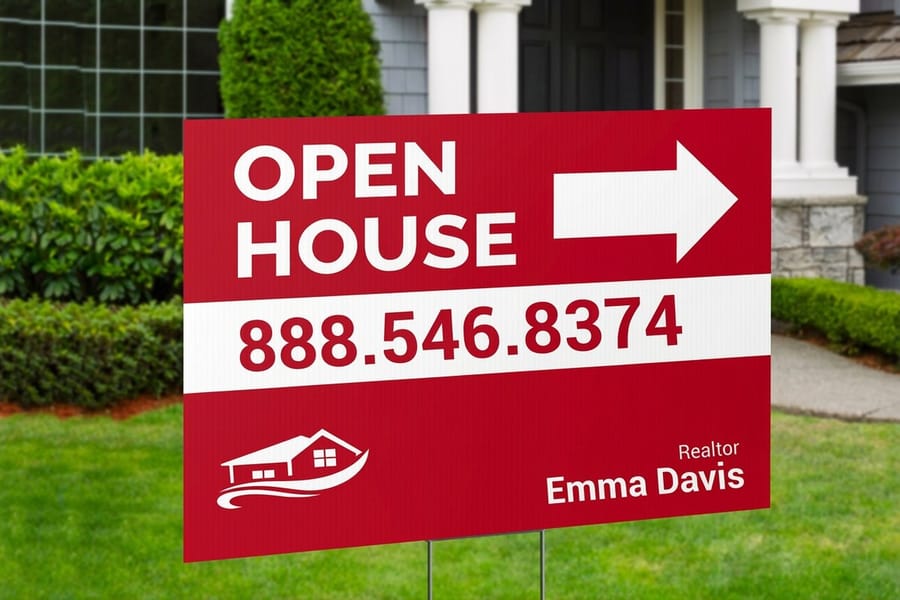
Break a listing sign into parts and every buying decision gets easier, because each part fails differently.
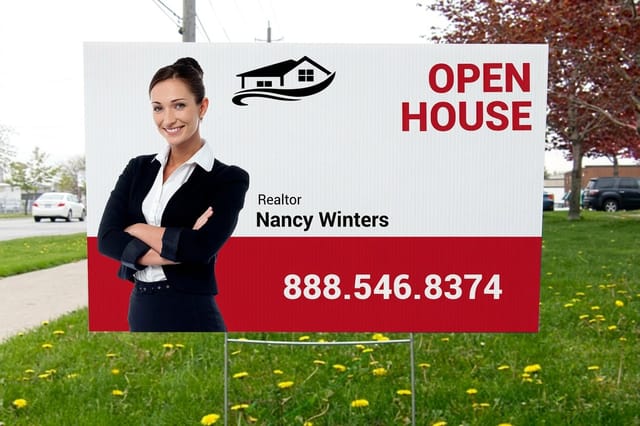
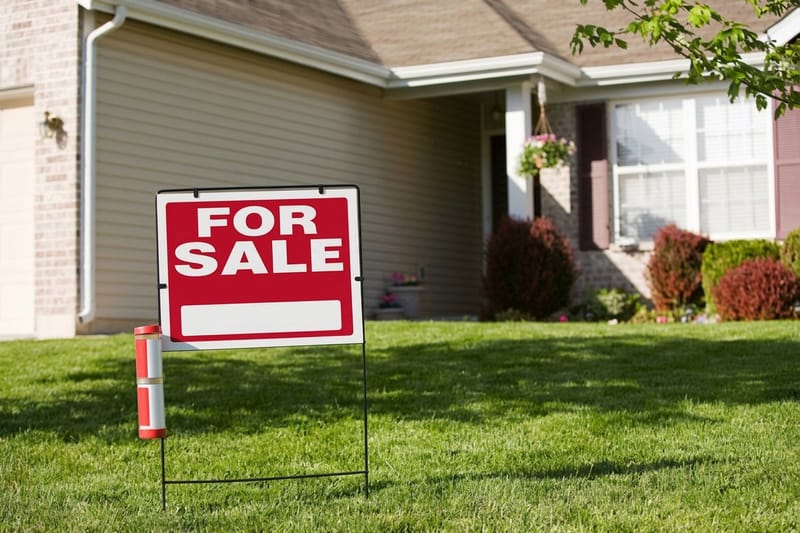
The panel. This is the printed sheet, almost always 24 inches wide by 18 inches tall, printed full color on both faces so it reads from either direction on the street. On real estate yard signs it is 4mm white corrugated plastic, the fluted material most people call coroplast.
The mount. A wire H-stake, a folding A-frame, an H-frame, or a post and arm. This is what decides the height of the panel above the grass and whether the sign comes back with you.
The rider. A 24" x 6" double sided strip that carries the status line. SOLD, PENDING, OPEN SUNDAY, or your mobile number. It changes while the panel stays.
The hardware. Grommets in the top corners on the framed products, an H-stake on the staked ones. Small, cheap, and the part people forget to add to the order, which is how a sign arrives on a Friday with nothing to hold it up.
Only the panel is genuinely disposable. Everything else is equipment. Once you look at it that way, the cost question stops being what a sign costs and becomes how many listings the mount will serve, which is the number that actually decides the spend.
Stake, A-Frame, H-Frame or Post

Four ways to stand a panel up, and they are not interchangeable. The honest way to choose is to ask how many times the mount will be used and how far the lawn sits back from the street.
| Mount | What you get | Height | From | Where it belongs |
|---|---|---|---|---|
| Stake and panel | One 24" x 18" double sided coroplast sign with an optional wire H-stake. | Just above the grass. | $29.89 | Soft lawns, short listings, and the second sign at the corner. |
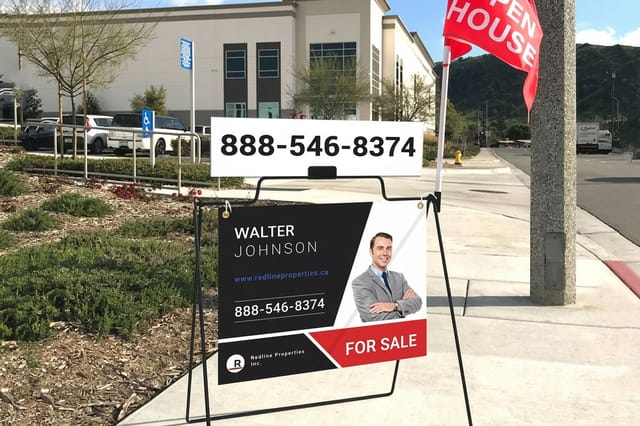
| A-frame | Black metal frame with a printed 24" x 18" coroplast sign, folds flat. | 31.5 in | $65.90 | Open house day. It goes out in the morning and back in the trunk at five. |
| H-frame | 25.25" x 43" black metal frame plus a printed double sided panel. | 43 in | $98.86 | The listing itself, on a lawn or a median, with no separate stake to buy. |
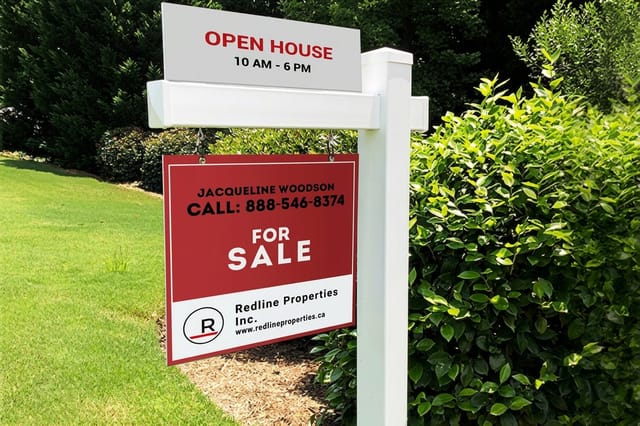
| Post and arm | Printed 1/8" aluminum panel plus a 6 foot white PVC post and arm. | 6 ft | $218.35 | Deep setbacks, main roads, and agents who list often enough to reuse it. |
Read the height column and the price column together. The real estate A-frame is the cheapest thing that stands on its own, folds flat between showings and drops to $54.00 per unit at ten, which is why office managers buy them by the box. It is also the one that blows over and the one that walks off, so it is a day sign, not a six week sign.
The H-frame kit is the default for the listing itself: it ships as a set of frame plus panel, orders run from 1 to 20 units, and it takes a rider on top. The post and arm kit is the expensive one that stops being expensive on the third listing, because you swap a panel and keep the post. If you want the sizes broken out further before committing, the guide to real estate sign sizes lays out every standard dimension against its placement.
Coroplast or Aluminum, and What Each One Costs You Later
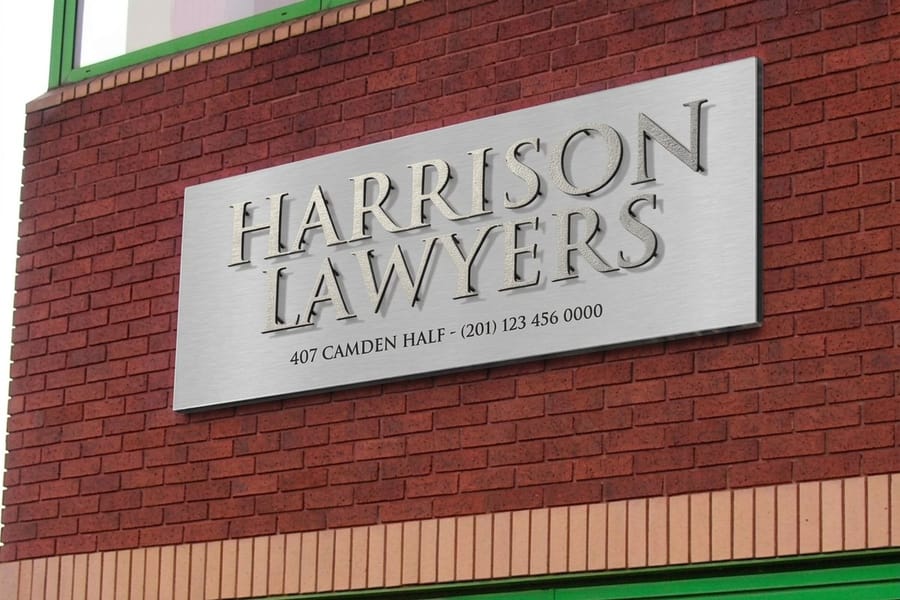
Two materials cover almost every home for sale sign, and the choice is really a choice about replacement cycles.
| Material | Build | Finish | Honest limit |
|---|---|---|---|
| 4mm coroplast | White corrugated plastic with hollow flutes, light enough to carry a dozen at a time. | Full color one or both sides, optional grommets and H-stake. | Colors dull under sustained sun and the flute openings soften after repeated staking. |
| 1/8" aluminum | Solid rigid panel, rust proof, stays flat in wind instead of flexing. | Full color front or both sides, finished with 2.5mil gloss or matte lamination. | Costs more per panel and needs a frame or post, so it only pays back if it gets reused. |
Coroplast is the right answer for the panel you plant and forget for eight weeks. It is what real estate yard signs are printed on, it survives rain and sprinklers, and at $29.89 a sign it is cheap enough to reprint when your brokerage changes its logo. If the material itself is new to you, the explainer on what coroplast signs are covers how the flutes work and why they matter for stake fit.
Aluminum is the answer for anything that stays out through a winter or hangs from a post where flex would be visible. Aluminum sign panels start at $29 for an 11" x 17" and run to a made-to-order 30" x 40", which is how agents produce a matching set of directional and property signs on one material. Pick the matte lamination unless the sign lives in shade. Gloss looks better in a photograph and worse on a west facing street at five in the afternoon, when it hands a driver a sheet of glare instead of a phone number.
For the wider material comparison across every outdoor sign we print, not just listing signs, the guide on durable outdoor yard sign materials puts coroplast, PVC and aluminum side by side.
Riders, and the Order Mistake That Costs a Week
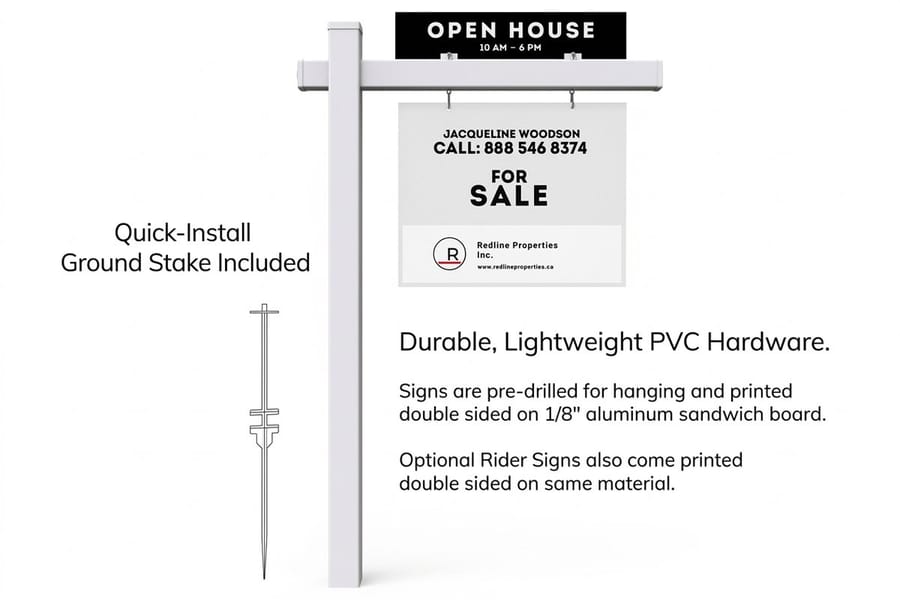
The rider is the smallest piece of a listing sign and the one that does the most work, because it is the only part that reports news. A panel says who is selling the house. A rider says what just happened to it.
Ours is a 24" x 6" double sided strip, and it is an add-on rather than a separate product: it is configured with the A-frame, the H-frame or the post kit at the time you order the sign. That is the trap worth naming. Agents order the sign, the listing goes under contract three weeks later, and then discover the PENDING strip has to be ordered as a new job on a 4 business day turnaround. Order the status riders you know you will need in the same run as the panel, because you will need them.
Six inches of depth is a hard constraint on the copy. One line, or a number, is all that reads from the street. SOLD works. UNDER CONTRACT works. "Accepting backup offers, call for details" is a paragraph pretending to be a rider. The A-frame also takes a red open house pennant flag that ships with its own hardware, which does the same job as an OPEN HOUSE rider on the days you want movement rather than words.
If you are planning a full set of status strips across a territory, the complete rider guide works through the wording and the sequence. Riders on directional signs follow different rules again, and those are covered in the open house directional sign guide.
What Converts a Sign Into a Phone Call
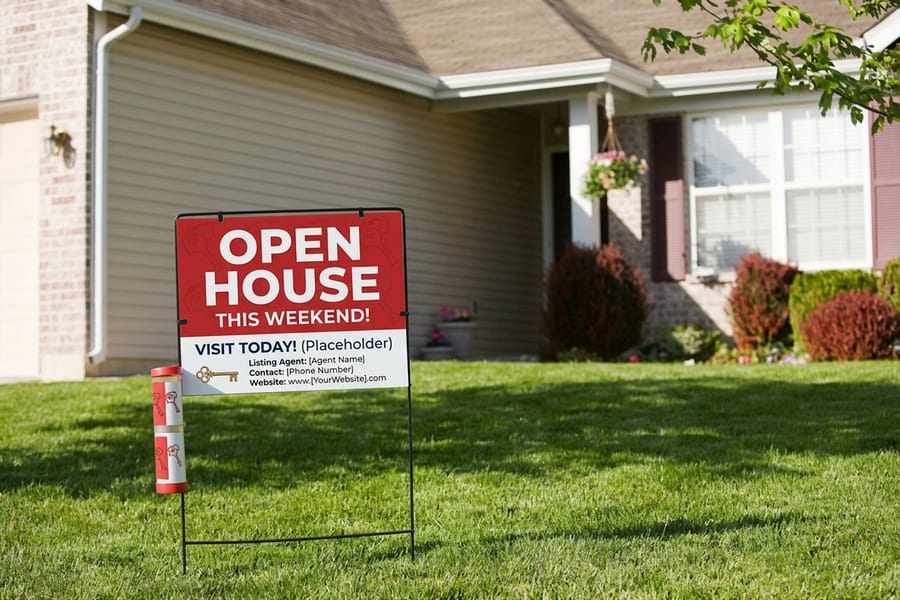
A listing sign has one job: get a stranger to call before they drive past the driveway. Everything on the panel either serves that or steals space from it.
Put the phone number where it can be read fastest, which means large, high contrast, and not sharing a line with anything else. Your name matters more than the brokerage logo to the person calling, and the logo is usually locked by the brand guide anyway, so fight for the number instead. Face the panel square to the traffic direction rather than square to the house. Both faces print, but a sign angled to the front door is read by nobody in a car.
Then plan the second sign. One panel at the property and a directional at the nearest corner will beat two panels at the property every time. Open house signs start at $25 for a 12" x 18" and come in four sizes with optional grommets and a wire H-stake, which makes them the cheap unit for corner placement. Pair them with a stack of real estate flyers, from $39.54 per 50 on a 3 business day turnaround, so the person who stops at the sign leaves holding the price.
Before you order a nonstandard size, check what your municipality and the seller's HOA actually allow for sign area, setback and how long the sign can stay up after closing. The state by state sign permit guide is the fastest way to find out whether the size you have in mind is going to come back out of the ground. To lay the artwork out at the right trim, start from a correctly sized file in the blank template library, and browse the full real estate printing collection when you are ready to build the rest of the listing package.
Wally explains for sale signs
One panel, one mount, one strip that tells the news
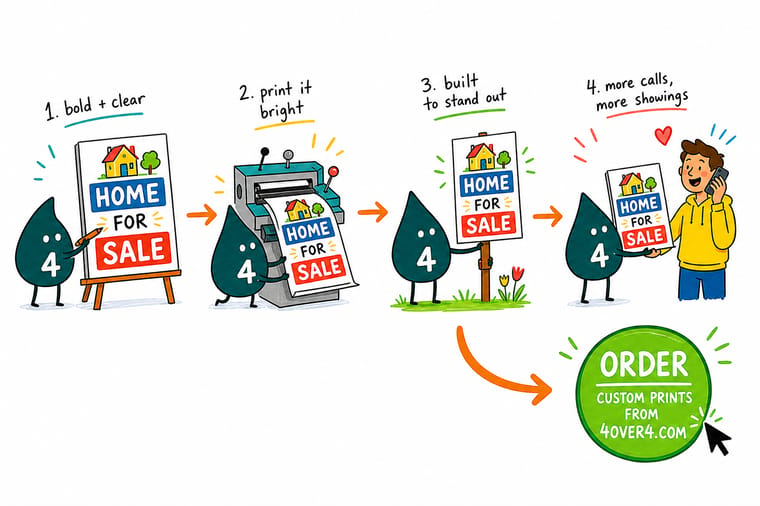
Wally prints the panel at 24 by 18 inches, double sided, so it reads whichever way the car is coming. Then he picks what holds it up, because that is the real decision: a stake for one listing, an H-frame for the season, a 6 foot post for the ones set far back from the road. Last comes the 24 by 6 rider. He orders the SOLD strip with the sign, not after the offer lands, because a rider that arrives four days late is a rider that missed the news.
Order real estate yard signs →Specs and pricing
Listing signs, sizes, and starting prices
Configure the stake sign, the H-frame kit and the post kit side by side, with live options and starting prices straight from the 4OVER4.COM configurator.



Print it
Plant a sign the street can read
Explore more
Where to go next
By the numbers
H-frames, A-frames and panels shipped as a set
Common Questions
Your for sale sign questions, answered
What size is a standard home for sale sign?
24 inches wide by 18 inches tall. That is the panel size on real estate yard signs, on the H-frame kit and as the default on the post kit, which is why artwork moves between all three without being rebuilt. Open house signs run smaller at 12" x 18", 12" x 24" or 18" x 24" because they are read at walking pace and get planted at corners rather than at the property. If a listing needs more presence, the post kit is made to order up to 36" x 48", though anything over the standard panel is worth checking against local sign rules first.
Do I need a frame, or will a stake do?
A wire H-stake and a coroplast panel is the cheapest working sign, and for a soft front lawn on a quiet street it is enough. The frame earns its cost in two situations. The first is height: an H-frame holds the panel at 43 inches on a 25.25" x 43" black metal frame, well above lawn grass and snow, with no separate stake to buy. The second is repetition. A stake is bent and thrown away with the panel, a frame goes back in the truck. If you list one house a year, buy the stake. If you list one a month, buy the frame once.
What goes on a rider?
One word, or a phone number, and nothing else. The rider is a 24" x 6" strip printed double sided, so it holds a short status line such as SOLD, PENDING, OPEN SUNDAY or REDUCED, or your direct mobile number under the brokerage panel. It is ordered as an add-on with the A-frame, the H-frame or the post, not as its own product. Because it is only six inches deep, anything more than a line and a half becomes unreadable from the street, and the whole point of a rider is that it changes while the main panel stays put.
How long does a for sale sign last outside?
4mm coroplast handles rain, sprinklers and sun for the length of a normal listing, which is what it is built for. What eventually goes is the surface, not the structure: sustained UV dulls the colors and the corners soften around the stake slots, and a panel that has been pulled and replanted a dozen times shows it. Agents who leave signs out year round go to a 1/8" aluminum panel instead, which stays rigid and rust proof and takes a 2.5mil gloss or matte lamination. Matte is the better choice on a street that gets direct afternoon sun, because gloss throws glare straight back at a driver.
Can I put a photo of the house on the sign?
Yes. Both faces print full color, so a photo is no more expensive than flat color. The trade-off is space. On a 24" x 18" panel, a photo large enough to register at driving speed takes roughly the top half, which leaves your name, brokerage and phone number fighting over the rest. A photo works when the house is the selling point, on a waterfront or an architectural listing. On a standard suburban listing the phone number is the only thing a driver can act on, so give it the room.
Do I need permission to put a sign in the yard?
Often yes, and it is worth checking before you order a nonstandard size. Municipalities and homeowners associations commonly limit sign area, how far the sign sits back from the curb or sidewalk, and how long it can stay up after closing. Some restrict A-frames on public right of way entirely, which is the rule that catches out open house directional signs more than the sign at the property itself. Our guide to sign permit rules by state is the place to start, and the seller usually knows the HOA rule faster than the HOA does.
What does a complete for sale sign cost?
One 24" x 18" real estate yard sign starts at $29.89 including the print, with an optional H-stake. The A-frame kit is $65.90 with frame and sign together, dropping to $54.00 per unit at ten. The H-frame kit is $98.86 with the metal frame and the printed panel. The post kit is $218.35 and covers the printed aluminum panel plus the 6 foot post and arm. All of them run a 4 business day standard turnaround, with rush options down to next day on the yard signs and the H-frame.
Get Started
Order a real estate H-frame from $98.86
Pick the panel, pick the mount, add the riders you know are coming, and we print both faces full color on a 4 business day standard turnaround.
Legal Disclaimer
Gold Standard guarantees apply to all standard orders placed through 4over4.com. Price match requires verifiable proof of a competitor's published price for an equivalent product with matching specifications and turnaround time. Satisfaction guarantee covers manufacturing defects and print quality issues. Contact support with order number and documentation. On-time delivery rate based on tracked orders 1999 to 2026. Individual results may vary based on shipping carrier performance.
