
Fitness Banners vs Flyers vs Door Hangers for Gym Marketing


Three formats, three different audiences. One of them comes first for a gym, each has its own entry price, and each has a limit nobody mentions until the order is already on press.
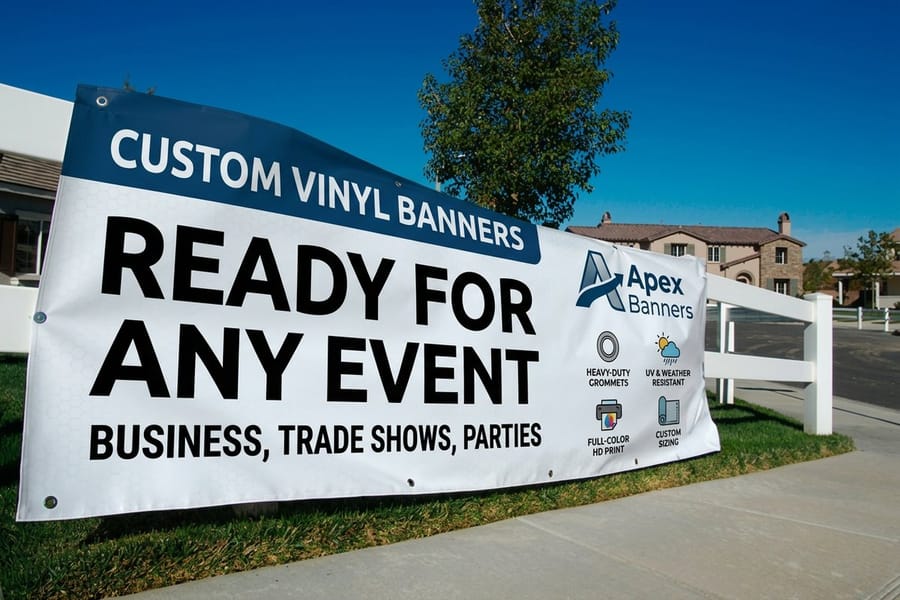
Print the banner first: it is the only one of the three that sells to the same passer-by every day for a year, and vinyl banners start at $79. Flyers, from $39.54, are the cheapest way to reach people who never pass the building, but they need a person to place them. Door hangers, from $290.41, are what you buy when the walk-in radius is tapped out and you want specific households one to three miles away.
Quick answer
Reach and repetition decide it, not price
A banner buys repeat views from a small crowd. A door hanger buys one view from a large one. Flyers cover the gap in between. That is the whole comparison. A gym on a busy street with no banner is leaving free impressions on the sidewalk, so the banner goes up first. Once the street is saturated, the choice is between a person handing flyers to fitness-minded strangers and a route walking hangers onto doors you picked yourself. Cost only breaks the tie: $79 for vinyl, $39.54 for flyers, $290.41 to start a door hanger campaign.
Banners: The Only One That Sells Twice to the Same Person
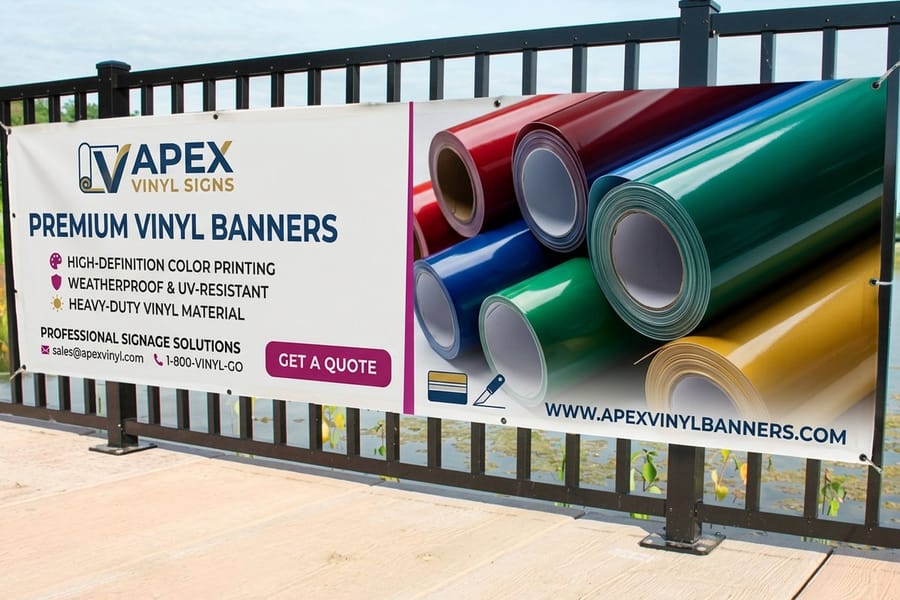
A gym already has an audience walking and driving past it. The banner is what converts that traffic, and it is the only format here that keeps working after the first day.
Size it for the read, not for the wall. A storefront headline meant to be caught from a moving car needs roughly one inch of letter height for every 10 feet of viewing distance, so a sign read at 100 feet needs letters near 10 inches tall. On a 3 by 8 foot banner that leaves room for about four words and a number. "January. No enrollment fee." beats a list of amenities every time, because nobody reads amenities at 30 miles an hour. The banner sizes guide lists the standard sizes if you are matching an existing rail or awning.
Material is decided by the mount, not the budget. Vinyl banners start at $79 and are the right answer on a wall, a railing or a short indoor span. Stretch the same solid vinyl across a chain-link fence or a rooftop rail and it becomes a sail: it flexes, the grommets tear, and one storm ends the campaign. That is what mesh banners are for, starting at $75, perforated so most of the air passes through instead of pushing. Our vinyl versus mesh comparison goes deeper on the tradeoff.
The real limit is that a banner only ever talks to people who already come near the building. It cannot open a new neighborhood. Gyms that rely on the banner alone tend to plateau at whatever the street delivers, which is exactly the point where the other two formats start paying.
Flyers: Cheap Reach, but Somebody Has to Carry Them

Flyers are the least expensive way to put your offer in a stranger's hand. Standard flyers start at $39.54, which is why a stack for a race expo, a physio clinic counter or a corporate lobby is close to a rounding error against a gym's monthly ad budget.
What flyers buy is placement you would never get otherwise. The smoothie bar two doors down, the office park reception desk, the running store on Saturday morning: those are audiences already leaning toward fitness, and a flyer is the only format small enough that a partner business will agree to hold it. That partner relationship, not the paper, is what makes the campaign work. A stack left in a place with no fitness intent produces close to nothing, and this is the format most often blamed for a failure that was really a placement problem.
Print them 100 lb gloss text unless the piece doubles as a class pass. Coated stock keeps photographs of equipment sharp and resists the crease that comes from being folded into a gym bag. Print both sides: schedule and QR code on the back, offer on the front. Full detail on the stock options sits in the flyers printing category, and you can start from a correctly sized layout in the blank template library.
The honest weakness is distribution labor. Somebody has to stand there, refill the counter and ask for the placement again next month. A flyer that stays in the box does nothing at all, and boxes of unhanded flyers are the most common waste in gym marketing. If nobody owns the distribution, buy the banner instead. Where to hand out flyers covers the placements that still convert.
Door Hangers: Reaching Homes the Sidewalk Never Touches

Door hangers are the only format here that picks the household. You choose the streets, the route walks them, and the piece hangs at eye level on a knob that the resident has to touch. Nothing gets thrown out with the junk mail, because it never joined the junk mail.
That precision is what a gym is buying, and it costs the most to start. Door hangers start at $290.41 at 4OVER4.COM, against $39.54 for flyers, so this is a planned campaign rather than something you top up on a Friday. Spend it on a tight route hit twice instead of a wide route hit once. One pass through a neighborhood is easy to ignore; the same door three or four weeks later with a different offer is what actually produces calls.
Two rules decide whether the drop is legal and whether it survives. First, the mailbox is off limits: federal law reserves it for stamped mail, so a hanger tucked into a box, taped to a post or wedged under a flag is a violation, while the doorknob, the gate and the railing are all fine. Our door hanger legal guide spells out where the line sits. Second, print on a cover weight. A hanger on thin text stock tears at the hook the first time somebody yanks it off, and half your route ends up on the lawn.
Where door hangers fail is in dense apartment buildings with a locked lobby and in any neighborhood posted against solicitation. Check the route before you print, not after. For the full campaign sequence, the door hanger campaign guide walks through route planning and timing, and door hangers versus flyers compares the two formats head to head.
The Three Side by Side, With Real Starting Prices
Read the middle column first. Reach and repetition are the two things that separate these formats, and price barely enters the decision until you have picked which of the two you need.
| Format | Who it reaches | Times each person sees it | Starts at | Best gym use |
|---|---|---|---|---|
| Vinyl banner | Everyone who already passes the building. | Dozens, daily, for a year or more. | $79 | Facade offer, new year push, grand opening, class launch. |
| Mesh banner | Same audience, on a windy mount. | Same as vinyl. | $75 | Chain-link fence, rooftop rail, long open span. |
| Flyers | Anyone a partner counter or an event puts them in front of. | Once, unless they keep it. | $39.54 | Race expos, physio and smoothie counters, corporate lobbies. |
| Door hangers | Households on streets you choose, one to three miles out. | Once per drop, so plan two drops. | $290.41 | Neighborhood membership drives past the walk-in radius. |
| Retractable stand | People already inside the lobby or at your booth. | Every visit, and it travels. | $139 | Front desk offers, expo booths, corporate wellness days. |
The stand is the quiet one gyms forget. A retractable banner stand starts at $139, sets up in under a minute and moves from the lobby to a corporate wellness day and back, which is why it usually outlasts the banner it was bought alongside.
The Verdict: What to Buy First, Second and Third
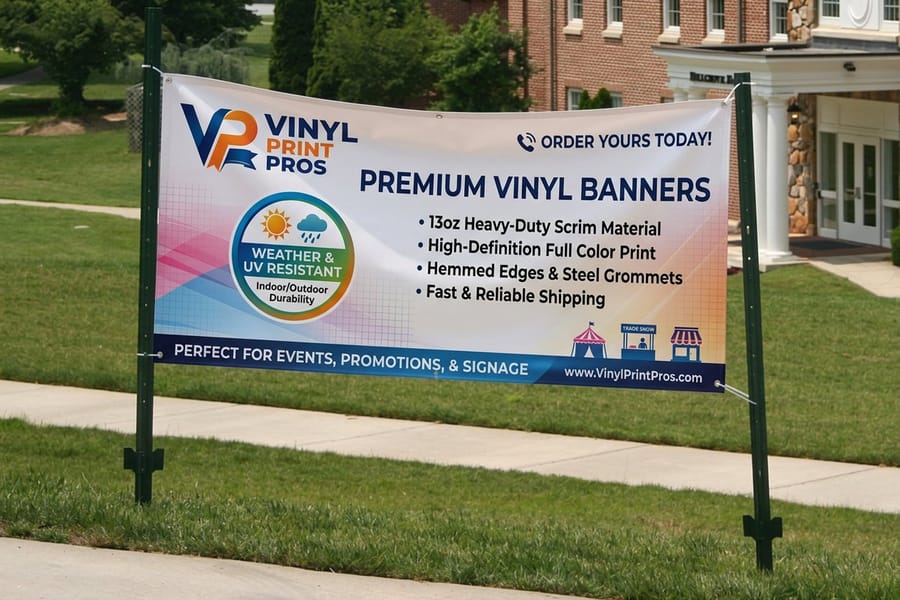
Buy the banner first. A gym with no banner is paying rent on visibility it is not collecting. At $79 to start, one vinyl banner across the facade converts traffic you already have, and it is still working in month eleven. If the mount is a fence or a rail, buy the mesh version instead and stop worrying about wind.
Buy flyers second, but only if a person owns them. At $39.54 a run, flyers are the cheapest reach on the list, and they die instantly without a named human refilling counters and asking partners for placement. Name that person before you print. If you cannot, skip to the third option.
Buy door hangers third, when the street has given you all it has. Door hangers at $290.41 to start are how a gym reaches the two mile ring that no banner touches. Pick a tight route, print for two passes, keep them off mailboxes, and print on a cover weight so they survive the hook.
Most gyms that get this right end up running two of the three at once: a permanent banner earning views for free, and one outbound format running in the January and September windows when people actually join. If your campaign also needs mailed pieces, the flyers versus postcards versus door hangers comparison adds mail to the same decision, and everything built for studios and trainers sits in the fitness printing collection.
Wally sizes up a gym campaign
One banner, one stack, one route
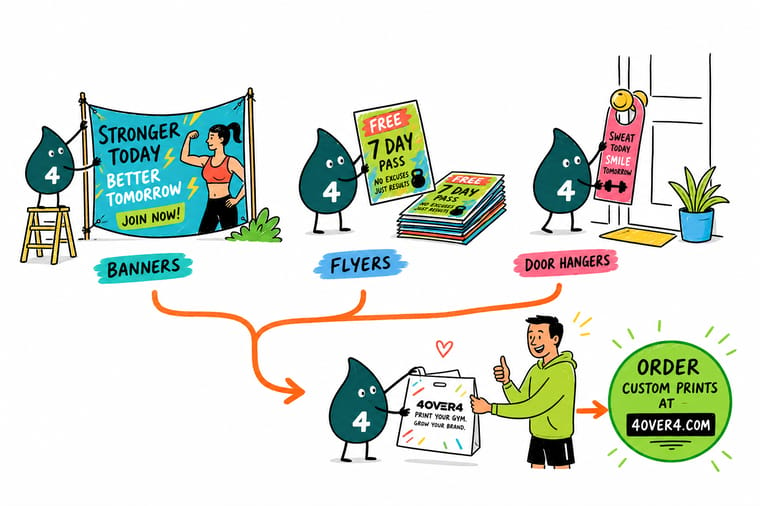
Wally hangs the banner first, because the people walking past the door are already yours and the banner keeps selling to them every morning without a second invoice. Then he decides who is carrying the flyers, since a box nobody opens reaches nobody. Only when the block is covered does he walk the door hanger route, twice, on knobs and never on mailboxes.
Order vinyl banners for your gym →Specs and pricing
Sizes, materials and starting prices for all three
Compare the three formats side by side, with live configuration choices and starting prices straight from the 4OVER4.COM configurator.
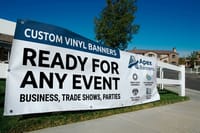


Print it
Print the format your gym is actually missing
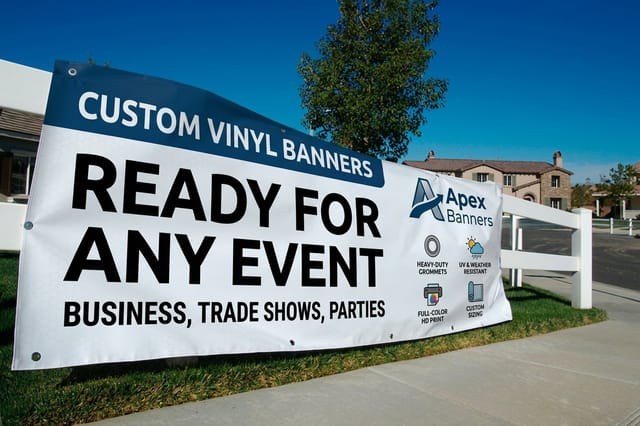


Explore more
Where to go next



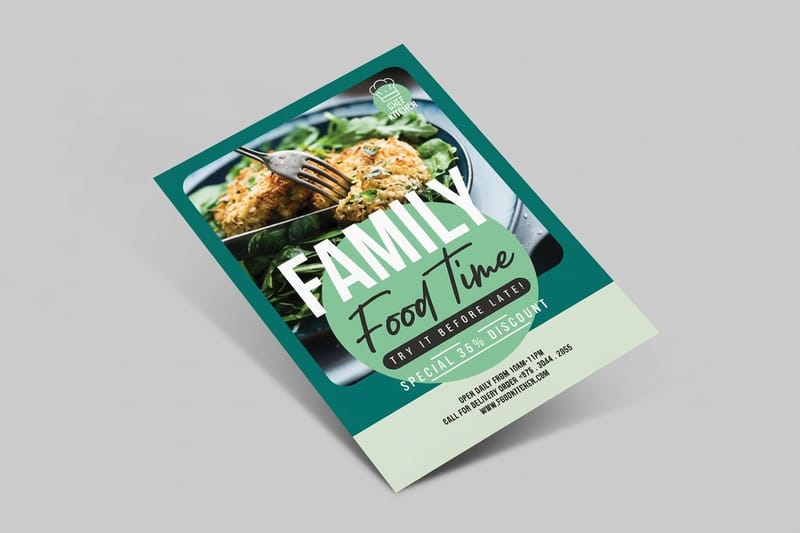
By the numbers
Gym and studio print inside 1,000+ products
Common Questions
Your gym marketing print questions, answered
Which works best for a gym: banners, flyers or door hangers?
A banner, if you can only buy one. The gym already has traffic passing the door every day, and a banner is the only one of the three that gets to sell to the same person twenty times without costing anything after the first order. Vinyl banners start at $79 at 4OVER4.COM. Flyers earn their place the moment you need to reach people who never pass the building, and door hangers are the choice when you want households in a specific radius rather than whoever walks by.
How big should a gym banner be?
For a storefront read from a car, plan on 3 by 8 feet or 4 by 10 feet, with the offer set large enough to survive at 40 feet. A useful rule from sign shops is roughly one inch of letter height per 10 feet of viewing distance, so a headline read from 100 feet away needs letters near 10 inches tall. That is why gym banners work best with three or four words and a number, not a paragraph. Our banner sizes guide covers the standard sizes and where each one fits.
Is a mesh banner better than vinyl for a gym?
Only where wind is the problem. Solid vinyl is heavier, holds color slightly better and is the right call on a wall, a railing or a short indoor run. Mesh is perforated so air passes through instead of pushing on the banner, which matters on a chain-link fence, a rooftop rail or any long open span. Mesh banners start at $75 and vinyl banners at $79, so cost is not the deciding factor.
How many door hangers does a gym need for one campaign?
Enough to cover a defined route twice, not a huge scattered radius once. A single pass through a neighborhood produces a weak response, so most gyms pick the streets inside their real drive radius and hit them again three to four weeks later with a different offer. Door hangers start at $290.41 at 4OVER4.COM, which makes the tight repeated route the better use of the same money.
Can gym flyers go in mailboxes?
No. The mailbox is reserved for mail that carries postage, so a flyer or a door hanger placed inside one, or clipped to the outside, is a violation. Doorknobs, gates, windshields where local rules allow it, and any counter you have permission to use are all fine. If you want the mailbox itself, print postcards and mail them properly instead.
What paper should gym flyers be printed on?
Gloss text around 100 lb for anything handed out or left on a counter, because it resists the creasing that comes from a gym bag and photographs of equipment look sharper on a coated sheet. Move to a heavier cover stock only when the piece doubles as a pass or a punch card. For door hangers, stay on a cover weight: a thin hanger tears at the hook the first time somebody pulls it off.
Get Started
250 door hangers cost $290.41, 50 flyers $39.54
Pick the format your gym is missing, upload the artwork, and we print banners, flyers and door hangers that hold up on a fence, a counter or a front door.
Legal Disclaimer
Gold Standard guarantees apply to all standard orders placed through 4over4.com. Price match requires verifiable proof of a competitor's published price for an equivalent product with matching specifications and turnaround time. Satisfaction guarantee covers manufacturing defects and print quality issues. Contact support with order number and documentation. On-time delivery rate based on tracked orders 1999 to 2026. Individual results may vary based on shipping carrier performance.
