
Band Stickers vs Concert Posters vs T-Shirts for the Merch Table


Three merch formats, three very different risks. Each has its own entry price, each does something the others cannot, and a small budget sets the order to print them in.
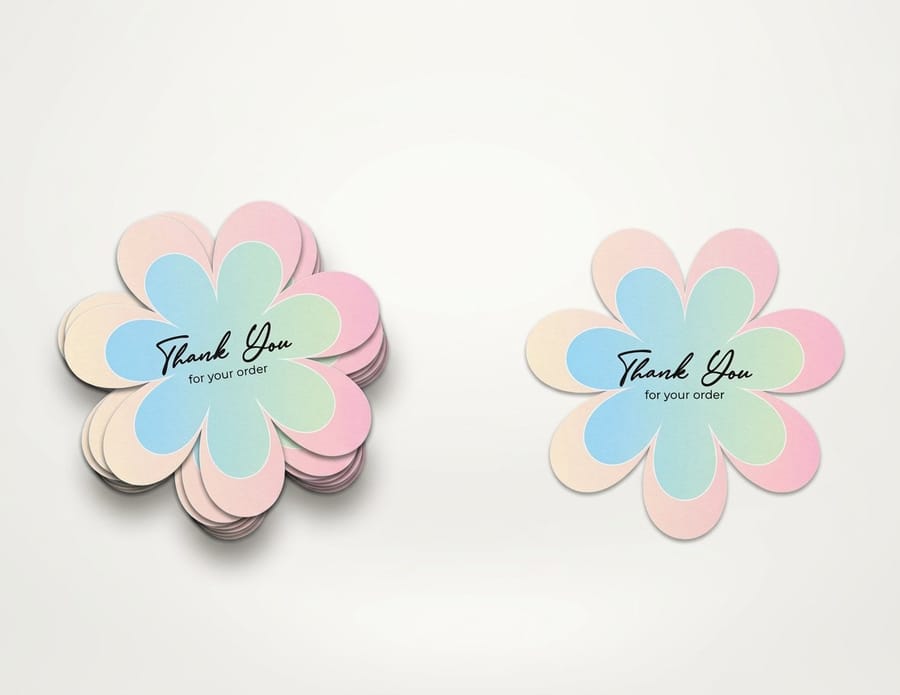
Print stickers first, t-shirts second, concert posters third. Stickers cost the least to be wrong about and carry no size spread, shirts hold the highest price on the table but turn one design into five items to stock, and posters need a headline crowd that already knows the record. Starting prices at 4OVER4.COM: $23.88 for standard stickers, $21.96 for t-shirt printing, $108.75 for standard posters.
Quick answer
One design, three formats, three different stock lists
The difference between these three is not print cost, it is how many separate items each one forces you to carry. A sticker design is one item. A poster design is two once you print two sizes. A shirt design is five the moment you stock small through 2XL, and the unsold ends of that run are where most first-tour merch money goes. Start with stickers, add shirts when you know which sizes sell, and print posters for the nights you headline.
The Order to Print Them In, and Why
Money at a merch table moves in one direction: from the cheapest item to the most expensive, in that order, across the night. The person who takes a sticker at nine is often the person who buys a shirt at eleven. Print the cheap handshake first.
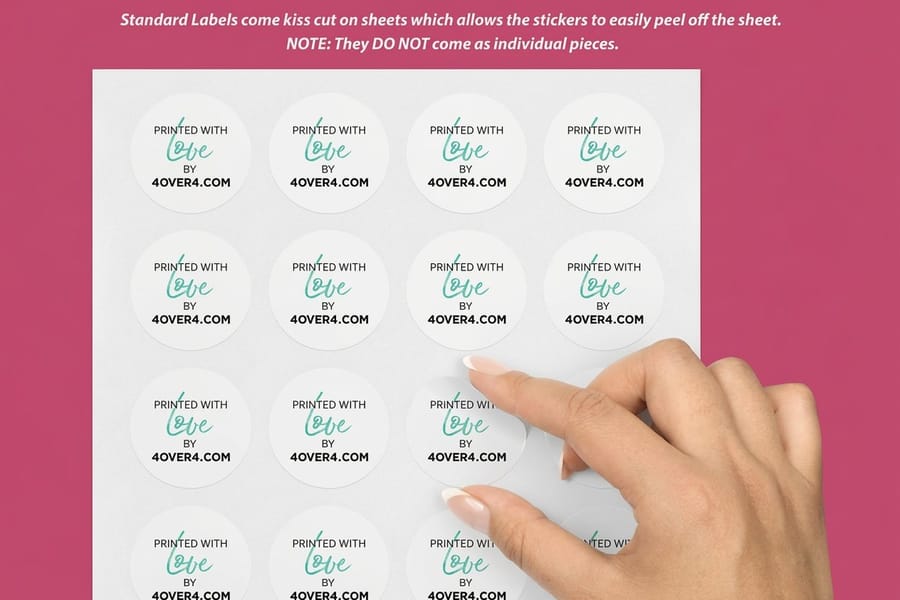
Stickers cost the least to be wrong about. Standard stickers start at $23.88 and die-cut stickers start at $93.37, one design covers everyone, and there is no size to guess. Shirts are next because they carry the highest price on the table, and t-shirt printing starts at $21.96. Posters land third. Standard posters start at $108.75 and they sell to people who already know the record, which usually means a headline show rather than a support slot.
| Format | Starts at | Items per design | Where it fails | Best night for it |
|---|---|---|---|---|
| Stickers | $23.88 standard, $93.37 die-cut | One | Under 2 inches the artwork stops reading across a room. | Every night, including the ones where nobody buys. |
| Posters | $108.75 | Two if you print two sizes | Support slots, and anywhere people arrived on a bike or a train. | Headline shows, record releases, signed and numbered runs. |
| T-shirts | $21.96 | Five once you stock S to 2XL | The size guess. Leftover smalls and 2XLs are the usual loss. | Any show where people sing along. |
| Buttons | $93.15 | One | They disappear if you price them as an afterthought. | All-ages rooms and festival tables. |
Read the third column twice. The print cost of a shirt is not the expensive part. The five separate stacks you have to carry, count and reorder are, and that is the number nobody plans for on a first tour.
What Band Stickers Do That the Other Two Cannot
A sticker leaves the venue and keeps working. A shirt gets worn on laundry day, a poster goes on one wall in one room, but a sticker ends up on a laptop that sits open in a coffee shop five days a week for two years.
Print at roughly 3 inches. That size covers a laptop lid, a water bottle and a road case without wrapping around a curve, and a band name still reads across a dark room. Go up to 4 inches when the artwork has fine linework or the name is long. Specify vinyl with a gloss laminate, because merch tables involve wet hands and stickers end up outdoors on bumpers and cases.
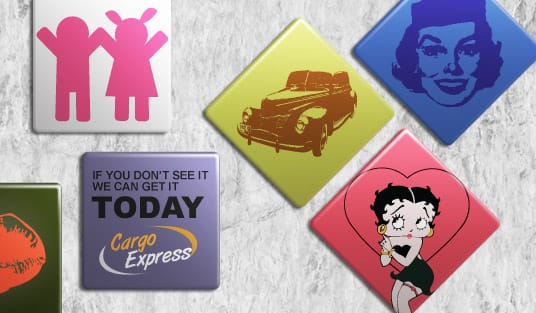
Shape is the other decision. Die-cut stickers are cut to the outline of the artwork, which suits a mascot, a skull, an instrument or any logo with a strong silhouette. A square or rectangle on a plain background costs less and works fine for a wordmark, and the rectangle sticker sizing guide covers those dimensions in detail. If you have three or four marks and do not want three separate stacks, sticker sheets put them all on one piece at $181.24 to start.
The honest limit: stickers rarely pay for a tank of gas. Their job is reach, not revenue. Give them away with any purchase, keep a bowl of them free on the table, and count them as advertising you already paid for. If you are weighing a home cutting machine against a print run, the sticker machine versus printing comparison lays out where the crossover sits.
When a Concert Poster Is Actually Worth Printing
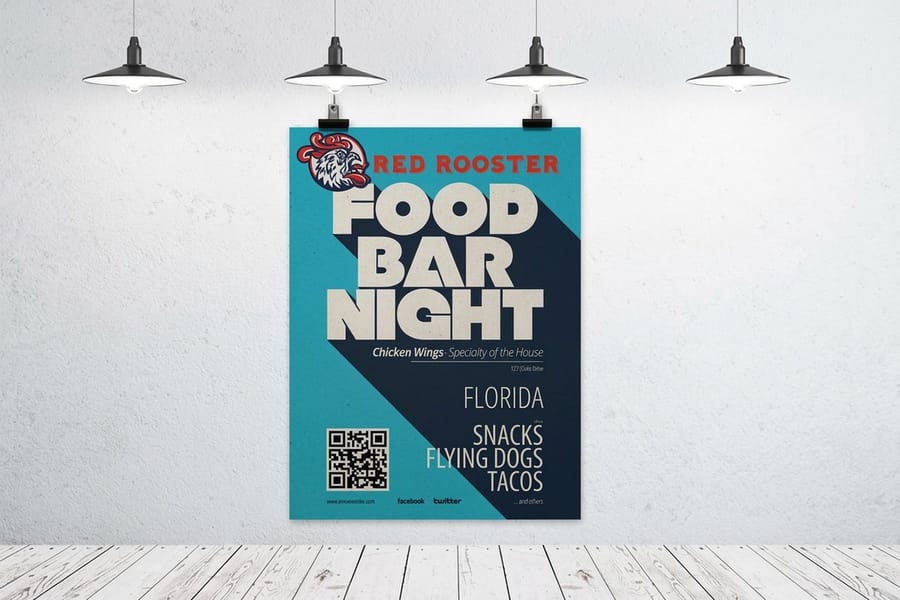
Posters have the best story and the worst logistics. They are the item people frame, and they are also the item that arrives home creased because someone carried it through a crowd.
The two sizes that matter are 18 by 24 and 24 by 36. The smaller one fits a standard frame people already own, travels flat in a backpack, and prices sensibly. The bigger one is the wall piece, and it needs a stiff flat pack rather than a tube, because a tightly rolled poster never lies flat again. For tall venue formats and stairwell pieces, the long poster guide covers the odd ratios.
Posters earn their place under three conditions. You are headlining, so the room already knows the songs. You can sign them, which turns paper into a keepsake and lets you number a short run. Or you are releasing something, and the poster carries the same artwork as the record. Outside those, expect a slow night, especially at an all-ages show where nobody drove and nobody wants to carry a tube on a bus.
Print the dated tour poster in a small run and keep an undated version of the same artwork for the rest of the year. That single decision is the difference between a stack you sell out of and a stack that lives in the van until it gets bent. If you are also printing to promote the show itself rather than to sell at it, the nightclub flyer design guide and the campaign poster guide both cover the wall-and-pole side of the job.
T-Shirts, and the Size Spread That Eats the Budget

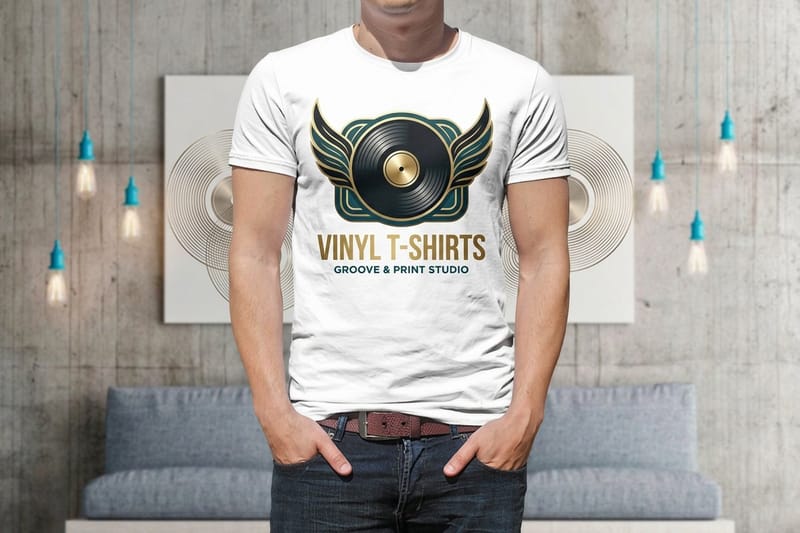
A shirt is the highest-value item most bands will ever sell, and it is the only one of the three that turns a single design into five separate things to count. That is the whole trade.
T-shirt printing starts at $21.96, but the price on the invoice is not the risk. The risk is the spread. Medium, large and extra large move hardest at most shows, so weight the order there and keep small and 2XL shallow on the first run. Sell through, write down which sizes emptied first, and reorder from that instead of from a guess. Bands that skip this step end up carrying a box of unsold smalls for a year.
Two design decisions change what you pay. Ink color count matters, since each additional color is another pass, so a two-color design on a dark garment usually beats a full-color photograph both on price and on how it ages after twenty washes. Garment color matters too: a light ink on a dark shirt needs an underbase, which adds a layer. Simple, high-contrast artwork is not just a style choice on apparel, it is the cheaper and more durable one.
Keep the shirt artwork undated. A tour-dated shirt is a one-city product, while the same design without dates keeps selling for two years and can go on a webstore between tours. If you want a second garment for the same crowd, the screen-printed polo guide and the printed sweatshirt guide cover the heavier options that carry a higher ticket in winter.
Building the Table Around One Budget
A merch table needs three price points: something free or close to it, something at impulse money, and something that pays the night. Stickers, buttons, shirts. Posters slot in above the shirts when the room is right.
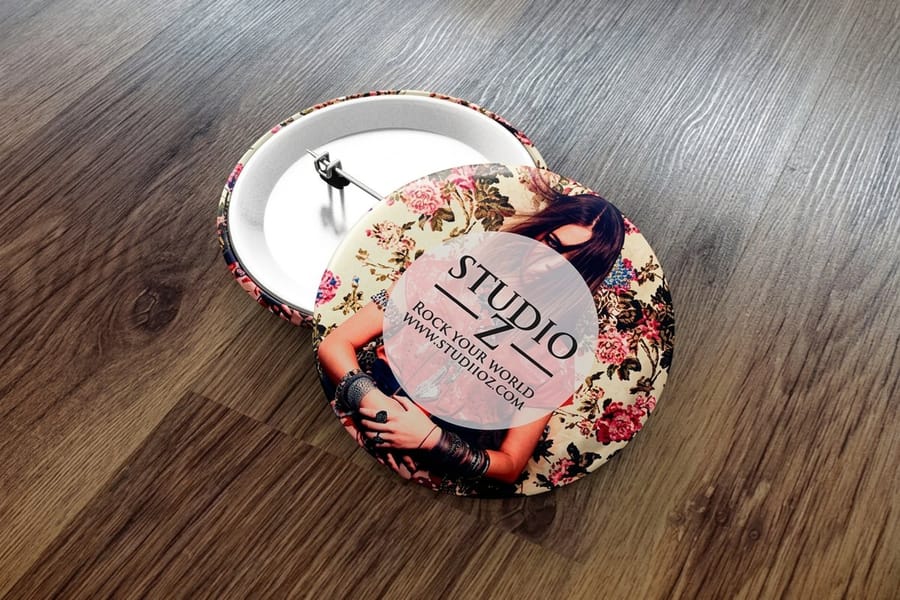
Standard buttons start at $93.15 and fill the gap between free stickers and a shirt, which matters at all-ages shows where a lot of the room has small money. The pins and buttons guide covers sizes and backing types. Everything on the table should come from one visual family, so the sticker, the button and the shirt read as the same band from across the room.
Bundle rather than discount. A shirt with a free sticker and a button feels generous and costs you very little, while cutting the shirt price teaches the next room to wait for a deal. Take one photo of the finished table on the first night and reuse it in every post about the tour.
Set the artwork up once, properly, at the largest size you will print, and everything else is a resize. Start from a correctly sized layout in the blank template library, and browse the full music and entertainment print collection for what other acts put on the table. If you are still deciding what to price and stock, the stickers, posters and t-shirts category pages list the sizes and quantities we run.
Wally works the merch table
One sticker, two posters, five shirts
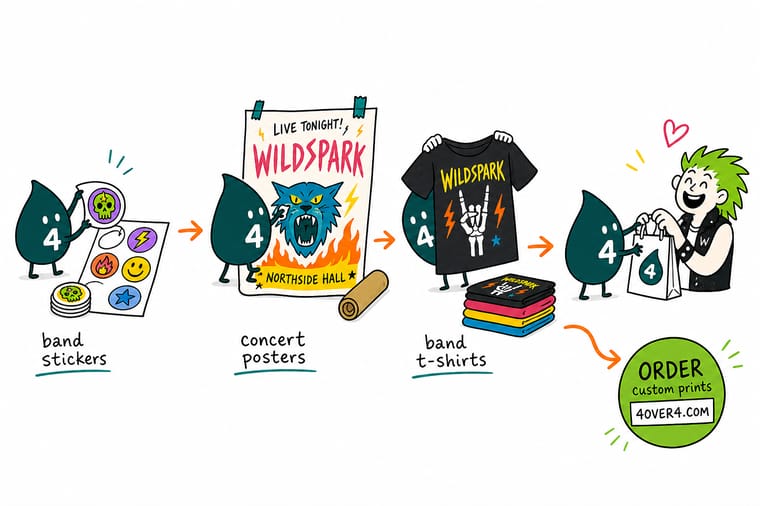
Wally lays the same band artwork out three ways. The stickers become one stack he can carry in a jacket pocket. The posters become two stacks, one for each size, and both need a flat pack so they do not curl. The shirts become five stacks, because small through 2XL each need their own count at the end of the night. Same artwork, wildly different boxes in the van, and that is the part to plan for before the print bill.
Print band stickers →Specs and pricing
Sizes, quantities and starting prices for all three
Configure each format side by side, with live options and starting prices straight from the 4OVER4.COM configurator.


Print it
Stock the table before the next run of shows

Explore more
Where to go next


By the numbers
Stickers, posters, and shirts in one order
Common Questions
Your band merch questions, answered
Should a new band print stickers, posters or t-shirts first?
Stickers first. They are the cheapest item to get wrong, they have no size spread, and they leave the table even when nobody is buying, which puts your name on laptops and water bottles in a city you may not play again for a year. Standard stickers start at $23.88 at 4OVER4.COM, so a first run costs less than a tank of gas. Shirts come second because they carry the highest price on the table, and posters come third because they need a crowd that already knows the songs.
What size should band stickers be?
Around 3 inches is the working size. It fits a laptop lid, a water bottle, a road case and a guitar case without wrapping around a curve, and it is big enough for a band name to stay readable across a dark room. Go to 4 inches only if the logo has fine detail or a long name. Anything under 2 inches turns most band artwork into a smudge, and anything over 5 inches gets peeled off by whoever owns the surface. Our rectangle sticker sizing guide walks through the same decision for square and rectangular shapes.
How many t-shirt sizes should we order?
Order the middle of the run deep and the ends shallow. Medium, large and extra large sell hardest at most shows, so weight the order there and keep small and 2XL to a handful each. The trap is treating one design as one product. It is five products the moment you stock five sizes, and each one needs its own space in the van and its own count at the end of the night. Underprint on the first run, see which sizes empty, and reorder from real numbers instead of a guess.
Are tour dates on a poster worth printing?
Only on a small run. A dated poster is a souvenir at that show and dead stock the next morning, so it earns its place when it is signed, numbered and priced as a limited item at a headline date. For the rest of the tour, print the same artwork without dates and sell it every night. The same rule applies to shirts. A dated shirt is a one-city product, and an undated one keeps selling for two years.
What paper and finish hold up on a merch table?
For stickers, vinyl with a gloss laminate, because they get handled with beer on their hands and stuck to things that go outside. For posters, a heavier stock resists the wave that thin paper takes on when it sits in a humid room, and it survives being rolled and unrolled at the table. Ask for a flat pack rather than a tube if you are driving, since a tube tempts everyone to roll posters tighter, and a tightly rolled poster refuses to lie flat on a wall.
What else is worth putting on the table besides the big three?
Buttons and sticker sheets. Buttons start at $93.15 and sit at an impulse price under the shirts, which gives people who cannot spend shirt money something to hand over. Sticker sheets start at $181.24 and let you put four or five designs on one piece, which is useful when you have a logo, an album mark and a mascot and do not want to stock three separate sticker SKUs. Both fill the gap between free and expensive without adding sizes to count.
Get Started
25 standard stickers cost $23.88, a t-shirt $21.96
Pick the sticker shape, the poster size and the shirt colors, upload one set of artwork, and we print the whole table so it arrives before the first date.
Legal Disclaimer
Gold Standard guarantees apply to all standard orders placed through 4over4.com. Price match requires verifiable proof of a competitor's published price for an equivalent product with matching specifications and turnaround time. Satisfaction guarantee covers manufacturing defects and print quality issues. Contact support with order number and documentation. On-time delivery rate based on tracked orders 1999 to 2026. Individual results may vary based on shipping carrier performance.
